TTG Asia
Asia/Singapore Friday, 3rd April 2026
Page 1712

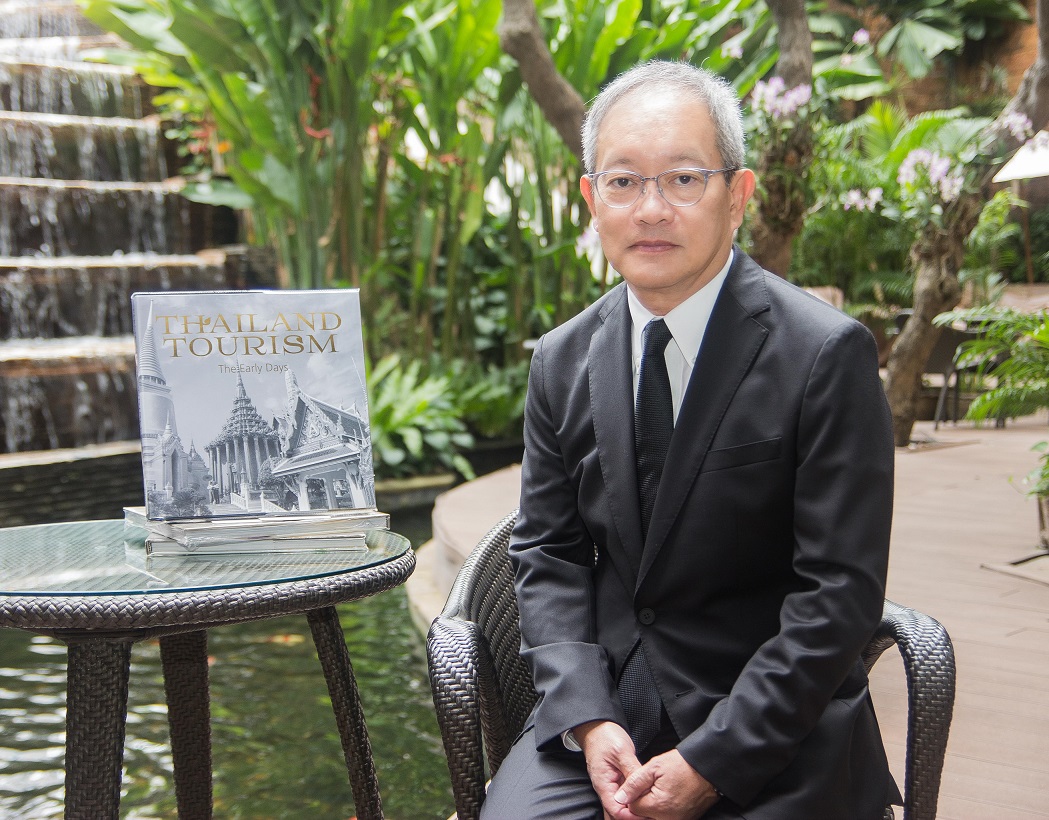
Book on early days of Thailand tourism

0

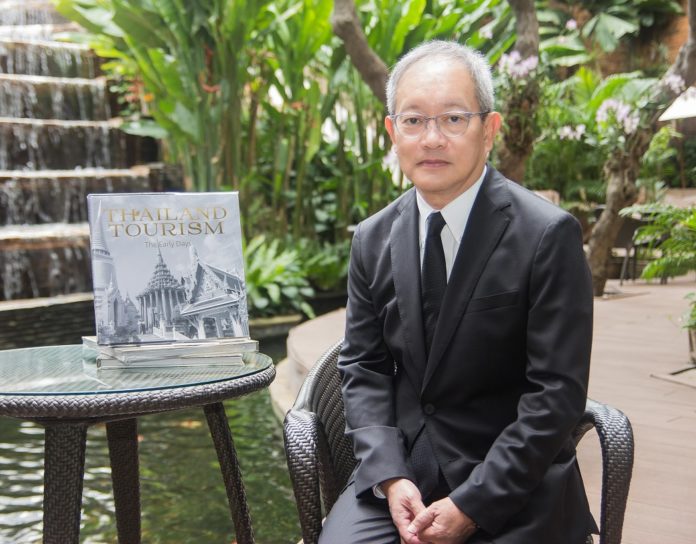
chanin_donavanik_dusit_international_1
Dusit International’s Chanin Donavanik

Dusit International, in partnership with Thai companies such as Bangkok Bank, Boon Rawd Brewery, Central Group, Chiva-Som International Health Resort, Jim Thompson, Siam Piwat, Thai Airways and the Tourism Authority of Thailand, have come together to publish a tourism book.

Titled Thailand Tourism: The Early Days, the book details the history of the tourism industry in Thailand and the pioneers behind its early development, including icons such as Kusa Panyarachun, founder of Thailand’s first travel agency; Prasert Prasarttong-Osoth, founder of Bangkok Airways; and Chanut Piyaoui, founder of Dusit International.

Priced at 1,500 baht (US$42.50), the book will be available at Asia Books and all Dusit hotels in Thailand from February onwards.

All proceeds from the book sales will be donated to the Royal Project Foundation, which helps to improve the living conditions of Thailand’s rural communities.

For more information visit www.thailandtourismtheearlydaysbook.com.

David Cameron to address WTTC Global Summit in Bangkok

0

david-cameron1
David Cameron

Former UK prime minister David Cameron will address the World Travel & Tourism Council (WTTC) Global Summit this year, which is taking place in Bangkok from April 26-27, 2017.

At the summit themed Transforming Our World, Cameron will be discussing some of the key geopolitical issues currently facing the world in which the sector operates.

The event will see leaders in their fields addressing a range of issues, including the future of travel and tourism in a globalisation age, the impact of security threats and climate change on the rights and ability of people to travel, the constraints to increased connectivity and infrastructure development in South-east Asia, and the innovations which will enable travel and tourism growth over the coming decades.

Sessions will also include a discussion on digital borders, and how to balance security with travel facilitation; the growing internationalisation of Chinese tourism, both in terms of acquisitions and outbound travellers; how the sector can balance projected growth with protecting destinations; and future trends in business and luxury travel.

Other speakers include Thai minister of tourism and sports Kobkarn Wattanavrangkul, UNWTO secretary general Taleb Rifai and AirAsia CEO Tony Fernandes.

As well, WTTC’s Tourism for Tomorrow Awards will be presented on April 27, showcasing the leaders in sustainable tourism in 2017.

The WTTC 2017 Global Summit is hosted by the Thai Ministry of Tourism and Sports and Tourism Authority of Thailand, and is endorsed by the Royal Thai Government.

Are GDSs still useful for travel agents?

0

sebastien-gibergues-amadeus
Gibergues: truth is distribution business is still growing

The question of whether GDSs remain a relevant middleman in today’s evolving travel landscape continues to be a hot topic of discussion at ASEAN Tourism Conference during ATF last week, as industry players bring different sides of the argument to the table.

Amadeus maintains that its traditional travel distribution function is still strong despite its diversification strategy into the airport and hospitality technology sectors, said Sebastian Gibergues, Amadeus IT Group’s head of leisure and online travel, global customers.

The travel technology giant acquired Singapore-based airport technology provider UFIS in 2014 and last year rebranded Newmarket International, which it had bought to accelerate expansion in the hotel software space, into Amadeus Hospitality.

Still, Gibergues stressed that these new areas of focus do not imply a decline in its distribution business. “Our strong technology and distribution play makes our company very resilient. The reality is the distribution business is still a growing and healthy (sector).”

This is especially so given the “organic growth the company enjoys from regions like South-east Asia, where people are travelling more than before”, he said.

Moreover, the current state of market fragmentation has only reinforced the need for airlines to “not ignore all the channels they can use to get reach”, added Gibergues.

Agents that TTG Asia spoke with at the conference, including Vivek Khanna, president of Tourcan Vacations, and Suli Purnawarman, consultant at Indonesia’s Astina Tours & Travel, still favour going through GDSs for airline bookings.

On the other hand, Margaret Siah, manager at Singapore’s PIL Travels, which handles leisure and corporate bookings, foresees some challenges ahead of GDSs with direct booking channels offering more inexpensive options.

This is certainly not the case for Gibergues, who is adamant that “bringing costs down, despite what airlines might say, is still the job of the GDS”.

Tour veteran joins Asia DMC to drive expansion

0

linh-le
Linh He

Linh Le has been named group managing director of Asia DMC as the company looks to accelerate its growth across Asia this year.

Le, who has 14 years of experience in tour operations, joins the company following a six-year tenure with boutique luxury tour operator Trails of Indochina.

In his new role, he is tasked with consolidating Asia DMC’s position in Vietnam, Thailand, Myanmar, Cambodia and Laos where its existing offices are located, as well as drive expansion into Sri Lanka, China, India and the Philippines this year.

The appointment follows the rebranding of the Hanoi-headquartered company at World Travel Market in London last year after 20 years of operating under HG Travel.

Meanwhile, Tran Thanh Nam will step down from his position as CEO of Asia DMC to focus on developing the hospitality arm of HG Holdings, the owning company of Asia DMC.

Price wars threaten survival of smaller players in Thai inbound sector

0

bangkok-european-tourists
Outside Grand Palace, Bangkok

The economic slowdown in Europe and stiff competition in the marketplace are spelling a particularly tough period for smaller players in Thailand’s European inbound tour sector, who have seen tour prices plunge by half in recent years.

European travellers have become price-sensitive, resulting in a price war that put smaller businesses at a disadvantage, said Sunee Pianngam, managing director of Tai Pan Reise Center (Thailand).

“Big players cut package prices, (putting) small and medium-sized ones who have no international networks out of business. Today, the (European inbound) market is occupied by only four to five big players.”

The price of a five-day package starts at 8,000-9,000 baht (US$227-256), down from 20,000-30,000 baht five years ago, Sunee said.

Also seeing depression in tour package prices, Montri Ramruangsakul, managing director of Arlymear, said the price of a 12 day-tour package is now just 10,000 baht, down from 20,000 baht in 2011.

“It’s now a buyer’s market. Supply is higher than demand. Running business today can only generate cash flows,” he said.

The setbacks are hitting agents amid an already-challenging landscape, as Montri shared that tour operators have been losing business due to rapid technological development and the growth of LCCs and OTAs.

Affected agents are pinning their hopes on baby boomers, who they said have higher purchasing power and a preference for traditional tour agents.

AirAsia X gets nod to fly to the US

0

airasia-x

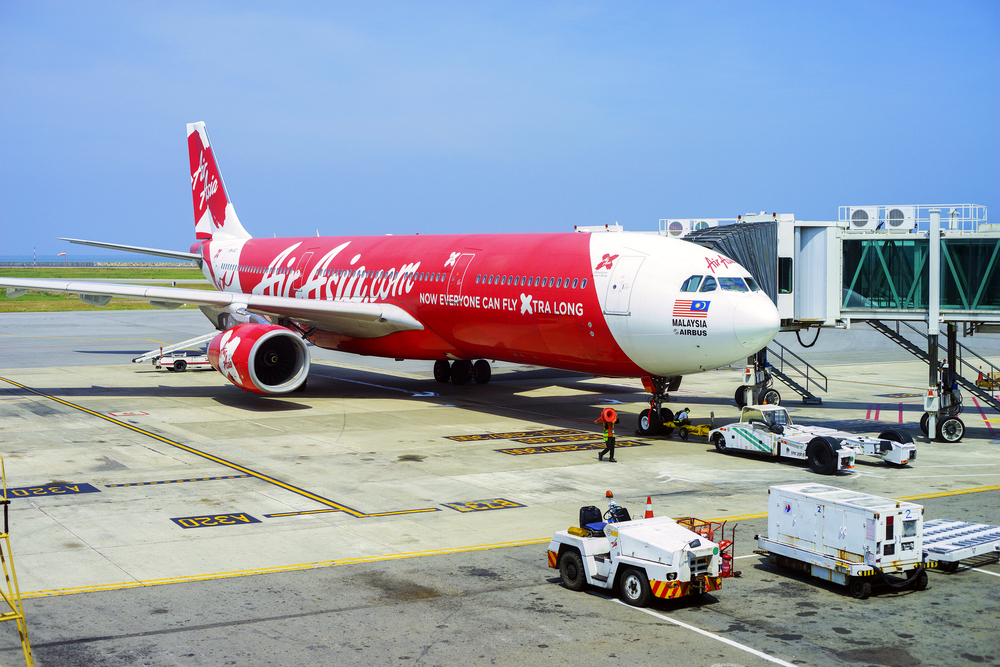
AirAsia X, AirAsia’s longhaul low-cost sister airline, has received clearance from the Federal Aviation Authority to fly to the US.

The airline is the first Asian LCC to secure approval to operate scheduled passenger flights to any destination within the US. The airline is currently considering flights to several states, as well as Hawaii, as part of its route expansion plans.

AirAsia X Group’s CEO Datuk Kamarudin Meranun said: “Our expansion up until now has concentrated on Asia, Australasia and the Middle East, and we are excited about our first foray into an entirely new market as we look beyond Asia-Pacific. We are also looking to resume our very popular London route, and are working towards securing the necessary approvals.”

He further credits the clearance to the late group COO Anaz Ahmad Tajuddin who passed away two weeks ago due to cancer.

AirAsia Group flies to over 120 destinations in the Asia-Pacific.

SITA makes two key appointments to APAC headquarters

0

SITA has appointed Sumesh Patel to succeed Ilya Gutlin as president, Asia-Pacific. Reporting directly to the CEO, Patel will develop and drive the association’s strategic direction in the region.

Based in Singapore, Patel was most recently vice-president of business management. He has been with SITA for over 24 years, starting as an engineer before moving into leadership positions in sales and business development and later drove communications and airport portfolio strategy in Asia.

Sumesh_Patel
Sumesh Patel
SONY DSC
Ilya Gutlin


Gutlin, who remains based at SITA’s Asia-Pacific headquarters in Singapore, will now assume the position of president for SITA’s new global air travel solutions division. He will lead a global team in the development and delivery of products and services to SITA’s 2,800 airline, airport and government customers.

Prior to his more recent role at SITA as president Asia-Pacific, Gutlin was also the vice-president of airport solutions and was the architect of SITA’s Intelligent Airport vision.

New destination branding unveiled for Phuket

0

phuket-branding
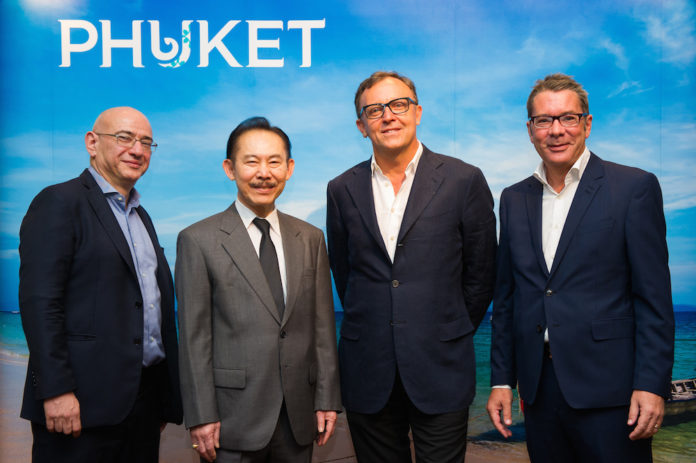
(From left) QUO’s David Keen; The Slate Phuket’s Wichit Na Ranong; Phuket Hotels Association’s Anthony Lark; and Outrigger Resorts’ Mark Simmons

Phuket Hotels Association (PHA) has unveiled at Thailand Tourism Forum yesterday a new brand identity, Brand Phuket, making the first concerted effort to develop a concise and consistent identity for the popular island destination.

Targeting to reinvigorate the profile of Phuket around the world, the brand identity was created by Bangkok-based global branding agency QUO to focus on the island’s breadth of experiences, its natural beauty and culturally-diverse communities.

As well, a new logo has been crafted, featuring ‘Phuket’ in letterform with a decorative motif within the ‘U’ which is inspired by elements in Thai handicrafts. The decorative swirls evoke the curl of the surf, while the combination of blues on the logo reflects the waters and skies at the destination.

“Thailand’s tourism industry has undergone a period of extraordinary growth and it is a time to take a step back, consolidate and position and plan for the future,” said PHA advisor Wichit Na Ranong, who is also owner of The Slate Phuket resort.

“The central and core intention of PHA is to bring the industry together to develop the destination. Tourism has been good to Phuket and we now need to ensure we are reinvesting through environmental and educational programmes to ensure benefits and advantages are spread.”

PHA was launched last year by the island’s several prominent hoteliers, comprising more than 61 hotel members representing 9,000 rooms.

Banyan Tree, Vanke join forces to expand assets in China

0

banyan-tree-huangshan
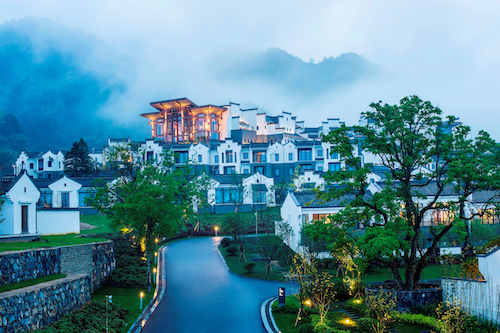
Banyan Tree Huangshan

Banyan Tree Holdings has come together with real estate company China Vanke to create a new joint venture Banyan Tree China (BTC), which will consolidate the ownership of Banyan Tree-branded hotels and assets in China.

BTC will also be the development and management platform for new projects by both parties in hospitality, senior-living and wellness, an area which both Banyan Tree and Vanke can “do a lot more in China and the rest of the world”, said Ho Kwon Ping, executive chairman of Banyan Tree, in a press release.

The initial paid-up capital of BTC is estimated to be no more than RMB2 billion (US$292 million).

The joint venture will initially be controlled 50:50 by Banyan Tree and Vanke through Banyan Tree’s injection of all its China-owned assets into BTC at valuation. The current book value of these assets (before valuation) is approximately RMB720 million.

Meanwhile, BTC will invite owners of the other 15-plus existing hotels and 20-plus hotels bearing various Banyan Tree brands under development in China to inject their hotels into BTC under mutual agreement. Vanke may also inject hotels it owns as well as future hotels under development into BTC.

BTC will also own 40 per cent of Banyan Tree’s hotel management company in China and continue the rapid expansion of the various brands under the Banyan Tree Group, namely Banyan Tree, Angsana, Cassia, Dhawa and Laguna.

Vanke will also take up approximately five per cent equity stake in Banyan Tree itself, as did AccorHotels, another strategic partner with which Banyan Tree recently signed a collaboration agreement to co-develop Banyan Tree-branded hotels around the world.

Indian agents dealt a double whammy with service tax hike

0

tax-increase

The Indian government’s new service tax on tour operators has come as a jolt to the sector, already reeling under pressure post demonetisation.

Effective January 22, tour operators are required to pay service tax on 60 per cent of the total invoice value of a package tour, according to a government notice. Earlier, the tax was levied on 30 per cent of the invoice value.

This effectively doubles service tax on tour packages to nine per cent from the earlier 4.5 per cent.

Mahesh Iyer, COO, Thomas Cook (India), said: “The impact is two-fold: a resultant doubling of the tax rate on the sector, and given that implementation was within a week, reaction time as well as time for advocacy was negligible. This will see a corresponding increase in tour pricing, which will in turn be passed onto customers.”

The move will benefit foreign tour operators and OTAs unaffected by the increased tax, Nalin Kapadia, chairman, Incredible Vacations remarked. “It seems that the government is looking to make life difficult for small travel agents,” he said.

Others added that the move will mostly hit outbound packages as operators enjoy CENVAT (Central Value Added Tax) credit for all input services for inbound tours. This can help defray service tax on services like hotels, transportation and mobile bills.

“Though CENVAT credit is huge relief to inbound tour operators, many of us also (combine) neighbouring destinations like Sri Lanka and Nepal in our tour packages. With the cost going up we may lose that business to foreign tour operators,” said Amaresh Tiwari, managing director, A.T. Seasons & Vacations Travel.