TTG Asia
Asia/Singapore Tuesday, 7th April 2026
Page 1363

Former regional chief of GTA makes a comeback

0
Bialylew:

He retired from the travel industry when Gullivers Travel Associates (GTA) was sold to Cendant for US$1.1 billion in 2005, but the former Asia-Pacific CEO of GTA, Bernard Bialylew, is returning to the industry with the creation of a new travel company.

“I was missing the buzz (of the travel industry); I wanted to rejoin the battle,” said Bialylew, who established New Concept Travel last month as a regional wholesaler to capitalise on the influx of Asian travellers to Europe, with Taiwan, Hong Kong, China, Thailand and Indonesia earmarked as focus markets.
Bialylew: wants to connect local bedbanks to compete with global bedbanks

Although the travel and tourism business has changed tremendously since his self-imposed retirement, with newer entrants like OTAs joining the fray and becoming key players, the “market has also grown 10 times since”, Bialylew noted.

Said Bialylew: “There are still many people in Asia who want to travel in groups and do traditional itineraries. There are some markets which are not confident of travelling on their own, and some which want to cover as many destinations as possible.”

And as Asia’s middle-class markets expand, Bialylew projects demand for niche experiences and returnees seeking in-depth tours in Europe to continue growing.

In Europe, New Concept Travel has established a partnership with AC Group for travel into the UK, Ireland, France and Benelux to target the leisure and corporate markets.

Bialylew is also leveraging the extensive network he has built up in Asia since the 1970s. “The owners of these agencies are from my generation. I saw them grow from infancy to where they’re today,” he said. “Asia is all about guanxi, even among the young ones.”

Even before its official launch in September, New Concept Travel already has US$1.5 million of business in the books, Bialylew told TTG Asia.

Meanwhile, he has his sights set on linking up small agencies which are not connected to the global bedbanks. “I want to connect local bedbanks, which often have thousands of good hotels, to compete with global bedbanks. Right now consolidation (in the bedbank sector) happens only at the global level.”

The company has an office in Jakarta, and representatives in Thailand and South Korea. India and Japan are next on his radar, as well as “small but interesting markets” like Myanmar and Cambodia.

He is hopeful of reaching US$300-400 million in turnover – figures achieved during his days as GTA’s regional chief – within the next 10 years. “Then I’ll retire a second time,” Bialylew quipped.

Fullerton Hotels takes its brand Down Under with Sydney debut

0
Fullerton has taken over management of the property since yesterday. Photo credit: Westin Sydney

The Fullerton Hotels and Resorts has taken over management of The Westin Sydney as of October 18, marking the company’s first international expansion.

It will be business as usual at the newly rebranded The Fullerton Hotel Sydney, but the hotel’s facade has been earmarked for cleaning and remediation project beginning 2019. In addition, The Fullerton Hotel Sydney’s website has gone live as of October 18.

Fullerton has taken over management of the property since yesterday. Photo credit: Westin Sydney

Similarly to The Fullerton Hotel Singapore which resides in the country’s General Post Office (GPO), The Fullerton Hotel Sydney will be located within the historic Sydney GPO Building, which was completed in 1891.

The Fullerton Hotels and Resorts presently owns and operates two hotels in Singapore: The Fullerton Hotel Singapore and The Fullerton Bay Hotel Singapore.

Ironman muscles deeper into APAC

0
Participants at the Ironman 70.3 Subic Bay, Philippines. Photo credit: http://eu.ironman.com

The renowned Ironman triathlon will be venturing into fresh territories in India and Thailand next year, as well as bringing the event to other cities in Malaysia and the Philippines.

Geoff Meyer, managing director of Ironman Asia, told TTG Asia that demand for triathlons in Asia is “growing dramatically”. To illustrate the overwhelming demand, Meyer cited the recent triathlon in Japan where there were 320,000 applications for 35,000 available spots.

Participants at the Ironman 70.3 Subic Bay, Philippines. Photo credit: http://eu.ironman.com

Wildly acclaimed as one of the toughest single-day sporting events – where triathletes have to swim 3.8km, cycle 180km and run 42km in a single race – Meyer said these events often translate to plenty of tourism dollars for the host destination.

He said: “The economic impact is huge as many local and foreign athletes will join the event. It raises the profile of the city, and government bodies and tourism organisations can expect exceptional economic returns on their investment.”

Although the event is completed within a day, athletes often stay on to explore the destination, and more often than not travel in family groups or with friends who support then.

Meyer said: “These triathletes are not there for just one weekend. Some would even travel there beforehand to see the course and train.”

Outrigger hires new SVP to head legal department

0

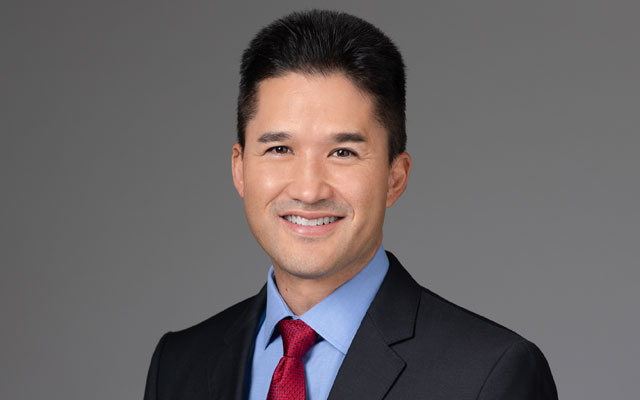
Outrigger Enterprises Group has appointed Scott Miyasato as its senior vice president and general counsel. He will be reporting to Outrigger Hotels and Resorts’ CEO Jeff Wagoner and serve as a member of the company’s executive team.

Miyasato will head Outrigger’s legal department and support the company by representing its interests in a diverse portfolio of legal matters, including commercial contracts, real estate transactions, labor and employment, compliance, intellectual property and litigation.

He comes to Outrigger from Hawaiian Airlines, where he served as its associate general counsel with a focus on commercial transactions. Prior to Hawaiian Airlines, Miyasato spent more than 10 years with the Cades Schutte law firm and also served as general counsel for a medical device company.

New hotels: The Westin Maldives Miriandhoo Resort, Best Western Hotel Fino Tokyo Akihabara, and more

0

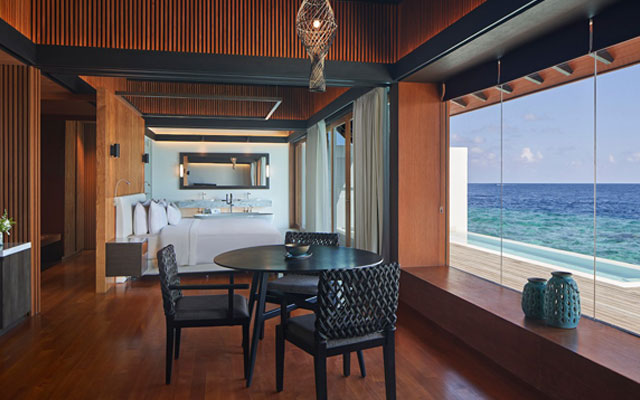
The Westin Maldives Miriandhoo Resort, Maldives
Westin has made its debut in the Maldives with the opening of The Westin Maldives Miriandhoo Resort in the Baa Atoll. The resort features 70 villas and suites, 41 on the island and 29 over-water. There are four F&B options on the island, alongside recreational facilities like the Heavenly Spa by Westin, a fitness studio spread across two levels, outdoor pool, and recreation ground with tennis, volleyball and basketball options. Rounding off the facilities are a PADI dive centre and a Westin Family Kids Club.

Alcove Hotel Seoul, South Korea
Located in the Gangnam district, the 108-room Alcove Hotel Seoul is managed by AccorHotels & Ambassador. F&B options include an American restaurant, cafe, and two bars, one of which – Club Limit – is perched on the rooftop of the hotel. Amenities on-site include the Bluewood Fitness & Pilates gym and fitness centre (where guests can book a private session with trainers), a 24-hour laundry room and business corner.

Best Western Hotel Fino Tokyo Akihabara, Japan
Best Western’s latest Japan outpost has opened in Akihabara, Tokyo, located less than 400m from Suehirocho Station and Naka-Okachimachi Station on the Tokyo Metro. The property offers 80 rooms that are equipped with a kettle and flatscreen TV. A buffet breakfast, featuring Japanese and international fare, is served each morning at the property.

Swiss-Belinn Modern Cikande, Indonesia
This midscale hotel in Banten, the westernmost province of Java, is situated within a business park in Serang. The property features a total of 165 rooms and suites, all featuring work areas and furnished with 42-inch LED TVs, Wi-Fi, universal power outlets, laptop-sized electronic safes and rain showers. There are also 12 one-bedroom apartments with kitchenettes and separate living areas for longer-staying guests.

Amenities include the all-day Swiss Kitchen, pool bar, a fitness centre, spa, an outdoor pool with kid’s paddling area, and prayer rooms. There are six flexible function rooms as well.

Partying the nights away

0

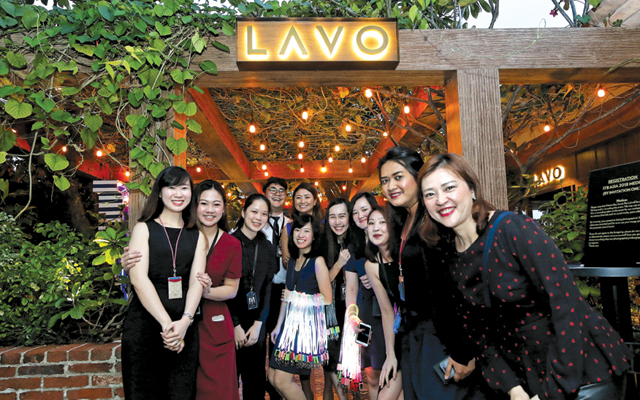
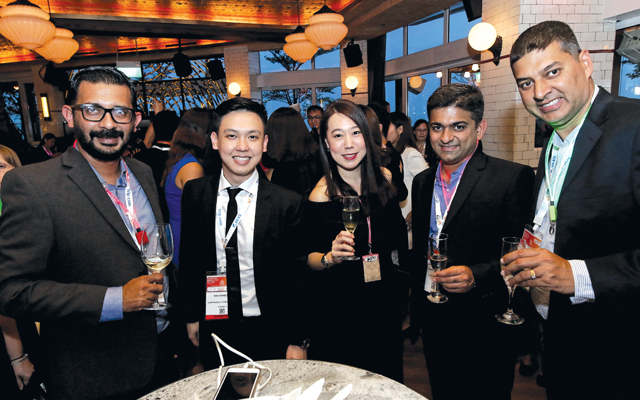
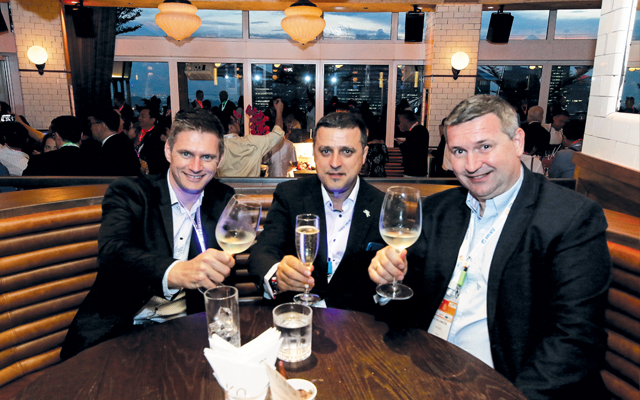
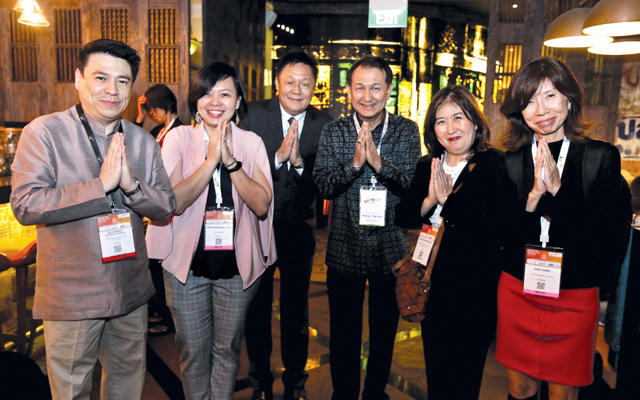
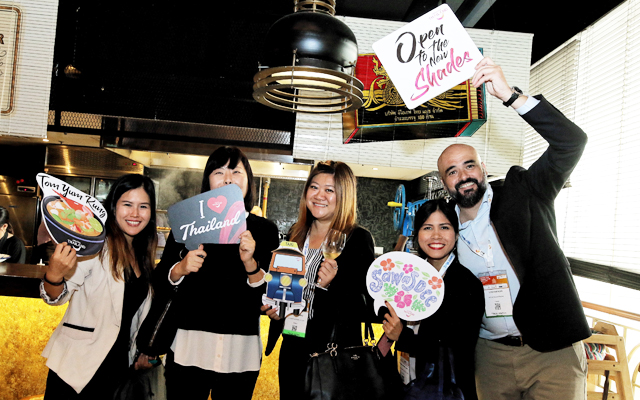
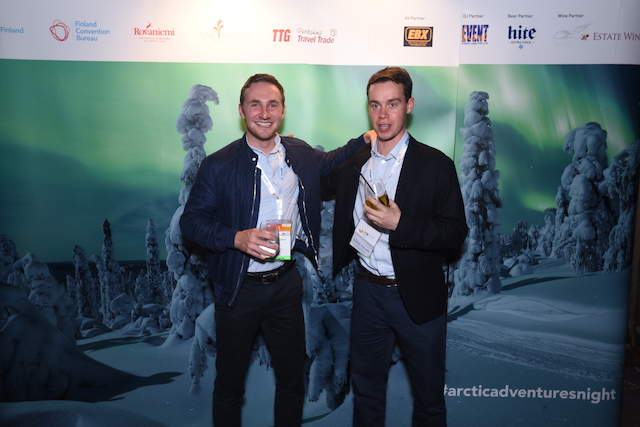
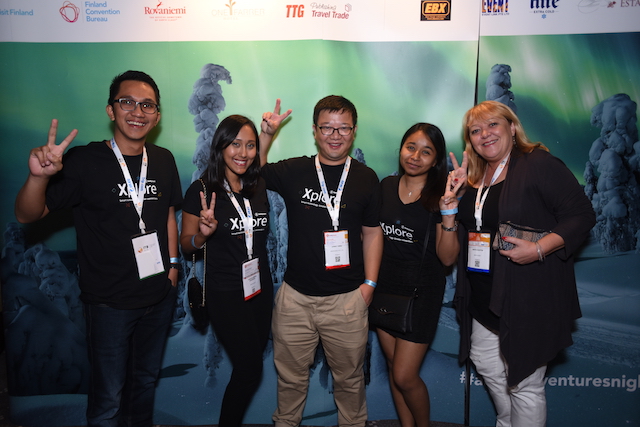
After a hard day’s work sniffing out the latest trends on the showfloor, interviewing buyers, and hammering out articles, the TTG Show Daily team certainly needed sustenance – in the form of free-flowing booze and delicious food.

That is why we were there for all the ITB Asia 2018 late night functions – the Tourism Authority of Thailand’s Happy Hour at Long Chim, Marina Bay Sands’ exclusive opening party at Lavo, as well as TTG Asia Media’s own Arctic Adventures Night.

We hope you did too!

Melzer joins Mövenpick’s new Maldives resort as GM

0

Michael Melzer has been appointed the general manager of Mӧvenpick Resort Kuredhivaru Maldives, scheduled to open its doors in November 2018.

A German national, Melzer has more than 35 years’ experience in the hospitality industry, many of which have been spent in the Asia-Pacific region.

Most recently he was general manager of the Sunrise Nha Trang Beach Hotel & Spa in Vietnam.

Melzer first started his career as a chef in Germany, and soon became a F&B specialist at several hotels. Subsequent roles included director of event management, hotel operations manager and director of operations.

He first became a general manager in 2010, and since then has successfully managed properties in the Maldives, the Philippines and Vietnam.

Ctrip, KLM seal strategic partnership agreement

0
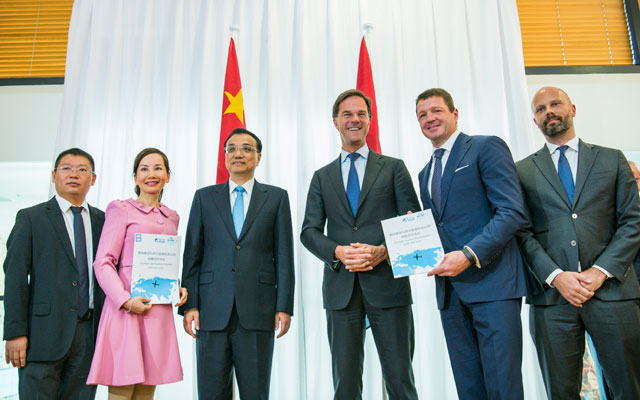
Ctrip's Jane Sun, Chinese premier Li Ke Qiang, Netherlands prime minister Mark Rutte and KLM's Pieter Elbers

Chinese OTA giant Ctrip and KLM yesterday entered into a strategic cooperation agreement to further develop China-Europe flight routes, in a signing ceremony presided by Chinese Premier Li Keqiang and Netherlands prime minister Mark Rutte.

The agreement marked a milestone and deepening of cooperation in the civil aviation industry for the 2018 EU-China Tourism Year, with several new flight routes recently beginning operation.

Ctrip’s Jane Sun (second from left), Chinese premier Li Ke Qiang (third from left), Netherlands prime minister Mark Rutte (third from right) and KLM’s Pieter Elbers (second from right)

Pieter Elbers, president and CEO of KLM, said: “With so many complementary areas across our businesses and supply chains, the partnership with Ctrip has the potential to help us realise significant innovations in areas including customer service, data operations, flight route development and product marketing. This will help to solidify and grow the Netherlands’ position as the ‘Gateway to Europe’ for Chinese travellers and enterprises.”

CEO of Ctrip Jane Sun added: “With the great opportunities presented by the EU-China Tourism Year, Ctrip will help more Chinese tourists travel to Europe, broadening horizons and benefiting business partners in the region. We hope Chinese tourists can become a bridge promoting trade cooperation, cultural exchange and people-to-people diplomacy between China and Europe.”

Through the partnership, Ctrip is expected to leverage its large customer base to help foreign airlines develop innovative membership service systems, and to provide passengers with more abundant and distinctive travel products.

Ctrip’s new travel trend report shows that Europe is increasingly a popular destination for Chinese tourists. In 2017, the number of Chinese outbound tourists to Europe ranked second among all continents, increasing 26.3 per cent compared with 2016. Average travel spending per person also increased by 36 per cent year-on-year.

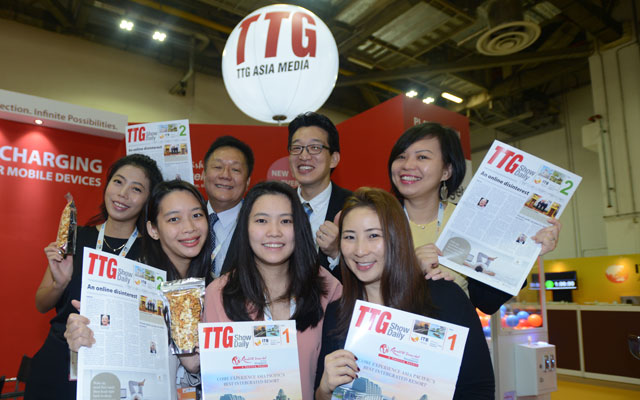
TTG Asia Media is here at ITB Asia 2018!

0

Come by our booth R50 to say hi, and have a go at our claw machine to win prizes. There are over 130 prizes to be won daily, and we assure you they are worth it – think three-day worldwide car rental vouchers, and Buddy plushies (Budget Car Rental’s mascot dog).

You are also welcome to charge your devices at the booth if they are low on juice. While you’re waiting, pick up a copy of our show daily to catch up on pertinent insights from the show floor, industry trends and the latest travel trade happenings.

See you there!

Peso woes spell triple-whammy setback for Philippine’s outbound

0
Philippines' outbound prospects are suffering from a weak peso, rising fares, and inflation

Philippine outbound agents are bracing for worrying prospects, as the weakening peso currency, reinstatement of local airlines’ fuel surcharge, and high inflation rate combine to make travelling abroad more expensive.

The weakening of the Philippine currency to 54.3 pesos against the greenback at press time – eight per cent lower than at the start of the year and the weakest in 13 years – is expected to have “a massive effect” on travellers and travel agents, unless they have saved some dollars in the past, said Lax Junnel Mendoza, president of Le Voyageur International Travel.

Philippines’ outbound prospects are suffering from a weak peso, rising fares, and inflation; passengers boarding a Philippine Airlines plane

“Buying dollars for pocket money will cost travellers more and credit card won’t be a good payment choice. Most travel agents don’t have dollar accounts and even if we charge passengers in dollars, we have to charge them higher because we have to pay our partners (abroad) in dollars,” Mendoza explained.
Also making travel costlier is the country’s six per cent inflation rate, one of the highest in Asia, and increased airfares. In mid-September, the Philippine Airlines and Cebu Pacific added fuel surcharge in airfares due to a hike in aviation fuel prices and exchange rate fluctuation.

Feliz Axalan, Tradewings Tours and Travel’s general manager, is also “worried” that the general elections in May next year may “push back” outbound travel, usually the case during elections.

Axalan said that the longhaul outbound market is the first to be affected as it requires more forward planning, unlike within Asia where budget fares abound.

However, for Mendoza, even outbound demand to Asia is affected by passengers’ “reduced buying power”, citing the example of a US$300/pax Hong Kong package which is the equivalent of 16,300 pesos compared to 13,000 pesos in January when the currency was stronger.
Philippine Travel Agencies Association’s (PTAA) president Marlene Jante expects the currency effects to become more apparent for new 2019 outbound bookings.

To cushion any currency impact, many agencies now require dollar payment, Jante shared, adding that Filipinos still travel despite the higher costs involved.

On the other hand, Mendoza’s strategy amid the currency flux is to chase the domestic tourism sector. “They don’t have to pay travel tax and they don’t have to buy dollars.”

While her inbound operations has profited from the weak peso, Axalan said the agency will have “to find ways to keep outbound rates the same” and “renegotiate with suppliers to give us the best rates”.

For example, Axalan has seen more leisure groups departing for Europe this year than previously by partnering with lesser-known airlines like Saudia and Kuwait Airways, enabling them to offer groups an affordable US$1,985 package for 10 days to five countries in Europe.