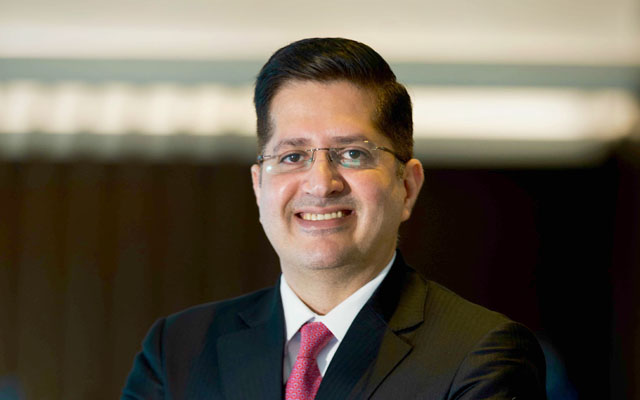
The Westin Hyderabad Mindspace has appointed Amit Maini as its general manager.
A Marriott International veteran with more than 15 years of hospitality experience, he most recently served as senior director, revenue strategy – South Asia, overseeing commercial strategy and business performance for more than 150 hotels across the region.
Wink Unscripted by Hyatt marked its Stay24 concept with a day-long activation across six hotels in Vietnam, highlighting its flexible 24-hour stay model and round-the-clock guest facilities.
Held on July 24, 2026 – chosen because the date reads 24/7 – the campaign took place at Wink properties in Can Tho, Tuy Hoa, Ho Chi Minh City, Danang and Hai Phong.
Wink Unscripted by Hyatt staged a series of activities across six hotels in Vietnam to showcase its Stay24 concept
At the centre of the initiative is Stay24, which allows guests to check out at the same time they checked in, removing fixed checkout times. The concept is supported by 24-hour facilities including the gym, bar, laundromat and grab-and-go outlet.
The campaign featured activities throughout the day, including student-led sleep-ins, staff wearing Stay24 T-shirts, a late-night pyjama party, chef-led noodle pop-ups, an early morning fitness class and a sketch walk in Ho Chi Minh City led by artist Richie Fawcett, whose illustrations appear on the blinds in every Wink guestroom.
According to the hotel brand, the campaign generated more than 10,000 organic Instagram views within its first 24 hours. It was also featured by national and lifestyle media, while content from lifestyle creators across TikTok, Instagram and YouTube attracted more than 1.1 million combined views.
The campaign will continue with media and influencer activations in China and South Korea in August and September, as Wink promotes its flexible stay concept to a wider audience.
Oceania Cruises will launch a new onboard speaker programme in 2027, featuring influential figures from technology, film, culture and the arts as part of its guest enrichment offering.
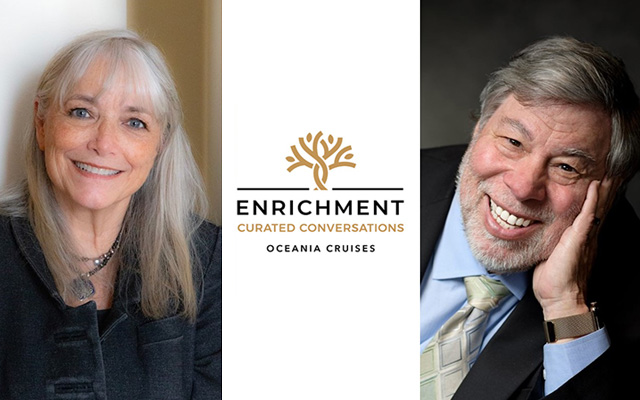
Named Curated Conversations, the series will debut on selected 2027 sailings, with technology entrepreneur Steve Wozniak, co-founder of Apple, appearing aboard Oceania Allura, and actor and director Karen Allen joining Oceania Vista.
Oceania Cruises will feature conversations with technology, film and cultural figures such as actress Karen Allen and Apple Inc’s Steve Wozniak on selected 2027 voyages; photo by Oceania Cruises
The programme will feature interview-style discussions hosted by the cruise director, followed by audience Q&A sessions, giving guests the opportunity to engage directly with the speakers.
Allen, best known for her roles in Raiders of the Lost Ark, Starman and Scrooged, will discuss storytelling, creativity and her career in film and theatre during a sailing from Los Angeles to Papeete from November 11-28, 2027.
Wozniak will share insights from his role in the personal computing revolution, as well as his work in technology and education, during a roundtrip Miami sailing from January 27-February 5, 2027.
The adults-only cruise line said the programme will be rolled out across its fleet with additional guest speakers to be announced.
Jason Montague, chief luxury officer, Oceania Cruises, said: “Curated Conversations reflects the spirit of exploration that defines an Oceania Cruises voyage.
“Our guests are naturally curious travellers who value discovery as much as the destinations themselves. This programme creates rare opportunities to engage with extraordinary individuals whose experiences and perspectives inspire new ways of thinking. Whether exploring the world ashore or exchanging ideas on board, our guests are continually seeking meaningful moments of connection, and Curated Conversations is designed to deliver exactly that.”
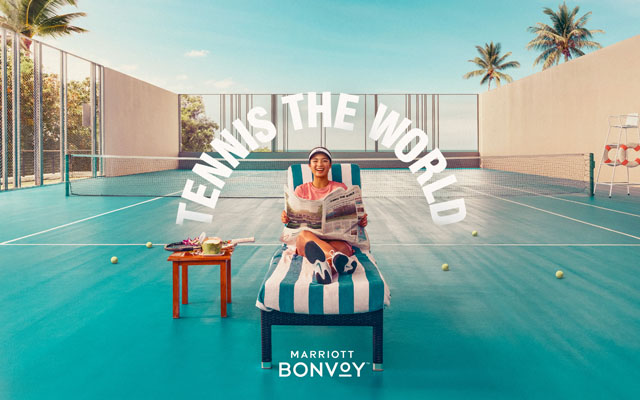
Marriott Bonvoy has appointed Filipino tennis player Alex Eala as the Asia-Pacific (excluding China) ambassador for its Tennis The World campaign.
The partnership marks Marriott Bonvoy’s latest activation as the Official Hotel Partner of the Australian Open, with Eala featuring in campaigns promoting Marriott Bonvoy Moments through tennis.
Marriott Bonvoy’s Tennis The World campaign will feature Filipino tennis player Alex Eala across Asia-Pacific, excluding China
Eala, one of Asia’s fastest-rising tennis players, recently claimed her first WTA title and has recorded victories over several top-ranked players. Marriott Bonvoy said her growing international profile and strong connection to South-east Asia made her a natural choice for the campaign.
As part of the partnership, Marriott Bonvoy members will receive early access to tickets for the Australian Open 2027 and can expect additional tennis-related experiences, including opportunities to meet Eala through the Marriott Bonvoy Moments programme.
John Toomey, chief commercial officer, Asia-Pacific excluding China, Marriott International, said: “Alex embodies so much of what Marriott Bonvoy stands for. She is authentic, inspiring, and proudly connected to the region we serve. Her remarkable rise, culminating in her recent breakthrough WTA title and victories over some of the world’s best players, is a testament to her talent, resilience, and determination.
“As she continues to make her mark on the global stage, we are excited to support her journey while bringing our members closer to the game through exclusive experiences and unforgettable moments.”
Radisson Hotel Group has partnered with Accenture to launch an AI-powered hotel discovery app in ChatGPT, enabling travellers to search, compare and plan hotel stays through natural conversation.
Available as @RadissonHotels in ChatGPT, the app allows users to search more than 1,000 Radisson Hotels properties across more than 100 countries using conversational prompts. Travellers can ask for recommendations based on destination, amenities or travel preferences, with the app returning relevant properties, live rates, hotel details, amenities and interactive maps before directing users to the Radisson Hotels website to complete their booking.
Radisson Hotel Group’s new ChatGPT app enables travellers to search, compare and plan stays across more than 1,000 hotels before booking directly through its website
The launch forms part of Radisson Hotel Group’s direct booking strategy and its move towards agentic commerce, where AI supports travellers throughout the search and planning process.
According to Accenture’s Consumer Pulse Research, 87 per cent of travellers are open to using an AI-powered travel agent to find suitable travel options, while 71 per cent expect AI to influence at least half of their spending on hotels or airlines over the next 12 months.
The app connects directly to Radisson Hotel Group’s existing systems to provide real-time hotel information. Future enhancements are expected to include personalised recommendations, loyalty recognition, in-chat booking, reservation management, trip modifications and AI concierge services.
The collaboration builds on Accenture’s work with Radisson Hotel Group to modernise its digital and data platforms across more than 1,000 hotels.
Gianni Di Fede, chief commercial officer at Radisson Hotel Group, said: “AI is radically transforming how people search for and book hotel stays, and we are committed to being at the forefront of this shift. With Accenture, we are reimagining hotel discovery for the next generation of travellers – meeting guests in the planning moment with a branded experience that makes it easier to find, compare, and book Radisson Hotels properties.”
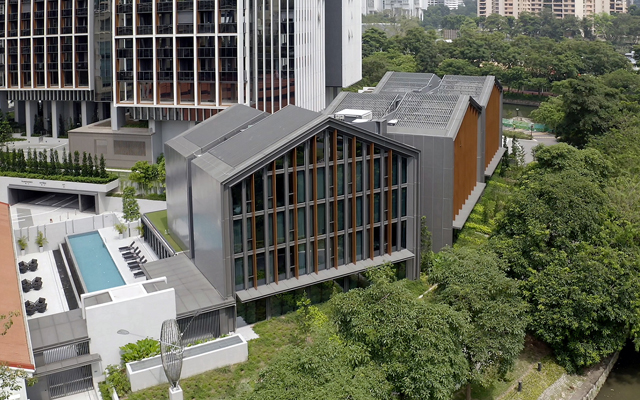
Frasers House, a Luxury Collection Hotel, Singapore has introduced a new cultural programme highlighting the artisans, makers and creatives of Kampong Gelam through talks, workshops and retail showcases.
The initiative begins with The Curator’s Table, an evening discussion exploring the links between craft, culture and hospitality, before expanding into The Maker’s Serambi, a bi-monthly programme that brings local makers into the hotel through exhibitions, retail experiences and hands-on workshops.
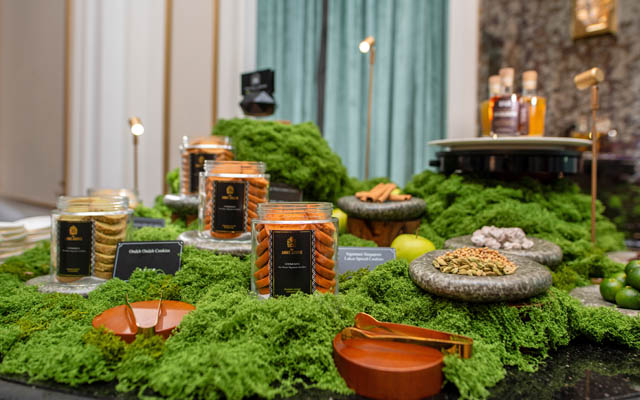
The Maker’s Serambi will showcase local artisans, crafts and products as part of Frasers House’s new cultural programme
The inaugural edition of The Maker’s Serambi will run from August 28-30, 2026, from 12.00 to 18.00, transforming the hotel lobby into a showcase of local craftsmanship. Participating makers include Pasupathy Jewellery, textile studio A Bright Place and Sifr Aromatics, with workshops on plant-based dyeing held on Friday and Saturday from 16.00 to 16.30.
Future editions will feature ceramicist Yun the Potter and leather artisan Maverick Made, with exclusive collaborations curated by independent travel publication Eastside.
Located in the heart of Kampong Gelam, Frasers House developed the programme to connect guests with the neighbourhood’s cultural heritage through the work of local artisans and independent businesses.
Wine and dine on the regional cuisine of the destinations on Silversea’s S.A.L.T. Culinary Voyages
Silversea has launched its first dedicated collection of culinary-themed sailings, S.A.L.T. Culinary Voyages, betting that deep access to a destination’s food culture will set the brand apart in today’s luxury cruise market.
The collection builds on Silversea’s existing S.A.L.T. (Sea And Land Taste) programme, expanding it into full itineraries built around four themes – Gather, Craft, Celebrate and Indulge – that connect guests with regional ingredients, traditions and people. Rather than treating food as an onboard amenity, Silversea is positioning it as the reason for the entire voyage, both at sea and ashore.
“With our new collection of dedicated S.A.L.T. Culinary Voyages, we’re building on our position as the small-ship leader in culinary variety to give guests direct access to the people and places that define a region’s food culture,” said Bert Hernandez, president at Silversea. He pointed to experiences such as a countess opening her kitchen in northern Portugal, or a chef teaching family recipes at home in Normandy, as the kind of access “guests couldn’t arrange on their own.”
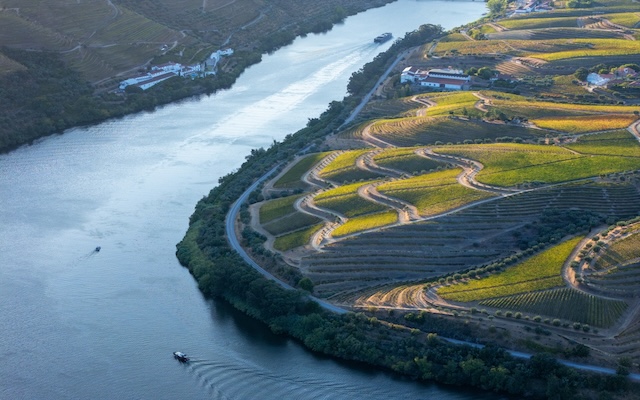
Silversea’s S.A.L.T. Culinary Voyages takes guests across notable wine regions such as Portugal’s Duoro Valley
The collection debuts with seven sailings across Portugal, Spain, France and the UK aboard Silver Dawn and Silver Spirit, timed to Europe’s autumn Grape Harvest season between late August and late October 2026. The sailings run variously between Southampton and Lisbon, and as a roundtrip from Lisbon, ranging from 10 to 12 days, with stops at notable wine regions including Bordeaux, Bilbao, Santander, Vigo and Porto.
Onboard, each Grape Harvest voyage carries an expanded slate of culinary programming, including a nine-course dinner celebrating Iberian autumn flavours, sommelier-led tastings of Atlantic Coast wines and premium Bordeaux and Champagne labels, a Cognac and Armagnac tasting, and a hands-on S.A.L.T. Bar mixology class. A live seafood-focused masterclass with the ship’s executive chef and a foraged-ingredient lunch featuring wild mushrooms and truffles round out the onboard offering, alongside signature moments such as a Harvest Cruise Welcome and an Autumn Harvest Grand Brunch.
Ashore, the voyages tie into Silversea’s S.A.L.T. Experiences, its culinary-focused shore excursion programme. Highlights include a private port-blending session with an oenologist followed by a live-fire lunch at a UNESCO-listed Douro Valley estate; a behind-the-scenes kitchen visit and lunch with Michelin-renowned chef Vivien Durand at Château du Prince Noir in Bordeaux; a txakoli winery tasting and wood-fired feast at Michelin-starred restaurant Garena in Basque Country; a truffle hunt and lunch at the historic Château Royal de Cazeneuve; and a foraging session with a chef, forager and fisherman in Sintra.
These experiences are designed to be difficult, if not impossible, for travellers to arrange independently – a differentiator Silversea is leaning on as it positions itself against other luxury and expedition operators also competing for experience-driven travellers.
Grape Harvest marks the first chapter of the S.A.L.T. Culinary Voyages collection, which Silversea says it will continue to build out around distinctive culinary moments in other parts of the world.
More details on the Grape Harvest sailings and the wider S.A.L.T. programme are available on Silversea’s website.
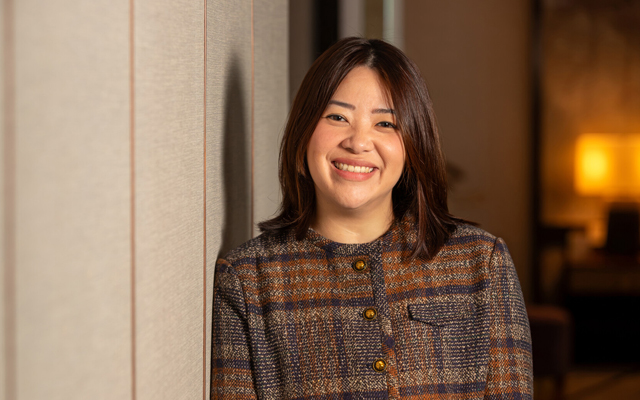
Marisa Ng has been appointed associate commercial director at Four Seasons Hotel Singapore.
She joins from Singapore Marriott Tang Plaza Hotel, where she served as director of sales and marketing.
Ng previously held the role of cluster director of sales for JW Marriott Singapore South Beach and The St Regis Singapore, bringing extensive experience in luxury hospitality sales and commercial strategy.
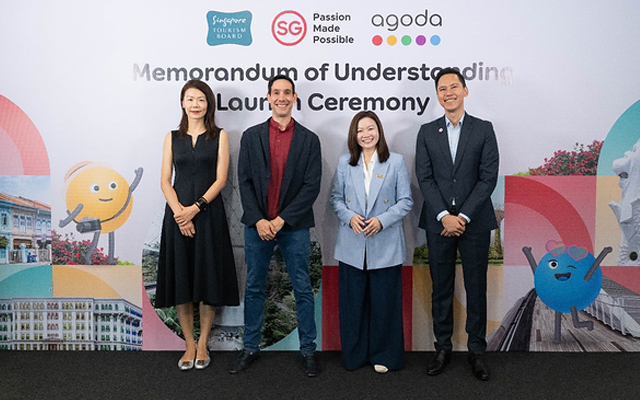
Agoda and the Singapore Tourism Board (STB) have extended their partnership with a new three-year memorandum of understanding (MoU) that expands collaboration beyond destination marketing to include data, technology and AI-driven travel initiatives.
The agreement builds on a partnership first established in 2022 and renewed in 2024, reflecting changing traveller behaviour and the growing role of digital tools in trip planning. Under the latest MoU, Agoda and STB will collaborate across four areas: joint marketing, data strategy and insights, thought leadership and innovation, and the exploration of AI-powered travel recommendations for visitors to Singapore.
Agoda and the Singapore Tourism Board have renewed their partnership for a further three years, expanding collaboration to include AI, data and technology initiatives alongside destination marketing
The partnership will also support capability-building initiatives for Singapore’s tourism industry in areas including data science, AI upskilling and experience development.
The renewed agreement follows a joint marketing campaign launched by Agoda and STB in May 2026 to stimulate demand for Singapore and capture growing interest in shorthaul regional travel. According to the partners, the campaign generated encouraging results across its target markets with support from Singapore hotel partners.
Melissa Ow, chief executive of STB, said: “The renewed collaboration presents the opportunity to tap on Agoda’s platform reach, traveller insights and technology capabilities to strengthen Singapore’s destination appeal in the digital space. The partnership also supports STB’s Tourism 2040 ambitions, with a mutual commitment to harness technology and raise industry capabilities for Singapore tourism.”
Omri Morgenshtern, CEO of Agoda, added: “We’re excited to bring our AI and analytics capabilities to this partnership, enabling STB to reach travellers more precisely while supporting the innovation priorities that benefit the entire Singapore tourism ecosystem.”
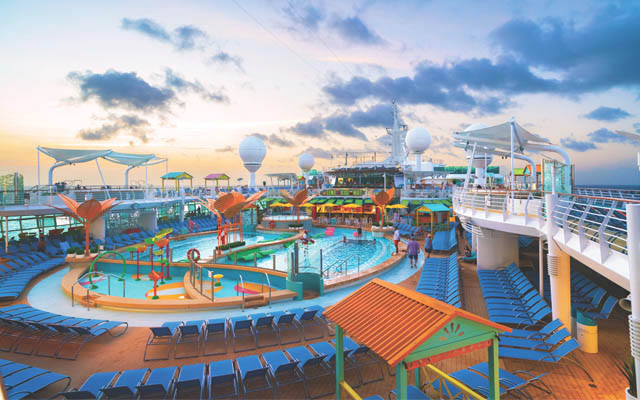
Royal Caribbean has confirmed Navigator of the Seas will remain in Singapore through October 2027, making the ship a year-round homeported vessel and expanding cruise options from the city-state.
Originally scheduled for a six-month season, Navigator of the Seas will now operate year-round from Singapore from October 2026, offering two- to five-night itineraries to destinations in Malaysia, Thailand and Vietnam, as well as a 12-night repositioning voyage from Tokyo to Singapore.
Navigator of the Seas will remain homeported in Singapore through October 2027, offering year-round cruises to destinations across South-east Asia
The extended deployment includes short cruises to Penang and Kuala Lumpur (Port Klang) in Malaysia, and Phuket in Thailand.
Royal Caribbean said the move builds on the ship’s inaugural Asia season and reflects growing demand for fly-cruise holidays from Singapore, which continues to strengthen its position as a regional cruise hub.
The cruise line also outlined its broader Asia-Pacific deployment for the 2027-2028 season. Voyager of the Seas will sail from Singapore, Hong Kong and Tokyo between January and April 2027, offering new itineraries across the region, including cruises timed to coincide with Japan’s cherry blossom season. Meanwhile, Ovation of the Seas and Anthem of the Seas will join Voyager of the Seas for Royal Caribbean’s largest Australian summer programme to date.
Bookings for Navigator of the Seas‘ extended Singapore season open on August 19, while Voyager of the Seas‘ Asia-Pacific itineraries go on sale on August 26.
Chitra Rajesh Kumar, director, cruise, Singapore Tourism Board, said: “Royal Caribbean’s decision to extend Navigator of the Seas from a six-month seasonal deployment to a year-round homeport, reflects their continued confidence in Singapore as a leading cruise hub in Asia.”
Ben Bouldin, president of Greater China and managing director Asia, Royal Caribbean, added: “From long weekend escapes to memorable family vacations, travellers can now enjoy a full year of adventures from one of Asia’s most ideal cruise gateways.”


 A Marriott International veteran with more than 15 years of hospitality experience, he most recently served as senior director, revenue strategy – South Asia, overseeing commercial strategy and business performance for more than 150 hotels across the region.

 Ng previously held the role of cluster director of sales for JW Marriott Singapore South Beach and The St Regis Singapore, bringing extensive experience in luxury hospitality sales and commercial strategy.