Sun Siyam has made three leadership appointments across its Maldives resorts.
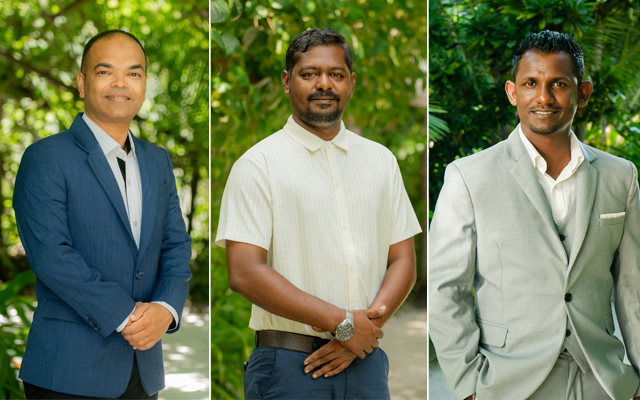
Masdhooq Saeed has been promoted to cluster general manager for Sun Siyam Iru Veli and Sun Siyam Vilu Reef. He previously served as general manager of Sun Siyam Iru Veli.
From left: Masdhooq Saeed, Ibrahim Baasith and Ibrahim Jaaweedh
Ibrahim Baasith has been named director of operations at Sun Siyam Vilu Reef. He most recently served as operations manager at Sun Siyam Olhuveli.
Ibrahim Jaaweedh has been appointed operations manager at Sun Siyam Olhuveli. He joins the role after serving in a range of operational and guest services positions within the Sun Siyam portfolio, most recently as guest services manager.
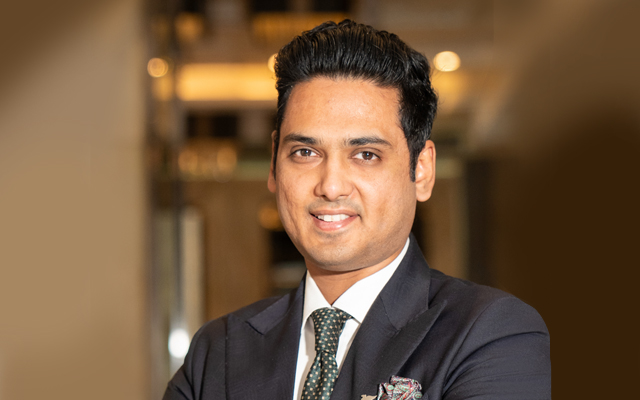
Vishwajeet Singh has been appointed director of sales and marketing at JW Marriott New Delhi Aerocity.
He brings more than 16 years of experience in hospitality sales, marketing, business development and customer relationship management, and will lead the hotel’s commercial strategy, revenue growth and market positioning efforts.
The Tourism Authority of Thailand (TAT) is positioning Africa as a key growth market as it seeks to diversify visitor sources amid ongoing uncertainty in the Middle East.
The continent is showing strong growth, particularly from Mauritius, where visitor numbers have risen 22 per cent, and Nigeria, which has recorded growth of 35 per cent. TAT attributes the increase to a growing middle-class driving demand for luxury and honeymoon travel, supported by air connectivity through hubs such as Dubai, Doha and Addis Ababa.
TAT outlined its strategy to grow arrivals from Africa and other longhaul markets during a media briefing at TTM+ 2026 in Pattaya on June 11, 2026; photo by Anne Somanas
“Africa serves as a strategic diversification hedge against Middle Eastern volatility because its rising, affluent middle class offers standout growth in luxury travel demand while conveniently utilising the same robust aviation hubs and flight capacities,” said Chiravadee Khunsub, TAT deputy governor for international marketing for Europe, the Americas, the Middle East and Africa.
As of May 25, 2026, Thailand had welcomed 63,031 visitors from Africa. These travellers spent an average of 56,279 baht (US$1,710) per trip and stayed for an average of 11.33 nights, representing nearly half the Middle East market’s volume and a little over half of its average trip spend.
To strengthen its presence in the region, TAT is expanding its operations across both the Middle East and Africa.
“Our Dubai office currently manages the entire Middle East and Africa region, but we are working diligently to establish a new office in Riyadh, Saudi Arabia. Opening in Riyadh will be a major strategic move, enabling us to significantly increase our marketing capabilities and capture market share across these critical territories,” said Santi Sawangcharoen, TAT executive director for the Americas, Middle East and Africa region.
He added that TAT is organising trade shows and consumer events across Africa in cooperation with Thai embassies and consulates, while tailoring its approach to individual markets and focusing resources on major cities.
Given budget constraints, South Africa remains TAT’s primary focus market on the continent. The tourism board plans to conduct trade missions this year in Johannesburg, Cape Town and Durban.
“We must hit the right target groups, and South Africa remains our absolute priority because it delivers substantial tourist volumes alongside notably high purchasing power,” Chiravadee noted.
While African travellers tend to favour Thailand’s leading destinations, beach resorts and culinary experiences, TAT is seeking to encourage wider exploration of the country.
“For many of these visitors, Phuket is even perceived as the capital of Thailand due familiarity from direct aviation links, and seamless connections via Kenya Airways and Ethiopian Airlines,” Chiravadee said.
“Our goal now is to promote travel beyond Phuket by combining it with secondary destinations. The true value for our visitors lies in the extended experience, and we want to leave a lasting impression by encouraging them to explore further.”
A new tourism initiative highlighting the historical, cultural and culinary attractions along Japan’s historic highways has been launched to encourage more international visitors to explore prefectures surrounding Tokyo.
Known as Edo Shogun Roads, the project focuses on the road network that linked present-day Tokyo with neighbouring regions around 400 years ago. The five main routes, known as the Gokaido, radiated from Nihonbashi in central Tokyo to destinations hundreds of kilometres away. Along the routes were checkpoints for security and post towns that provided accommodation and supplies for travellers.
Narai-juku, a historic post town in Nagano Prefecture, is among the destinations highlighted by the Edo Shogun Roads project
The Kanto District Transport Bureau and the Greater Tokyo Convention & Visitors Bureau are now promoting the initiative through a dedicated website, suggested itineraries and visitor experiences designed to encourage exploration of the routes once used by merchants, pilgrims and samurai.
The project aims to increase day trips from Tokyo and encourage longer stays in the surrounding 10 prefectures, supporting regional economies and sustainable tourism development.
Visitors can also walk or cycle sections of the historic routes and visit landmarks including the Hakone Sekisho checkpoint in Kanagawa Prefecture and the former post towns of Tsumago-juku and Narai-juku in Nagano Prefecture.
Other experiences include hiking in Ozu National Park in Tochigi Prefecture, attending early morning prayers at Minobusan Kuonji Temple in Yamanashi Prefecture and taking part in kendo activities in Fukushima Prefecture.
Edo Shogun Roads will also tie in with Yokohama’s hosting of the International Horticultural Expo 2027 by promoting travel experiences centred on gardens, seasonal flowers and nature.
Emirates will broadcast every match of the FIFA World Cup 2026 live onboard its flights through the Sport 24 channel available on its ice in-flight entertainment system.
The live sports channels are designed to provide passengers with access to major sporting events during their journeys. Coverage will run throughout the tournament, from the opening match in Mexico to the final in the US on July 19, allowing passengers to follow the competition while travelling.
Passengers will be able to watch every FIFA World Cup 2026 match live through Emirates’ Sport 24 channel; photo by Emirates
The airline said the full match schedule is available in the June edition of its ice magazine, enabling customers to plan their viewing during flights.
Live television, including Sport 24 and Sport 24 Extra, is available on most Emirates aircraft, although availability may vary depending on aircraft type and route.
Where possible, FIFA World Cup 2026 matches will also be shown in Emirates lounges in Dubai.
In addition to football coverage, Emirates will continue to offer a range of live sports programming through Sport 24 and Sport 24 Extra.
The NBA Finals will be available through June 20, while other events scheduled for broadcast include the Canada Sail Grand Prix in Halifax on June 20-21, the Formula 1 Belgian Grand Prix on July 19 and the Formula 1 Hungarian Grand Prix on July 26.
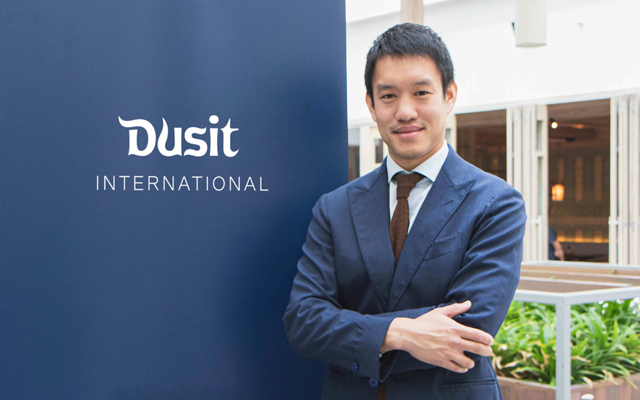
Dusit International has signed a hotel management agreement with developer Atmosphere to introduce its Dusit Princess brand in the Tehri Garhwal region of Uttarakhand, India.
Scheduled to open in 2031, Dusit Princess Rishikesh will be located near Rishikesh, a destination known for wellness, spirituality and outdoor tourism in northern India.
Donavanik said the signing reflects Dusit’s commitment to growing its presence in India
The project is planned as a mixed-use development comprising 300 keys, including hotel rooms and duplex villas. It is expected to cater to both leisure and business travellers.
Facilities will include an all-day dining restaurant, lobby lounge, business centre, outdoor swimming pool, gym, yoga room and event spaces.
The development will also feature a clubhouse with wellness and recreational facilities including a spa, infinity pool, restaurant, squash court, mini-plex, bowling alley and indoor games.
According to the companies, the project has been designed to integrate with its Himalayan surroundings while focusing on wellness and lifestyle experiences.
The signing follows the opening of dusitD2 Fagu, Shimla in December 2024 and expands Dusit’s development pipeline in India, which the company identifies as a key growth market.
Siradej Donavanik, vice president – development (global) at Dusit International, said: “The signing of Dusit Princess Rishikesh reflects our commitment to growing thoughtfully in India through destinations that align with evolving traveller trends and owner aspirations.”
Sanchit Jain, chairman and managing director of Atmosphere, added: “With Dusit’s globally recognised hospitality expertise and strong wellness-driven approach, we are confident that Dusit Princess Rishikesh will emerge as a distinguished retreat for travellers seeking immersive and elevated stay experiences in Uttarakhand.”
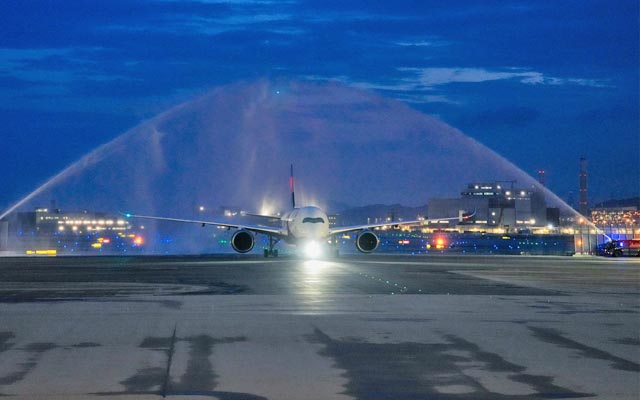
Delta Airlines’ Los Angeles-Hong Kong flight receives a water cannon salute on arrival in Hong Kong
Delta resumes Hong Kong-Los Angeles flights Delta Airlines has restarted services to Hong Kong with the launch of daily non-stop flights between Hong Kong and Los Angeles.
The route reconnects Hong Kong with Delta’s Los Angeles hub and provides onward access to more than 30 destinations across the airline’s network.
Flights are operated daily using Airbus A350-900 aircraft.
The new service marks Delta’s return to the Hong Kong market and further expands its Asia-Pacific network.
Air Astana
Air Astana adds China capacity, resumes Dubai services Air Astana is expanding its international network with a new route to Guangzhou, increased frequencies across China and the gradual restoration of services to Dubai.
The airline has launched direct flights between Astana and Guangzhou, operating twice weekly. The new route complements its existing five-times-weekly Almaty-Guangzhou service.
During the 2026 summer season, the Air Astana Group will also increase frequencies on routes from Almaty to Urumqi, Guangzhou, Shanghai, Sanya and Yining, as well as from Astana to Beijing and Urumqi. The airline group expects to operate 51 weekly flights between Kazakhstan and China.
Separately, Air Astana will resume regular services from Almaty to Dubai from June 20, 2026, and from Astana to Dubai from July 10, 2026. Services will be restored gradually, with both routes returning to daily operations by August.
Flights will operate via Pakistan due to the closure of Iranian airspace.
Qantas and Jetstar
Qantas, Jetstar unveil Western Sydney routes
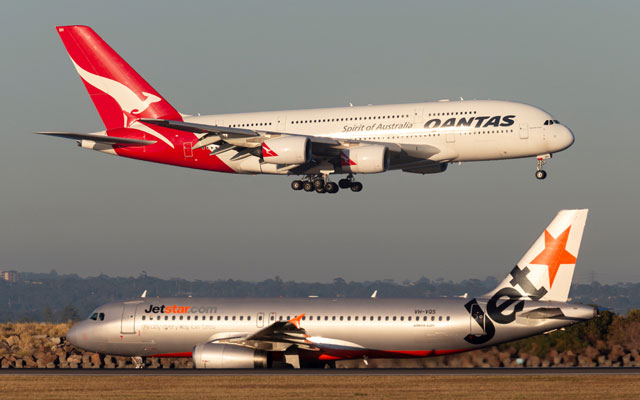
Qantas and Jetstar will launch domestic services from the new Western Sydney International Airport when it opens in October 2026.
Jetstar will become the airport’s first commercial passenger operator, launching services on October 25, 2026, with up to 14 weekly flights to Melbourne, four weekly flights to the Gold Coast and three weekly flights to Brisbane.
Qantas will begin operations from the airport on March 28, 2027, operating four weekly flights each to Melbourne and Brisbane through QantasLink.
The airlines have signed a five-year agreement with Western Sydney International Airport and said the new services will add capacity to the Sydney market alongside their existing operations at Sydney Kingsford Smith Airport.
Philippine Airlines
Philippine Airlines upgrades Toronto route with A350-1000
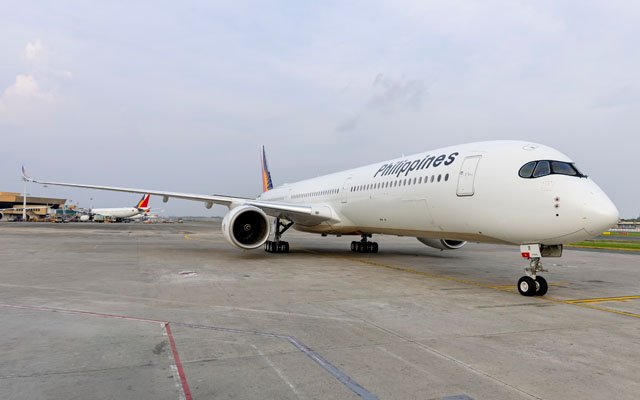
Philippine Airlines (PAL) has deployed its second Airbus A350-1000 on the Manila-Toronto route from June 5, 2026, expanding the use of its flagship aircraft in North America.
The carrier will operate the aircraft three times weekly on services between Manila and Toronto.
Toronto becomes PAL’s second Airbus A350-1000 destination after New York JFK, following the delivery of the airline’s second aircraft of the type.
The A350-1000 forms part of PAL’s order for nine aircraft and supports the airline’s ongoing fleet modernisation programme.
Sun Siyam Olhuveli has introduced a new honeymoon programme featuring complimentary experiences and optional add-ons for couples visiting the Maldives resort.
Located across three interconnected islands, the programme allows couples to personalise their stay with a selection of romantic experiences. Complimentary touches include personalised messages, a treasure hunt, a private sundowner experience, a mini photoshoot and a “Just Married” bicycle ride.
Sun Siyam Olhuveli’s new honeymoon programme lets couples personalise their celebration with experiences ranging from private sundowners to sandbank escapes
Guests can also enhance their stay with optional experiences such as floating breakfasts, lagoon breakfasts, private beach cinema screenings and spa treatments for two.
Additional premium experiences include private dining by the ocean, castaway sandbank excursions, personalised villa set-ups and underwater ceremonies.
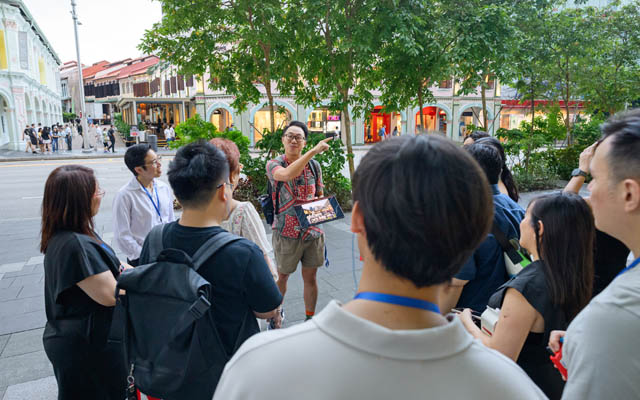
Grand Hyatt Singapore has introduced Stories of Orchard, a guided walking tour developed with urban heritage specialist Yong Min Ho, founder of The Urbanist Singapore.
Created to mark the hotel’s 55th anniversary, the experience traces Orchard Road’s transformation from plantation land to one of Asia’s best-known shopping and lifestyle districts, while highlighting Grand Hyatt Singapore’s role in the precinct’s evolution since opening in 1971.
Grand Hyatt Singapore’s Stories of Orchard walking tour explores the history, heritage and transformation of Orchard Road with urban heritage specialist Yong Min Ho
The tour begins at Grand Hyatt Singapore before exploring key locations along Orchard Road, including the nutmeg-inspired public artwork at ION Orchard, the Somerset area and Emerald Hill. Along the way, guests learn about the district’s colonial past, urban planning evolution and cultural heritage.
Participants also travel on Singapore’s MRT network and receive a commemorative NETS FlashPay card featuring commissioned artwork by local studio Ripple Root.
Guests can extend the experience with dining options at 10|Scotts or StraitsKitchen, while an overnight package, Grand Happy Hour Escape, combines accommodation with evening canapés and beverages at the hotel.
Amid geopolitical uncertainty and global instability, the Tourism Authority of Thailand (TAT) has outlined its latest tourism strategy at Thailand Travel Mart Plus (TTM+) 2026 under the theme Healing is the new luxury: Define your new luxury; discover unforgettable experiences.
The strategy places wellness and restorative travel at the centre of Thailand’s tourism offering through five pillars – Retreats, Rituals, Reels, Rhythms and Relations. TAT is positioning Thailand as a destination where travel supports well-being through nature, culture, hospitality, gastronomy, wellness and local connections.
TTM+ 2026 showcased Thailand’s regional diversity and growing focus on wellness-led travel experiences; photo by Anne Somanas
“Travellers are increasingly seeking destinations that offer comfort, balance, and peace of mind. Thailand provides meaningful experiences, genuine hospitality, and the healing power of nature and culture,” said TAT deputy governor for marketing Nithee Seeprae.
Nithee stated the strategy is being applied across markets and travel segments, with marketing campaigns tailored to different audiences while reinforcing the Healing is the new luxury message through storytelling and visual content.
TAT governor Thapanee Kiatphaibool said geopolitical uncertainty also presents an opportunity for Thailand.
“In times of global volatility, what tourists fundamentally desire – especially those travelling from longhaul markets – when they come to Thailand is something we can tangibly offer: safety,” she shared.
“Therefore, Healing is the new luxury situated within a ‘Safe Haven’ is our primary communication direction. In conjunction with Trusted Thailand, we are conveying that you will be safe here. You will be able to achieve a state of mind and experience genuine healing that truly rejuvenates you, healing both your body and your mind.”
Longhaul travellers are being targeted with experiences centred on transformation, escape and self-investment, while shorthaul markets are being promoted through food, entertainment and relaxation-focused breaks. Domestically, TAT’s collaboration with Lalisa “Lisa” Manobal under the Amazing Thailand x LISA Feel All the Feelings campaign links travel with emotion, contemporary culture and national pride.
TTM TALK 2026 also featured a medical and wellness tourism forum titled Thailand: Your Source of Healing Vitamins.
In addition, TAT is promoting Travel with Care as a responsible tourism initiative aimed at travellers seeking experiences that benefit destinations, local communities and the environment.
As of June 2, 2026, Thailand had welcomed more than 14 million international visitors, generating around 679 billion baht (US$20.6 billion) in tourism revenue.
TAT is targeting total tourism revenue of 2.65 trillion baht from domestic and international tourism in 2026, supported by an expected 33 million international arrivals.
TTM+ 2026 has attracted 429 international buyers, 428 Thai sellers and more than 70 international media representatives. Organisers expect the event to generate 15,408 business appointments and more than five billion baht in tourism revenue.
The event is taking place from June 10 to 12, 2026, at the NICE Pattaya Convention and Exhibition Center in Chonburi.


 He brings more than 16 years of experience in hospitality sales, marketing, business development and customer relationship management, and will lead the hotel’s commercial strategy, revenue growth and market positioning efforts.