Flash floods along the Nepal-Tibet border on August 26 damaged areas along the Trishuli River and halted the Kailash Mansarovar Yatra via Nepal, disrupting a key pilgrimage route for Indian travellers.
Indian tour operators reported immediate cancellations and postponements across leisure and religious itineraries, with the border closure causing the primary disruption.
“Indian tours and pilgrimage trips to Nepal have been significantly impacted due to flash floods in the Rasuwa region along the Nepal-Tibet border. The biggest impact right now is on the Kailash Mansarovar Yatra via Nepal. However, we are also seeing postponements of other tours to Nepal,” said K Vijay Mohan, managing director of Holiday World.
The disaster has also weighed on consumer sentiment in India.
“All tours and pilgrimages to Nepal have come to a complete halt and groups are asking for cancellations. There are no new enquiries for Nepal as people are in shock after seeing the scale of the natural disaster. Even some travellers who were planning to visit Kathmandu for gaming have cancelled their trips,” said Ashwani K Gupta, managing partner at Dove Travels.
The Rasuwagadhi-Kerung border served as the primary transit point into Tibet for the season, which usually runs through mid-October. Suresh Singh Budal, CEO of the PATA Nepal Chapter, highlighted its importance for tour operators before China issued border restrictions.
“It is the most accessible and affordable option, and the one most private Indian and Nepali tour operators rely on. Following the flash floods, the Chinese National Immigration Administration formally suspended the issuance of electronic border permits for Shigatse City, the administrative area covering Gyirong Port, on August 28. The notice is unambiguous: no new permits will be issued and those already holding permits have been advised not to travel there until a further announcement,” Budal said.
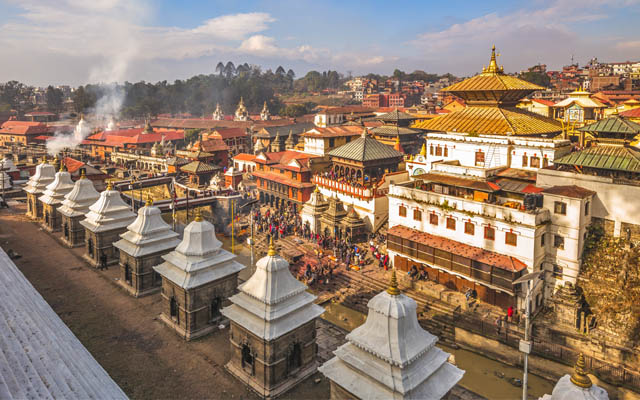
While departures via Rasuwa are paused, major Nepali pilgrimage sites such as Muktinath, Pashupatinath, Janakpur, and Lumbini remain open. Travel trade leaders expect core tourism circuits to recover quickly once safety perception stabilises.
“Kailash Mansarovar and Rasuwa are likely to face significant disruption with postponements expected. Kathmandu, Pokhara and Lumbini have not witnessed any major destination-level impact, although temporary cancellations may occur due to concerns around safety perceptions and connectivity. Other mainstream Nepal tour programmes are also likely to experience a short-term slowdown rather than a sustained decline in demand,” said Subhash Goyal, chairman of STIC Travel & Air Charter Group.
“Overall, once travellers are reassured about safety, demand from India is expected to recover quickly, given Nepal’s proximity, affordability and strong religious and cultural appeal,” Goyal added.
Anuj Singhal, founder of Travel Representation House India, stressed the distinction between defined flood zones and key tourist corridors.
“It is important to emphasise that the flood-affected areas are localised and geographically distant from Nepal’s primary leisure and pilgrimage corridors. Destinations such as Kathmandu, Pokhara, Chitwan and Lumbini remain operational, safe and accessible,” Singhal said, adding that trade education is underway to clarify that cancellations are largely limited to remote overland routes.
“For mainstream itineraries, we are actively re-educating our trade partners in India to help manage consumer perception,” Singhal added.