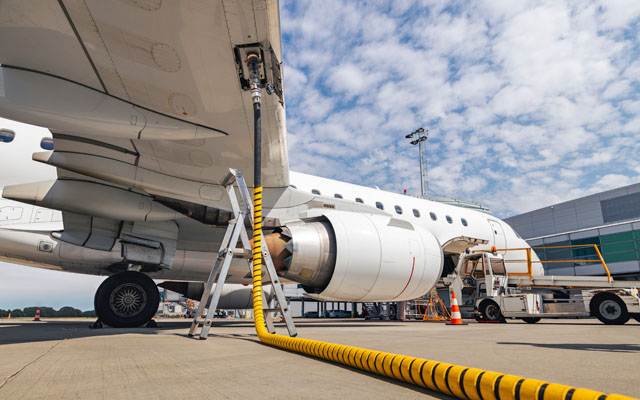
Airlines across Asia are adjusting fuel surcharges and fares as jet fuel prices rise sharply following the escalation of conflict in the Middle East, increasing cost pressure across the sector.
Singapore Airlines and its low-cost subsidiary Scoot have raised fares across their networks, while Cathay Pacific will increase fuel surcharges by 34 per cent from April 1 and review them every two weeks. The Hong Kong carrier said fuel accounted for about 30 per cent of operating costs in 2025 and warned that “if the steep increase of fuel costs cannot be effectively mitigated, we would not be able to sustain the effective operations of our network”.
The rise in surcharges reflects a wider industry response. According to IATA data, jet fuel prices reached US$197 per barrel in the week ending March 20, 2026, up from below US$100 a month earlier. Analysts note that aviation fuel has risen faster than crude oil due to tighter refining capacity and limited storage flexibility.
Budget carriers have also adjusted pricing. Cebu Pacific has increased fares by 20 to 26 per cent through May, while AirAsia X described its fare changes as temporary. Thai Airways has implemented increases of 10 to 15 per cent.
Airlines typically use fuel surcharges as an initial measure to recover costs before adjusting base fares.
The Indonesian National Air Carriers Association has called for a 15 per cent increase in fuel surcharges and a revision of domestic fare caps, citing higher fuel prices and currency weakness, reported The Jakarta Post today. Secretary general Bayu Sutanto said the situation has “significantly (contributed) to rising operational costs for national airlines”, with around 70 per cent of expenses denominated in US dollars.
The reliance on Middle East oil supplies has left Asia-Pacific carriers exposed. The Strait of Hormuz, which carries around 20 per cent of global oil supply, remains a key risk point, with most shipments bound for Asia.
While some airlines continue to hedge fuel costs, these programmes only partially offset price increases and often exclude refining costs. As a result, carriers are relying more heavily on surcharges to manage volatility while maintaining network operations, with further adjustments dependent on how fuel prices and supply conditions evolve.