The escalating conflict in Iran is already affecting the travel and tourism sector across the Middle East, with international visitor spending estimated to be falling by at least US$600 million per day, according to the World Travel & Tourism Council (WTTC).
The organisation said disruptions to air travel, traveller confidence and regional connectivity are affecting tourism demand across the region.
The Middle East accounts for about five per cent of global international arrivals and 14 per cent of global transit traffic. Disruptions in the region therefore affect a wide range of sectors including airlines, airports, hotels, car rental companies and cruise operators.
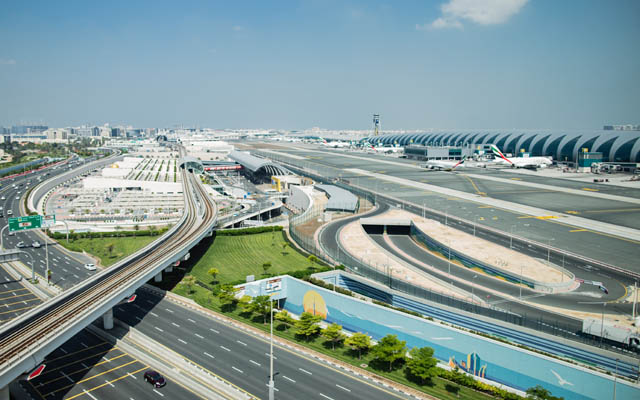
Major aviation hubs such as Dubai, Abu Dhabi, Doha and Bahrain, which normally handle about 526,000 passengers per day, have experienced closures and operational disruptions as the conflict escalates. These interruptions have affected both regional and global travel connectivity.
WTTC said its estimate is based on its 2026 pre-conflict forecast, which projected US$207 billion in international visitor spending across the Middle East this year.
Despite the disruption, the organisation said the travel and tourism sector has historically shown strong recovery following security-related crises.
Previous WTTC research indicates that tourism demand can recover within about two months when governments and industry take steps to restore traveller confidence.
“Travel and tourism is the most resilient of sectors. Our analysis of previous crises demonstrates that security-related incidents often see the fastest tourism recovery times, in some cases as quickly as two months, when governments and industry work together to restore traveller confidence,” said Gloria Guevara, president and chief executive officer of WTTC.
“Clear communication, strong coordination between the public and private sectors, and measures that reinforce safety and stability are critical to rebuilding trust with travellers and supporting the sector’s recovery.”
WTTC said it will continue monitoring developments and remains in contact with governments and industry leaders regarding traveller safety and sector recovery.