As Smiling Albino marks its silver jubilee, CEO and co-founder Daniel Fraser reflects on 25 years of redefining luxury “one inch off the map” – from gritty motor scooter adventures in northern Thailand to crafting off-the-grid journeys for billionaires, global CEOs and Hollywood royalty
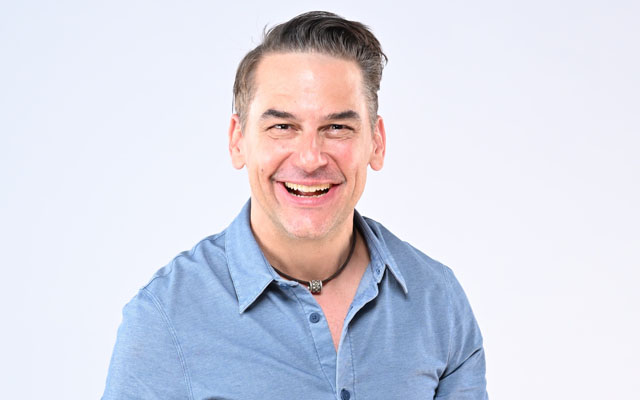
 You’ve been around for 25 years now. What do you think is one of the biggest shifts in the definition of luxury during that time?
Twenty-five years ago, luxury was mostly defined by big assets like opulent hotels and boats. That always interested us because our company was never interested in what guests do inside the hotel; we focused on what we could take them to do outside. Especially in the last decade, and particularly since Covid, people are spending far more time outside the hotel seeking luxurious, meaningful experiences. They want genuine street food experiences and unique local encounters that aren’t staged for photo ops, but rather involve participating in local culture alongside artists, conservationists, habitat preservers, and textile makers. True luxury is now about bespoke, unique experiences that your friends haven’t done and that cannot be simply bought on the internet. That’s exactly where Smiling Albino has always wanted to be.
How do you embrace sustainability while creating ultra-luxury experiences?
From day one, right up to day 9,500 – I count our journey in days, not years – sustainability has always been about people, communities, partnerships, and paying things forward. We asked our very first guides a naive question: “What do you want to be paid?”
We approached suppliers with a quality-first initiative, asking what they needed to be paid to be happy and fair, rather than demanding the lowest price we could get. In fact, I don’t think we negotiated a contract in our first 15 years. We wanted to know what the bicycle repair person actually needed, approaching the industry by asking what was best for everyone, including local people and partnerships.
While there’s talk of tension between sustainability and ultra-luxury travel, I see our trips as the ultimate contributor to sustainability. The economic footprint of an ultra-wealthy client’s trip trickles out to hundreds of people, going several suppliers deep into transport, food, crafts, and village traditions. Instead of a restaurant, we might hire an entire village to host and join us for lunch, hiring people to decorate the tables. We bring high-net-worth travellers into the real lives of Thai villages in Isan, remote Lao villages, and northern Vietnamese villages for massive economic impact. It’s never for staging purposes; it’s about genuinely celebrating and sharing local culture.
When did you start hosting billionaires?
About a decade ago. Ironically, when my great friend Scott Coates and I started Smiling Albino in 1999, our mission was entirely about going off the beaten track. We avoided Chiang Mai and Phuket, heading instead to remote parts of Chiang Rai, Mae Hong Son, and Isan. We literally drove 100cc motor scooters for five days to create highly original experiences away from the crowds. We biked, hiked, paddled, and visited monks in caves. Eventually, these gritty, immersive adventures became famous in higher circles. Wealthier travellers started asking us to arrange trips, but noted: “We’re not going to drive a scooter. We need a luxury van. We have a private jet.” By building authentic adventures, the wealthier clientele simply found us.
Where do these ultra-high-net-worth individuals stay?
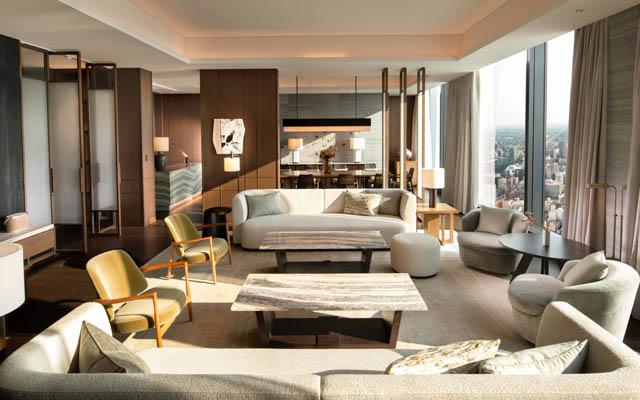
Naturally, we use the region’s top properties, from the Four Seasons to the Mandarin Orientals. We also utilise small private properties like Pa Sak Tong in Chiang Rai or the beautiful P’apiu Resort in the extreme north of Vietnam. But our greatest achievement over the last two or three years is convincing these guests to forego five-star accommodation entirely.
Exactly a year ago, we organised a seven-day Laos trip for a well-known international billionaire who is a James Bond-type character. We exclusively used charming three-star homestays and guest houses, booking them privately and elevating the spaces by adding customised lighting, fixtures, and design elements – all of which we left behind as gifts.
At the end of Covid, we even transformed a coffee shop in a highly remote part of Isan into a boutique hotel suite. We asked the family who owned it if we could upgrade the beautiful room in the back, bringing in our own linens, lamps, and shelves, which they found amazing. By focusing on comfort and happiness, we create luxury out of basic resources, allowing guests to open their doors directly to the kind of beautiful nature you can only access at remote guest houses.
Looking forward to 2030, what is the next big thing for Thailand’s tourism economy and the Smiling Albino experience?
I believe Thailand recognises the shifting global sands and will increasingly follow a quality-over-quantity model. I didn’t believe this 10 years ago, but I see the country shifting focus toward luxury, quality tourism today. I hope Thailand provides real investment incentives for secondary destinations to pull travellers away from Samui, Phuket, and Chiang Mai, taking them instead to places like Nan, Phayao, and Mae Hong Son. That is exactly what Smiling Albino will focus on. Our mission is to draw the world’s most discerning travellers to South-east Asia, cementing Thailand as the ultimate exotic destination for those willing to go entirely off the grid. We will continue pulling luxury travellers away from five-star hotels and massive city centres to create deeply meaningful, local experiences.