Preferred Hotels & Resorts has identified a set of travel trends expected to shape demand in 2026, based on findings from its Luxury Travel Report and insights from its global portfolio.
The research points to sustained interest in travel linked to major sporting events, historic settings and science-led wellness, alongside growing demand for nature-based experiences, distinctive hotel identities, pet-inclusive stays and smaller-scale experiences at sea.
Sport moves centre stage in travel planning
Major sporting events such as Formula 1, the FIFA World Cup and the Olympics continue to attract international travellers, with sports tourism playing a more defined role in trip planning. Hotels are increasingly combining accommodation with access to live events and related services. In the US, some city hotels are offering short stays paired with premium seating at professional basketball games, lounge access and private transfers. In India, palace hotels are opening access to historic polo tournaments, including match viewing, opportunities to meet players, riding experiences, traditional dining and spa treatments linked to local heritage. Elsewhere, properties in major football cities are developing tailored packages around international tournaments, supported by on-site coordination, pre-match events and customised arrival services.
Heritage is the new frontier
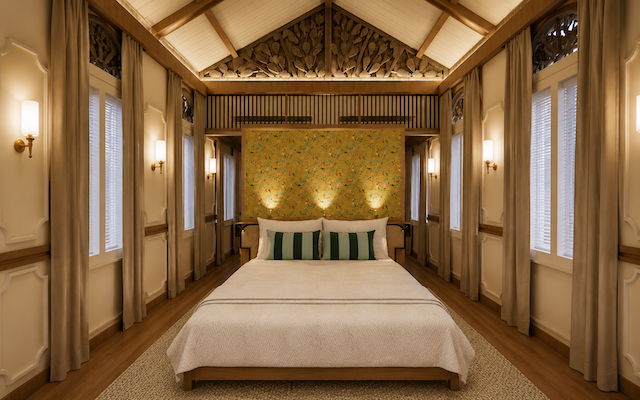
According to Preferred Hotels & Resorts’ Luxury Travel Report, more than nine in 10 luxury travellers want historic elements integrated into their trips. This is reflected in hotel openings planned for 2026, many of which focus on restoring historic buildings for contemporary use. Several new openings in 2026 will centre on restored historic buildings, including early 20th century city properties, centuries-old palazzi and late 19th-century mansions in established cultural centres.
Rise of cognitive wellness
Wellness travel is increasingly shaped by scientific and medical approaches, with retreats combining technology-led assessments and treatments with established wellness practices. Often described as cognitive wellness, this approach focuses on longer-term health rather than short-term relaxation. Programmes are becoming more personalised, drawing on data such as genetic profiles, sleep patterns and stress indicators. In North America, some resorts now offer touchless therapies, hyperbaric oxygen sessions, red-light therapy, dry flotation and IV infusions aimed at recovery and immunity. In northern Europe, urban hotels are introducing sleep clinics that use targeted nerve stimulation to support rest. In the Alps, wellness programmes are combining Eastern wellness principles with technology-based interventions.
Breaking free from the beige
The Luxury Travel Report by Preferred Hotels & Resorts found that 83% of luxury travellers believe they can identify when a hotel is designed for mass appeal rather than individual character. The company refers to this uniformity as “beige-ification”. In response, some hotels are placing greater emphasis on local design, craft and culture. In North Africa, a resort draws on regional architecture and community-based experiences to reflect its setting. In Central America, a coastal retreat incorporates locally inspired décor alongside activities such as horseback riding, surfing and spa treatments. In Asia, a city hotel integrates national cultural references across its design, dining and guest programming. Properties described as “defying the beige” will be highlighted during Independent Hotel Week, running from January 26–30, 2026.
Pawsome adventures
Pet-inclusive travel is extending beyond basic accommodation policies to include more structured services for animals. Preferred Hotels & Resorts’ Preferred Pets programme includes features such as pet beds, bowls, toys and in-room dining menus. At large destination resorts, facilities may also include pet boarding, grooming and on-site veterinary services. In major cities, some hotels are collaborating with luxury brands on pet-related products. In Asia, urban hotels are offering services such as private dog parks, walking guides, pet sitting, grooming and prepared treats.
Communing with nature
Nature-based wellness experiences are becoming a core part of hotel programming, with activities such as forest bathing, outdoor meditation and barefoot walking. These experiences reflect wider interest in slower travel and time spent outdoors. In California wine regions, some resorts are offering guided sessions aligned with lunar cycles, combining breathwork, reflection and intention setting. In Mexico, nature-led programmes may include barefoot walks through botanical gardens followed by time by the sea, with rest periods and light refreshments included.
A shift to intimate seacations
Seacationing is evolving through smaller-scale experiences that contrast with large cruise ships. In Egypt, new Nile cruise offerings are focusing on limited cabin numbers, onboard dining, lounge areas, small pools and wellness facilities, with itineraries operating between Luxor and Aswan. In East Asia, a resort model based primarily on land is also incorporating sea excursions such as whale watching and private yacht trips, alongside supervised maritime activities for younger guests.
The report can be viewed here.