Rural areas in Japan gain traction with international visitors as authorities and businesses push for more balanced tourism
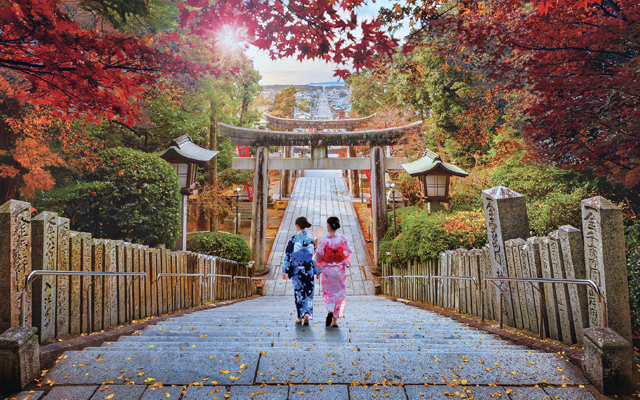
International visitors to Japan reached a record high of 36.9 million in 2024, a 47.1 per cent increase year-on-year, according to the Japan National Tourism Organization.
The growth was welcomed by the trade, but much of the country did not benefit, as approximately 70 per cent of visitors stayed in the three major metropolitan areas, according to the Japan Tourism Agency (JTA), fuelling concerns of overtourism in Kyoto and Tokyo.
Still, there are signs that tourism is being redirected to lesser-known areas, supporting more sustainable tourism development.
JTA data indicates that inbound visitors are increasingly interested in regional destinations, with 5.8 million guest nights recorded in January 2025 – a 49 per cent increase year-on-year, representing 31 per cent of all international visitor stays. This follows December 2024, which saw a 33 per cent year-on-year rise, equating to 34 per cent of all international guest nights.
These results follow years of efforts, including collaboration among the JTA, Japan Sports Agency and Agency for Cultural Affairs to promote regional destinations with sporting, cultural and artistic assets. Examples include Hokkaido, with its winter sports, Ainu culture and heritage sites.
The JTA has also been expanding gastronomy tourism through food tours and experiences, such as those in Nara – a heartland for sake and matcha – which trialled guided tours in 2023 and 2024 with JTA support.
The private sector is also working to drive more traffic to rural areas. In 2024, Japan Airlines and Hoshino Resorts launched a joint campaign to promote hidden gems via a themed search website, featuring categories such as “winter wonderland” and “festive fun”. DMCs have also developed off-season regional activities, including sake brewery tours and culinary experiences.
Public and private sectors are investing in Japan’s adventure travel segment, which is largely rural, with new projects and training to build human resources.
In 2024, prefectures outside major metropolitan areas that saw the sharpest increase in total bed nights compared to 2019 included Ishikawa (up 29 per cent), Tochigi (25 per cent), Fukuoka (14 per cent), and Hokkaido (13 per cent).
Hiroyuki Sato, a 30-year travel industry veteran, attributes rising interest in Ishikawa and neighbouring Gifu to their “authentic cultural experiences”, which are especially popular with Western visitors, and the “convenient transport links” from Tokyo and Kyoto.
Fukuoka, meanwhile, is becoming more popular with Asian markets, “thanks to both its geographic proximity and diverse food culture and nightlife”, he said.
Tochigi’s growth is supported by the arrival of international hotel brands such as The Ritz-Carlton, Fairfield by Marriott, and Hoshino Resorts. Hokkaido has gained momentum from several new Ainu-related attractions; new ski slopes, gondolas and luxury accommodation in Niseko; a new national park; and Japan’s newest long-distance trail.
These high-performing regions are seeing further investment. Fukuoka Airport, for instance, added a second runway in March and will open a large-scale commercial complex in 2027.
Sébastien Duval, business development manager at Japan Travel, predicts rural destinations will continue to grow in popularity, partly due to overcrowding and rising hotel prices in major cities. He noted that luxury travellers may seek countryside stays for tranquillity and spend fewer nights in Kyoto.
However, “travel agencies lack skilled guides to dispatch as full-time assistants serving as an interface at such destinations”.
Should popular destinations worry about losing travellers to emerging parts of Japan?
Duval believes that “well-established destinations” have nothing to fear.
Sato agreed, adding: “Redistribution of visitor flow (from Kyoto) to neighbouring areas such as Shiga and Nara may reduce pressure on Kyoto and, in turn, enhance the overall quality of the visitor experience. Rather than acting as competitors, these emerging destinations may be seen as complementary to existing ones.”
Hiroshi Kurosu, chief researcher at JTB Tourism Research and Consulting expects direct flights and proximity to more quickly attract Asian visitors deeper into Japan.
Sato added that lesser-known regions would likely rely on an increase in repeat visitors than Westerners who “still regard Japan as a once-in-a-lifetime destination”.