 What are the core themes of MTF 2026 and how were they identified in response to current regional tourism trends?
The theme of MTF 2026 is Tourism for People, Travel with Purpose. It reflects a growing shift in tourism towards more meaningful, responsible and experience-driven travel. Beyond visitor numbers, we want to focus on how tourism can support local livelihoods, preserve living culture, create opportunities for communities, and strengthen connections between people and places.
The programme was designed around these priorities, while also addressing current industry topics, such as inclusion, community-based tourism, connectivity, workforce development and destination marketing.
What is the positive impact of hosting MTF in Myanmar for the local tourism sector and for broader regional cooperation within the Greater Mekong Subregion (GMS)?
For Myanmar, we hope MTF can shine a spotlight on the people behind tourism – communities, guides, artisans, small businesses and hospitality workers whose livelihoods depend on the sector.
For GMS, hosting MTF in Yangon helps keep regional dialogue, professional exchange and cooperation moving forward. Tourism has always been built on people-to-people connections, and we believe destinations facing challenges should remain part of the regional conversation rather than be left behind.
How are you addressing concerns from industry stakeholders who may be hesitant or considering boycotting the event due to Myanmar’s political situation?
We understand these concerns and respect that different organisations may make different decisions. From MTCO’s perspective, MTF is a tourism cooperation platform, not a political one. Our focus is on dialogue, professional exchange and the people whose livelihoods depend on tourism.
We believe it’s possible to acknowledge the challenges while still supporting responsible engagement that benefits local communities, small businesses, workers and cultural practitioners. Ultimately, our focus is on people, livelihoods, culture and meaningful exchange.
How can tourism platforms like MTF serve as a bridge for dialogue, livelihoods and people-to-people connection in times of political tension?
Tourism cannot solve political challenges, but it can help maintain dialogue and connections between people. One of the strengths of platforms like MTF is that they bring together tourism stakeholders from different countries, sectors and backgrounds to exchange ideas, share experiences, and learn from one another.
In times of uncertainty, these professional and personal connections become even more important. They help build trust, encourage understanding and keep channels of cooperation open. In that sense, tourism can continue to play a valuable bridging role, even when broader circumstances are challenging.
How important is it for the regional tourism industry to maintain engagement with destinations facing challenges?
Regional tourism cooperation is important in normal times, but it becomes even more important when some destinations are facing challenges. Through regional platforms and joint initiatives, member countries can continue to benefit from knowledge sharing, capacity building, destination marketing and professional exchange.
Maintaining engagement doesn’t mean ignoring challenges. It means staying connected, supporting one another and finding practical ways to strengthen tourism resilience. In the Mekong region, our countries are closely linked, and cooperation helps ensure that no destination faces challenges entirely on its own.
How would you define success at this year’s MTF?
Delegates leaving Yangon with new ideas, stronger professional connections and a deeper understanding of how tourism can create a positive impact for local people. I also hope participants will be inspired by the diversity of voices featured at MTF, from community tourism practitioners and social entrepreneurs to youth representatives, disability inclusion advocates, women leaders and experts from across the Mekong region.
If delegates leave with a greater appreciation of the people, cultures and tourism realities of Myanmar and the wider Mekong region, I would consider that a meaningful success.
What key outcomes or commitments are you hoping attendees will take away?
I hope delegates leave with practical ideas they can apply in their own destinations. This could be a new approach to destination marketing, a stronger understanding of changing traveller behaviour, a fresh perspective on community-based tourism, or new ways to support inclusion and living culture through tourism.
I also hope the forum encourages more collaboration across sectors and borders. Ultimately, success would be if participants leave not only inspired, but with concrete ideas, partnerships or actions they can take forward after returning home.

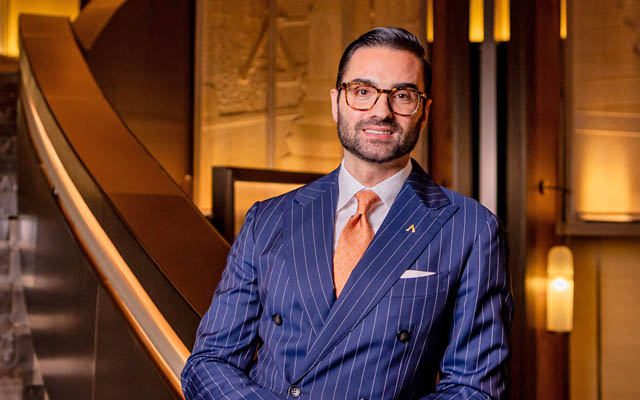
 Previously, he was director of operations at Conrad Osaka. This marks his first general manager role within Hilton and a return to Conrad Bangkok, where he began his career with the brand.