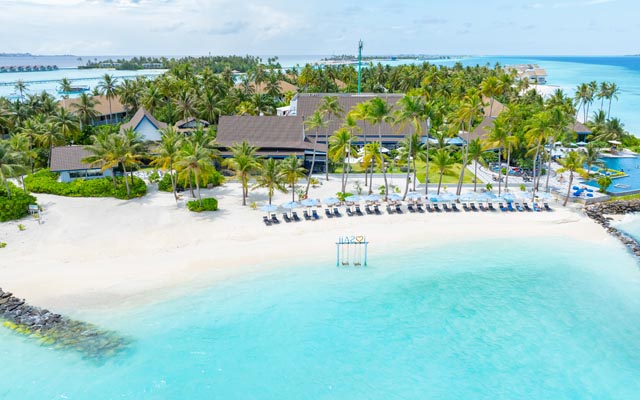
Melia Hotels International is riding the momentum of a surging interest in all-inclusive resorts to bring its Paradisus by Meliá brand to Asia. Taking over the former Meliá Bali in Indonesia, the new Paradisus by Meliá Bali seeks to provide travellers with “convenience and confidence in what they’re paying for”.
In an interview with TTG Asia, Eduardo Perera, general manager of Paradisus by Meliá Bali, noted that while interest in all-inclusive resorts is growing, options remain limited in Asia, especially at the luxury end.

“That presents a real opportunity for Paradisus to introduce a more elevated and experience-driven version of all-inclusive in the region,” said Perera.
According to Perera, Meliá Hotels International has vast experience in the all-inclusive holiday product across the Caribbean and Europe.
“We understand both the operational complexity and the expectations that come with the model. What differentiates Paradisus is that it moves beyond the traditional perception of all-inclusive as simply meals and drinks bundled together. With our patented Destination Inclusive concept, the guest experience transforms the traditional resort holiday into a true gateway to cultural discovery and immersion,” he explained.
At the Bali property, this concept is brought to life through locally inspired cuisine, cultural and wellness programmed as well as curated offsite experiences for guests in the premium categories.
“We are also introducing a dedicated wellness pillar focused on biohacking and longevity, alongside daily practices such as yoga, breathwork and meditation, which naturally align with Bali’s identity. The experience is underpinned by our Mediterranean essence and Spanish warmth, blended with the sincerity and hospitality of the island,” he added.
For the company, the launch of Paradisus by Meliá Bali is “both a strategic and symbolic move”.
The transformation of Meliá Bali into Paradisus by Meliá Bali signalled the “next stage of our growth” as well as the arrival of the all-inclusive brand in the region.
While the product has started to welcome guests, Perera said there is still much work to be done.
“We see this as a long-term positioning strategy rather than a short-term launch moment,” he remarked. “From a commercial standpoint, building awareness is key. Because the luxury all-inclusive model is still developing in Asia, we are placing strong emphasis on trade education and partnerships to clearly communicate what the product includes and how it differs from more conventional resort offerings.”
Paradisus by Meliá Bali will take a balanced approach to its market mix, with an initial focus on markets already familiar with the all-inclusive concept to gain a strong start.
South-east Asian markets are next on the agenda, as travellers from the region are “increasingly seeking shorter, wellness-led escapes that require minimal planning, and the all-inclusive format lends itself well to that demand once the proposition is clearly understood”.
Perera emphasised that the resort has been intentionally designed to cater to different segments. For couples and adults seeking privacy, The Reserve offers a dedicated adults-only environment with its own rooms, pool and beach areas, as well as exclusive dining spaces. For families, the Family Concierge concept provides tailored suites, dedicated check-in, and family-focused amenities, alongside facilities such as the Aquazone water park and Teens Club.
Private villas, complete with personalised service, are ready for guests expecting a high-end stay.
Paradisus by Meliá Bali has also kept high-end corporate incentive groups in mind – there are eight meeting rooms, a grand ballroom, flexible outdoor event spaces, and eight restaurants on property that welcome a range of gatherings.
Facilities are carefully designed with zoning in mind, allowing corporate groups to operate with privacy and focus, and without disruptions to other leisure guests.