South Africa is intensifying efforts to narrow a significant tourism gap with Indonesia, shifting its focus towards strategic repositioning and streamlined access.
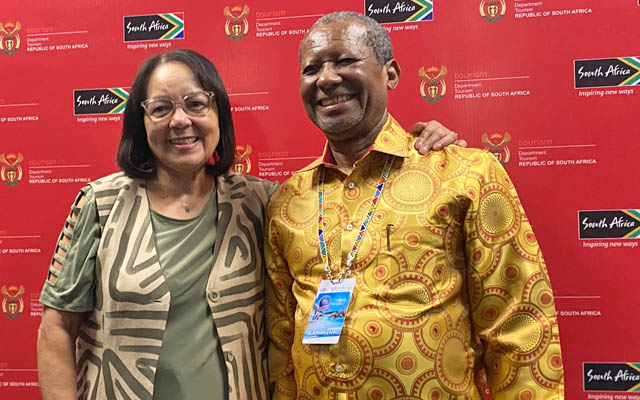
Speaking at the ASTINDO Travel Fair 2026, Patricia de Lille, South Africa’s minister of tourism, noted that while 30,000 South Africans visited Indonesia in 2025, only 3,000 Indonesians travelled in the opposite direction.
“That gap shows the opportunity. Our task now is to convert interest into actual arrivals,” de Lille said, describing Indonesia as a high-potential source market.
To support this growth, the ministry has prioritised simplifying travel logistics by removing bureaucratic hurdles. The long-standing challenge of visa access has been addressed through an Electronic Travel Authorisation (ETA) system, allowing Indonesian visitors to apply online and receive approval within 24 hours. De Lille noted that “the process is now digital, simple and fast”, adding that easier entry forms the foundation of a broader strategy to position South Africa as a premier Muslim-friendly destination.
This cultural positioning draws on a 350-year historical connection rooted in the Cape Malay community and the legacy of Imam Yusuf Makassar, an Indonesian religious leader who founded South Africa’s oldest mosque.
“We share a historical connection through Islam… That history continues to shape everyday life in South Africa in ways that Indonesian travellers can relate to,” de Lille explained.
To reinforce this bond, South Africa is exploring the development of a Muslim-friendly safari lodge in Kruger National Park, incorporating prayer facilities and halal dining into the wilderness experience.
Beyond the traditional safari offering, the destination is also seeking to showcase its cultural, historical, urban and adventure experiences to broaden its appeal.
Neliswa Nkani, Tourism South Africa’s hub head for the region, told Jakarta outbound travel agents during a workshop that more than 3,000 adventure activities are available, ranging from whale watching to bungee jumping.
Nkani also highlighted the country’s culinary diversity: “Durban is also known for curry. They are the best curries in South Africa.” New attractions such as the Kgodumodumo Dinosaur Interpretation Centre – which attracted 80,000 visitors in its first six months – further diversify the itinerary for history and science enthusiasts.
Despite these varied offerings, a key challenge remains overcoming perceptions around cost and modernisation. Lily Candakusuma, CEO of Cemara Tour and Travel, said South Africa often surprised visitors: “South Africa is not like what people think about Africa. It is modern, and feels like a Western country.”
While some travellers may opt for Europe due to budget concerns, Nkani argued that the rand’s favourable exchange rate against the rupiah makes local activities highly affordable, often costing less than US$5.
To address awareness gaps, South Africa plans to roll out targeted digital campaigns aimed at millennials and families unfamiliar with the destination.
Although direct flights remain limited, de Lille confirmed that discussions are ongoing with global carriers to improve connectivity via hubs such as Singapore and Kuala Lumpur.
By combining easier digital access with a culturally resonant narrative, South Africa aims to transform its longstanding historical ties with Indonesia into a modern tourism partnership. – additional reporting by Mimi Hudoyo