A national push is underway to uncover new destinations and launch fresh experiential products, all while embedding sustainability and safety practices into every layer of its offering

The Philippines’ focus on new destinations and experiences is driving an exciting, vibrant evolution in its inbound tourism, successfully refreshing the country’s global appeal, allowing it to shine and increase its competitive edge among regional neighbours.
The industry’s embrace of responsible tourism is translating into action, showing a strong national commitment to sustainability, safety, and security, thus protecting its natural and cultural assets for future travellers.
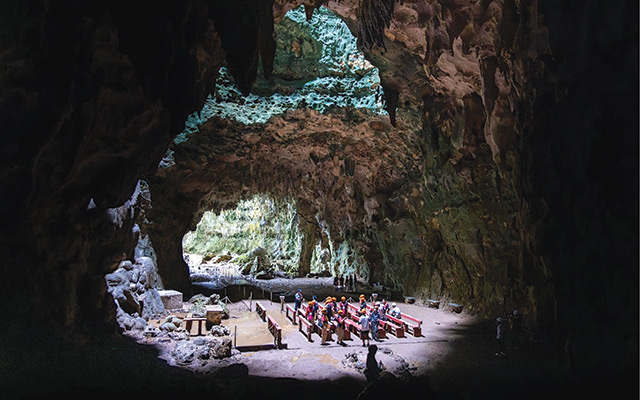
To expand traveller interest beyond the popular spots – Boracay, Cebu, Bohol, and Palawan – and the standard sun, sea, and sand offerings, the Department of Tourism (DoT) and the private sector are actively collaborating to discover new destinations and develop a variety of fresh tours and products.
One way the DoT is showcasing its new offerings is through the Philippine Experience Program (PEP). Its initial efforts included completing 12 tourist caravans that showcased 32 provinces, 31 cities, and 51 municipalities nationwide. These immersive journeys – covering living cultures, history, heritage, arts, and wellness – are now available as DIY itineraries and packaged tours through tour operators, NTOs, and digital booking platforms.
Philippine Travel Agencies Association’s executive vice president, Jaison Yang, said: “We recently organised a fam tour to Zamboanga and Basilan in Mindanao, regions historically known for conflict and unrest. For the first time, an NTO visited these areas, allowing our members to witness first-hand the significant progress the government has made in restoring peace and establishing readiness for tourism.”
At press time, Yang shared that there is an ongoing fam tour to Batanes, the northernmost part of the country, which he said had “breathtaking beauty, rolling hills, and the distinct culture of the Ivatan people”.
The PATA Philippines Chapter is also actively supporting the revival of tourism at Pagsanjan Falls, a major tourist attraction before the pandemic, and the surrounding towns of Pagsanjan, Cavinti, and Lumban.
According to chairman Pat Alberto, PATA Philippines is working to revitalise the towns’ tourism by providing tangible support. They have donated boats for the rapids guides, established an education scholarship, and are promoting local handicrafts and flavours through the creation of new tour itineraries.
As for Gregor Zajc, general manager of Blue Horizons Travel and Tours, his company is shining the spotlight on natural destinations, such as the Barracuda Lake in Coron, Palawan, where divers can experience descending through alternating hot/cold layers of fresh and saltwater. Another is Suyac Island in Negros Occidental, celebrated for its pristine surroundings and successful community-led conservation.
Over in Manila, when asked for his thoughts on responsible tourism, Nils Rothbarth, general manager of Lanson Place Mall of Asia told TTG Asia: “Lanson Place has been thoughfully-designed from the building phase onward, using materials that help maintain climate concerns, keep costs and emissions to a minimum, and feature insulated, sun-reflecting windows and the latest technology in air conditioning and building management systems.”
The hotel is currently preparing for its audit for the Green Key Certification, an internationally-recognised sustainability accreditation issued by the Foundation for Environmental Education.
Cebu, already a top national destination and set to host the 2026 ASEAN Tourism Forum, is not resting on its laurels.
The province has launched new destinations and activities that extend beyond the city into lesser-known regions. These include sightseeing, gastronomy, and heritage tours of Argao and Liloan. For adventure seekers, offerings now feature hiking to Osmeña Peak, a jungle walk to Mainit Hot Spring in Malabuyoc.
Demonstrating leadership in responsible tourism, 14 Cebu hotels have secured A-grade sustainability ratings from the US-based Lever Foundation. Their commitment includes transitioning 30 to 50 per cent of their menus to plant-based options by end-2025.
While responsible tourism usually emphasises environmental factors (like reducing carbon emissions, managing food waste, and conserving energy), other components are equally vital. Demonstrating this broader commitment, the local government of Bohol has proactively halted all whale shark feeding and interaction activities in three municipalities pending further environmental assessments.
With air travel essential for connecting the Philippine archipelago, airports are also playing their part in promoting destinations across the country.
Clark International Airport is actively marketing Clark to international travellers. Simultaneously, Aboitiz InfraCapital Laguindingan Airport Corp. (ALAC) has forged a partnership with the Tourism Promotions Board and Philippine Airlines to successfully reintroduce Bukidnon and Cagayan de Oro (CDO) to top DMCs for community-based tourism.
“While parts of Mindanao have faced caution from travellers due to past security concerns, not all areas reflect this reputation. Areas like Bukidnon and CDO are known for their relatively safe environments, captivating natural landscapes, rich cultural diversity, and unique traditions, giving them tremendous tourism potential,” an ALAC spokesperson said.