Brisbane Airport has become Australia’s first airport to achieve net zero emissions (scope 1 and 2), allowing passengers using the facility to rely on 100 per cent renewable-backed electricity generation.
Scope 1 are direct emissions from sources that are owned or controlled by the organisation, while Scope 2 are indirect emissions released into the atmosphere from the use of purchased energy.
“We are proud to have achieved this milestone. As a sustainability leader, we take our role in reducing our impact on the environment very seriously,” said Brisbane Airport chief executive officer, Gert-Jan de Graaff.
“But there is far more work to be done. We know the most significant source of emissions comes from aviation fuel used by our airline partners. It’s why we continue to represent all airports on the Australian Jet Zero Council, and support research undertaken at Brisbane Airport by Stralis which is developing a hydrogen-electric aircraft, with a test-flight planned for this year.”
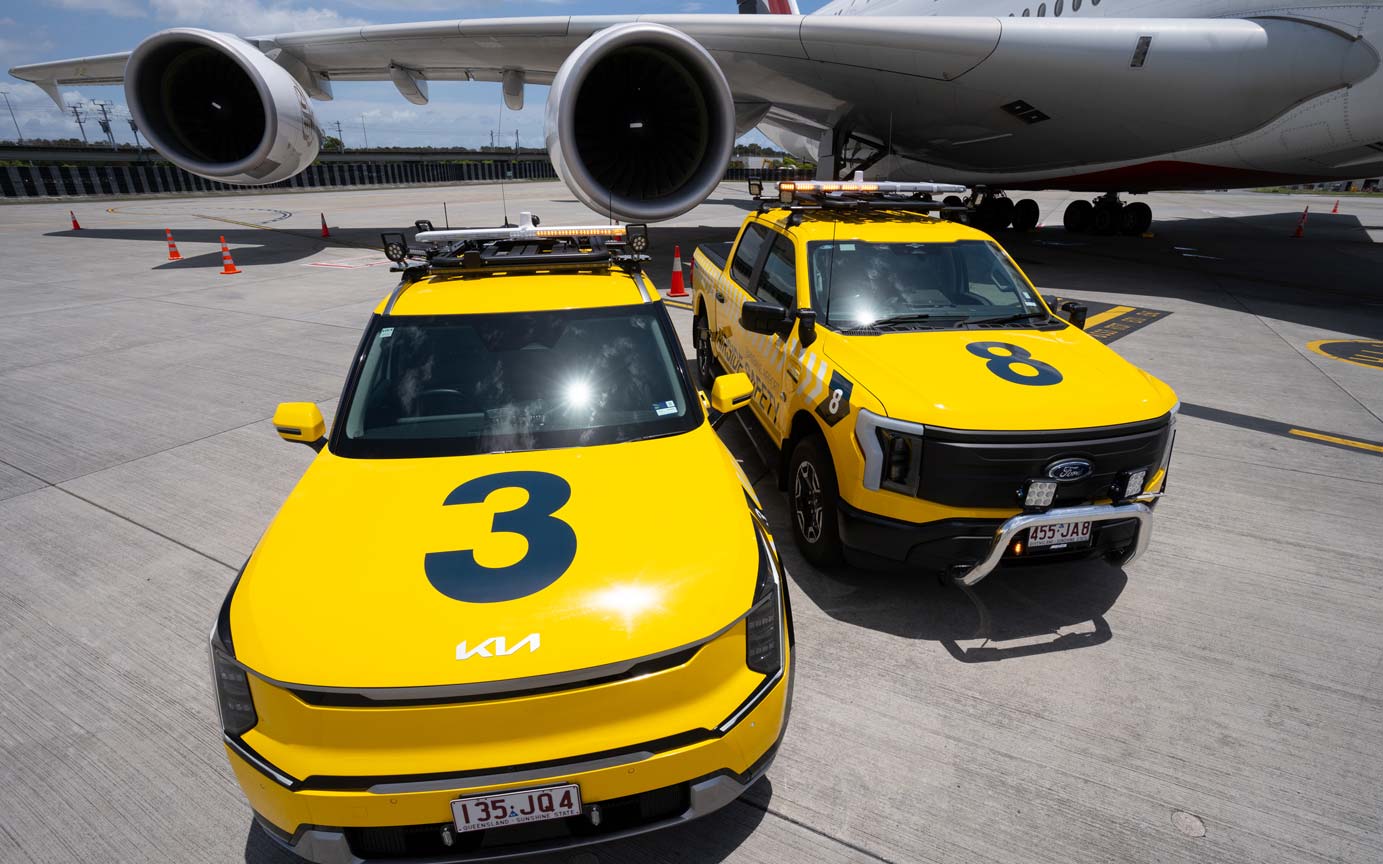
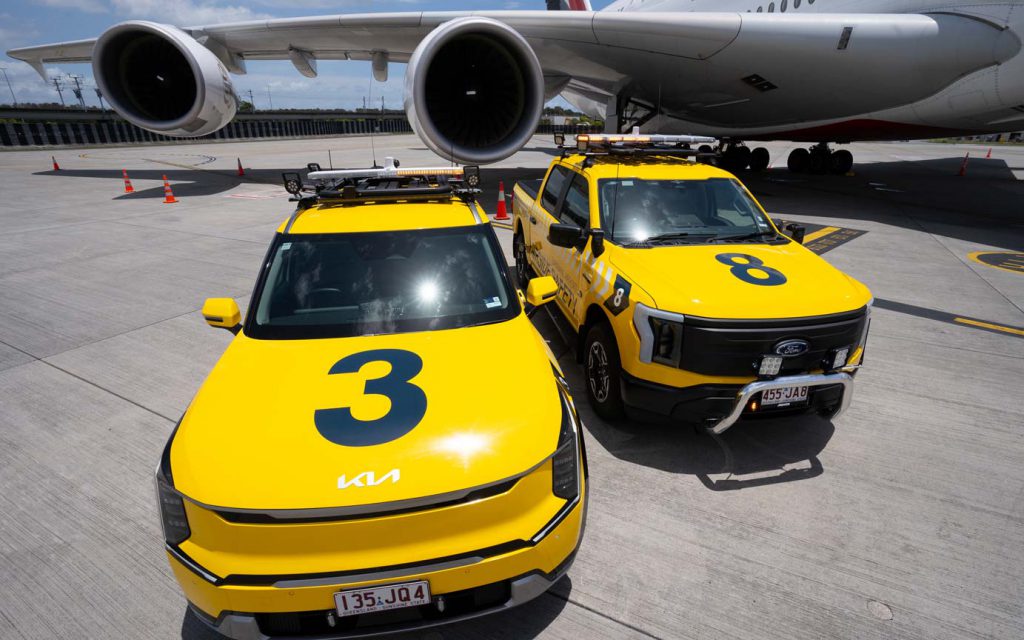
Brisbane Airport Corporation has reduced its scope 1 and 2 emissions by 97 per cent through the purchase of 100 per cent renewable electricity generation from Stanwell, a Queensland-based wind farm and solar energy provider; expanding onsite solar to 10MW; and replacing 24 traditional internal combustion engine fleet vehicles with electric powered vehicles.
The remaining 3 per cent of emissions have been offset through native bush regeneration projects in southwest Queensland via Tasman Environmental Markets.
Renewable power on facility is used to “operate everything”, from check-in systems, baggage conveyors, air conditioning, departure screens, escalators, electric ground services equipment, right through to the runway lights that guide aircraft safely into the sky, detailed de Graaff.
Commenting on the achievement, Queensland treasurer and energy minister David Janetzki, said: “This strategic partnership demonstrates demand for Queensland’s high quality renewable energy as we shift to a reliable, affordable and sustainable energy system.”
Stanwell CEO Michael O’Rourke recalled that Brisbane Airport was the company’s first customer for its renewable energy pipeline when a deal was inked in 2022.