Blessed Yacht Charters has put a new Meridien 391 Power Boat Cabin Cruiser into the waters, ready to take holidaymakers and corporate groups around Singapore waters.
The 13m-long vessel, currently berthed at Marina At Keppel Bay, offers two air-conditioned cabins, a fully-equipped galley with refrigerator and microwave oven, a karaoke room with good sound system, and a flybridge at the upper deck that offers panoramic views and a spacious lounge.
It is good for small groups of 18 guests.
Floating mats, kayak, paddle boards, floats, fishing rods with artificial baits come part of the recreation package. Guests can charter the vessel for sailings to Lazarus Island or along Marina Bay to take in the city skyline.
Charter packages are priced at S$850 (US$625.40) for a four-hour block on a weekday, between 08.00 to 22.00, and at S$1,200 for weekends.
Guests can bring their own food and drinks at no extra charge.
Blessed Yacht Charters also provides BBQ pit rental and photography services at additional charges.
Contact info@blessedyacht.com for more information.
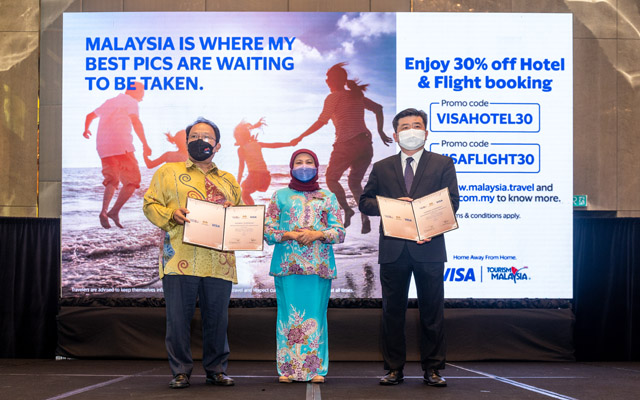
Visa has entered into a long-term partnership with Tourism Malaysia to support its efforts in promoting the country as a preferred travel destination and drive stronger tourist receipts from both domestic and international markets.
The partnership involves the launch of the Visa Preferred Merchant (VPM) programme, which gives Visa cardholders access to exclusive offers for accommodation, air tickets, dining, shopping and medical wellness. The VPM programme will be available to both domestic and international travellers during identified tourist travel seasons through the websites malaysia.travel and visa.com.my.
From left: Tourism Malaysia’s Zainuddin Abdul Wahab, Sri Hajah Nancy Shukri and Visa Malaysia’s Ng Kong Boon
Aligned under Tourism Malaysia’s Strategic Plan 2022-2026, Tourism Malaysia and Visa will kick off a collaborative domestic travel campaign, which sets out the NTO’s strategies and priorities up to 2026 to achieve a successful and sustainable tourism industry.
During her speech at the Memorandum of Collaboration signing ceremony on March 31, minister of tourism, arts and culture, Nancy Shukri, said: “We are delighted to reunite with Visa as a preferred payment partner and launch the Home Away from Home campaign. I believe that through this partnership, Tourism Malaysia will be able to leverage Visa’s analytic capabilities, which can be beneficial to improve tourists’ experiences in Malaysia.”
In 2019, Malaysia welcomed 26.1 million international tourist arrivals and recorded a total expenditure of RM$86.1 billion (US$20.4 billion). The top three purposes of expenditure were shopping, accommodation and F&B –all of which made up RM$61 billion in tourism receipts.
This year, Malaysia is aiming to attract two million international tourist arrivals, with a target of RM$6.8 billion in tourism receipts.
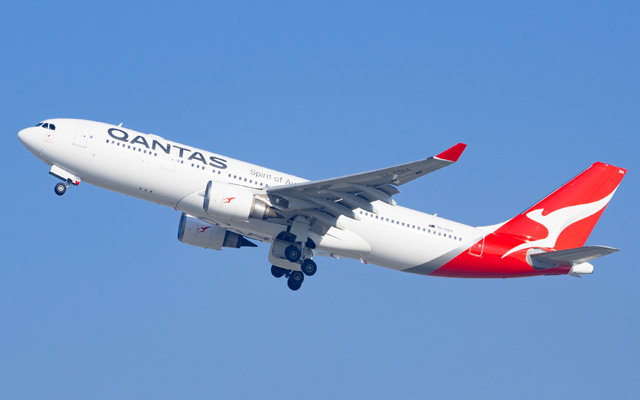
Los Angeles, CA- 8 Dec 2021: A Qantas A330 departing Los Angeles International Airport heading back home to Australia.
Qantas commenced Darwin-Dili services yesterday, making it the first new ongoing international route from Darwin since 2008 and first international operation on the E190 aircraft.
With Dili just over an hour’s flight from Darwin, passengers from Timor-Leste can seamlessly transfer through Darwin to Qantas Group’s extensive domestic and international network to travel to other parts of Australia, and the world.
Qantas has commenced Darwin-Dili services
During the pandemic when international borders were closed, Qantas temporarily operated weekly flights between Darwin and Dili in partnership with the Australian government to maintain critical passenger and freight links.
For a start, three return flights will operate each week, and the service will be ramped up to five from July.
QantasLink COO Petrea Bradford, who travelled on the inaugural flight, said the national carrier’s new service would help strengthen the deep connection between Australia and Timor-Leste.
“After two years of closed borders, this new route is a key part of Qantas’ focus on rebuilding connectivity in the region for businesses, families and freight,” she added.
Qantas Group recently announced the E190 base in Darwin, creating more than 90 new local aviation jobs and servicing key QantasLink routes from the Northern Territory capital across Australia. This week also saw Cairns and Townsville added as two new domestic routes from Darwin.
Bali tourism players are heaving a sigh of relief as border restrictions ease along with Jetstar Australia’s progressive resumption of services to the resort island, facilitating the return of their top source market.
Australia was Bali’s top performing source of arrivals in 2019, with 1,245,410 footfalls on record. In that year, Bali attracted 90 per cent of Australian arrivals to Indonesia. Australia is also second after Europe in terms of arrivals to Indonesia.
Montal: This marks an important milestone for Bali towards economic and tourism and travel recovery
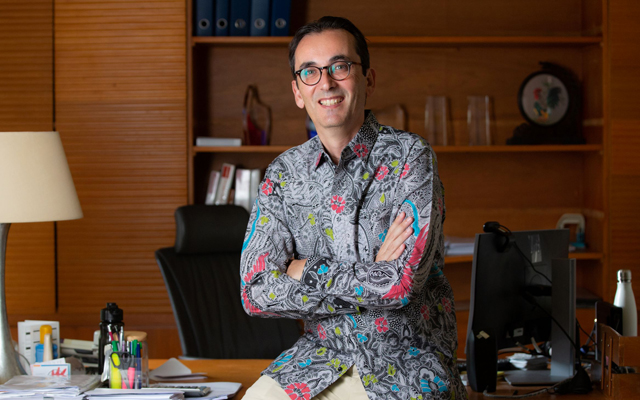
Oriol Montal, general manager of the Westin Resort Nusa Dua and Bali International Convention Center, told TTG Asia that the latest development “means so much to Bali and her people, as this marks an important milestone for Bali towards economic and tourism and travel recovery”.
“For almost two years, Bali has been anxiously awaiting the return of International travellers and we are thrilled that the day finally came,” he added.
At the Westin Resort Nusa Dua and Bali International Convention Center, the leisure market from Australia is currently outpacing that of business events. However, he expects business travel demand to follow soon, as enquiries for events are coming in. Pre-pandemic, Australia was among the property’s top three markets.
Gede Suteja, cluster general manager of COMO Shambala Estate and COMO Uma Ubud, has seen a significant change in international room reservations for the first time since the pandemic hit in 2020. Bookings pace picked up in March, and sped up towards April.
“For the first time, we see a real hope that Bali tourism will recover,” Gede remarked, adding that Australia is among his top three markets and is “extremely important for our business”.
“It can potentially be the first international market to return to COMO Bali,” he said.
Bali’s reopening and returning airlift has prompted many last minute bookings from international markets, observed Eugene Feklistov, cluster director of sales and marketing for Bali of COMO Shambala Estate, COMO Uma Ubud, COMO Uma Canggu.
Before the removal of on-arrival quarantine, international bookings tended to be for stays far in advance, from 3Q2022 onwards, he shared.
Looking ahead, Feklistov expects the Australian market to take six to 12 months to return to pre-pandemic level at his beach properties, and 12 to 24 months at his Ubud property.
Offering a more conservative projection, Montal said the Australian market would only reach pre-pandemic levels in 1Q2023 or 2Q2023.
Fransiska Handoko, chairman of Bali Hotel Association, told TTG Asia that the speed of market recovery was dependent on seat capacity. Should flight frequency from Australia return to pre-pandemic levels and travel restrictions are eased further, the Australian market could hit pre-pandemic levels by 4Q2022 or 1Q2023.
According to Gufron, director of Alpha Hotel Management, Bali’s recovery must also require the return of travellers’ confidence, and that would in turn entice airlines to grow capacity.
Speaking at a trade focus group discussion on rebuilding the Australian market, Gufron said: “The priority now is to build trust and confidence among Australian and New Zealand travellers. The market is still concerned about health as well as safety of (tourist facilities) in the destination. They are also concerned about the synchronisation of government regulations and actual implementation on ground.”
He suggested fam trips for trade and media from Australia and New Zealand as well as sales missions led by Bali as solutions.
“Our wholesale partners, such as Flight Centre Australia, Helloworld, Bali Tours Australia and House of Travel New Zealand, are ready to promote the destination, so are the airlines like Garuda, Jetstar, Qantas and Virgin Australia,” he said.
En route to recovery, Fransiska also hopes that the government will incentivise Bali hotels because many of them were closed or not fully operational in the last two years. Such incentives could be soft loans for hotels to use on improving facilities as they prepare for reopening. – Additional reporting by Mimi Hudoyo
UNWTO and Travelindex Group have come together to help SMEs in the tourism space to improve their business reach as travel resumes, and to raise socio-economic awareness of the tourism sector.
UNWTO estimates that micro- and small businesses employ more than half of the sector’s workforce, making them important engines of employment and economic opportunity.
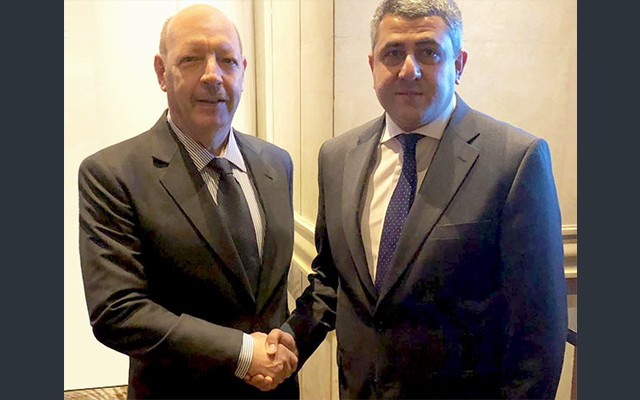
Travelindex Group’s Bernard Metzger and UNWTO’s Zurab Pololikashvili at the MOU signing
SMEs’ critical contribution to the growth of tourism and poverty alleviation is also recognised.
However, they face numerous obstacles and challenges due to pandemic-related disruptions and its impact on the economy, with additional pressures stemming from an increasingly digital world.
This first-ever partnership with Travelindex Group forms part of UNWTO’s wider shift towards harnessing the power of digital innovation to drive the restart of tourism by giving SMEs the possibility to reach a wider audience, grow and develop their market share and position.
Travelindex Group has one of the world’s largest travel and tourism ecosystem with millions of highly engaged visitors and followers across 240 destinations. The open and content-driven ecosystem connects directly over 800,000 companies worldwide through 90 owned online properties and social media channels. It offers a range of dedicated websites to the industry as well as services that help empower local SMEs for more online visibility and reach.
Joint efforts by UNWTO and Travelindex Group will show that sustainable and responsible travel is possible, if not indispensable, in the post-pandemic world, highlighting how small, medium size and micro-enterprises play a decisive role and vital contribution to the sector’s recovery.
“Countless small businesses and destinations are ready to welcome the world back to their doorsteps,” said Bernard Metzger, founder and CEO at Travelindex Group. “Travelindex Group is proud to provide a platform and ecosystem not only for large groups but, at no costs, for small businesses in the tourism sector to help them, and their employees and families, to recover faster and more sustainably. Our aim is to contribute to the growth and development of local SMEs and, ultimately, of the entire sector.”
Sustainable First, a platform by the Travelindex Group, features sustainable businesses and destinations, and focuses on the impact these have in their local community and the Sustainable Development Goals they implement.
“This partnership is a natural fit for us, our values and mission are truly aligned with UNWTO’s. Our platform is all about highlighting best practices in sustainability in tourism and we are focused on bringing especially the amazing sustainable work SMEs are doing, already leading by example, to a wider audience,” said Mafalda Borea, chair and co-founder of Sustainable First, board member, Travelindex Group.
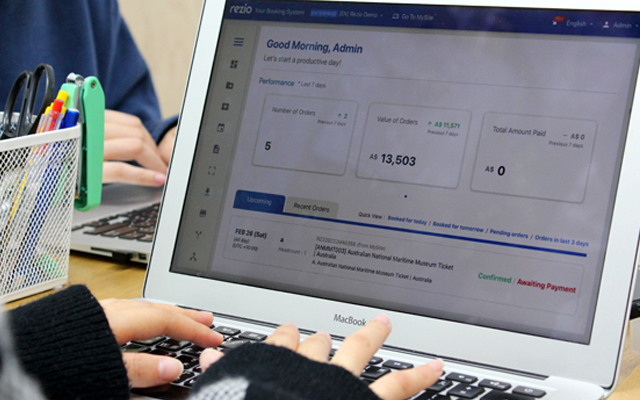
Online booking system rezio is celebrating its third anniversary with deals that benefit existing and new trade partners for the month of April.
From now until April 30, new subscribers can enjoy a free trial for three months, while existing partners with paid annual subscription will get an addition three months of usage.
Online booking system rezio is celebrating its third anniversary with special deals
Tourism startups in the past three years are entitled to a tourism digitisation e-commerce course for each new subscription plan.
Since its launch in April 2019 to streamline processes and embrace digitalisation for tours and activities companies, rezio is now present in more than 700 cities, supporting 1,300 merchants globally. It achieved an annual growth of over 350 per cent.
With the gradual opening of borders across the world, rezio hopes to spread its solutions to more partners in Asia and beyond, bringing them real-time inventory control and improved booking efficiencies.
Young girl in coat with suitcase and binoculars on a rural road near cornfield.
The tourism industry needs to embrace the digital age to thrive as travel resumes, as it lags behind other sectors, experts at Travelport’s recent The Future of Travel Retail Thought Leadership event in Dubai claim.
“It’s time for our industry to undergo huge transformation,” said Greg Webb, CEO of Travelport.
The tourism industry needs to evolve digitally
“Even though the industry is a leader in experiences, it lags in terms of the technology to deliver those experiences.”
In a recent Travelport survey, respondents perceived the travel industry to be lagging in digital innovation, falling below even finance in rankings.
Jennifer Catto, Travelport’s chief marketing officer, said: “Travel has not evolved digitally at all. The time to start thinking about this is now because the last two years have totally accelerated the depth of digital in all our lives.”
The industry is also being urged to tap into rapidly advancing technology that has the potential to transform the sector.
Steve Bambury, Metaverse and Web3 consultant, said “future-proofing” the industry now is key as virtual worlds advance. For example, introducing virtual reality (VR) to showcase destinations is a trend predicted to rapidly gain momentum.
“Harnessing VR technology, whether showing simple footage or 3D content, takes people to another level of immersion and gives them a taste of what to expect,” he opined.
He added that the Metaverse is the next big thing, with international brands, such as Nike, Gucci and McDonalds, snapping up plots of land inside the virtual world.
“This is very forward thinking,” added Bambury. “You have a virtual space where people can walk in and enquire about a hotel or destination. If they want to know about Sri Lanka, suddenly the walls disappear and you’re surrounded by Sri Lanka.”
Destinations are already developing their own virtual world. For example, Metaverse Dubai hosted the world’s first economic summit in Metaverse last month.
Bambury said the opportunities are endless, predicting in the next 15 years “virtual trips to impossible places”, such as Ancient Rome, Mars or the Kingdom of Atlantis, will become an option.
“This won’t replace real-life travel but real-life travel will be supplemented by crazy stuff like this. This is innovation that opens up whole new worlds in the way that we engage with digital content. You can wait or future-proof yourself and act now,” he said.
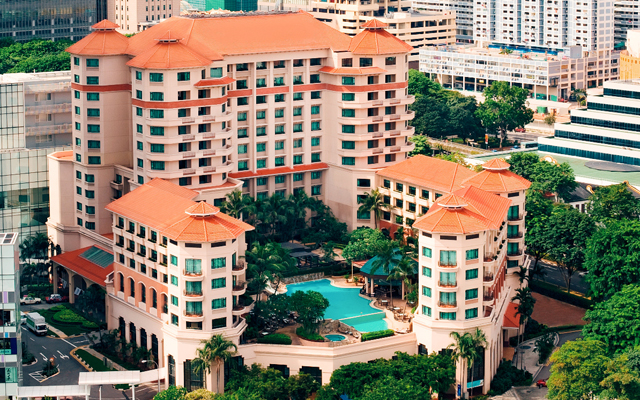
The landmark Swissôtel Merchant Court in Singapore’s Clarke Quay district has been rebranded to Paradox Singapore Merchant Court at Clarke Quay, effective April 1.
The launch of Paradox Singapore Merchant Court at Clarke Quay represents the entry of the Canadian hospitality brand to Singapore. Developed by team of experienced hoteliers in Vancouver, both the hotel and global brand is said to focus on creating a unique guest experience through “genuine, attention-to-detail service experience that combines recreational amenities alongside an authentic and relatable human touch”.
Paradox Singapore Merchant Court at Clarke Quay
“The hospitality sector is currently going through a key moment of transformation as technology and social media are quickly changing the way we travel and interact with others. We recognised a shift was occurring in how people engage with each other and also with the built environment. The height of the Covid-19 pandemic was the global catalyst for a resurgence of interest in authentic human connection and a greater expectation of personalised hospitality. As an industry leader, it was an opportune moment to realign and reinvent our business proposition to meet and adapt to the current needs and desires of the market,” said Joo Kim Tiah, CEO of TA Global, the property owner.
Paradox Singapore Merchant Court at Clarke Quay offers 476 spacious rooms, easy access to the Singapore River and the Central Business District, the award-winning Ellenborough Market Café, among others.
General manager Rainer Tenius remains at the helm of the hotel. He said: “We are excited to be part of the Paradox family and are confident that this will elevate the upscale, unique experience that we can offer, echoing the culture and vibrancy of our city. Our team looks forward to welcoming our guests to our hotel for a delightful and memorable stay.”
TA Global has plans to expand Paradox’s international presence in the next decade, through new boutique lifestyle hotels and resorts in notable destinations.
Cebu’s tourism players are offering hard-to-resist discounts this summer in a bid to resurrect the industry that has been gravely affected by the pandemic and the super typhoon that damaged a number of properties in December last year.
Over 50 hotels, resorts, restaurants, airlines and tours are offering up to 70 per cent discount in the I Love Cebu Online Travel Sale for bookings made from April 1 to 30. While most deals are valid for a year, some properties are extending validity up to December 31, 2023, said Margie Munsayac, Bluewater Resorts, vice president of marketing and sales.
Cebu’s tourism players are offering major discounts in a bid to resurrect the industry
Lara Constantino Scarrow, director of sales and marketing at Marco Polo Cebu, said that aside from better air, water and land connectivity, Cebu has been able to develop new and existing tourism products such as flower farms, lemon orchard, cafes, adventure tourism in Busay, and experiences of local martial arts called arnis or eskrima. New tourist circuits are also currently being developed.
Since the Philippines’ reopening on February 10 to countries where it has visa-free arrangements, stakeholders expect foreign tourists to return – and more are expected to come after April 1, when borders are reopened to all countries in the world.
Tourism Promotions Board’s COO Maria Anthonette Velasco-Allones reminded industry players about the principle of authenticity as the country returns to tourism business. “Live up to the promise to whatever you are selling….you are also selling your brand which stands for authenticity,” she said.
Velasco-Allones also reminded them about their commitment for accountability so that hygiene and safety protocols such as mask wearing and using temperature scanners and alcohol should not be overlooked to assure tourists of safe and fun travel experiences in the Philippines.
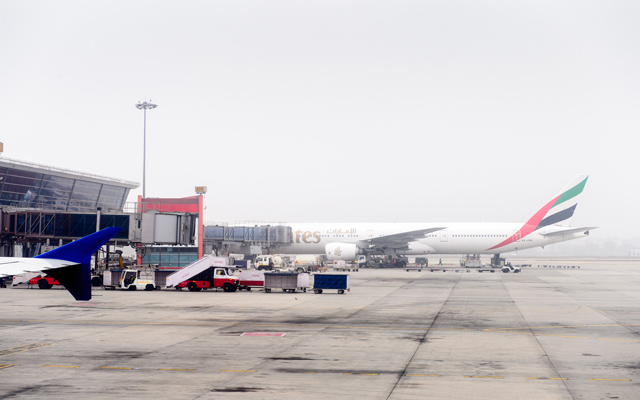
NEW DELHI, INDIA - JAN 16, 2016: Emirates airplane at the Indira Gandhi International Airport, the busiest airport in the country
India’s approval for the resumption of scheduled flight operations worldwide from March 27 has triggered an urgency among international airlines to announce increased flight frequencies for the summer season.
Emirates, the biggest foreign carrier to operate in India, will resume pre-pandemic flight frequencies to India beginning April 1. The Dubai-based airline used to operate 170 weekly flights to nine Indian destinations – Delhi, Mumbai, Chennai, Kolkata, Chennai, Hyderabad, Kochi, Ahmedabad and Thiruvananthapuram – prior to late-March 2020.
Emirates is one of the airlines to resume scheduled flight operations in India
Sri Lankan Airlines will double up to 88 weekly flights to India to match pre-pandemic levels. It currently covers New Delhi, Mumbai, Hyderabad, Trivandrum, Kochi, Chennai, Trichy, Madurai and Bangalore.
LOT Polish Airlines will commence passenger flights to Mumbai effective May 31. The Polish flag carrier has since resumed passenger flights to New Delhi effective March 29.
“Ensuring a direct connection is an essential element in strengthening Polish-Indian cooperation,” said Rafal Milczarski, CEO and president of the management board, LOT Polish Airlines. “I believe that passengers originating from Delhi will also appreciate the relaunch of this connection, which will enable them to comfortably travel to many cities across Europe and North America.”
Air France and KLM, which had maintained their operations under an air bubble model throughout the pandemic, have also resumed their scheduled commercial operations. Both airlines will progressively increase flight operations from India, starting with 20 weekly flights in April and 30 weekly fights in May. Air France will operate from Bengaluru, Chennai, Delhi and Mumbai, while KLM will operate from Delhi and Mumbai.
Naveen Manchanda, president, Indian association of travel and tourism experts (IATTE), said: “With the beginning of scheduled international flights in India, we expect South-east Asia and Europe to be the main drivers of outbound tourism demand. With popular destinations like Thailand also easing travel curbs for international tourists, we are seeing a strong demand from leisure and incentive segments.”


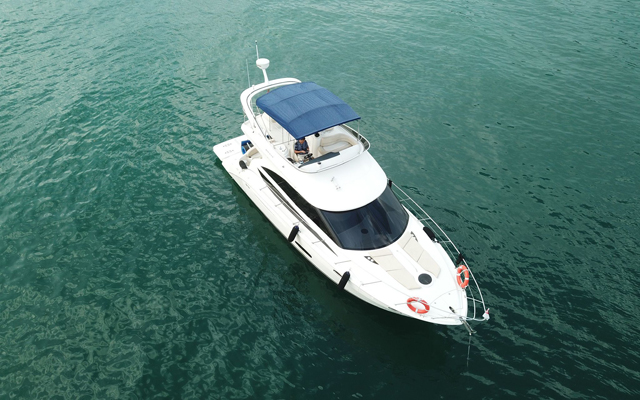
 The 13m-long vessel, currently berthed at Marina At Keppel Bay, offers two air-conditioned cabins, a fully-equipped galley with refrigerator and microwave oven, a karaoke room with good sound system, and a flybridge at the upper deck that offers panoramic views and a spacious lounge.