


Mongolia rolls out roadshows to ramp up Greater China arrivals

The Mongolia Tourism Organization (MTO) kicked off a week-long Go Mongolia roadshow in Guangzhou (April 25), Hong Kong (April 26) and Beijing, where 22 industry players met with in-market agents to raise the profile of the destination
While in Hong Kong, the MTO, which operates under the Ministry of Environment and Tourism of Mongolia, showed off its latest tourism development and highlighted mega events, travel resources, and tourist attractions. There was also a cocktail and networking session between Mongolia and Hong Kong participants.

MTO board member, Munkhnaran Dorj, told TTG Asia that the Mongolian government is turning to the Asian market post-pandemic due to the weakening European markets that were dampened by sluggish economic performance and war.
Dorj noted that international expenditure by Hong Kong travellers is worth about US$25 billion.
Furthermore, Hong Kong makes an attractive source market due to the daily flight to Ulaanbaatar operated by MIAT Mongolian Airlines.
He added: “The four-hour flight makes Mongolia an ideal destination for a short trip. With our nomad culture and untouched wild nature, (we offer) a slew of outdoor experiences, such as horse-riding, star-gazing, cycling and even golf.”
Mongolia is one of the few countries in the world that has maintained its nomadic culture and traditions. Yet, new tourism appeals have sprung up, including five international five-star hotels and an international airport in the Kheutii Province that will be operational by 2026.
Dorj stated that Mongolia is “a safe destination” for Hong Kong travellers, who are entitled to 14-days visa-free travel in the country.
MTO targets “small groups like family and students” and is keen to establish a travel trade network now in Hong Kong. There are plans for another round of roadshows in June 2025.
Besides Greater China, MTO is campaigning in other Asian cities like Bangkok, Ho Chi Minh City, Seoul, and Japan. It will come by Singapore later this year.
According to MTO representative, Batzorig Vanchinkhuu, the South Korean market has shown the most impressive growth since the pandemic, with 154,000 visitors in 2023, making it the second largest tourism source market. Russia takes the lead due to visa-free travel and self-drive holiday segments.

AirAsia Group starts new airline for Cambodian travel

AirAsia has introduced its seventh airline, AirAsia Cambodia, which commenced services on May 2.
With an initial fleet of two Airbus A320s, the airline operates from the hub of Phnom Penh International Airport (PNH), connecting travellers to the cities of Siem Reap and Sihanoukville, and beyond, through hubs in Kuala Lumpur and Bangkok.

AirAsia Cambodia will provide low-cost air travel across the country as well as overseas, leveraging the group’s core strength to drive customer and operational excellence for sustained growth and profitability.
As a group, AirAsia serves a total of six routes into Cambodia from Kuala Lumpur and Bangkok, carrying 1.3 million guests into the kingdom historically.
AirAsia Cambodia will be announcing its international destinations in the next quarter following a careful assessment of demand and market dynamics.
“We wish to express our sincere gratitude to the Secretariat of State Civil Aviation (SSCA) of Cambodia for awarding the Air Operator’s Certificate to AirAsia,” said Tony Fernandes, CEO of Capital A.
“AirAsia’s expansion into Cambodia underscores our profound grasp of the ASEAN market. Cambodia’s dynamic population of 17 million and its growing youth segment present a substantial consumer base and an opportunity to cater to domestic demand while contributing to its economic progress.”
Vissoth Nam, CEO of AirAsia Cambodia added: “AirAsia has a long history in Cambodia and we are proud to chart a new milestone not only for the airline industry in the region but for the country today.
“The enhanced air connectivity has also contributed to the steady growth of the ASEAN tourism industry at an annual average rate of almost 10 per cent in the last decade. As AirAsia Cambodia joins the fray, we are poised to further expand on this growth while unlocking new experiences and opportunities for millions of Cambodians at the best value and world’s best services.
Minor Hotels expands in India

Minor Hotels is set to intensify its presence in India with a target of 50 new openings within the next decade.
The group will focus its strategy on the upper-upscale and luxury hotel segments, where it expects strong interest from owners in its Anantara, Avani, and NH Collection brands.

For Anantara Hotels & Resorts, the group is building on core brand differentiators by targeting opportunities in Ayurvedic wellness retreats, wilderness lodges, and historical palaces, while Avani Hotels & Resorts will fill a gap in the lifestyle hotel space across India.
Minor Hotels has also identified strong potential for the upscale NH Hotels & Resorts, particularly in rapidly developing tier two cities and airport locations – the brand will also attract upper-upscale conversion opportunities.
Eyeing hotel management contracts and with an emphasis on greenfield developments, Minor Hotels will look to identify opportunities in up-and-coming locations.
Since 2017, Minor Hotels has been present in the India market. It launched Oaks Bodhgaya in the north-east Indian state of Bihar, and later in 2024, the group will debut its flagship luxury hotel in India with the opening of Anantara Jaipur Hotel.
To support this expansion, Minor Hotels has opened a new office in Bengaluru, and appointed Vijay Krishnan as vice president of operations for India, overseeing a growing team on the ground.
Amir Golbarg, senior vice president for the Middle East, Africa and India for Minor Hotels, said: “We are bullish on the potential of India, and have already been overwhelmed with owner interest, but are proceeding with a ‘partnerships over properties’ approach. It means we are being very selective in the hotels that we add to our portfolio, with our focus on cultivating meaningful alliances with partners who align with our values and vision.”
“We believe in (India’s) potential as a world-class inbound destination… and we believe in the enormous opportunities that lie in its surging domestic market,” added Dillip Rajakarier, CEO of Minor Hotels and group CEO of its parent company Minor International.
Kempinski Hotels to debut in Vietnam

For the first time in its history, Kempinski Hotels is venturing into Vietnam for the first time, with the launch of a waterfront hideaway nestled in the folds of the Saigon River, slated to open in 2027.
Kempinski Saigon River, designed by architectural studio Kengo Kuma & Associates, presents a modern reinterpretation of traditional Vietnamese dwellings, with 90 contemporary guestrooms, which affords expansive views of the river that embraces the property, and 10 suites, including the Presidential Suite.

The hotel is currently being developed in cooperation with Vietnamese property developer Ecopark Corporation.
Kempinski Saigon River will offer facilities such as a 1,500m2 spa, all-day dining restaurant, a signature Vietnamese restaurant, as well as a riverside bar and executive lounge.
Situated in Dong Nai on the outskirts of Ho Chi Minh City, Kempinski Saigon River is part of a broader 55-hectare development that will also be home to residences, schools, a sports club and retail areas along 700m of riverfront, connected to Ho Chi Minh City via a 45-minute speedboat ride.
Dong Nai itself is currently undergoing a major infrastructure expansion and improvement project designed to reduce travel times and foster economic growth, including improvements to the road and railway networks, improved waterways and the new Long Thanh International Airport, which is currently under construction.
Grand Hyatt Tokyo presents Pokémon Sleep wellness packages

Grand Hyatt Tokyo, in collaboration with Pokémon Sleep, is offering guests a range of wellness experiences between July 1 and August 31, 2024.
From immersive stays to charming menus, Grand Hyatt Tokyo’s Pokémon Sleep Suite recreates the world of Pokémon Sleep with a glamping-style living space, Pokémon Sleep artwork, and in-room dining featuring menu items like a gourmet Snorlax Burger and a breakfast featuring original Snorlax and Pikachu pancakes.

An additional Pokémon Sleep Stay package is available for only 10 standard rooms per night and offers exclusive amenities, decorations and dining, including tote bags, T-shirts, Pokémon plushies, and more.
Restaurants will also serve imaginative Pokémon Sleep creations – from Snorlax and Pikachu-themed burgers to cookies and desserts such as Jigglypuff’s Seasonal Fruit Flan, as well as the breakfast buffet which serves up Snorlax and Pikachu pancakes.
For a takeaway treat, the Fiorentina Pastry Boutique has also created a Pokémon Sleep Crunchy Matcha Chocolate and a range of sweets, including vanilla Pokémon Sleep Biscuits and Riolu’s Ginger Cookies with a gentle cinnamon fragrance. Pokémon fans can purchase these limited treats individually or as a set.
For more information, visit Grand Hyatt Tokyo.
Discover the beauty of Thailand with industry-leading properties from ONYX Hospitality Group

Brought to you by ONYX Hospitality Group

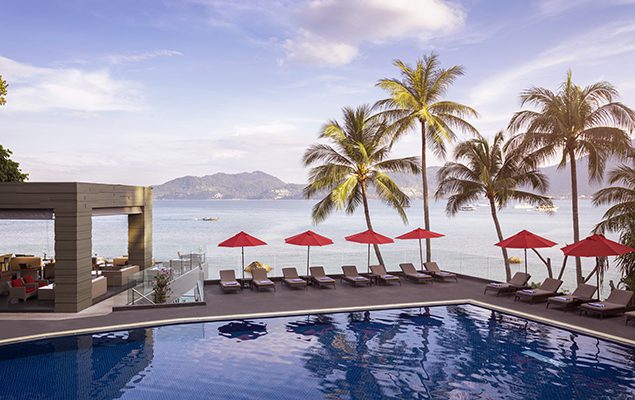
In Thailand, vibrant cultural heritage intertwines with renowned cuisine, breathtaking landscapes, and genuine hospitality, creating a captivating destination.
With over 18 properties in The Land of Smiles, including Amari Hotels & Resorts, Oriental Residence Bangkok, OZO Hotels, and Shama Serviced Apartments, these accommodations allow every guest to experience comfort, convenience, and unparalleled hospitality in urban and resort destinations alike.
Amari Bangkok, Amari Pattaya, and Amari Phuket
Celebrating its 30th year, Amari Bangkok, stands as the flagship of the esteemed Amari brand, providing upper upscale accommodation in Ratchaprasong. Close to world-class shopping centres and cultural sites, it recently underwent refurbishments, introducing a new spa called maai spa, which offers unique holistic treatments to improve physical, mental, and spiritual well-being.
New dining options include ChomSindh, featuring Thai freshwater and seafood delicacies, and NILA, which offers contemporary Indian coastal cuisine that heightens the senses.
Amari Bangkok offers nine accommodation types, including family-friendly suites with club privileges.
Meanwhile, Amari Pattaya offers a tropical beachfront escape just minutes from the city centre, boasting sea views, lush greenery, spacious accommodations, expansive swimming pools, and the famed Italian restaurant Prego onsite.
Family-friendly amenities include The Tree House Kids’ Club and the newly opened maai spa. Accommodations range from a Deluxe Pool View room to the Grand Amari Suite.
Amari Phuket
Located on the secluded shores of Patong Beach, a short distance from Phuket Town, Amari Phuket reinvigorates with the perfect blend of tranquillity and convenience. Expect verdant greenery and bright blue hues of the Andaman Sea right at the door steps of the hotel.
Guests will be spoilt for choice with six dining experiences to choose from, including the famed The TreePods and Samutr Bar, as well as 11 room types catering to couples, friends, corporate, and family travellers.
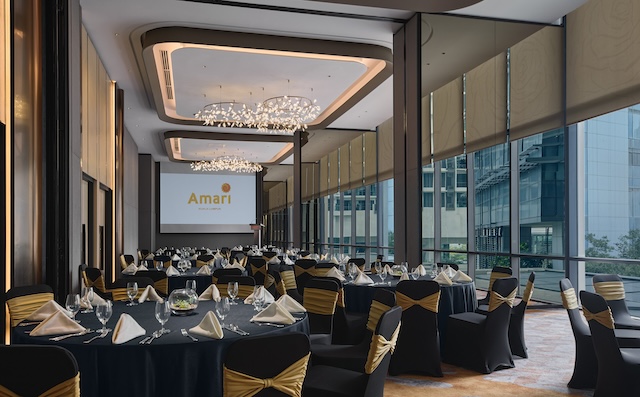
Beyond Bangkok, Pattaya, and Phuket, guests can explore various Amari properties across Thailand, Laos, Malaysia, and Sri Lanka. Amari Kuala Lumpur and Amari SPICE Penang, for instance, are some of the city’s leading business hotels. The former is in the heart of KL Eco City and the latter is directly connected to the SPICE Convention Centre and SPICE area, both of which offer halal dining options.
Oriental Residence Bangkok

Situated in Bangkok’s most prestigious location on Wireless Road, the luxurious Oriental Residence Bangkok exudes sophistication and grace. Embracing a tapestry of history and diplomatic legacies, it offers serenity amidst lush gardens, inviting guests to feel at home.
The suites seamlessly blend Oriental living wisdom, Thai hospitality, and modern elegance and comforts. Expect fully furnished one- to three-bedroom serviced residences, equipped with separate living and bedroom spaces for optimal relaxation and productivity.
Guests can savour tantalising gourmet comfort food all day at Café Claire, enjoy light bites at The Play Deck pool bar, and unwind with an array of spirits and cocktails at the intimately private Oriental Bar. Best of all, Oriental Residence Bangkok is located just 700m from Phloen Chit BTS Station and 1km from Chit Lom BTS Station, making getting around Bangkok a breeze.
Shama Petchburi 47, Shama Sukhumvit, and Shama Lakeview Asoke

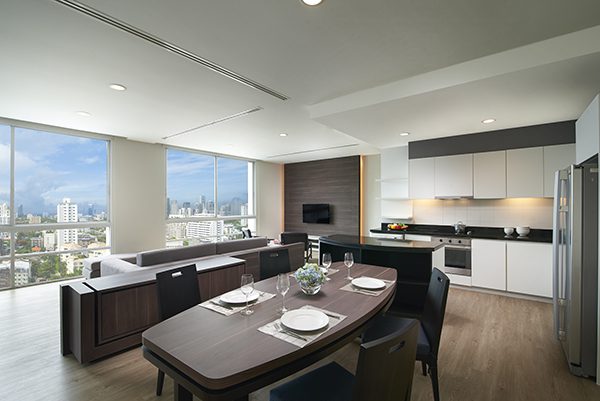

For those seeking extended stays and the amenities of home, Shama Serviced Apartments are an ideal choice. While all Shama properties prioritise home-like comforts and convenient locations for exploring, some also cater to medical travellers.
Shama Petchburi 47 Bangkok is adjacent to Bangkok Hospital and just a 10-minute drive to Thonglor, Ekkamai, and Bumrungrad International Hospital. This upscale serviced apartment offers 127 serene rooms, from cosy Junior Suites to spacious Three Bedroom Suites. Guests enjoy a peaceful retreat with modern facilities and attentive services.
Shama Sukhumvit Bangkok, near Ploen Chit and Nana CBD, is ideal for business and medical travellers as well as families and groups, with accommodations ranging from sleek one-bedrooms to spacious three-bedroom apartments. Close to Bumrungrad International Hospital and just 10 minutes away from MedPark Hospital, each residence boasts modern amenities and expansive city views.
If a truly centralised location is your top priority, Shama Lakeview Asoke will not disappoint. Located in Bangkok’s bustling CBD in Asoke, just a brief 10-minute stroll from the Queen Sirikit National Convention Centre (QSNCC) and Benjakitti Park, Shama Lakeview Asoke offers a serene escape while providing easy access to the city’s attractions. Accommodations range from studio suites to spacious three-bedroom apartments, offering peaceful views of the lake or city skyline.
Shama has more than 10 properties throughout China, including Hong Kong. No matter the destination, Shama provides convenient access to vibrant city life, ensuring a seamless and enriching experience for both long and short-stay residents.
ONYX Hospitality Group has multiple properties that have recently opened and are scheduled to open in 2024. The former includes Shama Hub Metro South Hong Kong and the latter include Amari Bangsaen in Thailand, Amari Vientiane in Laos, Amari Colombo in Sri Lanka, and three properties in Malaysia including Shama Susana Johor Bahru, Shama Medini, and OZO Medini.

Visit ONYX Hospitality Group for the latest company updates. Or meet the team in person at various travel and tourism events worldwide. This month, they will be at Arabian Travel Market from May 6 to 9, 2024.
Book a stay at an ONYX Hospitality Group property now: Amari Hotels & Resorts, Oriental Residence Bangkok, Shama Serviced Apartments, OZO Hotels.
Dao by Dorsett AMTD Singapore welcomes new GM

Dao by Dorsett has appointed Jessie Khoo-Gan as its new general manager.
She joins the team with a wealth of knowledge and expertise, and has amassed over 30 years of extensive experience in the hospitality industry.
 Prior to joining Dao by Dorsett, she has held leadership roles at Paradox Singapore Merchant Court, as well as at Pan Pacific Hotels Group and the Shangri-La Group.
Rubel Miah joins Mövenpick BDMS Wellness Resort, BDMS Wellness Clinic as GM
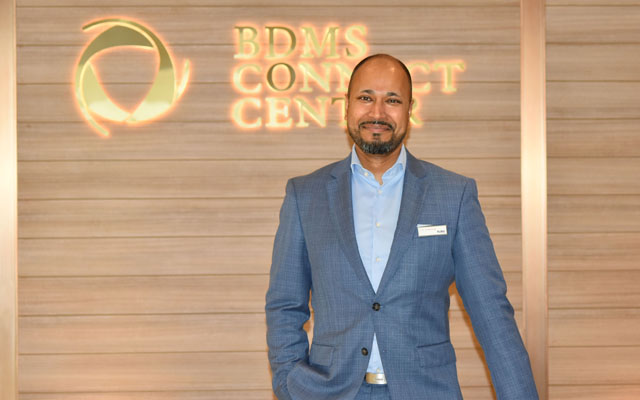
Rubel Miah has been appointed as the new general manager of Mövenpick BDMS Wellness Resort Bangkok and BDMS Connect Center.
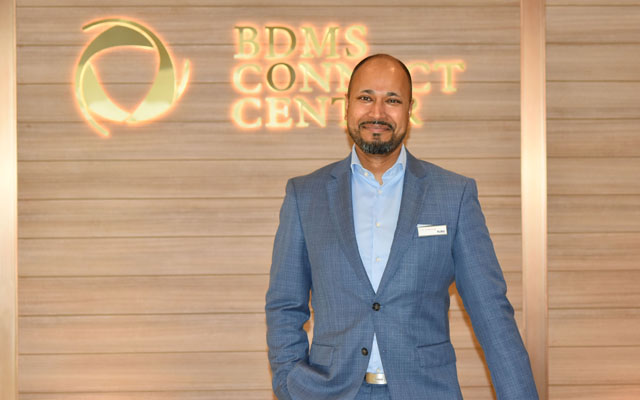 With over 20 years of hospitality expertise, the French national was previously the general manager of Lebua Hotel Bangkok.







The Sustainable Hospitality Alliance has rebranded itself to the World Sustainable Hospitality Alliance (WSHA) in a significant move that underscores its expanding global influence and commitment to sustainable practices across the globe.
This announcement was made on stage at the Future Hospitality Summit in Riyadh, marking a new chapter in the organisation’s mission to advance Net Positive Hospitality for people, planet, place, and prosperity.
WSHA, with a storied 30-year legacy, started with 14 members in 2020 and has since grown to over 50 members representing more than 300 brands, 55,000 properties, and seven million rooms across every region of the world.
Its initiatives include the World Academy for Sustainable Hospitality and the Hotel Carbon, Water and Waste measurement tools, as well as global employability programmes and the development of universal criteria for sustainable progress.
Aligned with over 50 formal major industry partners, including the WTTC, UN Tourism, Global Business Travel Association, and the Global Sustainable Tourism Council, WSHA is dedicated to driving innovation, advancing global tools, and training, and fostering best practices through its Accelerator programmes.
WSHA CEO Glenn Mandziuk said: “Our name change reflects our journey towards inclusivity and the global expansion of our mission. Our vision of Net Positive Hospitality, where the industry contributes more than it consumes, is now closer than ever.”