

Anantara Hotels & Resorts signs new Bali resort
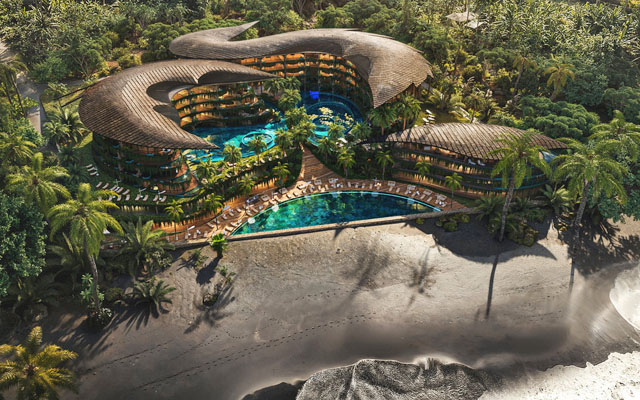
Minor Hotels has signed a management agreement with Taryan Group for a new-build resort and branded residences on Bali in Indonesia, which is slated to open in 2027.
Once opened, the Anantara Dragon Seseh Bali Resort will be the first luxury beachfront resort on Seseh Beach and the third Anantara Hotels & Resorts property in Bali. The Anantara Dragon Seseh Bali Residences will be available for purchase through Taryan Group, with Anantara providing overall resort management.
Located on the black volcanic shores of Seseh Beach, a short drive from southern coast hotspots Canggu and Seminyak and an hour from Ngurah Rai International Airport, Anantara Dragon Seseh Bali Resort will boast 216 rooms and suites ranging from 52m² to 120m².
Guests can enjoy surfing on Seseh Beach, or learn how to ride the waves from the on-site surf school. For wellness, the resort features a spa, fitness centre, beach lounge and three swimming pools. The property will also include three dining outlets: an all-day dining restaurant, a specialty Japanese restaurant and a poolside bar.
China’s Jiangsu to welcome second Cordis hotel

Langham Hospitality Group (LHG) is set to open a new hotel in the city of Kunshan in the Jiangsu province of China.
The Cordis, Kunshan, Xiajia River will be situated in the Xiajia River Science and Technology Innovation Corridor, a vibrant commercial centre surrounded by lush gardens and pristine waterways.

The 285-key hotel, which is being developed by Kunshan Xincheng Development Construction Company, will be the 10th Cordis Hotels & Resorts property in operation or development in Mainland China.
The strategic location between the megacities of Shanghai and Suzhou – both of which are less than 30 minutes away by high-speed rail – will make the hotel a choice destination for business travellers; for leisure, the area offers a wide selection of unique attractions such as Yangcheng Lake, the historic towns of Qiandeng, Luzhi and Zhouzhuang, which is a canal-filled enclave that is often referred to as the Venice of the East.
LHG CEO Bob van den Oord said: “The property will seamlessly blend the needs of both business and leisure travellers, embodying our dedication to crafting memorable experiences that cater to diverse interests and preferences.”
Korean Air celebrates 20 years of tree planting in Mongolia

Korean Air celebrated the 20th anniversary of its reforestation project on May 28 in Baganuur, Mongolia after resuming from a four-year hiatus due to the pandemic.
The Korean Air Forest initiative – aimed at combating desertification – saw 112 volunteers this year from the airline, including new hires, and resumed planting activities over two weeks starting from May 20.
Initiated in 2004, each year, a group of 100 to 200 airline employees take part in the Korean Air Forest afforestation effort. The project was temporarily suspended in 2020 due to pandemic restrictions, during which time local forestry experts and residents maintained the forest.
“We started planting trees here 20 years ago, and both South Korea and Mongolia have been steadily cultivating the Korean Air Forest together,” said Sumiya Davaasüren, governor of Baganuur District.
Located 130km from Ulaanbaatar, Baganuur District is a coal mining region spanning approximately 31km² and supplies about 60 per cent of Mongolia’s coal demand. Prior to the forest planting, coal dust from open-pit mines affected local villages – recognising the need for afforestation, Korean Air began planting trees to eventually cover an area of 44 hectares.
Currently, the Korean Air Forest is home to over 125,300 trees of 12 species including poplars, Siberian elms, sea buckthorn, and willows, which can thrive in harsh environments. In 2019, an automated watering system was installed to ensure the trees had stable conditions to grow. As a result, the tree growth rate is 95 per cent, with the tallest tree reaching 12 metres.
The forest, which stretches two kilometres long and 222 metres wide, acts as a barrier to block dust and debris from nearby coal mines, and the ecosystem is gradually being restored as various wildlife such as insects, skylarks, rabbits and foxes make Korean Air forest their home. It also serves as a venue for local students’ picnics and field trips.
In addition, Korean Air is actively involved in giving back to the Mongolian community. The airline has donated computer classrooms to seven schools in the area and provided medical services to the community in cooperation with Inha University Hospital.
Skim the skies with Hello Kitty
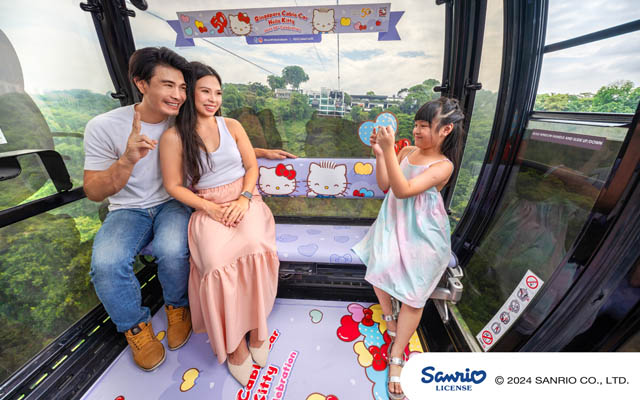
Singapore Cable Car is sharing its 50th birthday with a friend – Hello Kitty – and everyone is invited to the party. From June 1 to December 31 this year, visitors can ride in birthday-themed Hello Kitty cable car cabins along the Mount Faber Line from Mount Faber Peak to Sentosa.
These unique cabins, dressed in vibrant designs bearing images of Hello Kitty, her companion Dear Daniel, her sister Mimmy, and her parents, are first in South-east Asia.
Beyond the Hello Kitty-themed rides in the skies, visitors can also make photo memories with an exclusive two-metre-tall Hello Kitty sculpture as well as at a special photo spot where vintage cable car cabins adorned with Hello Kitty anniversary designs are on display.
Within Earth Holidays expands to Jeddah and Bali, enhances services for Europeans

Within Earth Holidays, an inbound tour operator and destination management company based in Kuala Lumpur and specialising in the European inbound market to Malaysia, is expanding its operations to Saudi Arabia’s Jeddah and Indonesia’s Bali in the coming months to better serve its European clients for leisure and business events.
Executive director, Saini Vermeulen, announced that the company had recently secured its inbound license for Saudi Arabia, allowing the company to offer non-religious tours.

The company sees significant potential for inbound tourism from Europe to Saudi Arabia and will be establishing a sales and marketing office established in Jeddah in July – Within Earth Holidays will also collaborate with Saudi Tourism Authority to draw more visitors to the destination.
In addition, the Bali office will open in 2H2024, targeting inbound leisure and business events from Eastern Europe and German-speaking countries such as Germany, Austria, and Switzerland. He remarked that the German-speaking markets have shown increased interest in visiting the Far East post-lockdown, supported by improved air connectivity.
“We have been working with a good representation company based in Germany, who has great connection with agents in the German speaking markets and Europe who have brought leisure and business event groups to Malaysia and Indonesia for many years. Our agents appreciate our operations in Malaysia, and when our representation company ended their cooperation with an Indonesian ground handler, we saw it as an opportunity to open an office in Bali to service our European agents.”
Ozo Medini Johor appoints new manager
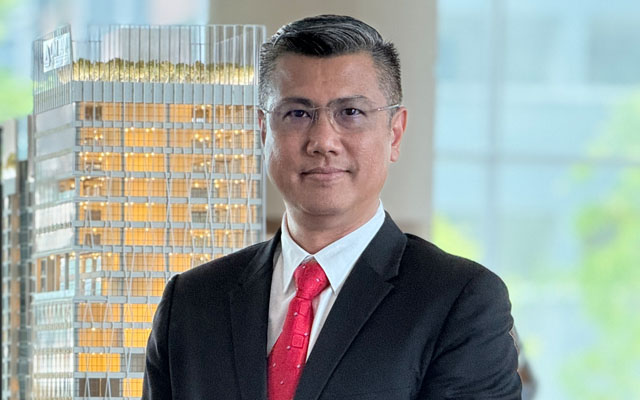
Pierre Boudville has been appointed as the inaugural hotel manager of Ozo Medini Johor in Malaysia, which is set to open in July this year.
With over two decades of hospitality experience, he will be instrumental in setting new benchmarks for guest experiences at the new 198-key hotel.
 He has previously held key roles at Amari Johor Bahru, Tunamaya Beach & Spa Resort Desaru, Meritus Pelangi Beach Resort & Spa Langkawi, and Hotel Royal Penang.
Traveloka enhances collaboration with Thailand

The Tourism Authority of Thailand (TAT) and Traveloka have signed a Memorandum of Agreement (MoA) to enhance the travel platform’s commitment to Thailand’s tourism industry, with both parties collaborating to promote inbound and domestic tourism, including secondary destinations.
The MoA provides the legal framework for Traveloka to collaborate with TAT on dual marketing campaigns, sustainability initiatives and travel insights. This agreement also allows Traveloka to collaborate directly with the TAT head office in Bangkok and all domestic and overseas offices, further strengthening Traveloka’s support of the Thai travel industry.

Both TAT and Traveloka had implemented earlier this year a joint campaign, Unveiling Thailand’s Treasure, which was “highly successful in showcasing the potential of lesser-known tourist destinations to a wider audience”, according to Traveloka co-founder Albert.
TAT’s campaign has broadened the spectrum of tourism activities, spanning economic advantages to emerging destinations, and promotes the exploration of secondary cities, with support from Traveloka such as flights, accommodation, and local attractions offers in the Traveloka app.
“This enhanced partnership with Traveloka will help solidify Thailand’s position as an industry leader in moving towards experience-based and sustainable tourism,” said TAT governor Thapanee Kiatphaibool, adding that the MoA “is in alignment with TAT’s direction to elevate Thailand’s travel industry and enhance its competitive advantage”.
Hotel Okura, AWC expand partnership, introduce river cruises in Thailand

Hotel Okura Co. has signed a multiple-property framework agreement with Asset World Corporation (AWC) on May 17 to operate a new hotel being developed by AWC in Chiang Mai, scheduled to open in 2028.
The collaboration also includes several upcoming Okura Group luxury hotels across Thailand that will add more than 500 rooms in the country, as well as the launch of Hotel Okura’s river cruises on the Chao Phraya River starting this December.

This extended agreement will help bring the hotel group’s presence in Thailand to over 2,000 new and existing rooms by 2030.
The hotel, which will be the first Okura-branded hotel to open in Chiang Mai, will be part of AWC’s Lannatique project, a commercial development in Chiang Mai’s Chang Klan area. Hotel services will promote physical and mental well-being with facilities such as a spa, Zen garden and Japanese tea café.
Hotel Okura will also provide hospitality services on Okura Cruise river excursions on the Chao Phraya River in Bangkok, between Asiatique the Riverfront Destination and Rama VIII Bridge. Beginning this December, passengers on the cruise ship will enjoy meals while taking in river scenery.
Toshihiro Ogita, president, Hotel Okura, said: “We are excited to build on our success with The Okura Prestige Bangkok through our expanded partnership with AWC. Going forward, we are committed to leveraging our expertise and tradition of offering the essence of Japanese hospitality to deliver top-quality accommodation and cruise services in Thailand, including to strengthen AWC’s leadership in the Thai lifestyle real estate market.”
Ascott signs lyf Chinatown Singapore
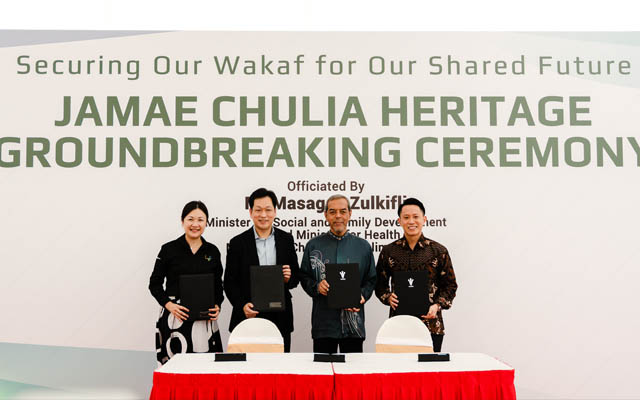
Ascott has teamed up once again with Warees Investments to launch lyf Chinatown Singapore, which is scheduled to open mid-2026.
Ascott had previously partnered with Warees in 2004 for the launch of Somerset Bencoolen Singapore.
Commissioned by Warees through WJC Heritage and managed by Ascott, lyf Chinatown Singapore spans 3,394m² and is the fifth property in Singapore under the lyf brand.
The hotel will comprise 90 accommodation units along with social spaces such as co-working lounge ‘Connect’, social kitchen ‘Bond’, launderette ‘Wash & Hang’, gym ‘Burn’, rooftop swimming pool ‘Dip’, as well as an outdoor courtyard and terrace.

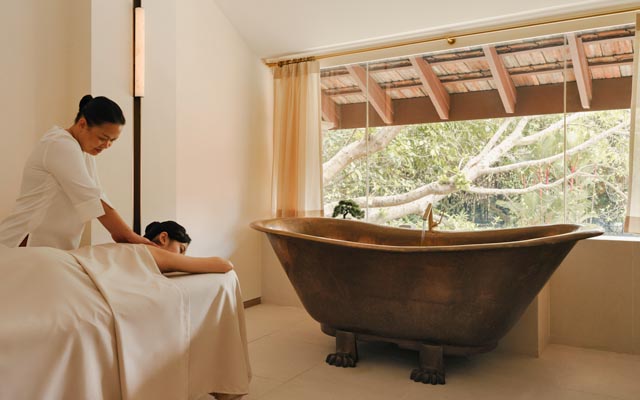






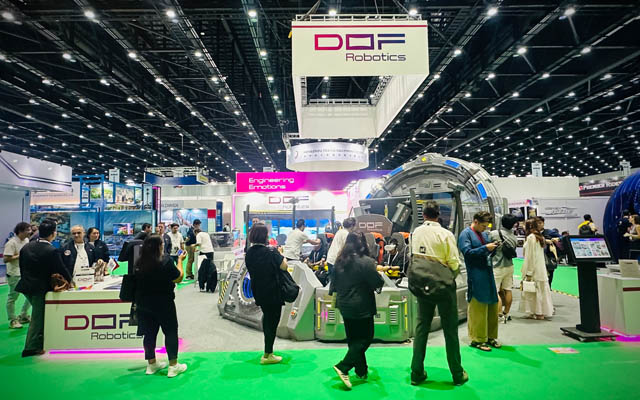
The IAAPA Expo Asia 2024 kicked off in Bangkok, Thailand on May 27 with a more diverse range of attendees, marking a shift away from traditional players like amusement parks and theme parks to include organisations like hotel developers and cinema operators. This highlights a blending of travel and entertainment focuses.
IAAPA CEO Jakob Wahl emphasised a trend of “hybridisation” in the entertainment landscape, saying that companies outside the traditional amusement industry are increasingly investing in attractions to enhance visitor experiences and extend dwell time.
“Our show attendance used to be dominated by amusement parks, theme parks, water parks and zoos. Now, we see more museums, and a lot of hotel developments that want to include water parks, water slides, and attractions. In other parts of this world, we have cinema operators coming because they want to know about food and trends, shopping centres, and even operators of ski resorts attending our show because they also want to develop attractions for summer,” he stated.
Wahl added that any operator that implements family-oriented offerings can now be perceived as competition for the attractions industry, drawing the example of Ikea.
“The difference (with Ikea) is the entrance is free and you pay at the exit – but you see families going there, spending time there; they bring their kids; Ikea has kids’ entertainment and cheap food. We have met people from Ikea at our shows and events because the company is (also functioning as an) attraction,” he explained.
Wahl said the attractions industry is resilient. He pointed to its swift rebound from the pandemic, fuelled by pent-up demand for experiences.
Meanwhile, artificial intelligence (AI) took centre stage at the expo, with several exhibitors sharing specific examples of technology integration in their attractions.
Shane Wu, global marketing manager of Brogent Technologies, outlined the company’s hyper-real virtual racing experiences powered by AI calculations, while Muge Gulagalar, senior marketing specialist at DOF Robotics, discussed using AI for data collection and customer profiling within rides for targeted marketing.
Wu also noted the growing demand for media-based attractions – those that heavily rely on audio-visual technology to immerse visitors in a story or environment.
When asked about areas of growth in Asia-Pacific, Wahl mentioned the rise of Vietnam as a key investment destination for attractions within the past five years, adding that India’s tourism sector has also witnessed growth, particularly in smaller attractions like Family Entertainment Centers (FECs) within shopping malls.