Accessibility, picturesque beaches and myriad activities are key makings of top resort destinations. TTG Asia speaks to outbound agents to reveal the region’s hottest – and emerging – resort spots
THAILAND

*HOTNESS SCORE 8.4
WHAT’S HOT Phuket, no doubt, remains an evergreen favourite among Asia’s outbound travel agents.
“Phuket’s popular with honeymooners, young couples and families because it has beautiful beaches, marine sports and other activities nearby,” said Koto Takebe of the marketing strategy department of Tokyo-based HIS, adding that it would be a tall call for other destinations to usurp its lead.
Daniel Chan, deputy general manager of Hong Thai Travel Service Hong Kong, agreed: “It’s home to quality five-star resort hotels with activities like spa, swimming, cuisine (and island excursions).”
Phuket’s diversity of offerings, from run-of-the-mill attractions like shopping and night shows to extraordinary activities like helicopter rides and boat parties, translates into “unlimited ways” for agents to sell to different market segments, according to Nishan Senaveratne, general manager (outbound) at Aitken Spence Travels in Sri Lanka.
Furthermore, pockets of tranquillity still exist on the island, pointed out Royanto Handaya, CEO of Panorama Tours Indonesia. “The main beaches include Kamala and Bang Tao while Mai Khao, Beach, part of the Sirinat National Park, is still blessedly undeveloped.”
WHAT SHOULD BE HOT Krabi, with its stunning seascapes and offshore islands, is still unexplored among Indian travellers, said Yatra.com’s president, Sharat Dhall. Koh Samui also has potential to become a hotter resort destination.
HIS’ Takebe shared: “Samui and Krabi are becoming more popular but they’re still some way behind Phuket. Samui, for instance, does not have a big shopping district, which is a must for Japanese tourists.”
Hong Thai’s Chan, while acknowledging Samui’s appeal, cites pricey airfares as the biggest deterrent for Hong Kong visitors. “Airfare (to Samui) may cost about HK$3,000 (US$386.83) while a destination like Bangkok is more affordable.”
And for Singapore and Malaysia markets, Hua Hin looks promising.
Said John Chan, business development consultant at Malaysia’s Kris International Traveltours: “Hua Hin can be considered an undiscovered gem with plenty of upside potential. (Although) its location and limited activities compared with better-known destinations present a downside, this will change for the repeat traveller who may appreciate its rustic charms.”
Chan Brothers Travel Singapore’s head of marketing communications, Jane Chang, agreed: “Hua Hin is making a comeback as a destination where cosmopolitan living meets the sea. Family-friendly attractions like Swiss Sheep Farm and Santorini Park have also raised its appeal.”
OUTLOOK “The country is sitting atop others as a resort destination. We expect 2016 to continue in the same direction,” commented Yatra’s Dhall, echoing the general sentiments of other agents.
Chang opined that Thailand will continue to do well as long as it clamps down on crime in its resort islands.
MALAYSIA
 *HOTNESS SCORE 7
WHAT’S HOT Langkawi clinched the top spot among several outbound agents, for whom the archipelago’s combination of nature and beaches is a hit.
“It has the nicest beach in Malaysia and offers more beach activities than the other resorts,” said Nishan Senaveratne, general manager (outbound), Aitken Spence Travels. “When it comes to outdoor pursuits – whether it’s mangrove exploring, jungle trekking, waterfall hiking, snorkelling, diving or even banana boating – Langkawi wins on all counts.”
Borneo gets the attention of Koto Takebe of HIS’ marketing and strategy department, due to direct, regular flights from Tokyo’s Narita International Airport. “It is also famous for its abundant nature and wildlife, marine sports and a number of high-quality golf courses,” he added.
WHAT SHOULD BE HOT For Nishan, Penang has potential to step up its appeal among South Asian visitors, especially since it offers historical sights, shopping, street food and accommodation at economical prices.
The Perhentian Islands, on the east coast of Peninsula Malaysia, are already established among backpackers and divers, according to Chan Brothers Travel’s head of marketing communications, Jane Chang, but the lack of access compared with Thai island resorts makes it a “second place in mind”.
Moreover, Tioman Island is still “not a familiar name” for Indonesians despite its strong snorkelling and diving attractions, said Royanto Handaya, CEO of Panorama Tours Indonesia.
OUTLOOK Agents say Malaysia’s affordability will attract footfalls to its resort destinations.
Hong Kong’s Miramar Travel, general manager, Alex Lee, said: “There are (many) options for beach and urban resorts. Moreover, the (cost of living) is low so young visitors and families can spend (more) freely.”
“Given the proximity and budget-friendly attributes, Malaysia has grown to be a favourite resort destination for Indian travellers,” added Yatra.com’s president, Sharat Dhall.
INDONESIA
*HOTNESS SCORE 7.8
WHAT’S HOT Ruling the roost is Bali, which is “almost synonymous with Indonesia”, said Sharat Dhall, president of Yatra.com, a sentiment shared among other agents.
“Bali is still the biggest name for Japanese visitors to Indonesia. They go for its unique and traditional culture, beautiful beaches and mountain resort town of Ubud,” said Koto Takebe of the marketing strategy department of HIS. “For women travellers, it is also famous for reasonably- priced massages and aesthetic treatments.”
It is a similar story for Hong Thai Travel Service, for which Bali is the only Indonesian destinations the Hong Kong agency promotes. “The island offers many six-star, luxury hotels and is a hotspot for beach and sun,” said deputy general manager, Daniel Chan.
On Bali itself, Seminyak and Nusa Dua are most popular among Kris International Traveltours’ clients, business development consultant John Chan said.
WHAT SHOULD BE HOT Just across the Lombok Strait from Bali lies Lombok, a potential resort destination that agents say is often overlooked by tourists.
Chan said: “Although gaining popularity fast, Lombok can be considered a relatively new kid on the block. Its natural beauty and exquisite handicrafts will require additional promotion.”
Said Chan Brothers Travel’s head of marketing communications, Jane Chang: “Indonesia’s other island resorts such as Komodo Island and Gili Islands are often overshadowed by Bali.”
Takebe, on the other hand, considers Bintan Indonesia’s best “hidden resort”. “The island is just a short ferry ride from Singapore, so it is relatively easy to get to from Japan, but not enough people know about it,” he said.
OUTLOOK Chan surmised that Indonesia will remain a sought-after destination for Malaysians, “drawing both novice and (seasoned) travellers alike with a broad selection of attractions”.
Karan Anand, head of relationships at Cox & Kings India, is sanguine due to Indonesia’s “series of investment announcements” to boost tourist arrivals.
Furthermore, resorts in Indonesia have a reputation for being more upmarket and developed than neighbouring countries, said Dhall, and will continue to “attract travellers in good numbers”.
PHILIPPINES
 *HOTNESS SCORE 6
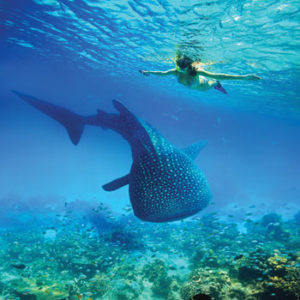
WHAT’S HOT Cebu’s strong promotion and direct air links to various Asian cities have earned it popularity among the region’s travellers, according to Pauline Suharno, managing director of Elok Tour Indonesia.
“Cebu is relatively easy to get to from many parts of Japan – the direct flight takes less then five hours – while the white sandy beaches are a big attraction. Many people also go there to (obtain) their scuba qualifications,” said Koto Takebe from HIS’ marketing strategy department.
Boracay reigns for affluent travellers from Singapore due to the wide availability of high-end accommodation, Chan Brothers Travel’s head of marketing communications, Jane Chang said.
Though Boracay is a choice destination for the Hong Kong market according to Hong Thai Travel Service, agents are not actively promoting the Philippines due to the recent hostage incident.
WHAT SHOULD BE HOT Boracay has yet to reach Cebu’s popularity in some markets primarily due to its lack of direct flights.
Sharat Dhall, president of Yatra.com, said: “Boracay has pristine beaches and beautiful resorts. However, it has limited flight options and (its tourism potential) is still untapped.”
Bohol could see more visitor footfalls too, according to John Chan, business development consultant of Malaysia’s Kris International. “Bohol still lacks basic creature comforts such as basic infrastructure and shopping sought after by the modern-day traveller,” he said.
He added: “There is a need to cater to the increasing demand of the Muslim traveller via the availability of halal food as well as places of worship.”
Palawan, with its shining attractions such as the Puerto Princesa Underground River, also has potential to be a strong resort destination, said Suharno.
OUTLOOK “The many untapped and unexplored islands make the Philippines attractive for newbies and seasoned travellers alike,” said Chan.
Other agents take a more wary stance, with accessibility commonly cited as a bugbear.
Suharno said: “The Philippines offers similar products as Indonesia like beaches and dive sites. Unless there is easy access and value-for-money airfares, it (would be) a challenge to push the market.”
Hong Thai Travel Service deputy general manager, Daniel Chan, still finds it a challenge to promote the country in Hong Kong following the 2010 hostage incident. However, should there be a breakthrough, he foresees prices would be “very affordable” as the destination has not been promoted for the last few years.
VIETNAM
*HOTNESS SCORE 7
WHAT’S HOT Danang tops the list as Vietnam’s most appealing resort based on agent feedback.
The coastal city is a favourite among Japanese tourists, said Motohisa Tachikawa of JTB Corp’s marketing division. “Vietnam Airlines started direct flights from Japan to Danang in 2014, which helped to open up (the destination). The city has good beaches, excellent hotels and is close to Hoi An, a UNESCO World Heritage site,” he said.
In addition to the wide availability of resort properties, Danang is also popular for its beautiful landscape, French influence and timeless charm, according to John Chan, business development consultant of Kris International Traveltours.
However, the strength of the longhaul market has jacked up room rates during winter and as a result Hong Kong travellers tend more to choose Japan instead, according to Miramar Travel, general manager, Alex Lee. As well, the city does not appeal to families as tourism infrastructure is not yet well-developed.
WHAT SHOULD BE HOT Nha Trang, in southern Vietnam, is an emerging destination with its beaches, scuba diving and offshore islands, revealed Clifford Neo, managing director of Dynasty Travel Singapore.
Even for Japanese travellers, for whom Vietnam is still a new market, there is already a “gradually growing interest in Nha Trang”, said Tachikawa.
There are some factors working against Nha Trang’s favour though. Said Chan: “Nha Trang has been hit by negative publicity over illegal and unauthorised tour operators and service providers.”
Sharat Dhall, president of Yatra.com, sees potential in Phu Quoc, Vietnam’s southernmost island. “However, not many people are aware about the island, which is why it remains relatively unexplored by travellers.”
OUTLOOK Agents are generally optimistic about Vietnam’s resort market.
“Vietnam is frequently visited by Indian travellers seeking a short getaway,” said Dhall. “There should be more visitors to the country this year.”
Tachikawa added: “We are really positive about Vietnam as a destination over the longer term, but it still needs development and, more importantly, promotion and advertising in Japan to make it better known.”
JAPAN
*HOTNESS SCORE 7
WHAT’S HOT Hokkaido is a clear choice for the South-east Asia outbound market.
“Hokkaido is well known for its ski and snow experience in the winter, and is a much sought-after spa/onsen getaway among Singaporeans during the December-March period,” said Clifford Neo, managing director of Dynasty Travel.
Hokkaido and Sapporo are destinations that are finding favour among Indonesians who have already visited Tokyo or Osaka, according to Putu Ayu Aristyadewi, group vice president, marketing and communications at Smailing Tours. “The four seasons, food, shopping and cultural attractions add to the easy access and relatively short travel time.”
On the other hand, Osaka sees greater appeal among Hong Kong travellers. Said EGL Tours, product development manager, James Lam: “Osaka has replaced Tokyo as a hotspot after the 3/11 earthquake because people want to avoid north-western Japan, and Osaka enjoys easy access to cities like Kobe.”
WHAT SHOULD BE HOT Both Neo and Putu see good potential in Okinawa but flight connectivity has posed a challenge. Neo elaborated: “It was not easy to get there without direct flights before but now with aggressive campaigns by the tourism board to create awareness and SilkAir’s direct flights into Naha, Okinawa will become a resort hotspot in 2016.”
As well, Kyoto has plenty to offer in terms of temples and shrines, but the resorts there “lack the pulling power of the better-known key destinations in offering a wider appeal of entertainment, shopping and nightlife”, John Chan, business development consultant of Kris International pointed out.
OUTLOOK Agents expect that the recent visa exemptions for South-east Asian visitors, growing LCC links and the upcoming Olympics will tilt the balance in favour of Japan’s overall resort market.
Said Neo: “With the 2020 Tokyo Olympics coming up, there will be great funding from the government for infrastructure and the addition of hotels or conversion of homes to homestays and different modes of transportation around the country for tourism growth. This will boost the overall resort market.”
The projection is much dimmer for the Indian market, as Japan “is not a very popular resort destination of choice”, posited Sharat Dhall, president of Yatra.com.
CHINA
*HOTNESS SCORE 5.8
WHAT’S HOT Agents’ choices of what’s hot in China are as diverse as the country itself.
Clifford Neo, managing director of Dynasty Travel, voted Jiuzhaigou for its abundance of hot springs and wellness resorts like the InterContinental Resort Jiuzhai Paradise Hotel and other well-known international brands including Sheraton and Shangri-La, plus local four- and five-star resort properties.
Sanya and Guilin are hottest for Kris International business development manager, John Chan. “There are amazing natural landscapes, strong cultural legacy and relics of China are widely displayed in hotels and places of interests. Club Med Guilin and Sanya Marriott Yalong Bay Resort & Spa are popular with Malaysians.”
Likewise for Sharat Dhall, president of Yatra.com, Sanya is a natural choice for retreats. “Travellers aiming for relaxing stays choose to go to Yalong Bay (in Sanya), home to many resorts and beach houses.”
EGL Tours, product development manager, James Lam, commented: “Xiamen is ranked the cleanest city and its rich tourism resources such as strong culture make it a favourable getaway. Most importantly, the city is located close to Hong Kong and shares similar culture and cuisine.”
WHAT SHOULD BE HOT Haikou can be more popular due to its proximity to Hong Kong, suggested Lam, “but news on local seafood restaurants ripping off tourists” have put a damper on demand.
Elsewhere on Hainan, Wuzhizhou has a famous underwater world, according to Yatra.com’s president, Sharat Dhall, but its distance from Beijing – a six-hour flight away – is a major deterrent.
Chan said: “Hangzhou makes up the famous triumvirate of Shanghai and Suzhou well-known for their spectacular silk embroideries and water villages. (But) it cannot be considered a standalone destination compared with the many attractions of better-known beach and mountain resort destinations.”
OUTLOOK Neo said: “China is an evergreen destination among Singaporeans and is growing at a rate of five to eight per cent annually. More youngsters are now looking to visit this destination due to its history, culture and natural wonders.”
Conversely, youth travellers in Hong Kong are more interested in other Asian destinations, leading to Lam’s negative outlook.
Similar to Japan, Indian travellers do not perceive China as a resort destination and often do not visit the country beyond main cities like Beijing, according to Dhall.
INDIA
*HOTNESS SCORE 5.5
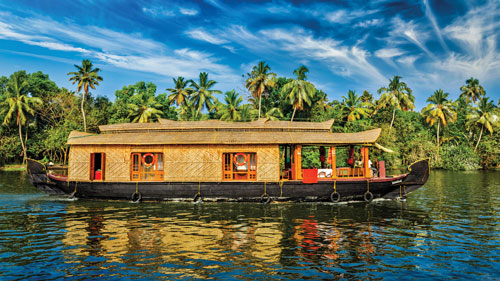
WHAT’S HOT Goa’s established beaches appeal to honeymooners while Kerala, famous for its boathouses, draws families, honeymooners and nature lovers, said Aitken Spence Travels, general manager (outbound), Nishan Senaveratne.
John Chan, business development consultant, Kris International Traveltours Malaysia, agreed: “Both destinations are easily accessible with exotic cuisine and strong religious influences.”
Premium Holidays, general manager, Simon Wo, picked Jaipur as it’s a “classic destination” that can easily be combined with popular attractions like Taj Mahal in Agra.
WHAT SHOULD BE HOT Resorts in Mumbai can offer a relaxing getaway, opined Chan, but being better known as a commercial and financial city, the destination lags behind resort destinations in northern and eastern India.
Kashmir’s landscapes are fantastic but it suffers from safety perception issues as well as facility standards that do not match guests’ expectations, said Wo.
Nishan, meanwhile, urged the promotion of Andaman Islands in the Bay of Bengal.
OUTLOOK Chan expects positive growth in Goa and Kerala. He said: ‘India will continue to hold the fascination and awe for many due to her deep-rooted historical past. Besides beach resorts, hill stations and palaces remain in high demand.”
Wo has bleaker prospects: “The majority of traffic is for business. Given the uncertain global economy, the outlook is not positive and there is also competition from neighbouring destinations that offer more affordable options. Meanwhile, it also loses traffic to Sri Lanka which provides a safer option for tours and FITs.
*Derived from the average scores given by agents interviewed
This article was first published in TTG Asia, May 6, 2016 issue, on page 19. To read more, please view our digital edition or click here to subscribe.






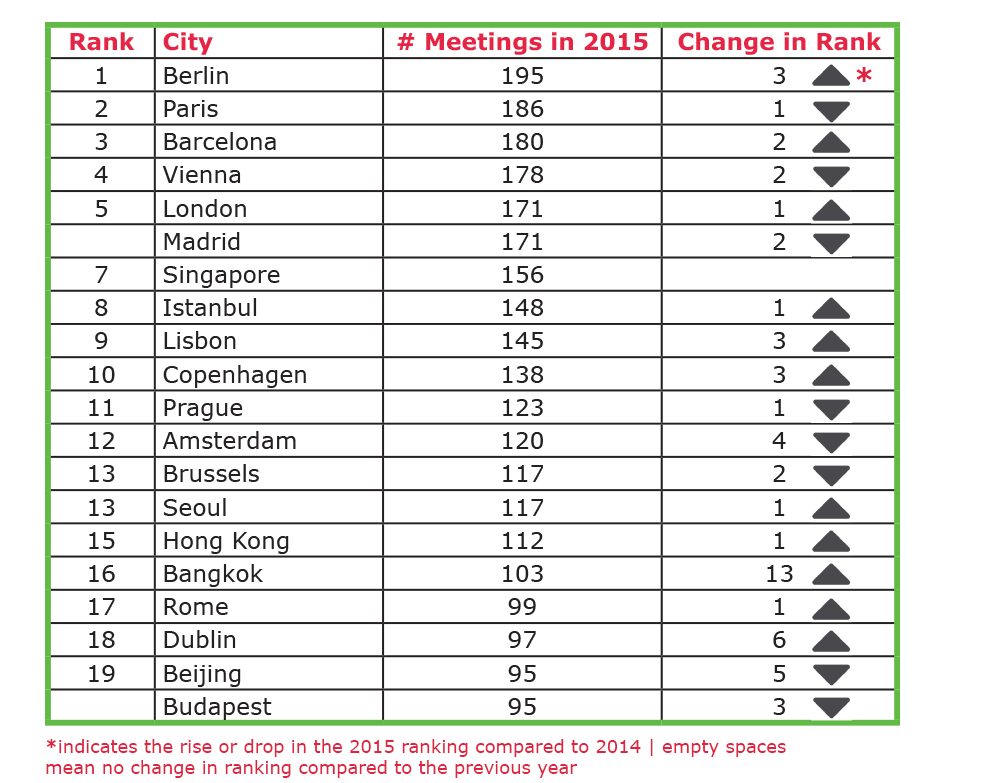
 Table 2: Top 20 country ranking by number of meeting organised in 2015