Switzerland – Enriching the young rich
A market segment comprising rich Chinese millennials who want more out of their travel is good news for Swiss luxury hoteliers, who are also smiling at Switzerland’s latest efforts to make it easier for mainland Chinese to apply for visas to visit the country.
In mid-July, Switzerland opened nine more visa application centres (VACs) in mainland China. The nine new centres are in Changsha, Chongqing, Fuzhou, Hangzhou, Jinan, Kunming, Nanjing, Shenzhen and Xi’an, joining six existing VACs in Beijing, Chengdu, Guangzhou, Shanghai, Shenyang and Wuhan.
In addition, it is trialling a portable biometric visa service that will enable Chinese tour operators, corporates and end-consumers from cities without a VAC to get their biometric fingerprints collected in their city of residence in the future. A Switzerland Tourism circular said the service is being tested with selected travel trade partners this summer. Details such as costs and timings will be announced soon.
Swiss Deluxe Hotels, which comprises 41 luxury hotels in Switzerland, expects more guests from China, a market that has grown 20 to 30 per cent in the last seven years, and now numbers around 1.5 million travellers a year, according to managing director, Siro Barino, interviewed during the recent ILTM Asia in Shanghai.
Barino said: “More VACs will help, but the main reason why the market will grow in the next 10 years is because the wealthy Chinese are switching from spending on luxury items such as buying watches to spending on travel itself when they are in Switzerland. They want to get to know the destination in more in-depth ways, i.e. travel becomes the reason itself.
“This mega trend is normal. The first generation travels to see a destination. The second travels to see the details of the destination, with the possibility of returning two or three times.”
Hurun’s The Chinese Luxury Traveler 2016 report, which focuses on rich Chinese millennials this year, shows leisure travel has dropped as the major motivator for travel for them, with 68 per cent citing this as the reason for travel in the next three years, compared with 82 per cent in 2015.
Reflecting their hunger for experiences, exploring the world has jumped as reason for travel in the next three years (50 per cent, from 40 per cent in 2015), along with adventure travel (35 per cent from 23 per cent), cruises (28 per cent from 26 per cent), polar exploration (22 per cent from 16 per cent) and road trips (21 per cent from 12 per cent).
Travel for celebrations and events, study and golf has also dropped.
A total of 525 rich Gen Ys aged 18 to 36 years old were surveyed. They have an average personal wealth of RMB38.8 million (US$5.8 million), from sources including investment returns (42 per cent), personal salary (23 per cent) and inheritance (20 per cent). Over half (55 per cent) were male, 77 per cent married and, of that, 75 per cent with one child. And their average household travel spend is RM420,000 per year, with the report saying they are set to go on more trips in the next three years.
Swiss tourism players believe Switzerland, which offers a diverse range of attractions, is poised to go down well with this market segment.
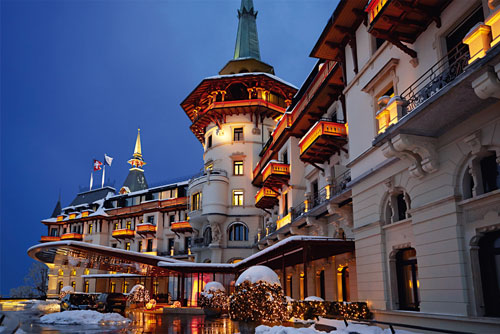
Mark Jacob, managing director of the ultra-luxe Dolder Grand Zurich, said: “More VACs will help for sure. The easier it is, the fewer obstacles there are in their way, the more likely travellers will choose the destination. We’re also seeing changing Chinese customers who are younger – the second generation who travel as a couple or with friends and stay three or four nights in one location because they are interested in fine dining, learning about the art collection at the hotel, interacting with local people, and such. They are more immersive and we’re able to cater to this changing clientele.”
Victor Xu, sales director China for several Swiss attractions including Chronoswiss and Lake Lucerne, is pleased with the news as he said this year was looking flat after last year’s 40 per cent growth from China. He attributed this to the slowdown in China’s economy.
“On the other hand, Switzerland is seen as safe and now, getting visa will be so much easier,” Wu said.
China is now one of the top five international markets for Swiss Deluxe Hotels, accounting for six per cent of its business. Asian markets too have grown (except for Japan which dipped because of its economy) and now contributes eight to 10 per cent of business, said Barino.
The only snag is Switzerland’s high prices, as rich Chinese millennials do not spend indiscriminately and there is also competition from other European cities for them. Paris, for instance, is currently a bargain with heavy hotel room discounting, according to bedbanks JacTravel.
But Simon Bosshart, director global accounts and director Asia-Pacific of Switzerland Tourism, isn’t too concerned about the price issue.
“Of course, we do very much regret any measures of price dumping in the tourism market (referring to Paris), as for the short-term relief they bring, they damage the tourism market and its players in the long term.
“Switzerland is not a destination that competes solely on price but on the high quality of the experiences it offers. In Asia, Switzerland Tourism focuses its promotional activities on the FITs to address the specific needs of travellers in the area of outdoor sports – in China, skiing in particular – or arts and culture, with the aim to entice Asian tourists to discover new (and lesser-known) destinations in Switzerland, and to prolong their stay in our country,” Bosshart elaborated.
“For the current case with Paris, there is no factual evidence of a direct impact on the Swiss market, and we do not expect any negative effect for two reasons. In a global perspective, Paris and Switzerland are not in direct competition, as we are not offering the same experience. In Asia specifically, low prices in Paris might even positively influence our business, as many programmes connect Switzerland with France and other destinations, so Paris might even help to subsidise the overall package price.”
Reporting by Raini Hamdi
France – Paris rendezvous and beyond
 To get a bigger slice of the South-east Asian outbound market, France has adopted a multipronged approach involving promotional tours in the region, spotlighting cultural festivals and lesser-known destinations and attractions.
France’s short-term goal is to beef up arrivals this year, which dipped 10 per cent in January and February after the terror attacks in Paris last November. Its target for 2020 is 100 million visitors, up from 85 million in 2015.
Atout France recently launched a tourism promotion office in Singapore and a bureau in Jakarta, while plans are afoot for the Paris-Ile-de France Regional Tourism Board to visit the region next year.
Francois Navarro, managing director of Paris-Ile-de-France, said South-east Asian countries including Singapore and Thailand are “small but important markets”. While there is no targeted arrival number from South-east Asia, the board plans to visit the region next year as the growing middle-class travellers segment still “don’t know Paris – and France – very well”.
He noted that the three biggest Asian markets are China, which has increased by 50 per cent this year; Japan, which dropped by 25 per cent last year, and South Korea, which is growing every year.
Patricia Barthelemy, marketing director of Paris Convention and Visitors Bureau, said they will also visit South-east Asia next year following a successful roadshow in 2015 when they included the Philippines and Vietnam for the first time.
Paris remains the top draw for Asian travellers, but other regions are also courting South-east Asians, shared sellers at the Rendez-vous France tradeshow in Montpellier this year.
Mohita Gupta Tessier, CEO of DMC MGTC, was looking to connect with Asian agents to promote French destinations that can be combined with Paris. These include Nice, Bordeaux, Côte d’Azur, Aix-en-Provence, Limoges and Burgundy, most of which are just a few hours from Paris and offer attractions such as sightseeing, vineyards and wine tasting that would appeal to Asians, she pointed out.
For Adeline Pascal-Rouquette of Sites d’exception en Languedoc (a network of 20 sites in the southern province) “Asian travellers are few but the numbers are increasing” to the extent that they have to get English-speaking tour guides.
Anne-Sylvie Gautier, head of public relations at Festival Aix en Provence, shared: “We don’t have a lot of travellers from South-east Asia but Indonesia, Singapore and Malaysia are new markets for us. They want new cities, heritage, cheaper trips, a special way of life, (which can be found) in the south of France.”
Gautier said efforts to promote southern France’s opera offerings are gaining attention in Asia as information materials are already available in English and soon in Chinese. A theatre tour of opera productions including A Midsummer Night’s Dream to be staged in Beijing in October is also helping to attract Asian travellers.
Le Grand Tour, which highlights the country’s culture and heritage through 50 festivals and events, was held from January to July this year, and will run for the whole of next year.
In addition, Olivier Poivre d’Arvor, ambassador in charge of France’s cultural appeal, said they are opening new attractions such as cultural sites and museums in Paris and surrounding areas.
With these activities, France wants to convey the message that it is a safe destination despite the recent terror incidents.
“The government is doing (everything) in its power to ensure the safety of Paris. All main monuments and shops have permanent and absolute surveillance,” assured Pierre Schapira, president, Paris Convention and Visitors Bureau.
Reporting by Rosa Ocampo
US – Spinning the American dream in China
 With 2016 named US-China Tourism Year, the American trade is pulling out the stops to bring Chinese visitors to the country through traditional and digital platforms, as well as China-ready programmes spanning language interpretation services and Asian-style breakfasts.
Brand USA is deploying the All Within Your Reach campaign in 14 key international markets including China. The campaign highlights the proximity of travel experiences within a five-hour drive from popular gateway cities in the US.
A Brand USA spokesperson told TTG Asia: “Brand USA wants to give international visitors the information and tools to create packages that feature both iconic and lesser-known attractions and destinations – all within reach during a single trip to the US.”
At the state level, bigger budgets and increased airlift have spurred tourism offices to be more active in their China courtship too.
Visit California recently led a 12-member California CEO mission to Beijing, Shanghai, Guangzhou and Hong Kong in May to connect travel industry leaders with the China National Tourism Administration.
Said Caroline Beteta, president and CEO, Visit California: “We have doubled our global operating budget from US$50 million to US$115 million this year. (Instead of) trying to do something new in Asia, we are trying to go deeper into markets like China.”
Visit California also launched the Dream 365 TV channel on Chinese content sharing platform Youku in April, featuring “inspiring, offbeat and enticing” videos, imagery and photos of the destination.
“It focuses on creating excitement for a California vacation and inspiring people to ‘be bold to dream’,” Betata shared. China is the first in California’s network of key international markets to roll out a localised version.
Reporting by Prudence Lui
This article was first published in TTG Asia, August 5, 2016 issue, on page 16. To read more, please view our digital edition or click here to subscribe.




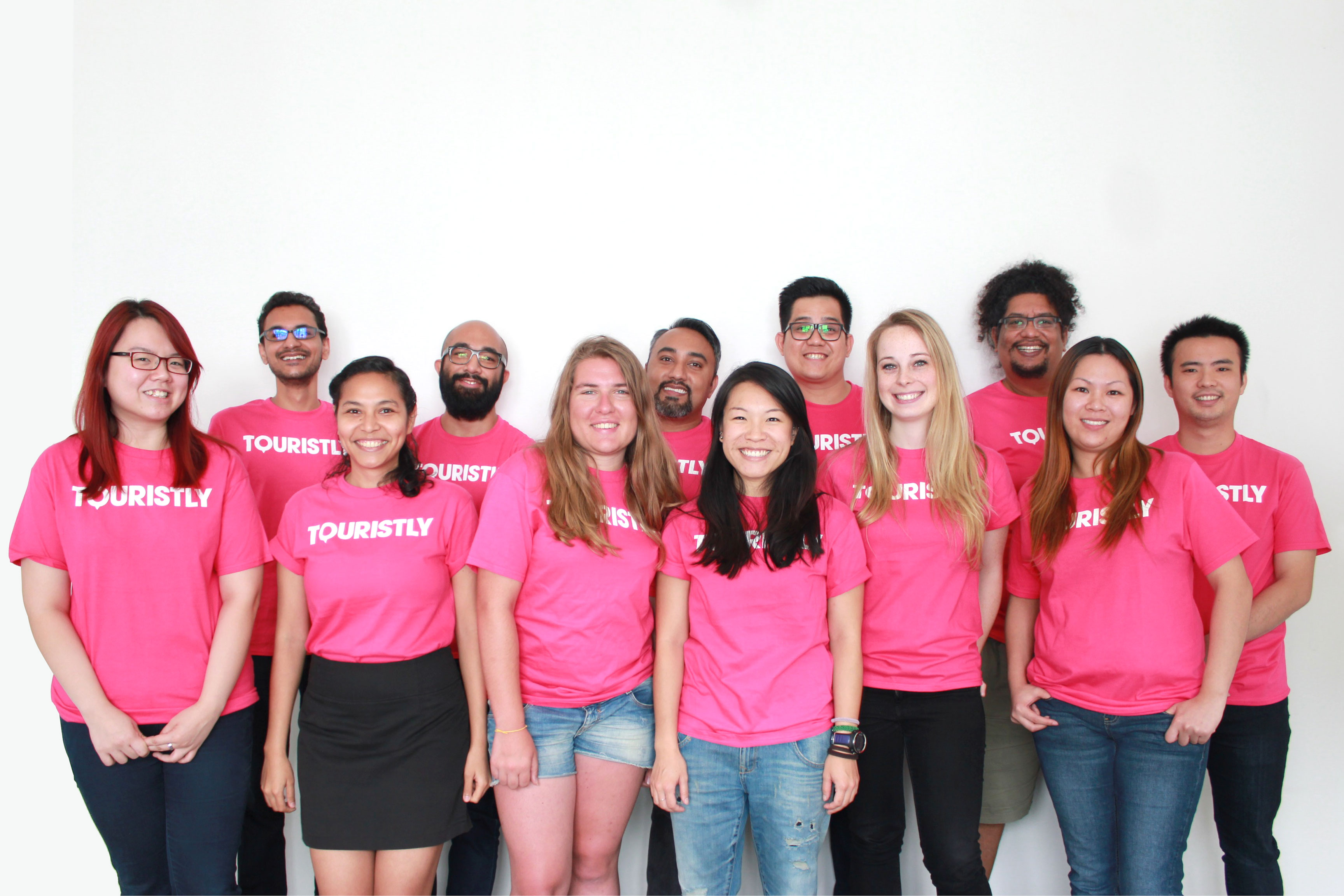 The Touristly team
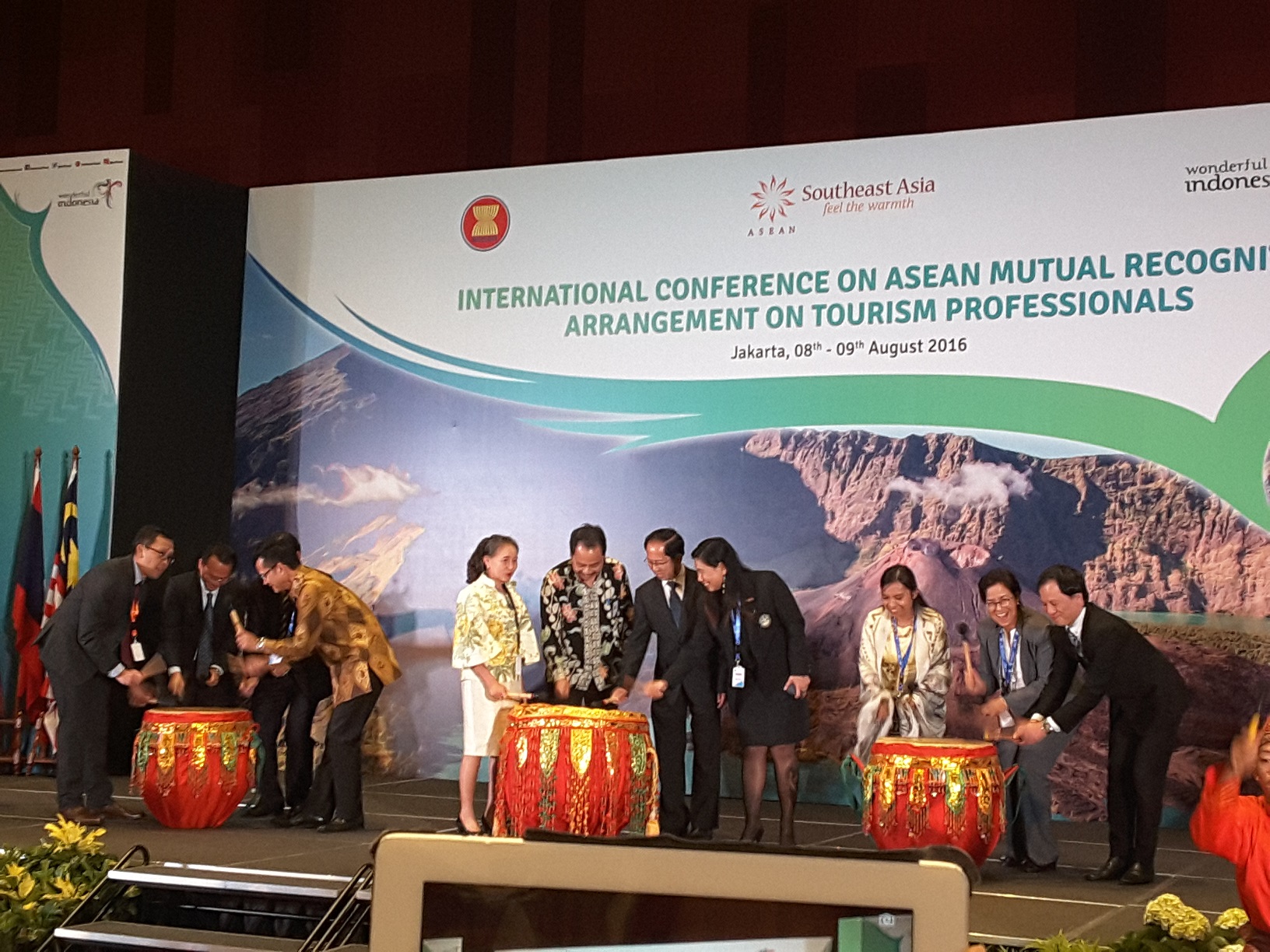 ASEAN delegates marking the launch of ATPRS onstage
 Taipei Marriott Hotel
 Clan VI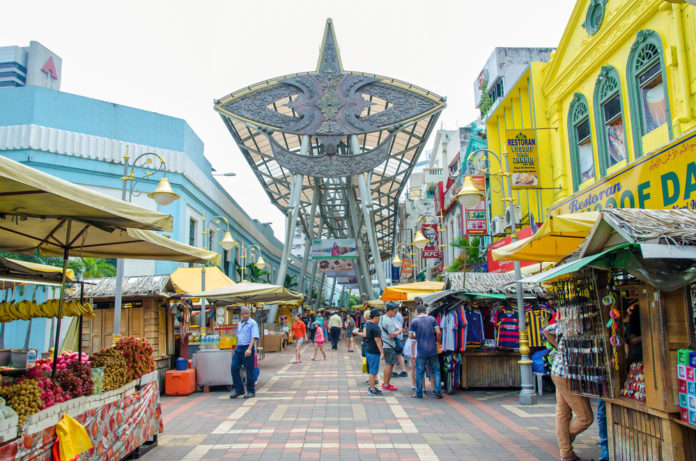
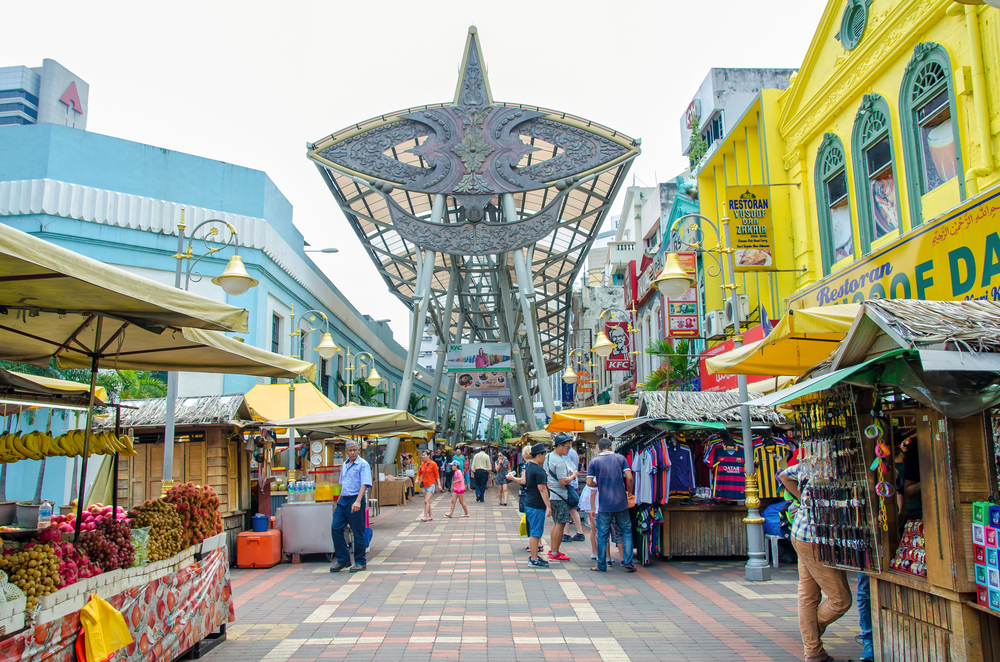 People walking and shopping at Kasturi Walk, Kuala Lumpur