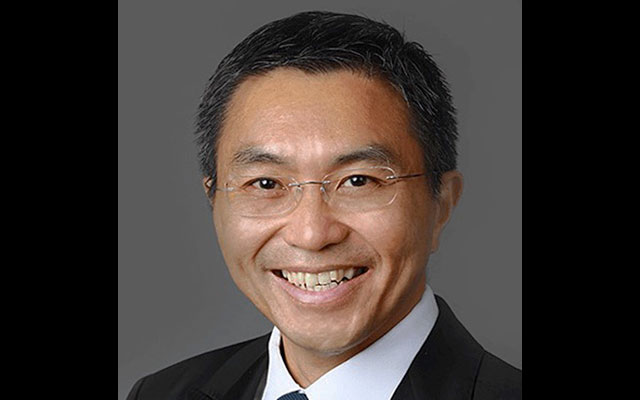
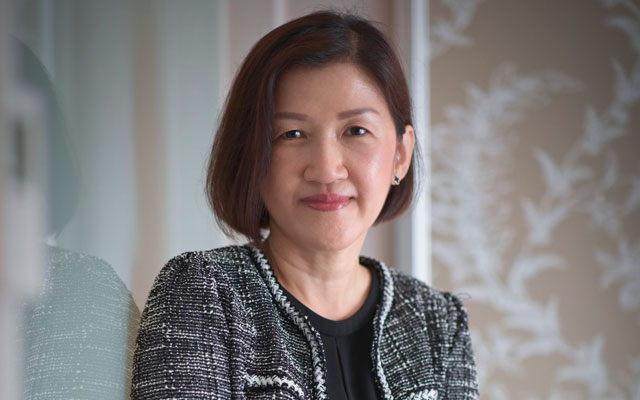
Private concierge services provider John Paul, which was acquired by AccorHotels in 2016, has appointed Andrew Quake to head the Paris-headquartered organisation as the Asia-Pacific CEO.
“Andrew Quake brings over 20 years of experience and unparalleled knowledge of the market from his years in the international lifestyle and concierge space and the payments industry, and I am confident in his ability to develop the group’s footprint in Asia-Pacific, as we have aggressive plans to further expand our activity and our client base in the region,” said Jérôme Richard, global CEO of John Paul.
Andrew Quake
The latest executive appointment comes amid John Paul’s expansion in Asia-Pacific, with the opening of a new office in Hong Kong and additional staff based in Singapore, Shanghai, Sydney and Tokyo. This executive hire will further recruitment in senior commercial leadership positions in key countries in the region.
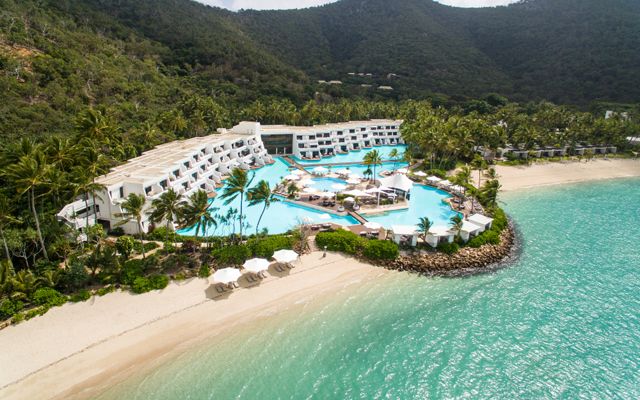
IHG has signed an agreement with Mulpha Australia to take over management of Hayman Island, part of the Whitsunday Islands in Queensland.
To be rebranded as Hayman Island, by InterContinental, the resort at the northernmost point in Whitsunday Islands will open again in 2019 following a A$100 million (US$74.2 million) makeover.
The 166-room hotel will be the only property on the 400ha island and will showcase world-class facilities, rooms and suites. It is accessible from Hamilton Island via either luxury vessel or helicopter.
The landmark agreement with Mulpha Australia also sees IHG continue with a long-term agreement to manage InterContinental Sydney and InterContinental Sanctuary Cove Resort, in Queensland’s Gold Coast, with both properties expected to undergo major refurbishment.
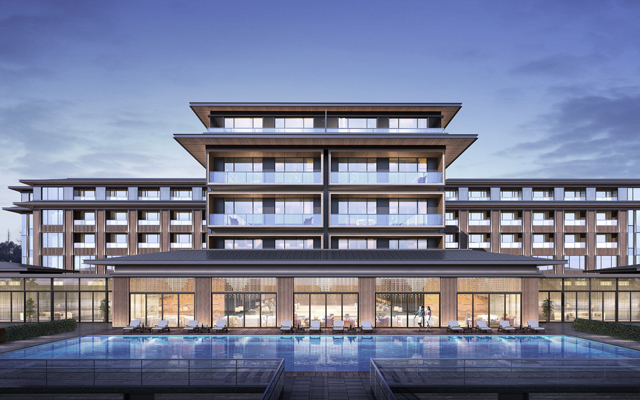
Artist impression of the 150-key Anantara Jinsha Chengdu Hotel
Thailand-based Anantara Hotels and Resorts will become the first luxury global hotel operator in Chengdu’s Qingyang District when the Anantara Jinsha Chengdu Hotel opens in 2021.
Fronting a 47ha eco-wetland park in the Essence Chengdu integrated project, the hotel will feature 150 keys and suites, an all-day dining restaurant and specialty restaurant, lobby lounge and bar/tea lounge, gym and fitness facilities, outdoor and indoor swimming pools, a spa, children’s club as well as banqueting and meeting facilities.
Artist impression of the 150-key Anantara Jinsha Chengdu Hotel
The first phase of the project by developer Chengdu Tai Hang Rui Hong Real Estate will also comprise mid-tier and high-end serviced apartments, town houses and residential villas.
Located along the Yangxi Western Third Ring Road in Chengdu, the mixed-use project will be a 20-minute drive from the new high speed Chengdu West Railway Station.
At present, hotels in Chengdu are concentrated in the city centre, accompanied by a second hotel submarket in Tianfu New District, according to Anantara.
Anantara Jinsha Chengdu Hotel will join the brand’s China portfolio, which currently comprises Anantara Sanya Resort, Anantara Xishuangbanna Resort in Yunnan and Anantara Guiyang Resort.
Mövenpick Hotel & Convention Centre KLIA, Malaysia
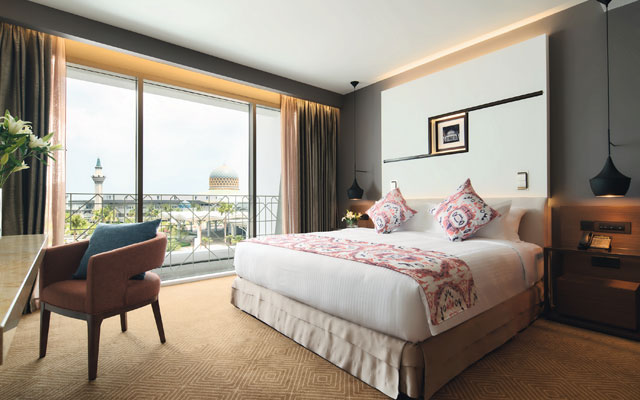
Mövenpick Hotels & Resorts’ debut in Malaysia is located just a few minutes from KLIA and KLIA2, featuring 333 rooms and suites, and leisure offerings including five F&B venues, separate male and female swimming pools, fitness centres and spa facilities that include outdoor spa pods.
The property boasts extensive meetings and event facilities as well, with four meeting rooms and two boardrooms, ranging from 35m2 to 109m2, housed in the main hotel building. Directly accessible from the hotel, the convention centre comprises a 1,287m2 open exhibition space, 777m2 circular hall, seven discussion rooms, 10 seminar rooms and the 2,386m2 main hall, which can be divided into four separate spaces.
Hyatt Regency Zhenjiang, China
Set atop the East Tower of Suning Plaza – the highest skyscraper in Zhenjiang, Jiangsu province – the Hyatt Regency Zhenjiang will span the 59th to 76th floors and have 318 guestrooms, including 20 suites. Each guestroom will offer panoramic vistas of the Yangtze River or Nanshan Scenic Area through floor-to-ceiling windows, as well as in-room comforts such as free Wi-Fi, a 65-inch Smart TV, spacious working area and a Nespresso coffee machine in suites.
Facilities include a rooftop helipad, four F&B options, a 25m-long indoor swimming pool, whirlpool, sauna and steam rooms, 24-hour gym, and yoga studio. For events and functions, the hotel features more than 1,530m2 of space comprising the pillar-free 880m2 Regency Ballroom on the fifth floor which can accommodate up to 900 guests for a cocktail event or 450 guests for a banquet. There are also seven multifunctional meeting rooms on the fifth and sixth floors.
Oakwood Apartments Nishi-Shinjuku, Tokyo, Japan
Oakwood’s latest property has opened its doors in Tokyo’s Shinjuku with 40 fully furnished serviced apartments, ranging from studios to one-bedroom units, all of which come fully furnished with well-equipped kitchens, household appliances and home entertainment systems. Guests will have access to services and facilities such as multilingual concierge and front desk services, regular housekeeping, high speed Wi-Fi and a residents’ lounge.
The Sebel West Perth Aire, Australia
Occupying the first four levels of the 22-level Aire West Perth apartment tower, the Sebel West Perth Aire Apartments has added 64 new studio apartment style rooms to Perth’s accommodation market. Amenities include a 22m-long heated swimming pool, pool deck, 24-hour fitness centre, sauna, and outdoor dining area complete with barbecue. There is also a conference room on the fourth floor.
Bill Bensley, Nancy Huang and Juliet Kinsman have all been confirmed as speakers at Further East’s un-conference, AWAKEN, where they will be sharing expert insights with high-end hospitality brands about where the future of luxury travel is heading.
Further East, Asia’s first travel tradeshow dedicated to inbound luxury travel, is coming to Seminyak Beach in Bali this November and will be bringing with it a new type of event, AWAKEN. Hosted in collaboration with Potato Head Beach Club, this un-conference is a platform for industry-leading speakers to lend their experience and analysis to the world of luxury travel, delivering unique perspectives on how high-end tourism can benefit from their work.
Among these are Bangkok-based architect Bill Bensley, whose penchant for disruptive designs and sustainability have marked him out as a true maverick with plenty of stories to share. His mantra “The odder, the better” informs all of his work and has brought him enormous success across Asia – with projects including a Malaysian palace and countless iconic hotels and resorts. You’ll find him at AWAKEN providing insights on why each of his designs aims to transform the way that people think about hotels, challenging perceptions through their design, aesthetic and storytelling.
“I like learning about local peoples’ skills: what they can make; what they can grow; and how they can transform that into something not found anywhere else in the planet. When I go to a new corner of the world I like to explore, and usually start at the places of worship – as they tend to be the richest library or depository of what people do well.”
Bensley is joined on the line-up by luxury travel experts Juliet Kinsman and Nancy Huang, who will be offering their own insights on the next trends set to shape high-end hospitality. The un-conference will also host sessions curated by Potato Head Family, centred on their passion for conservation and sustainability, as well as Mango PR, who are a renowned authority on lifestyle, leisure and travel.
For luxury travel providers, AWAKEN represents a new opportunity to learn from established, innovative names in diverse but related fields; to bring back invaluable lessons for their own companies to implement; and ultimately to improve customers’ experiences and drive even more business in the future.
The event will take place on 12th November, the first day of Further East at Bali’s revered cultural hotspot Potato Head Beach Club, owned and operated by legendary brand creator Ronald Akili. A prominent innovator in the field of hospitality himself, Akili has his own insider opinions on how travel companies can step up their offerings to stay relevant, inspiring and successful:
“How do we redefine hospitality? How can we create a new meaning to the term? It involves taking the core essence of hospitality and redefining it based on the amazing features and supports we have today from technology, social change, etc. We should be asking how can we leverage our strengths instead of how do we improve our weaknesses.”
But for delegates, the event isn’t just a ‘listen and learn’ forum. It’s also about active collaboration and idea generation with like-minded travel professionals who want to anticipate the trends set to reshape their industry and incorporate them into their own offering. It’s how the best brands adapt, evolve and future-proof their businesses to stay ahead of the competition.
AWAKEN’s programme of immersive talks and intimate sessions will allow for unique networking opportunities and, as an invitation-only event, attendees will be working alongside an exclusive selection of hand-picked travel suppliers, buyers and media.
To be part of the first edition of this un-conference and take home insightful business solutions from industry experts while making genuine, long-lasting connections with exclusive new contacts, apply to attend at www.furthereast.co/awaken
Dorsett Hospitality International has appointed Peggy Tan as general manager of Dorsett Hartamas Kuala Lumpur, a 290-room property soft opening on August 8, 2018.
Tan will be responsible for all aspects of the opening of the four-star, 290-room hotel, heading the overall business development and performance as well as strategic marketing and revenue plans.
Prior to this appointment, Tan spent the last five years in Singapore and was the area director of the sales & marketing division for Banyan Tree Hotels and Resorts for three years.
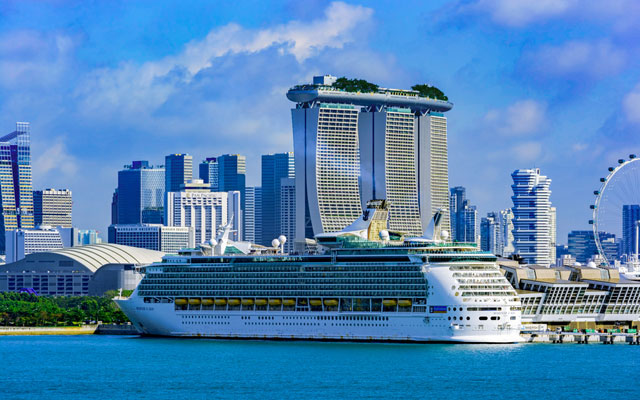
Royal Caribbean International's Mariner of the Seas at Marina Bay Cruise Centre in Singapore
In 2017, India led visitor arrivals as Singapore’s number-one source market for cruises with 127,000 cruise passengers – a 25 per cent increase compared to 2016.
This contributed to a total Indian inbound traffic of nearly 1.3 million for the year, breaking previous records to become Singapore’s third-highest ranking source market for visitor arrivals, according to figures from the Singapore Tourism Board (STB).
Royal Caribbean International’s Mariner of the Seas at Marina Bay Cruise Centre in Singapore
For Dream Cruises, the volume of Indian passengers on its cruise ships has seen “a steady growth with a healthy year-on-year increase throughout the years,” said Michael Goh, senior vice president – international sales, Genting Cruise Lines.
“India as a source market remains an important revenue contributor for Genting Cruise Lines, and we are optimistic of this steady growth with more Indian tourists opting for a cruise vacation from Singapore.”
Dream Cruises is currently deploying the Genting Dream to its homeport in Singapore, doubling the passenger capacity to 3,400, compared to previous Dream Cruises ships that homeported in Singapore.
Meanwhile, growth in the India market has doubled from 2016 to 2017 for Royal Caribbean, “driven by the increase in the summer sailings in Singapore that coincide with India’s peak travel season”, said Sean Treacy, managing director, Asia-Pacific, Royal Caribbean Cruises.
Treacy shared that cruises are especially appealing to Indian families, who “can group together to make cruises a friends-and-family gathering (while enjoying) the city as well”.
Karan Anand – head, relationships, Cox & Kings, noted that fly-cruise holidays are popular among Indian outbound travellers, with Singapore offering an attractive choice.
“The beauty of taking a cruise vacation from Singapore is because it’s a homeport for many cruise liners and travellers have a wide selection of cruise options. This makes it a highly desirable destination for Indian cruise travellers,” Anand said.
GB Srithar, STB’s regional director, South Asia, Middle East and Africa, said that cruise journeys are “gaining in popularity among (India’s) young adults or working millennials” due to being a “hassle-free, all-inclusive holiday choice”.
He said: “Singapore is regarded as a convenient cruise hub for Indians to not only visit the Lion City’s many attractions, but also the neighbouring South-east Asian countries.”
As cruise holidays are still a “nascent travel option” in India, STB sees room for promoting them as a compelling travel option for Indian travellers, said Srithar.
To promote Singapore’s cruise offerings, STB works with cruise lines and travel agents in India on joint marketing campaigns, training workshops and webinars, as well as to curate pre- and post-cruise experiences.
The board also supports industry players including cruise lines, travel agents and charterers under its Cruise Development Fund.
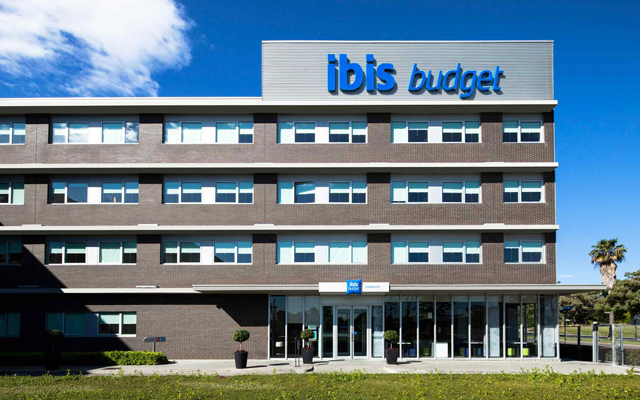
Portfolio includes the ibis Budget Sydney Olympic Park (pictured)
AccorInvest is selling its Australian portfolio of 23 real estate assets and lease interests, which online reports say could be worth over A$300 million (US$222 million).
The portfolio encompasses 17 real estate assets comprising 1,797 rooms, of which four are branded as ibis hotels and the other 13 ibis Budget hotels. Notable assets include the ibis Hotel & Apartments Melbourne, ibis Sydney Airport, ibis Budget Sydney Olympic Park and ibis Newcastle.
Portfolio includes the ibis Budget Sydney Olympic Park (pictured)
The six lease interests include The Como Mgallery by Sofitel in Melbourne, the Novotel, Mercure and ibis hotels in Brisbane, and the Mercure and ibis hotels in Perth.
JLL Hotels & Hospitality Group is handling the sale of the portfolio.
Craig Collins, CEO Australasia, JLL Hotels & Hospitality Group, said: “The pure scale of this portfolio and its diversity – in terms of location, market positioning and income profile – presents investors with an opportunity to immediately establish an unparalleled foothold in one of Asia Pacific’s most highly sought after hotel investment destinations.
“Economy hotels are a highly proven and successful hotel model in the Australian market. Their typically low operating costs and high level of profitability make them very attractive investments,” he added.
Peter Harper, executive vice president, JLL Hotels & Hospitality Group, remarked: “The sale offering comes at a time when the Australian hotel market is experiencing unprecedented investor interest and we expect that a wide range of groups will be drawn to the very attractive fundamentals of the individual hotels and portfolio as a whole.”
All hotels within the portfolio are currently operated under by AccorHotels under hotel management agreements.
The government of Myanmar will grant visa-free entry to citizens of Japan and South Korea, in addition to allowing Chinese tourists to apply for visas-on-arrival (VOA).
According to a Myanmar Times report, the visa relaxation comes as the government grapples with new ways to boost tourism after arrivals from Western markets were hit by the Rakhine crisis.
Myanmar plans loosening visa requirements to attract more Asian tourists
The same report shared that citizens of Japan and South Korea will soon be able to enter the country without visas.
Starting October 1, eligible passengers from China, Hong Kong and Macau will be able to apply for VOA at Yangon International Airport, Mandalay International Airport and Nay Pyi Taw International Airport.
For US$50, the VOA will cover a stays of up to 30 days for the purpose of tourism only.
Chinese tourists are required to present US$1,000 to show they have adequate cash for expenses for the duration of stay, as well as proof of a confirmed return or onward ticket.
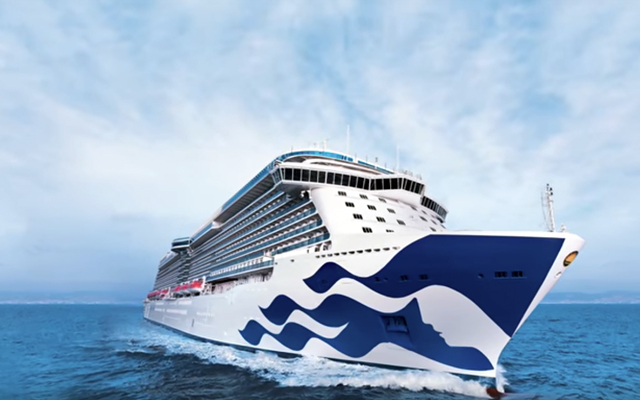
In addition to the two new LNG ships, Princess Cruises also has Sky Princess (pictured) on order with Fincantier
Princess Cruises has placed an order for its largest cruise ships, the first to be primary powered by Liquefied Natural Gas (LNG), slated to be delivered in late 2023 and spring 2025 respectively.
Being dual-fuel powered mainly by LNG, the ships are expected to significantly reduce air emissions and marine gasoil.
In addition to the two new LNG ships, Princess Cruises also has Sky Princess (pictured) on order with Fincantier
To be built at the Italain shipyard Fincantier in Monfalcone, the two 175,000 gross ton ships will be able to accommodate approximately 4,300 guests (lower berths). Specification details for the ship design, along with anticipated features and amenities of this new platform design for Princess Cruises, will be shared in the future.
“After so many years (of partnering Princess Cruises) we are ready to enter a new era of this industry, increasingly aimed at reducing even more of our environmental impact,” commented Giuseppe Bono, CEO of Fincantieri, referring to the “all-time record project, both in terms of size and technology”.
In addition to the two ships, Princess Cruises has three new Royal-class ships on order with Fincantieri, including its next new ship, Sky Princess, which is currently under construction and scheduled for delivery in October 2019. The two other Royal-class ships are planned for delivery in 2020 and 2022.