TTG Asia
Asia/Singapore Thursday, 2nd April 2026
Page 1310

SE Asia urged to bring tourism offerings to life through technology

0
DeBrine: UNESCO more than just about lists; new technologies to bring stories to life

South-east Asia is urged to collectively embrace technology to showcase the region’s diverse cultural heritage and boost tourism across member states.

At the ‘Connecting heritages for ASEAN tourism development in digital age’ conference held at ATF 2019 last week, delegates heard the vital role digital technology plays in promoting tourism in the modern world.
DeBrine: UNESCO more than just about lists; new technologies to bring stories to life

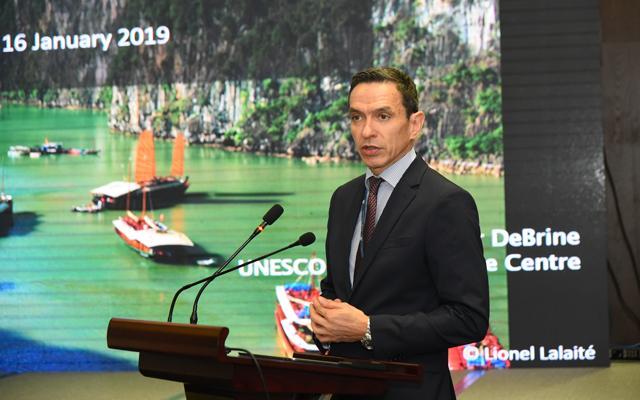
Peter DeBrine, senior project officer, UNESCO World Heritage Nature, Sustainable Tourism and Outreach Unit, said: “Technology has become crucial for modernising the interpretation at cultural and natural sites, providing innovation in educational ways to enhance the visitor experience.”

He added with 38 World Heritage sites across South-east Asia and each member country home to at least one, this is a prime opportunity for nations to work together to develop cross-cultural and cross-country trips.

And technology is the best way to inspire and entice visitors.

Said DeBrine: “As much as UNESCO likes lists, we like storytelling even more. How we tell our stories is directly linked to digital technology – it’s right in our hands with mobile phones. Digital and technology tools play a pivotal role in linking culture with sustainable tourism development.”

DeBrine said a joint initiative between UNESCO and National Geographic is an example of best practice in this area. Funded by the European Union, the World Heritage Journeys Europe online platform showcases the continent’s unique cultural heritage while supporting sustainable tourism development.

Under different travel themes, Europe’s 34 World Heritage sites are brought to life through more than 1,000 pages that feature powerful images, stories, videos and interactive maps.

Added DeBrine: “The goal is to use digital technology to change the way people travel and experience local culture, and gain deeper appreciation about world heritage and the destination as a whole. We want to try and encourage people to stay longer.”

Con Apostolopoulos, senior vice-president National Geographic Partners, Asia Pacific and the Middle East, said this model could be transferred to South-east Asia, with curated journeys focusing on gastronomy, romance, heritage and art to create a range of compelling stories that encourage cross-country trips across South-east Asia.

However, he said the major challenge lies in member states working together.
“Where I see a significant opportunity for (South-east Asia) is by pooling their resources and do something of a huge scale. Each story is uniquely yours, because pooling your resources doesn’t mean losing your identity.”

Laos association forges SHATEC partnership to boost hospitality workforce

0
SHATEC to provide hospitality training and consultancy for LHRA members

The Laos Hotel & Restaurant Association (LHRA) and Singapore Hotel Association Training & Educational Centre (SHATEC) signed an MoU at ATF last Wednesday, which will see the latter providing training services to Laos’ hospitality workforce.

“The hospitality industry, and tourism arrivals into Laos, are both growing, so we need to increase the capacity and quality of our services,” Oudet Souvannavong, president of LHRA, told TTG Asia.

SHATEC to provide hospitality training and consultancy for LHRA members

Later this year, SHATEC’s trainers will head to Vientiane to coach local staff over a period of three to six months, depending on each trainee’s skill level.

The curriculum will include structured learning modules in hospitality English, service delivery and excellence, soft skills and MICE programmes. SHATEC will also offer consultancy services to LHRA’s members.

Oudet elaborated: “In Laos, education for hospitality is not very well-developed. The government has a number of schools for hotels and tourism, but these institutes don’t provide enough (training) to meet the growth rate of the hotels. Hoteliers are lacking staff and the turnover rate is very high – 40 to 50 per cent.”

Ultimately, the partnership aims to empower the local workforce to pass the skills and knowledge acquired on to subsequent staff, ensuring a “sustainable” business model for the local industry, shared Margaret Heng, SHATEC’s chief executive.

Chinese travellers increasingly drawn to beach vacations

0
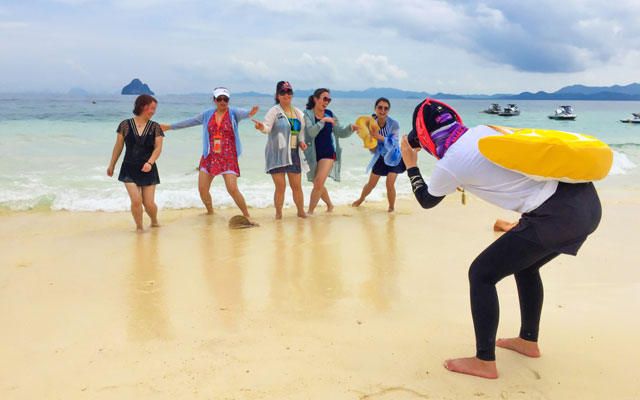
Chinese mass tourism has given island destinations a bad name, but not for much longer, Kairos Future says, due to shifting values among travellers such as a growing penchant for privacy

China’s rapid urbanisation is driving the popularity of island travel among Chinese tourists, a recent report commissioned by ITB China revealed.

Island escapes have surged in popularity over the past few years, as beaches are rather rare in China despite its long coastline and are also often overcrowded during holiday seasons.

Chinese mass tourism has given island destinations a bad name, but not for much longer, Kairos Future says, due to shifting values among travellers such as a growing penchant for privacy

Several travel companies are reporting an expected compound annual growth rate (CAGR) of 35 per cent in the next three years, while the market for island travel currently already exceeds RMB100 billion annually (approximately US$146 million).

According to interviewed experts, a main driver behind the growing interest in island travel are the visa-free policies for island destinations. The growth expectations are being fuelled especially by Chinese millennial consumers, with 30 per cent of expressing the desire to go on an island trip within the next three years.

The research further highlights that from the perspective of Chinese travellers, islands are typically associated with romance, adventure and escapism. According to Kairos Future’s text analysis of social media posts on the topic of island travel, privacy is a key trend, correlating closely with the notion of romance. Segments that stand out among island travellers include soon-to-be-wed couples engaging in destination photoshoots, newlywed couples on their honeymoons, and adventure seekers looking for activities such as scuba diving.

In the past years the perceived image of some island destinations important to the Chinese traveller had suffered due to operated ‘zero‑dollar’ tours that included unannounced mandatory shopping trips. This phenomenon might soon come to a complete end, following shifting values among Chinese consumers paired with an increased control and regulation by destination government authorities having identified and addressed this issue.

The Indonesian Tourism Association, for example, began to intensively regulate low-cost tours in 2018 and Bali, one of China’s top island destinations, has seen all tour-related shopping sites close. Since 2016, Thailand has also taken drastic action to eliminate ‘zero-dollar’ tourism.

As the purchasing power and travel knowledge of Chinese consumers continue to grow, vendors are seeing an increasing number of tourists choosing customised tours to meet their specific travel needs.

Next, travel tips is one of the largest themes in the analysed travel-related social media posts. By exploring destinations through social media, and developing preferences for activities on their itinerary, Chinese consumers are prepared to make informed decisions about their travel plans.

On top of beaches, more diversified, niche activity offerings – including hiking active volcanos, whale watching, and jungle adventures – reflect a present shift towards experiential tourism.

Over the next three years, more than 70 per cent of island tourists are expected to opt for tailored or self-guided tours. Identifying each island’s differentiators and understanding market demands will allow vendors to engage in more precisely targeted marketing and advertising campaigns, thereby attracting more customers.

Island travel demandfor the Chinese is also strongly influenced by depictions in media, with films, TV, and social media that highlight previously-unknown islands attracting the attention of new travellers.

The ITB China Travel Trends Report was created in collaboration with the international consulting and research company Kairos Future. It will be presented at ITB China, set to take place from the May 15-17, 2019 in Shanghai.

Centara Grand Beach Resort Samui to close for major makeover

0
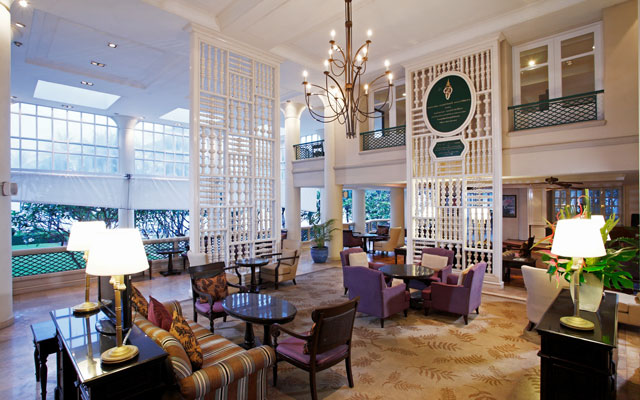
The updated lobby

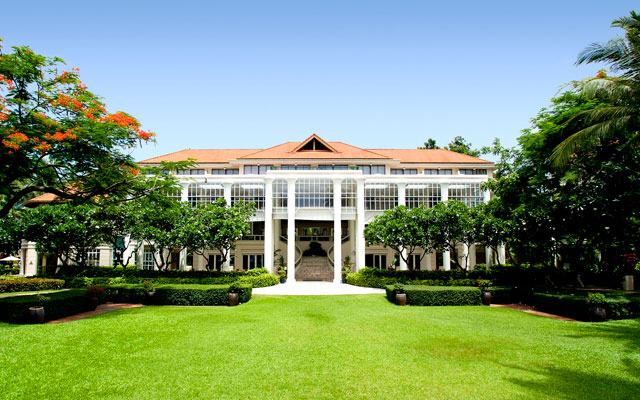
The Centara Grand Beach Resort Samui will soon be closed for upgrades and renovations.

The 23-year-old property will stay open until June 1, and reopen only in 2020.

During the revamp, all rooms and suites will undergo a redesign, while the property will see the addition of luxury villas as well as dining concepts and services.

Former Kempinski chief helms Four Seasons Hotel Seoul

0

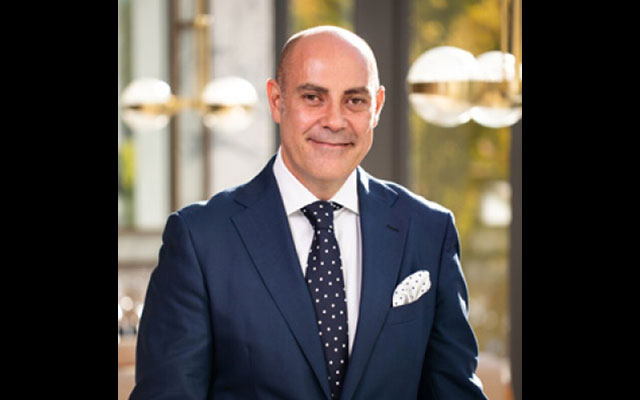
Four Seasons has appointed Alejandro Bernabé as the new general manager of its Seoul property.

Prior to joining Four Seasons Hotel Seoul, the Spaniard was group director of Avani Hotels and Resorts in Thailand, and was later promoted to its vice president operations.

The seasoned hotelier’s career first began in Asia as a restaurant manager at Colombo Hilton in Sri Lanka, before moving to Kempinski hotels where he took up his first general manager posting at the Kempinski Hotel San Lawrenz Gozo in Malta.

Bernabé rose up the ranks over the two decades with Kempinski Hotels to become vice president South-east Asia in 2013 and then CEO in 2014.

New European markets emerging for SE Asian destinations

0
European tourists hiking in Sapa, Vietnam

Buyers from emerging European markets are seeing increasing demand for South-east Asia, as travellers in these markets are drawn by the exotic allure of the Far East and affordable ground costs.

Tomasz Brych, executive manager at Adventure Travel, Poland, shared: “Year-on-year, we saw a 25 per cent increase in demand for leisure and business events to South-east Asia. Seven-day incentive programmes or a one-week stay for leisure travellers to South-east Asia are popular.”

European tourists hiking in Sapa, Vietnam

Viktorila Buzova, CEO, Team Link, Ukraine is recording greater demand for corporate incentive travel and teambuilding activities, especially to Thailand, Vietnam and Malaysia.

“In terms of pricing, the airfares (to South-east Asia) are higher than to Western Europe, but the ground costs, including hotels, meals and activities, are much lower. Overall, the total costs work out to be the same as having (programmes) in Western Europe,” she said.

Picking up on the trend for “fancy” holidays in his market, Radek Madera, manager at Czech Republic’s Arcadia Air, remarked that Asian destinations present opportunities for him to offer clients aspirational trips for the same budget.

“Travel preferences in the Czech market are changing every year. Our clients follow lifestyle and travel trends. It’s now going towards fancy travel, fancy style and fancy luxury. Before, travellers opting for Asia were content with more rugged trips and ask for cheaper or regular hotels, said Madera.

“Now, they want more luxury and more expensive experiences – not only for hotels, but also services. With the same travel budget, in Asia, they can buy more things, opt for more luxurious hotels, and enjoy higher-end service.”

Madera is also planning to incorporate more off-the-beaten-path destinations into itineraries. The launch of Hôtel de la Coupole – MGallery by Sofitel, the first international brand luxury hotel in Vietnam’s Sapa, presents an example of a destination that can fulfil his clients’ preference for luxury and hidden gems, he said.

ATF sellers from South-east Asia have also registered keener interest from emerging European markets.

Henry Wong, executive director at Discovery Overland Holidays in Malaysia, shared that while business from Eastern Europe has increased, travellers are generally new to the offerings in this part of the world, and are more likely to seek out expertise of travel agents.

He said: “The FIT segment (from Europe’s emerging markets) is not as adventurous as Western Europeans such as the UK and Germany who tend to design their own itineraries. Travellers from Eastern Europe are more comfortable buying a package from a reliable travel agent.

“Many are also first-timers to the destination. As such, everything is new to them and they are open to new experiences,” said Wong.

“Traditional European markets on the other hand, tend to be repeat visitors and are more precise on what they want to see and do.”

Elsewhere in the region, Bali-based Manumadi Travel is also starting to receive bookings from the Baltic states, a new market the company is targeting, shared Siggi Neuhaus, general manager of Caraka Travelindo (sister company of Manumadi Travel).

Additional reporting from Yixin Ng and Mimi Hudoyo

Buddhism tourism potential deserves more attention

0
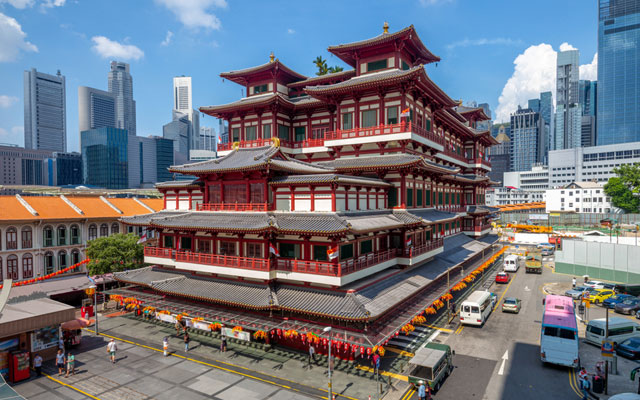
The massive Buddha Tooth Relic Temple & Museum in Singapore

Buddhist tourism has strong growth potential in South-east Asia, but more needs to be done in order to develop this sector.

Home to an estimated 156 million Buddhists, South-east Asia is “replete with Buddhist religious activities, ceremonies and festivals”, as well as “many cultural, architectural and historical monuments and relics”, according to Victor Wee, secretary-general of ASEAN Tourism Research Association (ATRA), which comprises 16 public and private universities in South-east Asia.

The massive Buddha Tooth Relic Temple & Museum in Singapore

However, Wee said that there has not been much attempt to consider how Buddhist sites and relics across the region could be used to develop and promote tourism centred on Buddhism.

These findings were part of an ongoing study on Buddhist tourism on eight countries in South-east Asia – with the exception of Brunei and the Philippines – which was presented by ATRA to South-east Asian NTOs at ATF in Halong Bay last week. The complete findings are expected to be published later this year.

Wee elaborated: “(The study) examined the programmes, policies and infrastructure that could be developed in order to capitalise on their tangible and intangible heritage of Buddhism.”

The study also examined destination management strategies at iconic sites to relieve congestion and improve sustainability in terms of tourism dispersal strategies; carrying capacity; and management of visitor impacts.

It also gave recommendations on what was needed for Buddhist tourism to gain traction in the region. This included the training of tourist guides to equip them with better and in-depth storytelling; development and improvement of infrastructure and amenities without causing negative impact to local communities and the environment; and sustainable development of tourism attractions, products and services.

Wee added that the study will form part of the UNWTO study on Buddhist tourism in Asia, adding to the growing religious tourism research the global tourism body has undertaken in the region.

ASITA announces sudden resignation of chairman, advisory board chair

0
XX

Asnawi Bahar and Ben Sukma have abruptly stepped down from their respective positions of chairman and advisory board chair of the Association of the Indonesia Tours and Travel Agencies (ASITA).

The resignations were announced at the ASITA Plenary Meeting in Jakarta last week.

Asnawi (pictured) has stepped down from his position at ASITA

Budijanto Ardiansyah, vice president of ASITA, said: “Asnawi resigned to focus on his nomination as a member of the Regional Representative Council of Indonesia in the West Sumatra electoral district.”

The association says Ben Sukma is stepping down to go into retirement.

TTG Asia, however, understands that both executives were discharged from their positions following a no-trust motion by the regional chapter boards.

Denying the news, Budijanto said: “That is not true. Yes, there was a friction, which is common in any organisation, but it had been resolved well before the plenary meeting.”

Budijanto was appointed acting chairman of ASITA and an Extraordinary Assembly will be held in Jakarta on February 26-28 to elect a new chairman.

He assured: “During this transition period it will be business as usual for ASITA, with all complete board members until the election of the new chairman.”

Hasiyana Ashadi, ASITA’s Jakarta chapter chairman, added that a steering committee and organising committee have been formed to hold National Assembly.

She said candidates running for the post of chairman should have served in the ASITA chapter and central boards for at least one term.

“The most important thing is the person must stay in Jakarta because ASITA needs to work together with government. Whoever the new chairman will be, I expect the person can make ASITA better, and support the development of Indonesian tourism.”

Japan’s robot hotel turns to humans for good old fashioned customer service

0
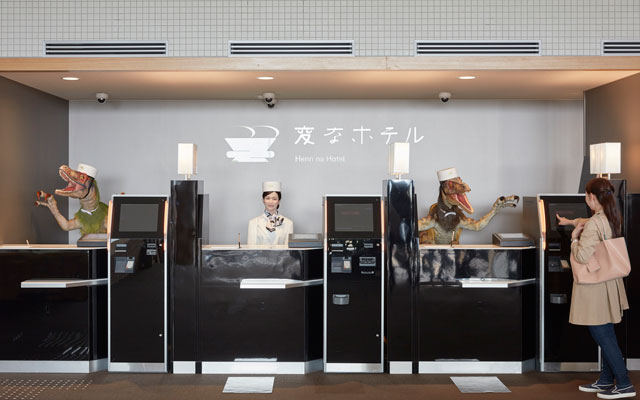
Hen-na Hotel Reception

Over half of the robots at Henn-na Hotel have been rendered jobless, with humans being hired to replace the androids after they failed to live up to standards.

According to a report from The South China Morning Post (SCMP), the hotel replaced the androids because they suffered frequent breakdowns, required costly maintenance and were unable to field more complicated questions from guests such as local attractions or access to airports.

Hen-na Hotel Reception

Humans were also on stand-by every time a guest’s passport needed to be registered. In addition, robot luggage carriers were not able to reach all of the rooms in some hotels, and broke down when they got wet, while the in-room assistant Churi struggled to understand accents.

However, a company official confirmed that the chain is pushing ahead with plans to develop a new generation of robot employees and plans to open new properties across Japan, the SCMP reported.

Loyal Guest goes after independent hotels in Asia

0
A screenshot from the Loyal Guest website

A new startup that gives independent hotels access to a loyalty programme – a sell-point  traditionally seen as the domain of chains – is looking to grow its membership in Asia.

Loyal Guest, which launched in 3Q2018, says independent hotels can enjoy loyalty opportunities without having to forsake control over management or branding, according to Chatuporn Ruttalaungsak, the company’s Thailand general manager.

A screenshot from the Loyal Guest website

“So far, we don’t see any others like us who offer a loyalty programme for independent hotels. Chain hotels have their own programmes (and a larger portfolio of participating hotels)… It is difficult for independent hotels without being part of a similar (programme to entice guests), she told TTG Asia at ATF last week.

“And we are not like hotel representation or management companies (in that) our members get to run things however they like, except they gain access a loyalty programme,” she added.

The Singapore-registered company allows guests to earn and redeem points at member hotels.

From an independent hotel standpoint, loyalty opportunities may be considerable now given the size of Loyal Guest’s current portfolio, which spans 85 independent hotels in Thailand, Indonesia, Hong Kong, Malaysia and Vietnam.

But as the startup grows, it remains to be seen if its value proposition to hotels would continue to be as strong.

Chatuporn told TTG Asia that the business model is not limited to hotel membership. It is currently also pursuing tie-ups with attractions and tours.

“We are not only for hotels but also for tourist attractions, car rentals, departmental stores or any business related to hospitality. We are looking for opportunities to tie up with tours and activities,” shared Chatuporn.