Asiana Airlines drops first-class as part of a cost-cutting exercise
South Korea’s Asiana Airlines announced on Tuesday that it will suspend three international routes, starting early July, and cease the operation of first-class cabins in September in a bid to boost profitability amid leadership changes for the carrier, reported Reuters.
The three routes to be axed include flights from South Korea’s Incheon to two Russian cities, Khabarovsk and Sakhalin, and Delhi in India, starting July 8.
Asiana Airlines drops first-class as part of a cost-cutting exercise
As part of its cost-cutting efforts, the country’s second-biggest airline had revealed that it would also eliminate its first-class seats starting September, and instead offer cheaper premium seats called Business Suite.
Kumho Industrial, the top shareholder of Asiana Airlines, said last month it would sell its entire stake in the debt-laden carrier and later hired Credit Suisse to manage the stake sale.
Amid rising fuel costs and competition from LCCs, the troubled carrier has already sold assets to improve its financial health and reduce debt from aircraft purchases.
Asiana’s creditors have said it would provide 1.6 trillion won ($1.37 billion) in financial support to the airline, alleviating liquidity problems, the Reuters report added.
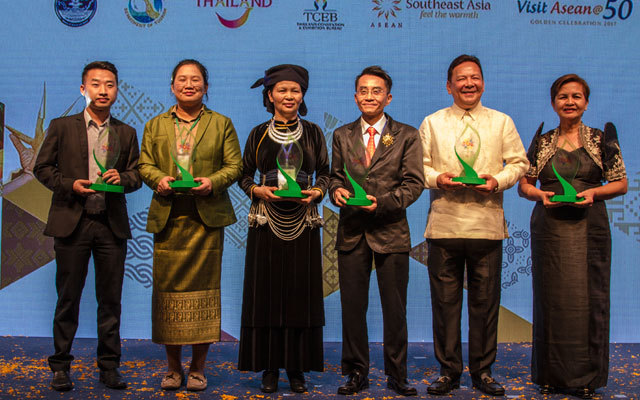
Awardees in the first ASEAN Sustainable Tourism Awards
ASEAN is calling for entries for its second sustainable tourism awards.
The biennial ASEAN Sustainable Tourism Awards (ASTA) is returning for the second time next year, after 17 tour operators were recognised during the inaugural edition last year.
Awardees in the first ASEAN Sustainable Tourism Awards
In the second ASTA, 20 sustainable tourism winners will be recognised. There will be two winners per ASEAN member state, one in the rural category and the other in the urban category.
All 20 will be rewarded with exposure on the websites of their respective NTOs and be recognised as a best practice operator during press conferences and tradeshows such as ASEAN Tourism Forum (ATF) TRAVEX, ITB and WTM.
In addition, winners will be highlighted on ASEAN’s website www.aseantourism.travel, and recognised during the awards ceremony, set to take place during the ATF in Brunei in January 2020.
Sounh Manivong, director general of tourism marketing department, Laos’ Ministry of Information, Culture and Tourism, said the awards are aimed at boosting the profile and importance of sustainable tourism businesses in Southeast Asia, promoting responsible tourism in all ASEAN countries, combating seasonality, rebalancing tourist flows, promoting best practice, among other objectives.
The deadline for submissions of award entrees is October 30, 2019, and results will be announced in early December.
A Hyatt Centric hotel is set to rise in Kota Kinabalu, Sabah, come 2021.
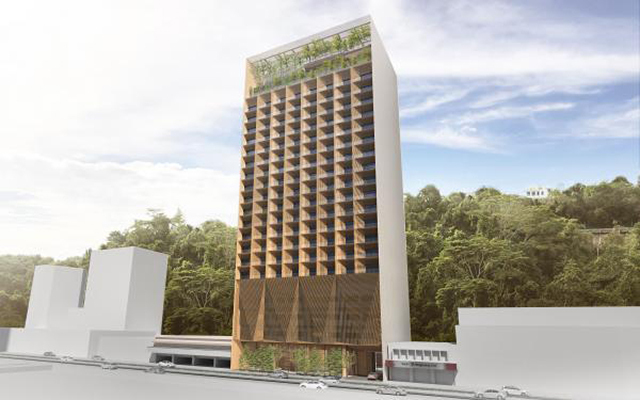
The first Hyatt Centric hotel in Malaysia will be situated in the heart of the city, 10km away from the airport. The hotel will also be within walking distance of the Jesselton Point pier, from where guests will be able to visit nearby islands.
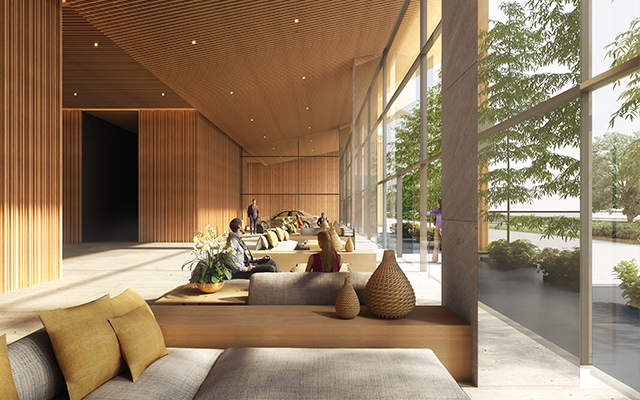
Renderings of the debuting Hyatt Centric property
1 of 2
The hotel will also feature an all-day lounge and restaurant, some 600m2 of meeting space, a rooftop swimming pool and bar with views of the South China Sea, and a fitness centre.
As well, Japanese architect and interior designer has been commissioned as designer for Hyatt Centric Kota Kinabalu, incorporating local materials into the hotel’s design.
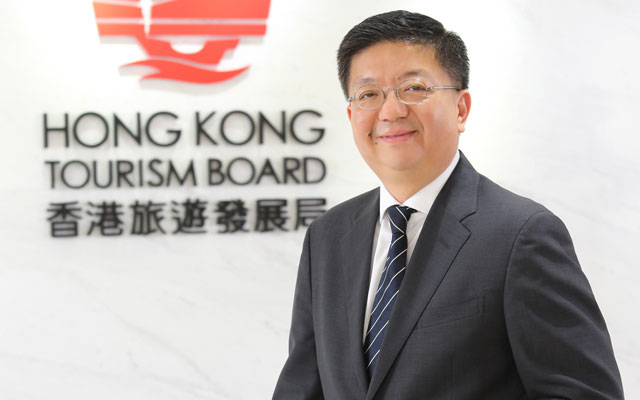
Agents say Lau brought a welcome style of accessible leadership to HKTB
Travel trade players are shocked by news of the departure of Hong Kong Tourism Board’s (HKTB) executive director Anthony Lau, well-liked in the industry for opening up dialogues and consultations with agents and other tourism stakeholders.
Lau, who joined HKTB in 2007, will step down from the post upon completion of his contract on July 31, 2019.
Agents say Lau brought a welcome style of accessible leadership to HKTB
He has been responsible for the organisation’s strategic direction over the past 12 years, with HKTB acknowledging his role in keeping the organisation ahead through a series of innovative strategies and campaigns, in addition to strengthening the NTO’s relationships with a wide spectrum of stakeholders.
Travel agents in Hong Kong agree that Lau helped make big strides when it comes to product innovation and opening up a more dialogic relationship with industry players.
Hong Kong Association of Registered Tour Coordinator’s chairman, Wing Wong, said: “I was surprised by his decision. Overall speaking, he delivered what we needed (when it comes to) driving versatile promotions and new products.
“Compared to his predecessors, Lau maintained a closer contact with the trade by organising lots of meetings to enhance understanding and communications. He also works very hard and we feel like partners. Hopefully, the successor will carry on this style of leadership.”
Gray Line Tours’ managing director and former Travel Industry Council chairman Michael Wu expressed similar sentiments: “Looking back, I praise his passion and efforts to build a close connection and partnership with us stakeholders like attractions, agents, hotels, airlines and the media. Whenever there is any new initiative or idea, he calls us directly for advice before rolling them out.”
While lauding Lau’s leadership style, he also acknowledged that Lau was in a high-pressure job” and suggested he might have felt it was “time to take a break”.
Alice Chan, Travel Industry Council’s executive director, said Anthony’s resignation came as a shock “especially when the HKTB has just had a new chairman”.
She said HKTB has done well under the leadership of Anthony and its former chairman Peter Lam.
“HKTB has launched subsidy schemes to provide funding support for travel agents in developing new tour products and receiving small meeting, incentive and convention groups, etc. I hope the HKTB, under its new leadership, will continue to increase its efforts in attracting more visitors from the non-mainland market.”
The organisation said in a statement that “a global search” for Lau’s successor will begin shortly. Lau will continue to oversee all aspects of HKTB’s operation until his departure.
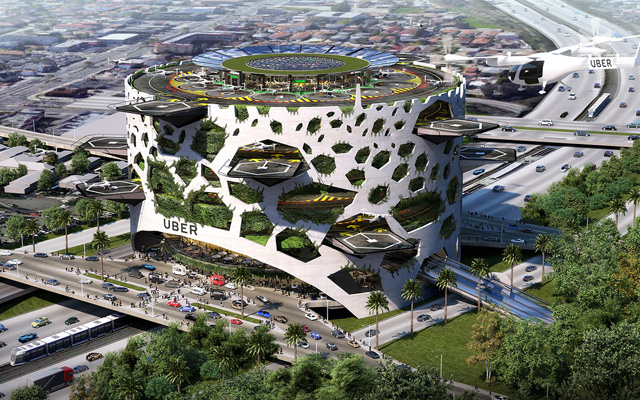
Expect air transport to be as commonplace as commuting on public buses, some say; pictured, Uber's vision of Skyports that support flying taxis amid existing urban infrastructure
With the fast pace of innovation looking set to massively reshape air travel, industry observers at the recent 2019 ACI Asia-Pacific/World Annual General Assembly, Conference and Exhibition in Hong Kong put forth visions of the future of flying and mull what these could mean for the industry today.
Amy Zalman, CEO of Prescient, a Washington DC-based strategic foresight firm said: “The airport today is a place for airplanes but we have heard about urban mobility and know this is in the near future.
Expect air transport to be as commonplace as commuting on public buses, some say; pictured, Uber’s vision of Skyports that support flying taxis amid existing urban infrastructure
“For instance, UberAir could achieve massive growth using Corgan’s design for a future Skyport which was unveiled at the Uber Elevate Summit last year. It supports vertical take-off and landing so air transport will become more local as they are being built at both airport and urban sites,” she noted.
Citing a train-to-plane technology developed by a French venture, Zalman remarked: “The train can actually be attached to wings so this tethered plane/train will go to a local station down the street, passengers just get on a train and head to the airport. Security would take place inside the train-to-plane so in this scenario there is actually no airport. It’s clear that the version of hybridity is emerging.”
As well, space travel has taken off, with British billionaire entrepreneur Richard Branson having partnered with an airport in southern Italy to build a space port, she continued.
Meanwhile, Vancouver International Airport’s vice president of planning and innovation, Steve Hankinson, said the airport has built a lab, which among other roles, serves to demonstrate the future of identity management.
He explained: “We provided illustrations for those who write regulations that create future policy, and helped (demonstrate) them against actual use cases. We hosted daily senior government officials/regulators from the US and Canada.”
Citing an example of how relevant policies could enable and accelerate change, he shared that the airport will begin the use of biometrics in June.
Changi Airport’s chief information officer and group senior vice president, Steve Lee, also foresees big changes in passenger facilitation over the next 10 years, with biometrics and smart identity playing major roles.
“I talked to some aero guys who showed me a (model of a) real-time airport with adaptive systems, which promotes going beyond sitting still in the present infrastructure. They get into the operation business in real time; that’s how we stretch capacity and deal with needs and complexity that comes with modern airports.
He added: “AI is key, some projects use AI and data science to put in a bag (intelligent luggage) to detect and predict baggage handling system failure. The big deal is how you get that into the whole operation system to change the way we operate the airport. Chatbot continues to involve our relationship with customers and robotics will take a big role.”
For Arup, which works on performance improvement, one of the major projects is undertaken with Changi Airport, with the two working to install and design technology in a 20-year time frame.
Advanced digital engineering director, Alan Newbold said: “The real challenge is capacity and how to optimise and build an increased capacity. A real-time digital airport provides data-driven business solution to these challenges. The overall concept is that airport operation could be run using a large percentage of automation and data driven methods. It allows you to focus on disruptive events and things that happen out of the norm. It also provide high value customer service.”
Data is also key, but to wield it effectively requires a focus on analytics as well as collaboration. “Today people hold on to data as a commodity as something that you can trade. I suspect in the near future, there will be so much data out there that the value will be in the analytics and the insight derived from that data, not from the data itself. We need to work together within our industry and equally learn from other industry on what is the best practice we can bring in.”
Newbold further urges for the industry to take advantage of the intersection of machine learning and artificial intelligence, and expressed excitement over the industry applications of 5G.
Malaysia’s hoteliers are reaching out to the domestic sector to fill rooms, as a weak ringgit has impinged on Malaysians’ appetite for overseas travel and driven more families to consider local vacations.
M Manimaran, senior director of sales & marketing at The Saujana Hotel Kuala Lumpur, noted a slowdown in bookings from regional markets and China this year, while staycations grow in popularity and the urban resort also sees demand coming from local corporates on weekdays.
Hotels in Malaysia are targeting domestic travellers with dining and staycation offers
Likewise, Golden Sands Resort in Penang, having experienced a decline in regional and European markets in 1H2019, has intensified domestic promotions to make up for the shortfall, according to Suleiman Tunku Abdul Rahman, the resort spokesperson.
Suleiman shared: “(Domestic promotions) have been effective, especially during long weekends and school holidays. Many families choose to drive to the resort, some coming from as far south as Johor. With a car, they are free to travel around Penang, enjoying the sights and sampling the local food.”
Kingston Khoo, director of sales and marketing at Mutiara Taman Negara, opined that Malaysians tend to be more price sensitive as compared with Asian and European guests.
To appeal to the local market, the resort throws in value adds during tacticals such as complimentary jungle activities without dropping rates, as well as allowing children to stay and dine for free.
Khoo said: “The good thing about the domestic market is that the lead time is shorter, which means you will see almost immediate returns on tacticals and promotions.”
Dining has proven an especially effective way for hotels to market to locals.
Michael Delargy, general manager at Le Méridien Kuala Lumpur, noted that the local market recognises quality when it comes to dining, and is prepared to pay for it. “The restaurant experience needs to be compelling and unique, something not available outside the hotel.”
But as more hotels in Kuala Lumpur compete for the domestic market, some are seeing the need to step up on marketing and present a differentiated offering.
Delargy observed that the domestic market is largely influenced by word of mouth and social media postings and reviews by friends and influencers.
He said: “With so many hotels in Kuala Lumpur competing for the domestic market, the package has to be compelling. A nice hotel alone isn’t going to cut it, and price alone is not attractive. We’ve found success in promotions that provide value such as club lounge access and suite upgrades for the family.”
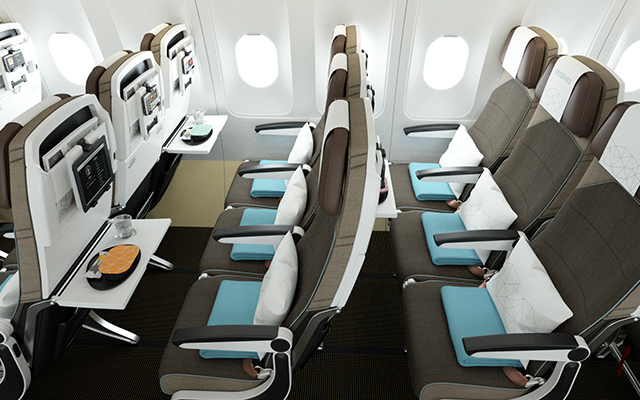
Etihad Airways has unveiled a major economy transformation programme, starting with the cabin upgrade and refurbishment of 23 narrow-body Airbus A320 and A321 aircraft.
The retrofit programme, which includes new personalised wireless streaming entertainment to smartphone and tablet devices, is scheduled for completion in August this year.
Etihad Airways economy class transformation
1 of 2
Etihad has been progressively upgrading the economy cabins of its narrow-body fleet of Airbus A320 and A321 aircraft, used mainly on shorthaul regional services, and further afield to 38 Etihad gateways within five hours of flight from Abu Dhabi.
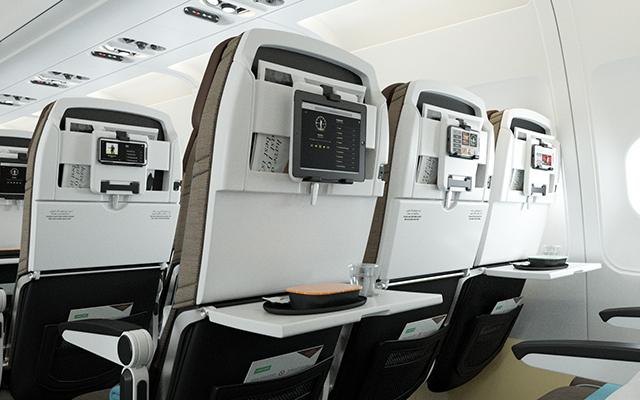
The airline is installing modern and refreshed cabins featuring ergonomic Extra-spatial Design seats, which will provide increased knee room and add fast-charging USB points and an adjustable phone and tablet holder.
This adds to the first stage of enhancements to Etihad’s economy class that began in 2017 and introduced new seat options such as Neighbour-Free Seats, Economy Space, and Preferred Seats in the wide-body fleet.
The airline is also introducing a new economy dining concept on all its flights as part of a wider programme of enhancements to its inflight catering.
On journeys of over three hours, the main course of the core complimentary dining service is now a larger, contemporary bistro-style meal said to be “higher in quality, with a focus on fresh seasonal ingredients and more destination focused choices”.
For longer flights, dessert will be served separately with the after-meal coffee and tea service, reducing clutter on the tray during the main meal.
The airline is also touting more eco-friendly and lightweight cutlery.
In addition, the expanded ‘Sweet or Salty’ retail menu complements the core dining service with offerings including a Tapas box, hot dishes, and premium sweet and savoury snacks, all available for purchase. The retail service is enhanced by partnerships with brands such as Bateel, Starbucks, Thorntons, Cawston Press, Heavenly, Perrier and Barebells.
These upgrades were unveiled at Arabian Travel Market, together with a new advertising campaign, ‘Go Your Own Way’. As part of the airline’s overall ‘Choose Well’ brand platform, the campaign is meant to drive awareness of the airline’s greater commitment to giving passengers more control and options for personalisation.
Tony Douglas, group CEO, Etihad Aviation Group, said: “As part of our ‘Choose Well’ promise, we are empowering our guests with more control of their travel experiences, through onboard digital transformation, improved choice and redesigned cabins and products.”
Meanwhile, inflight entertainment systems have been upgraded on narrow-body aircraft. Guests will be able to log on and connect via browser to wirelessly stream more than 300 hours of free inflight entertainment through Etihad’s Panasonic eXW system directly to their own devices.
For a wider range of entertainment programming, including more Hollywood blockbusters, international movies, and premium TV programming such as HBO and Universal shows, guests can download the new E-bot Stream app prior to travel.
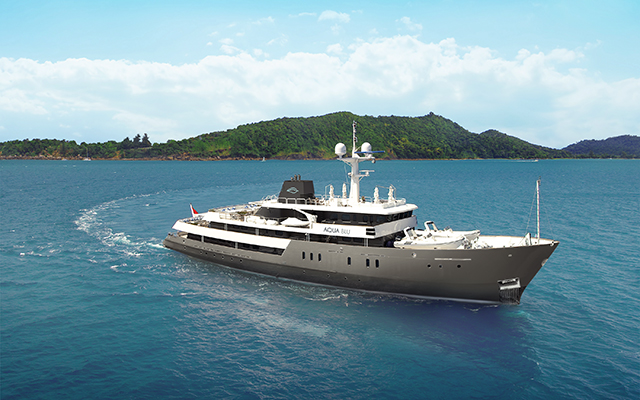
Boutique luxury cruise line Aqua Expeditions has made two new additions to its fleet, the Aqua Blu and Aqua Nera.
As Aqua Expeditions’ coastal ship debut, Aqua Blu will become the company’s first-ever long-range expedition-class yacht to be permanently based in the East Indonesian Archipelago with year-round departures.
Aqua Blu is part of Aqua Expeditions effort at diversifying its business operations
Aqua Blu will primarily serve three destinations on seven-night coastal cruise itineraries following its launch in November 2019: Raja Ampat (round-trip; December to January; 10 departures a year); Bali-Komodo National Park (bi-directional; April through September; 23 departures a year); and Ambon & Spice Islands (round-trip; October to November; seven departures a year).
The vessel will feature 15 individually-designed sea-facing suites in three cabin categories, with amenities including an outdoor plunge pool, spa, non-motorised water sports equipment like kayaks, and two high-powered tenders for sea excursions. Multiple excursions on land and water are planned to run concurrently. Water-based excursions will cater to both certified divers as well as leisure snorkellers.
Aqua Blu will also offer limited 12-night journeys called Limited Cross-Destination Voyages, which will only have a maximum of four departures a year, each sailing a different route.
Rates for seven- and 12-night Aqua Blu itineraries range from US$7,525 to US$16,475 per person in double occupancy.
Meanwhile, the Aqua Nera, a new-build river cruise boat, designed and constructed in Vietnam, will sail to the Peruvian Amazon, where it will begin operations on August 1, 2020. The vessel will have 20 river-facing suites, a plunge pool, gym, restaurant, lounge and spa.
Aqua Nera will offer three-, four- and seven-night river cruise itineraries with rates ranging from US$4,125 to US$10,325 per person in double occupancy.
Both Aqua Blu and Aqua Nera itineraries are now open for bookings.
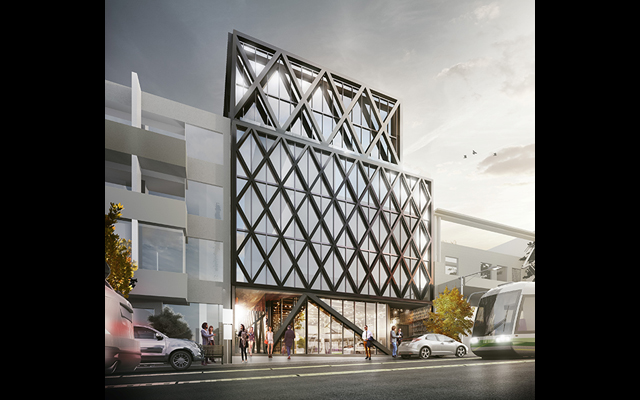
A rendering of the upcoming Mojo Nomad South Yarra
Ovolo Group is set to launch its Mojo Nomad brand in Australia in mid-2020.
Mojo Nomad South Yarra, which will become the brand’s signature flagship property, will open in the heart of Melbourne’s cultural hub of South Yarra and Toorak, close to Chapel St and public transport hubs.
A rendering of the upcoming Mojo Nomad South Yarra
The “social hotspot” will offer approximately 100 rooms with accommodation options ranging from beds, rooms, large rooms to suites. Ovolo says shared rooms will offer opportunities for interaction but also privacy screens, TVs, reading lights and Bluetooth headphone capabilities.
Residents can also enjoy a cinema room, library, gym and lounge in the residential areas.
Mojo Nomad is Ovolo’s design hotel concept that encourages guests to connect with new people, ideas and experiences.
The brand debuted in Hong Kong in 2017 and today has two locations in the city.
A new OTA dedicated to halal travel content has been launched, with a travel agent portal soon to be added to the site.
The UK-headquartered Rihaala is the latest brand from the team behind halal travel specialists Serendipity Tailormade and Luxury Halal Travel.
A screenshot from the Rihaala website
The website offers more than 1,500 properties in over 40 destinations worldwide, all selected based on their halal-friendly amenities and services, as well as the chance to explore user-generated content sourced from Instagram, Facebook and Twitter.
“Rihaala meets the demands and expectations of modern Muslim consumers who not only want to create their own travel packages online, but to be inspired by like-minded travellers through rich visual content on social feeds that paints a true picture of a destination,” said Nabeel Shariff, founder of Rihaala.com, Serendipity Tailormade and Luxury Halal Travel.
“In today’s digital age, consumers’ travel purchasing decisions are often influenced by videos and photos on social channels in real-time, rather than glossy destination images of the past. Visitors to Rihaala.com are guided by the visual experiences of other Muslim travellers posted on its ‘Wall of Inspiration’, providing them with true-to-life content to experience for themselves.”
Rihaala also provides information on destinations and hotels to help Muslim travellers select products and services that meet their faith-based requirements. Content includes halal dining options, privacy enhancements, alcohol-free environments, prayer facilities, family-friendly experiences, as well as a lifestyle-led blogs spanning multiple genres of interest to Muslim consumers.
“As travel technology has moved on, so have pilgrims, and we’re listening to consumers and how they want to book and experience travel in the future,” Nabeel said.
Rihaala has been launched in English, with an Arabic-language version to follow soon. The company currently in the process of a Series A round of investment with Dubai-based crowdfunding platform Eureeca.