TTG Asia
Asia/Singapore Friday, 2nd January 2026
Page 958

Construction in progress

0

INDONESIA
A distressed global travel and tourism landscape has so far failed to disrupt new hotel openings planned for Indonesia this year, although hotel developers in the country have adopted a wait-and-see stance for new projects.

Ferry Salanto, senior associate director of Colliers International Indonesia, told TTG Asia that no hotel projects have been put on hold since the outbreak struck early this year, and Aloft Seminyak has opened as planned in Bali.
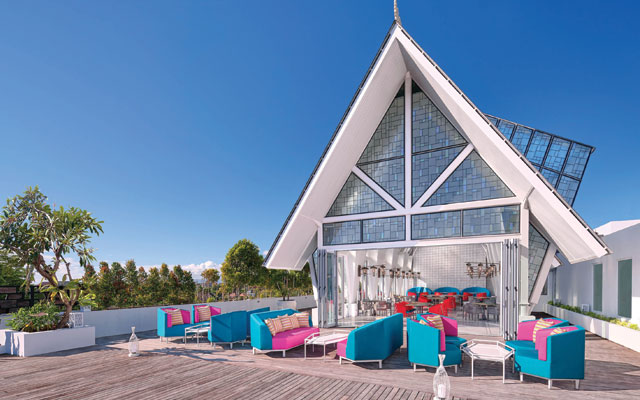
Aloft Bali Seminyak, Indonesia


Demonstrating tenacity, Artotel Group’s COO Eduard Rudolf Pangkerego revealed that “all projects will stick to plan”, even as most of Artotel’s partners were consolidating internally to ride out the Covid-19 pandemic.

That said, Eduard acknowledged that delays in construction due to restricted movements and activities as well as closure of businesses as part of health and safety measures will impact project work. Out of six to eight projects this year, Artotel Group hopes to be able to complete at least four by the end of 2020.

Similarly, Santika Indonesia Hotels & Resorts continues to maintain a target of 10 hotel signings and three to five openings this year, with another eight hotels that are slated for operations in 2021 and 2022.

Christy Megawati, business development manager with Horwath HTL, reasoned that ongoing hotel projects are able to continue because financing was secured before the Covid-19 crisis. Developments that are seeking financing now may need to be reassessed.

But with Indonesia’s “strong fundamentals of tourism”, established by a “heavy domestic component” along with a weakened Rupiah that makes the destination attractive to foreigners looking to stretch their dollar, investors will likely find Indonesian hotel projects attractive still, she opined.

What the country has in her favour, according to Armand Steinmeyer, director of business development and investment, Tauzia Hotels, is a hotel sector that is very responsive to market changes. He believes that Indonesia’s continued efforts to welcome foreign investment will pay dividends over time.

“The key message for most investors is that the current crisis has a short- to medium-term impact on business, and real estate is inherently a long-term business,” he remarked. – Tiara Maharani


JAPAN
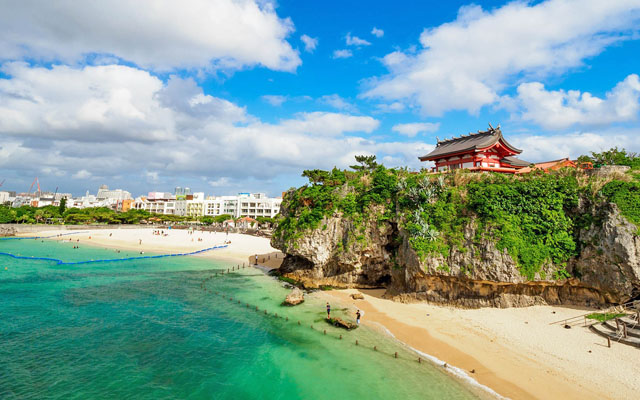
Japan is seeing strong growth in hotel development at press time, thanks to stable demand from domestic travellers and a continued uptick in international arrivals. Inbound tourism is a core component of the government’s long-term economic growth and regional revitalisation plans, and this brings confidence to the market.

In 2019, there was strong appetite from domestic and overseas investors to increase their hotel footprint. According to financial services firm JLL Japan, hotel operators nationwide expanded the number of chains while real estate companies and developers increased development due to attractive yield targets.

“The availability of strong financing in Japan, at almost zero interest, has firmly supported hotel development activities,” said company spokesperson Megumi Terakado.

Most recent developments are limited-service hotels held under a long-term lease agreement with the operator, thereby reducing risk. These hotels are particularly attractive to small and mid-size developers due to “easier feasibility of cash flow, the rarity of cohesive land in Japan to develop full-service hotels, and the size of investment required,” she explained.

Rapid hotel development is seen in Tokyo, Osaka and Kyoto, where hotel occupancy is 30 to 40 per cent higher than overall Japan’s at 20 per cent, according to JLL.

Meanwhile, rural areas in Japan have been experiencing a boom in resort, boutique and lifestyle hotel developments. These new properties dangle unique experiences to lure travellers.

However, a 2019 report by Mizuho Research Institute warned that price competition is intensifying in the boutique hotel category, where supply is starting to outstrip demand. – Kathryn Wortley

MALAYSIA
The Covid-19 pandemic has sent a chill through Malaysia’s hotels, which will likely see average occupancy rate plunging to around 25.4 per cent for 2020, according to the Malaysian Association of Hotels.
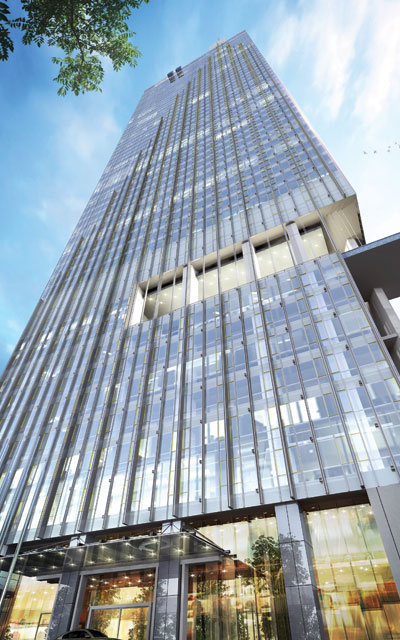
The Conrad Kuala Lumpur is scheduled to open in 4Q2021

This has presented a worrying situation for hotel owners and developers, with Previndran Singhe, managing director and CEO of Zerin Properties, predicting that those who are unable to sustain their business “will close or sell (off) their properties”.

Previndran opined that stabalisation in the hotel sector might only return a year after the pandemic ends.

At press time, most of Malaysia’s new hotel projects will only come online in 2021. Two hotel brands will debut in Malaysia next year – Conrad Kuala Lumpur with 544 keys and 8 Conlay Kempinski Hotel Kuala Lumpur with 260 rooms and 300 suites are both scheduled to open in 4Q2021.

Four Points by Sheraton Desaru is scheduled to open in February 2021 with 311 keys; Courtyard by Marriott will debut in Penang next July with 199 keys; and Fairfield by Marriott will open its second property in Malaysia early 2021 in Kuala Lumpur with 188 rooms.

Brendan M Wong, director of sales – Malaysia at D-EDGE Hospitality Solutions, said: “It is heartening to see more international brands entering the Malaysian market. Big brands bring with them an international (network) of customers who may not be familiar with Malaysia as a destination.”

Casting his eyes towards the future, Malaysian Association of Hotel Owners executive director, Shaharuddin M Saaid, said demand from the domestic leisure segment could pick up in 1Q2021 but refrained from providing a time frame as to when hotels would return to pre-Covid-19 occupancy levels.

He said: “It would depend on how quickly our major markets recover from the outbreak, when travel restrictions are lifted, and how soon foreign airlines resume their services to Malaysia and domestic airlines rebuild and expand their overseas network.” – S Puvaneswary


PHILIPPINES
Over the last several years, the Philippines had a healthy dose of new hotel developments – branded and homegrown alike – on the back of a growing economy, rising foreign arrivals and huge domestic market of 70 million Filipinos.

“But the Covid-19 fallout will hamper the completion of 6,590 keys (between) 2020 and 2023”, said Tim Hallett, consultant at Philippine property development consultancy NAI RCL.
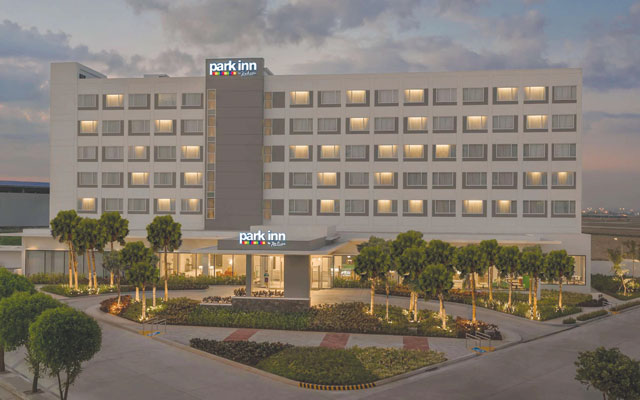
An artist’s impression of the Park Inn by Radisson Clark

Hallett said in a webinar that “development and project pipeline is officially on hold, with most developers, large and small, furloughing projects until the future has more clarity”.

It remains to be seen whether international brands that have plans to open from this year onwards will continue to do so. According to Colliers International Philippines, these brands include Okura, Movenpick, Mandarin Oriental; Okada Manila, Hilton Clark, among others, are looking to add rooms.

It is also a wait-and-see how successful homegrown brands like Seda and those owned by Filinvest, Rockwell, 8990 Holdings, Eton and Vista Land will spread across metro Manila.

Pre-Covid-19, developers in metro Manila were weaning off saturated CBDs in favour of the fringes and peripheries, near the international airport and Manila Bay MICE area, as well as further north to Ortigas, Pasig, and the untapped Quezon City area.

Outside the metro, groups like Marriott, Hilton and Park Inn By Radisson are expanding in Clark, which has her own international airport and gateway to Pampanga, Zambales, Baguio, Sagada and other tourist and business destinations.

C9 Hotelworks’ managing director, Bill Barnett observed that hotel developers are lured to beach-type locations topped by Cebu, Boracay and Bohol. Aside from Manila, the trio will return to popularity among the country’s top source markets, China and South Korea, when tourism returns. – Rosa Ocampo


SINGAPORE
Singapore’s hotel industry entered 2020 with strong promise, with all sectors posting positive growth following several years of “subdued performance”, shared Giuliano Esposito, senior vice president, strategic advisory & asset management Asia, JLL.

The economy segment grew the most by 4.1 per cent in 2019, followed by luxury at 3.2 per cent, midscale at 3.1 per cent and upscale at 0.6 per cent. This cross-industry growth came as Singapore welcomed more than 1,300 new hotel rooms last year, 60 per cent of which was concentrated in Sentosa.
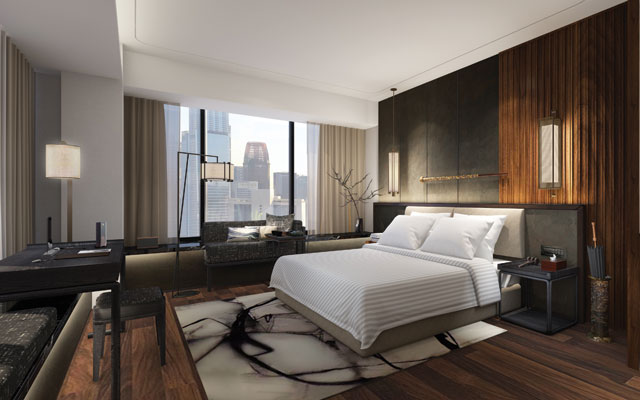
An artist’s impression of The Clan Hotel, Singapore’s grand premier room

Esposito said: “Prior to Covid-19, we were extremely positive about the growth prospects of the Singapore hotel sector. In terms of hotel supply, we are (now) forecasting limited growth in hotel rooms for 2021 and 2022, which would have allowed the sector to register sustained growth in RevPAR.”

There will now be limited openings in the city-state, with the new additions including Dusit Thani Laguna Singapore, which will open in July, and The Clan Hotel, a Far East Hospitality property that has had its 2Q2020 opening pushed back to November this year.

Esposito remains positive about 2021, stating that more developments will emerge in the upscale and midscale sectors, as well as in the Greater Southern Waterfront and Sentosa redevelopment areas.

The sector is taking measures towards post-pandemic recovery, with JLL working with the owners and operators of nine hotels in Singapore that it currently asset-manages.

“Ultimately, developments will slow due to the fact that the construction industry has come to a standstill. Developers and owners in Singapore are generally well capitalised and have good relationships with banks, so (projects) are likely to progress, just at a slower pace than expected. As the current situation is unprecedented, we are working with owners and operators to start devising different scenarios of recovery, which may involve a complete re-think of target markets,” he shared.

“We still expect Singapore to continue to attract capital into the sector as it has proven to be able to rebound, based on its solid fundamentals. The city is considered a safe haven and we believe that safe haven destinations will likely benefit from the current situation.” – Pamela Chow

THAILAND
Over the past year, many luxury hospitality brands have made or planned their debut in Thailand. In 2019, Thailand welcomed South-east Asia’s first Waldorf Astoria, as well as the country’s first Capella and Rosewood properties.

Bangkok saw further expansions on a slew of mixed-use developments and integrated resorts including ICONSIAM, Mahanakhon Bangkok, the openings of Samyan Mitrtown & Sindhorn Village, and continued construction of One Bangkok (opening 2022).
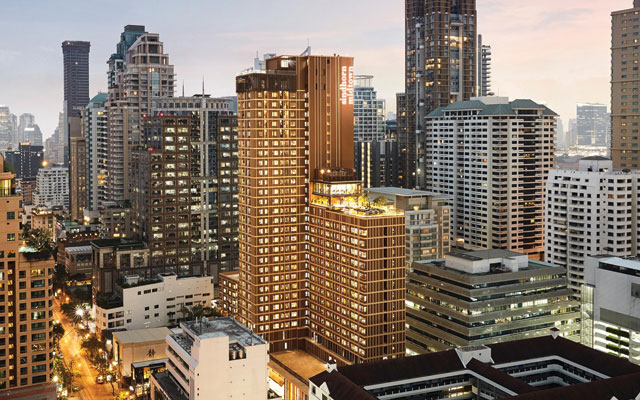
Sindhorn Midtown Hotel Bangkok, Thailand


The year 2019 also witnessed the flagship Dusit Thani hotel being torn down to make way for mixed-use project Dusit Central Park (opening 2024).

Pre-Covid-19, JLL data showed Bangkok had a total future supply of 11,420 keys opening between 2020 and 2022 – around 29 per cent in the mid-scale segment, 56 per cent in the upscale segment, and 14.8 per cent in the luxury segment; 5,627 of those (49.2 per cent) were scheduled to open in 2020.

“Thailand on paper has a robust pipeline going into late-2020, but the impact of Covid-19 has seen a failure to launch by new hotels all over the country in both Bangkok and resort markets,” said Bill Barnett, managing director of C9 Hotelworks.

“In 1Q2020 hotels set to soft-open or fully-open made quick decisions to push back on paper at least to 3Q and 4Q. We’d expect this situation to domino and push some scheduled later in 2020 to 2021,” he stated.

While a few hotels such as Villa de Phranakorn and Sindhorn Midtown went ahead with their openings in February and March, respectively, the onset of the pandemic led many hotels in Thailand to shut their doors until May or even June.

Luxury hotels scheduled to open mid-year have been pushed out to 3Q2020 or later; they include Sindhorn Kempinski, Capella Bangkok and Banyan Tree Krabi.

Mahanakorn Orient Express, scheduled to open by end-2020, has been postponed indefinitely.

Commenting on Phuket’s hotel developments, Barnett said the popular resort destination has 24 new hotels and 5,735 keys in the pipeline, and the crisis is hurting mostly hotels in the planning cycle.

“Has the pipeline stopped? Absolutely not, but each and every developer is now rationalising and understanding they need a scale of guests to open. That’s the big question,” said Barnett.

“Projects that are now paused (are the ones) that we see are still in design or pre-development (phase); the ones under construction for the most part are going ahead. If projects are stopping now, it might be related to pre-Covid-19 issues, are under-financed, etc,” he added.

A C9 Hotelworks report released in May 2020 highlighted five new hotels with 1,627 keys in the pipeline for small resort town Hua Hin.

“Noteworthy (for Hua Hin) is a growing long-stay segment that is pushing into the villa rental segment. By location and catchment of key demand generators – wellness and retirement, (Hua Hin’s) markets are poised to grow,” said Barnett. – Anne Somanas


VIETNAM
As one of the few destinations that escaped the full brunt of the Covid-19 pandemic while benefitting from growing travellers’ interest, Vietnam’s hotel landscape has been able to remain strong as major players continue to pump up their presence in the destination.

The island of Phu Quoc has seen substantial investment in recent years as its popularity grows. And it is showing no signs of slowing with a series of hotels slated to open.

The 305-room Mövenpick Resort Waverly Phu Quoc and adjacent Mövenpick Residences Phu Quoc, which comes with 329 apartment-style residences and 79 pool villas, were the latest additions in April.
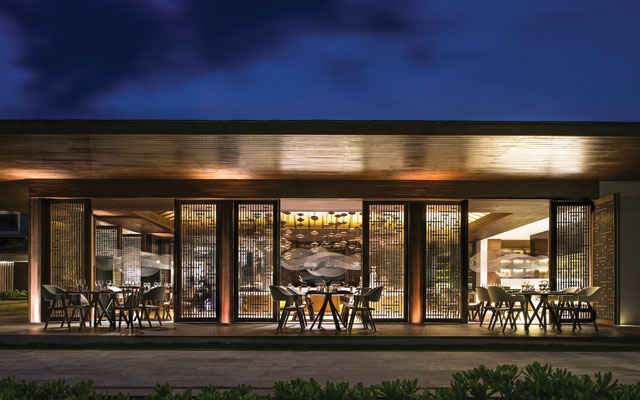
Anantara Quy Nhon Villas, Vietnam


InterContinental Hotels Group’s Regent brand is slated to establish a presence on the island later this year.

Jeff Redl, managing director of Diethelm Travel Vietnam, noted a rise in boutique properties in Hanoi city centre. Redl said there has been a particular focus on four-star properties, which were “missing” in the destination.

He added: “These newly opened properties have paid extra attention to design, which is more in line with the country’ history and culture compared to other properties. Demand was on the rise, especially from European markets. They are travellers who usually love to experience local heritage and look for an authentic atmosphere.”

Coastal development is also on the rise in both established and emerging destinations.

Linh Le, principal and co-founder of Luxperia, said development in emerging destinations is being driven by the local market.

Redl noted the Central Vietnamese coastal city of Quy Nhon is another area where interest for resorts development has recently boomed. Anantara opened a property there last year. Zannier Hotels will open in December and Fusion will follow in 2021. – Marissa Carruthers
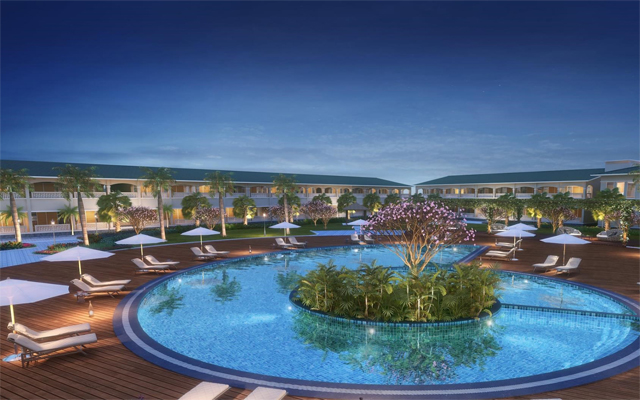
Nepal and Bhutan next for Wyndham’s portfolio expansion

0
Hawthorn Suites by Wyndham Dwarka

Wyndham Hotels & Resorts will make its property debut in Nepal this August and in Bhutan come March 2021, as part of its continued expansion across the Indian subcontinent.

Ramada by Wyndham Valley Thimpu, Bhutan, will offer 41 spacious rooms, including many with panoramic views of the magnificent Himalayas. Tucked in the Thimpu valley by the free-flowing Raidāk River, its location will provide easy access to special events at the Tasichho Dzong, the giant statue of Buddha Dordenma, and the sacred Memorial Chorten site.

Wyndham grows its footprint across the Indian subcontinent, with planned properties in Nepal and Bhutan, following the opening of the Hawthorn Suites by Wyndham Dwarka (above)

Ramada Encore by Wyndham Kathmandu Thamel, Nepal, will be situated in the Thamel district of Kathmandu. The hotel will offer 90 guestrooms with a range of amenities to make for a comfortable stay and a rooftop promising a scenic view of the city.

The announcements came on the back of the company’s latest opening in the region, the Hawthorn Suites by Wyndham Dwarka – the brand’s debut in India.

Later this month, Wyndham will welcome the 45-key Ramada by Wyndham Mussoorie Mall Road at a hill station in the Dehradun District of the Indian state of Uttarakhand. Referred to as the Queen of the Hills, Mussoorie is popular with leisure and business travellers.

Nikhil Sharma, area director, Eurasia, Wyndham Hotels & Resorts said: “Over the last few years, Bhutan and Nepal have seen a steady increase in tourism, making them ideal destinations for us to expand into. What’s more, they perfectly complement the opportunity and uptick of the mid-scale market in India, which we’ve strengthened today with the introduction of our Hawthorn Suites by Wyndham brand.

“As the Indian subcontinent continues making waves in the hospitality industry, Wyndham remains laser focused on tapping into its key markets and fulfilling our mission of making hotel travel possible for all.”

Wyndham is currently one of the largest international hotel companies in India. Besides Hawthorn Suites by Wyndham Dwarka, the company has opened two other properties in the country since January 2020: Ramada by Wyndham Aligarh GT Road in January and Ramada Plaza by Wyndham Pune Hinejwadi in March.

Cathay Pacific ramps up sustainability focus

0
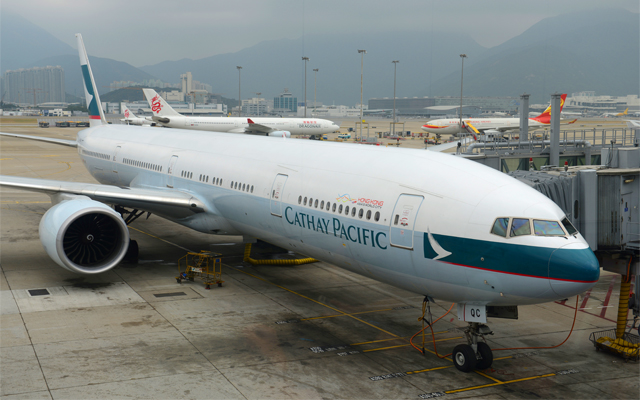
Cathay Pacific Boeing 777-300 at the gate in Hong Kong International Airport (Chek Lap Kok Airport) in Hong Kong, China.

The Cathay Pacific Group has released its 2019 sustainable development report highlighting its efforts in moving towards greener aviation, and its community engagement initiatives.

These endeavours focus on climate change, the efficient use of resources, waste management, and supporting people and community.

Cathay Pacific pledges to halve its single-use plastic packaging by end-2022

The Hong Kong airline said that it has set a target to reduce its single-use plastic footprint by 50 per cent by the end of 2022, removing nearly 200 million pieces of single-use plastic from its operations annually.

The carrier has also introduced new efficiency initiatives, added six new, more fuel-efficient Airbus A350s to its fleet, and scaled up climate change risk and mitigation planning.

In addition, Cathay also committed to the continued support of communities through its Cathay ChangeMakers initiative, which aims to recognise citizens who have made positive contributions to society; and its I Can Fly programme, which recruits Hong Kong students who show a passion for aviation.

Cathay Pacific CEO, Augustus Tang, said: “At the time of preparing this report, a public health emergency has rocked the global economy. It feels more important than ever to foster positivity, to protect our people, to strengthen our communities and to confront the major challenges we face.

“We are very determined to play our part in this hugely important undertaking; one which requires us to be financially successful but in a socially and environmentally responsible manner. Our commitment to developing sustainably with transparency and accountability is undiminished.”

New hotels: Raffles Bali, Far East Village Hotel Ariake, and more

0
Raffles Bali sunset

Raffles Bali, Indonesia
Located in Jimbaran Bay, the hilltop Raffles Bali has soft opened, offering vistas of the Indian Ocean and its own secluded beach. All 32 pool villas on the property features an outdoor terrace and private pool, indoor and outdoor showers, yoga mats and beach accessories, and a soaking tub. F&B venues include the brand’s iconic Writers Bar; Rumari restaurant, which serves up Balinese cuisine; Loloan Beach Bar and Grill, a seafood resturant; as well as The Secret Cave and the Purnama Honeymoon Bale, both for intimate dining experiences. Also on show is a library and spa.

Raffles Wellbeing Butlers are also on hand to arrange bespoke cultural experiences, from temple dance ceremonies to traditional cooking classes. Raffles Bali will be the first Raffles to launch the brand’s new wellbeing programme, Emotional Wellbeing by Raffles.

Far East Village Hotel Ariake, Japan
Far East Hospitality has opened its Far East Village Hotel Ariake in Japan. Previously known as Village Hotel Ariake Tokyo, the 306-key property is the first hotel under the Village brand to expand its presence outside of Singapore. Located in Koto City, the eastern part of Tokyo, Far East Village Hotel Ariake targets the domestic business community who will be attending conferences and exhibitions at Tokyo Big Sight – one of Japan’s premier exhibition arenas and convention centre. The hotel is also located a short walk from Ariake Tennis Park and the Ariake Arena.

Mercure Ambassador Seoul Hongdae, South Korea
Come August, Accor Ambassador Korea, in partnership with Seohan Tourism Development, will open its third Mercure-branded hotel in South Korea. The Mercure Ambassador Seoul Hongdae will feature 270 guestrooms, an all-day-dining restaurant, a lobby bar, fitness centre and laundromat. For corporate meetings and events, a business corner and meeting facilities are available; while the outdoor courtyard garden offers the perfect venue for private parties and cocktails.

The Ritz-Carlton, Nanjing, China
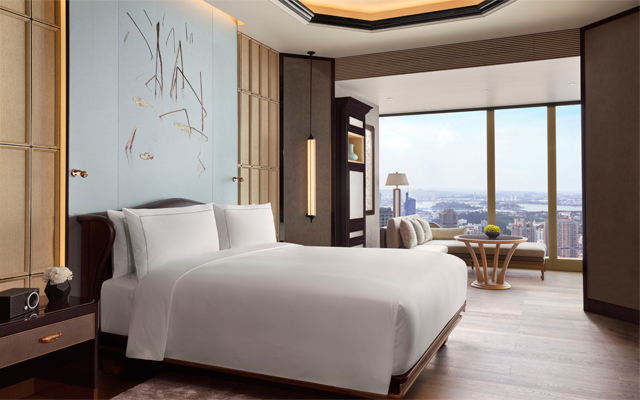
Overlooking Xuanwu Lake and Purple Mountain, The Ritz-Carlton, Nanjing towers 62 stories above the city’s CBD, on the uppermost floors of the upscale Deji Plaza. The hotel features 295 rooms, including 32 suites with kitchen and dining areas. Available are five F&B outlets, including Cantonese restaurant Dai Yuet Heen, all-day dining outlet Lavandula, and rooftop bar-restaurant Flair. Also on-site are a spa, a 24-hour fitness centre and yoga studio, and an indoor swimming pool. Meeting planners can avail more than 2,200m2 of event space, including The Ritz-Carlton Ballroom with an outdoor terrace, The Plaza Ballroom, and seven multi-functional meeting rooms.

Kempinski Hotels expands partnership with Clean the World

0

More properties under the Kempinski Hotels group have joined the Clean the World programme, which donates soap to vulnerable communities around the world while protecting the environment from harmful waste.

This is said to be an expansion of Kempinski’s existing work with Clean the World, as it seeks to reinforce its commitment to improve environmental impacts and support social initiatives.

Kempinski partners Clean the World to recycle discarded soap bars and donate them to needy communities

Clean the World’s hospitality programme takes discarded soap bars and bottled amenities, and recycles them in order to protect the environment, preserve natural resources, help communities in need, and to reduce costs.

The seamless process starts with a housekeeping service collecting the used soap and amenities, and sorting them into Clean the World-provided bins. Once full, the bins are shipped to one of six Clean the World warehouses, where the soap is then run through a special filtration process, whereby all debris is removed and filtered into ‘grind’.

The grind is then processed into new soap bars and packed for distribution by partners around the world, including United Nations High Commissioner for Refugees, Children International and the Red Cross.

“We are incredibly excited to be working with Clean the World, whose commitment to sustainability and continued support for impoverished communities around the world amplify our corporate social responsibility,” said Benedikt Jaschke, chief quality officer and member of the Kempinski Management Board.

Jaschke added that Kempinski’s work with Clean the World to “fight the global spread of preventable diseases” was “even more vital as we face the current global pandemic”.

Commenting on the partnership, Shawn Seipler, founder and CEO of Clean the World, said: “(Kempinski Hotels’) forward-thinking and corporate sense of responsibility to enhance their sustainability efforts to now include soap recycling speaks volumes about who they are as a brand. They are prioritising putting life-saving soap into the hands of people who need it, while also protecting the environment from harmful waste.”

Since the beginning of the pandemic, Clean the World has continued to work tirelessly to distribute over three million bars of soap to homeless shelters, food pantries, refugee camps and emergency healthcare facilities around the world. It is calling on all hotels to recycle their soap rather than dispose of it, so they can help stop the spread of Covid-19 and prevent a future resurgence of the virus within vulnerable populations.

Princess Cruises updates summer 2021 sailings for US and Europe

0
Princess Cruises Alaska

Princess Cruises’ summer 2021 season will see Majestic Princess being deployed for the first time to Alaska while Regal Princess will return to Europe.

Majestic Princess‘ Alaska deployment replaces Regal Princess, and will fulfill all published Seattle Inside Passage departures from May to September, except the May 4, 2021 departure of a five-day Alaska Sampler which will be cancelled.

Majestic Princess will set sail for her inaugural Alaska season, while Regal Princess will return to Europe

In her Europe deployment, Regal Princess will sail from Southampton, England, replacing Grand Princess for summer 2021. Regal Princess will sail on 17 round-trip departures from Southampton to the Mediterranean, Norway, Scandinavia, Iceland and other popular destinations in the region.

As a result of this change, the Regal Princess South Pacific Crossing, as well as two Grand Princess seven-day Europe cruises will be cancelled.

Grand Princess will be deployed to the West Coast for a new summer Mexico and California Coast season, departing from Los Angeles, with details to be announced later this summer.

Guests booked on Regal Princess Alaska and Grand Princess Europe voyages will have their booking automatically moved from Regal Princess to Majestic Princess in Alaska, and from Grand Princess to Regal Princess in Europe, and will receive a new booking confirmation.

Anantara offers luxury train trips through Vietnam

0
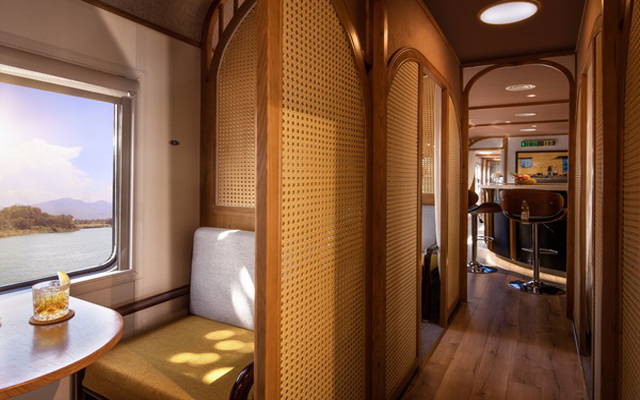
The Vietage Interior

The Vietage, a 12-seat carriage, has launched luxury railway journeys through the Vietnamese countryside linking Danang and Quy Nhon.

Developed by Anantara, The Vietage will journey between Anantara Hoi An Resort and Anantara Quy Nhon Villas. The six-hour journey passes through local villages, the rural countryside, and stops at a few stations on the way.

The Vietage offers luxury train travel experiences for guests exploring Vietnam

Amenities on board the custom-designed carriage include a sit-up bar, and a dedicated area with spa treatment chairs.

A one-way ticket aboard The Vietage costs US$185 per person, including a three-course meal, free-flow drinks, bar snacks, and a 30-minute head and shoulder treatment.

An à la carte menu also offers premium wines, champagnes and treats such as local caviar and cheeses, all available for pre-purchase.

The Vietage departs from Danang every morning at 09.31, arriving at Dieu Tri station in Quy Nhon at 15.43. The return journey departs Dieu Tri at 17.29 and arrives in Danang at 23.01. The Vietage runs for eleven months each year, taking a break during the annual Vietnamese Tet holiday period.

AirAsia’s Ourshop partners FAMA to help farmers sell produce

0

AirAsia’s e-commerce marketplace, Ourshop, is partnering the Federal Agricultural Marketing Authority (FAMA) to support local farmers by providing a platform for them to sell their fresh and frozen produce.

To do so, Ourshop, powered by AirAsia’s logistics arm Teleport, launched a new category called Ourfresh on its platform, offering produce direct from the source, with next-day delivery guaranteed for Klang Valley customers.

AirAsia’s Ourshop offers local farmers a direct channel to sell their fresh and frozen produce

Ourshop will feature products from a total of 200 farmers of various fruits, vegetables, poultry and fish.

Ourshop head of marketing, Grace Chin, said they decided to introduce Ourfresh as they “saw the growth of fresh and frozen produce during the movement control order”. The initiative aims to help local producers grow beyond traditional markets and expose them to new customers, she added.

The venture will kick off in Klang Valley, before expanding throughout Malaysia, and then, the South-east Asia region.

Preferred promotes staycations in India

0
The Leela Palace Udaipur

Preferred Hotels & Resorts has launched Loving Local, a global campaign championing local and regional hotel stays, in India.

The campaign, rolled out across 21 destinations, aims to encourage travellers to staycation within their hometown or venture further into their surrounding region to enjoy authentic hospitality at more than 200 participating hotels and resorts worldwide.

Preferred encourages Indian travellers to staycation at members hotels like The Leela Palace Udaipur (above)

In India, there are 16 participating member hotels, including The Leela Palace Udaipur, The Leela Palace Bengaluru, The Imperial New Delhi, and Welcomhotel Amritsar.

The campaign is valid for bookings made by July 31, 2020 for stays of two nights or more through December 31, 2020.

India agents petition for expedited airfare refunds

0

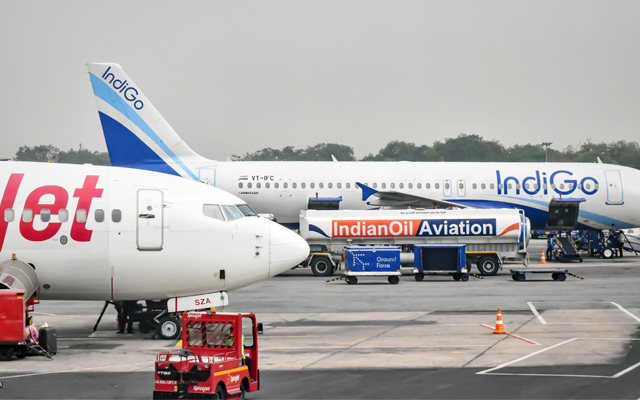
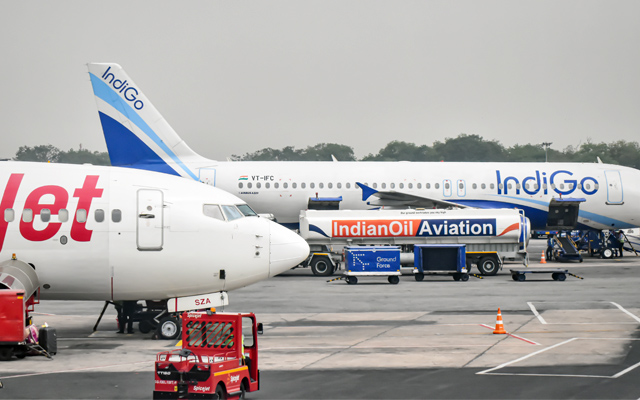
The IATA Agents Association of India (IAAI) has filed a petition with the Supreme Court of India, calling for the powers to order airlines to expedite refunds for cancelled tickets.

This follows continued inaction from airlines despite the Supreme Court of India instructing the Ministry of Civil Aviation and Directorate General of Civil Aviation (DGCA) on June 12 to work out a solution for the refund of airfares to passengers.

Airlines in India continue to deny refunds to travel agents, who are buckling under financial strain

Biji Eapen, national president of IAAI, said: “We have requested aviation regulators to direct airlines (to make) full refunds of all tickets issued before and after March 24 for the flights that were supposed to operate (but were) cancelled due to the coronavirus situation, travel restrictions and lockdowns.”

The elusive airfare refunds have put additional pressure on Indian travel agents who are battling mounting financial losses due to the pandemic.

Jyoti Mayal, president of the Travel Agents Association of India (TAAI), told TTG Asia that some member travel agents, who have been hounded by clients for airfare refunds, have had to dig into their own pockets, despite that being ill-advised by the association.

In addition to refusing full refunds, airlines have also insisted that financially-stretched travel agents fulfill their IATA payments on time, revealed Mayal.

Vineet Raina, founder and managing director, Pink Elephant Journeys, remarked: “The airlines are legally required to provide refunds to customers who had their flights cancelled because of the coronavirus.

“In most of the cases, the airlines…are providing a credit shell, valid up to one year (in place of full ticket refund). That is clearly in violation of the DGCA instruction.”