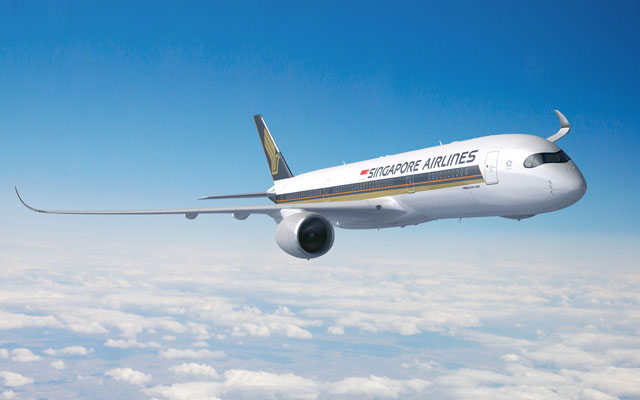
Singapore Airlines adds Riyadh to network, boosts frequencies for Northern Summer 2026 Singapore Airlines (SIA) will expand its network in 2026 with the launch of a new Middle East route and higher frequencies across key Asian and regional destinations during the Northern Summer season.
The airline will commence four-times weekly non-stop services between Singapore and Riyadh in June 2026, subject to regulatory approvals. The route will be operated by the medium-haul Airbus A350-900, configured with 303 seats, including 40 in Business Class and 263 in Economy Class. Flight SQ498 will depart Singapore on Tuesdays, Thursdays, Saturdays and Sundays, with the return flight SQ499 operating on the same days. Riyadh will become the SIA Group’s second destination in Saudi Arabia, alongside Scoot’s four-times weekly service to Jeddah.
In addition, SIA will increase frequencies and capacity on selected routes during the Northern Summer 2026 season from March 29, 2026 to October 24, 2026. Bangkok will gain an additional daily service from March 29, 2026, bringing operations to seven daily flights. Yangon will increase from seven to 10 weekly services from March 31, 2026, while Surabaya will rise from 19 to 21 weekly flights from March 29, 2026.
Colombo will operate 10 weekly services between March 29, 2026 and April 30, 2026, before increasing to 14 weekly flights from May 1, 2026. The Airbus A380 will be deployed on the Singapore-Dubai route throughout the Northern Summer 2026 season.
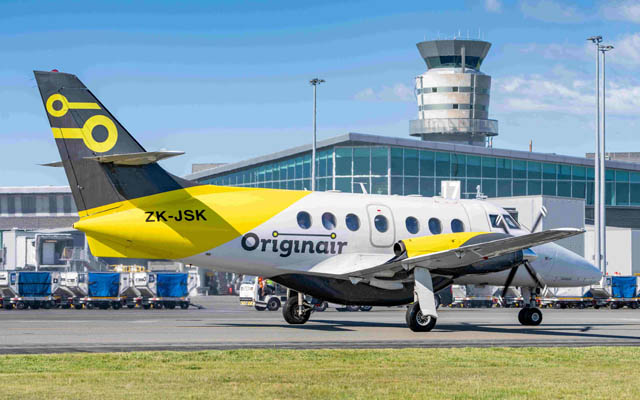
Originair
Originair launches Christchurch-Nelson service Originair has introduced a new direct service between Christchurch and Nelson from February 13, operating twice weekly on Fridays and Sundays.
Flights will be operated by the 18-seat British Aerospace Jetstream 32 turboprop, with a flight time of approximately 50 minutes. The service adds capacity on the route alongside existing Air New Zealand operations.
The new link strengthens connectivity between Canterbury and the upper South Island, supporting both business and leisure travel as well as access to essential services.
Malaysia Airlines and Firefly
Malaysia Aviation Group boosts domestic capacity for Hari Raya Malaysia Aviation Group will operate more than 2,700 domestic flights during the Ramadan and Hari Raya Aidilfitri peak period through Malaysia Airlines and Firefly.
Malaysia Airlines is set to operate up to 1,557 flights, while Firefly will run up to 1,176 services across Peninsular Malaysia and East Malaysia, increasing overall domestic capacity during the festive season.
To meet higher demand, Malaysia Airlines will deploy larger aircraft on routes including Alor Setar, Kota Bharu, Terengganu, Miri, Sibu, Kuching, Tawau, Sandakan and Kota Kinabalu. The airline will also introduce red-eye services to Kota Kinabalu, Sandakan and Kuching to maximise seat availability during the peak travel window.
Air Astana
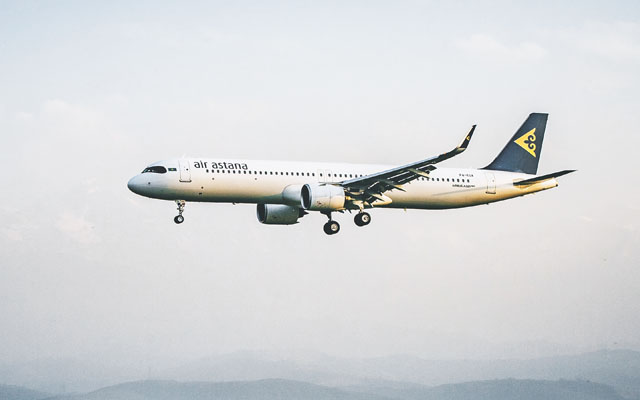
Air Astana expands China and Azerbaijan network Air Astana will strengthen its international network in March 2026 with the launch of a new China route and the resumption of services to Azerbaijan, alongside frequency increases.
The airline will launch flights between Almaty and Shanghai at the end of March 2026, expanding its China network, which currently includes Beijing, Guangzhou, Sanya and Urumqi. Air Astana first introduced services between Kazakhstan and China more than 20 years ago. Operated by Airbus A321LR aircraft, flights from Almaty will depart on Tuesdays, Thursdays and Sundays, with return services operating on Mondays, Wednesdays and Fridays.
Air Astana will also resume direct flights between Almaty and Baku from March 15, 2026. The route will initially operate twice weekly on Thursdays and Sundays, increasing to three weekly flights in April and to four weekly services from May, operating on Mondays, Thursdays, Fridays and Sundays.
In addition, the Atyrau-Baku route will increase to three weekly flights. From March 18, 2026, services will operate on Mondays, Wednesdays and Saturdays, before shifting to Tuesdays, Thursdays and Saturdays from April.
Kamal Munasinghe has been appointed general manager of Cinnamon Life at City of Dreams, while continuing his responsibilities as senior vice president – Colombo hotels at Cinnamon Hotels & Resorts.
A hospitality veteran with over three decades of experience, Munasinghe most recently served as COO of Cinnamon Hotels & Resorts, overseeing a portfolio of 17 properties across Sri Lanka and the Maldives.
He has held senior roles with Marriott, Hyatt, Mövenpick, Cinnamon Grand Colombo, and Alila Bangsar Kuala Lumpur.
Hotel groups across Asia-Pacific are reporting record signings and strong development pipelines, underscoring confidence in the region’s growth
Travel spending remains resilient, with consumers continuing to prioritise travel despite geopolitical and economic uncertainties
Industry forecasts point to sustained growth, with rising international arrivals and strengthening intra-Asia travel through 2027
Asia-Pacific’s travel and hospitality sector continues to show strong growth momentum, supported by robust demand and expanding hotel development pipelines; photo by Jesse33
Despite a backdrop of intensifying geopolitical tensions, travel and tourism business leaders in Asia-Pacific are stepping into 2026 with optimism.
Coming off another year of “exceptional year of growth and development momentum”, Marriott International’s Asia-Pacific excluding China (APEC) team expects strong performance in 2026 and forward.
The company’s 2025 performance report for the APEC region, issued on February 12, boasted the third consecutive year of record-breaking development activity. There were 187 organic deals representing more than 28,000 rooms signed in 2025, a 32 per cent year-over-year increase. And the company closed the year with more than more than 730 open properties across 22 countries in APEC, spanning 27 brands, and with more than 400 hotels and over 86,000 rooms in the development pipeline.
Commenting on the 2025 results, Rajeev Menon, president, Asia-Pacific excluding China, Marriott International, said he remains “pretty optimistic and bullish (about) our part of the region”.
Another lodging heavyweight in Asia-Pacific, Ascott, signed a record 19,000 units across 102 properties in 2025, marking 27 per cent year-on-year growth. Its portfolio expansion has resulted in entry into new destinations in the region, such as Wellington (New Zealand), Phuket (Thailand), Langkawi (Malaysia), and Lucknow (India).
Simon Cameron, founder of luxury travel agency, Lightfoot Travel, who sees continued appetite for travel among high-net-worth clients, said travel interest in Asia-Pacific destinations can be inferred from the rate of luxury hotel development in the region.
“Look at the number of Shangri-Las, Amans, Rosewoods and Mandarin Orientals that have opened or are opening here,” said Cameron, adding that airline expansion into new destinations are also spurring travel interest and contributing to tourism growth.
Travel spend holds strong
Simon Baptist, principal economist, Visa Asia Pacific, told TTG Asia that Asia-Pacific bears a “generally resilient outlook”.
“Our latest indicators, including the Spending Momentum Index (SMI) Report for 4Q2025, show a region moving in different gears: some markets are easing after very strong rebounds, while others are stabilising as cost pressures moderate. What’s most notable is that spending patterns are being shaped less by a single regional trend and more by local factors, from household purchasing power to price sensitivity and category‑level shifts,” Baptist explained.
Due to VUCA conditions, he expects spending confidence to remain uneven across Asia in 2026. While some households adjust to higher living costs, others are benefiting from stronger labour markets and stabilising economic conditions.
He added: “Across emerging Asia, we see spending growth normalising after a strong surge in 2024 and early 2025 in many markets. Indonesia and Thailand eased more sharply, while India and Vietnam moderated more gradually. This looks less like a slowdown and more like a return to a sustainable pace as post‑pandemic effects fade.
“So, even in a VUCA environment, consumption in Asia remains resilient, though drivers differ by market, ranging from tourism to wage conditions to inflation.”
In a world of growing geopolitical tensions, Menon regards “hospitality (as) the frontline troops of the economy” – it thrives in times of peace and stability.
“Yet, something has changed after the pandemic,” he said. “People are putting a higher priority on travel over other expenses. This isn’t a short-term trend. It is clear in every research and credit card data that around the world people are prioritising travel and experiences well over many other expense items on their day to day basis.”
Menon also highlighted the growing attention the region is getting for its economic progress, which has a positive impact on travel consumption.
“Due to investments in South-east Asia and South Asia from Western and Chinese sources, this region has seen a real emergence of the middle-class over the last six to eight years. These people are acquiring wealth, they are aspirational, they want to travel – all of which bode well for the world of hospitality,” he stated.
Illustrating the value of intra-Asia travel, Menon shared that Marriott International’s APEC room night mix was dominated by APEC travellers in 2025 – the segment made up 56.4 per cent of the total. India (29 per cent), Japan (15 per cent), Australia (11 per cent), South Korea (nine per cent), and Indonesia (eight per cent), formed the top five APEC source markets of travellers.
“Once, we had to rely heavily on other parts of the world to bring travellers to our region. Today, almost 57 per cent of the business in our world is being generated in Asia-Pacific excluding China,” he stated.
The economic importance of Asia-Pacific can be seen from the way global analysts are regarding the region. Menon noted that analysts used to look at how China’s activities were impacting the rest of Asia-Pacific a decade ago. In recent years, however, analysts have been reviewing APEC’s development as a standalone entity, and placing as much importance on the region when compared to China.
Travel tech firm Klook’s latest Travel Pulse research, conducted with consumer insights platform GWI and involving 11,000 respondents globally, supports observations of a resilient travel appetite. It found that 88 per cent of respondents plan on either maintaining or increasing their travel budgets in 2026.
“We hear a lot of talk about recession, intensifying economic pressure, and rising cost of living, so this intention to travel and spend is a very, very positive sign,” remarked Marcus Yong, vice president global marketing at Klook.
Singapore serves as a key hub in Asia-Pacific, where rising travel appetite and intra-regional flows continue to shape the tourism landscape
Travel intention is stronger among Asia-Pacific respondents (64 per cent) compared to those in the west (43 per cent). Travellers from Indonesia, India, Malaysia, the Philippines, and Vietnam are found to be most willing to splurge on travel this year.
The Singapore travel market is also one to watch, according to Yong, as residents in the city-state lead the way in terms of expected travel spend in 2026.
According to the Travel Pulse research, travellers from Singapore are expected to spend US$2,500 on their next trip this year, compared to US$2,089 and US$2,080 by travellers from Hong Kong and China, respectively.
“Asia continues to be the heartbeat of where all this is happening,” commented Yong, adding that Asia-Pacific travellers are two times more likely than their western counterparts to spend more on destination experiences.
Sixty-one per cent of respondents also intend to make a trip within the first half of the new year compared to 50 per cent who said the same in 2025.
While civil unrest have caused some clients to reconsider destinations, Cameron said there were many other destinations for travellers to choose from, allowing holidays to proceed.
Encouraging projections
Industry players’ confidence in Asia-Pacific’s travel and tourism health is backed by further data.
PATA’s Asia Pacific Visitor Forecasts 2025–2027 report, updated in mid-2025, tracked an encouraging and continuous improvement in international visitor arrivals (IVAs) to Asia-Pacific. IVAs are expected to reach 801 million by 2027 in a realistic medium scenario, up from 692 million in 2025.
The forecast, produced in collaboration with the Hospitality and Tourism Research Centre of the School of Hotel and Tourism Management at The Hong Kong Polytechnic University, acknowledges the volatile environment that travel and tourism operates in.
The study found that Asia-Pacific region’s tourism performance will return to pre-Covid levels even under a severe projection scenario.
Euromonitor International’s Top 100 City Destinations Index 2025, published last December, also highlighted strong growth in IVAs to Asia-Pacific. It marked Asia-Pacific as the second-largest region for international arrivals, recording the fastest growth globally with inbound trips rising 10 per cent to surpass 350 million.
Hot destinations, according to the index, include Bangkok, Hong Kong, Macau, Tokyo, Singapore, and Seoul.
It said that tourism momentum across the region was supported by visa relaxations, infrastructure upgrades, and high-profile cultural and sporting events, strengthening connectivity and enhancing visitor experiences.
South Africa is intensifying efforts to narrow a significant tourism gap with Indonesia, shifting its focus towards strategic repositioning and streamlined access.
Speaking at the ASTINDO Travel Fair 2026, Patricia de Lille, South Africa’s minister of tourism, noted that while 30,000 South Africans visited Indonesia in 2025, only 3,000 Indonesians travelled in the opposite direction.
From left: Patricia de Lille and South Africa Ambassador to Indonesia Mpetjane Kgaogelo Lekgoro; photo by Tiara Maharani
“That gap shows the opportunity. Our task now is to convert interest into actual arrivals,” de Lille said, describing Indonesia as a high-potential source market.
To support this growth, the ministry has prioritised simplifying travel logistics by removing bureaucratic hurdles. The long-standing challenge of visa access has been addressed through an Electronic Travel Authorisation (ETA) system, allowing Indonesian visitors to apply online and receive approval within 24 hours. De Lille noted that “the process is now digital, simple and fast”, adding that easier entry forms the foundation of a broader strategy to position South Africa as a premier Muslim-friendly destination.
This cultural positioning draws on a 350-year historical connection rooted in the Cape Malay community and the legacy of Imam Yusuf Makassar, an Indonesian religious leader who founded South Africa’s oldest mosque.
“We share a historical connection through Islam… That history continues to shape everyday life in South Africa in ways that Indonesian travellers can relate to,” de Lille explained.
To reinforce this bond, South Africa is exploring the development of a Muslim-friendly safari lodge in Kruger National Park, incorporating prayer facilities and halal dining into the wilderness experience.
Beyond the traditional safari offering, the destination is also seeking to showcase its cultural, historical, urban and adventure experiences to broaden its appeal.
Neliswa Nkani, Tourism South Africa’s hub head for the region, told Jakarta outbound travel agents during a workshop that more than 3,000 adventure activities are available, ranging from whale watching to bungee jumping.
Nkani also highlighted the country’s culinary diversity: “Durban is also known for curry. They are the best curries in South Africa.” New attractions such as the Kgodumodumo Dinosaur Interpretation Centre – which attracted 80,000 visitors in its first six months – further diversify the itinerary for history and science enthusiasts.
Despite these varied offerings, a key challenge remains overcoming perceptions around cost and modernisation. Lily Candakusuma, CEO of Cemara Tour and Travel, said South Africa often surprised visitors: “South Africa is not like what people think about Africa. It is modern, and feels like a Western country.”
While some travellers may opt for Europe due to budget concerns, Nkani argued that the rand’s favourable exchange rate against the rupiah makes local activities highly affordable, often costing less than US$5.
To address awareness gaps, South Africa plans to roll out targeted digital campaigns aimed at millennials and families unfamiliar with the destination.
Although direct flights remain limited, de Lille confirmed that discussions are ongoing with global carriers to improve connectivity via hubs such as Singapore and Kuala Lumpur.
By combining easier digital access with a culturally resonant narrative, South Africa aims to transform its longstanding historical ties with Indonesia into a modern tourism partnership. – additional reporting by Mimi Hudoyo
Ascott secured a record 19,000 units across 102 properties in 2025, representing 27 per cent year-on-year growth in new signings. The expansion brings its global footprint to more than 230 cities in over 40 countries, with more than 1,000 properties in operation and development, totalling over 176,000 units.
Growth was driven by asset-light expansion across higher-fee segments, including resorts, supported by franchise momentum and strong conversion activity. More than a quarter of units signed during the year were under franchise agreements, while over 38 per cent were conversions.
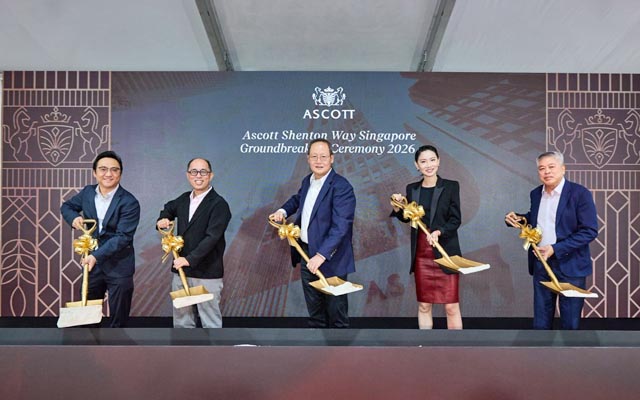
The groundbreaking ceremony for Ascott Shenton Way Singapore, set to open in 4Q2029, part of Ascott’s continued global expansion and brand evolution across key gateway cities
Ascott entered more than 10 new cities across Asia-Pacific and Europe. New market entries included Wellington and Taipei, alongside resort destinations such as Phuket, Phu Quoc and Langkawi, and emerging tier-two cities in India including Lucknow and Thanjavur.
In New Zealand, lyf will debut in Wellington with a 108-room property expected to commence construction by end-2026. In Taiwan, Ascott Nangang Taipei, a 185-room serviced residence, is scheduled to open in 1Q2027 within a mixed-use development in Nangang Software Park.
Resort expansion remained a priority, with 15 signings in locations including Phuket, Phu Quoc, Nha Trang and Bali, increasing Ascott’s resort portfolio to more than 50 properties. The group also expanded its branded residences portfolio, adding over 1,000 units across two projects in Phuket and Shenzhen.
Citadines surpassed 200 properties globally in 2025, while Oakwood secured 16 signings. Ascott’s collection brands expanded into new markets in Africa, Europe and the Middle East, including Morocco.
Ascott said the results reflect continued owner confidence, with approximately 30 per cent of signings coming from existing partners.
Serena Lim, chief growth officer, Ascott, commented: “As travel evolves into a lifestyle, consumers are seeking greater flexibility and choice in how they live, work and explore. Guided by insights from our owners and guests, we have pursued a deliberate growth strategy anchored in our flex-hybrid model and a differentiated suite of flexible living offerings. We are heartened by the robust growth in 2025, driven by strong owner commitment as reflected in portfolio deals across multiple brands.”
Ascott CEO Kevin Goh said: “2025 marked a key milestone for Ascott as we accelerated asset-light signings and strengthened revenue visibility. With these new signings, we now have the embedded income to exceed our S$500 million (US$370 million) fee target as pipeline projects turn operational.”
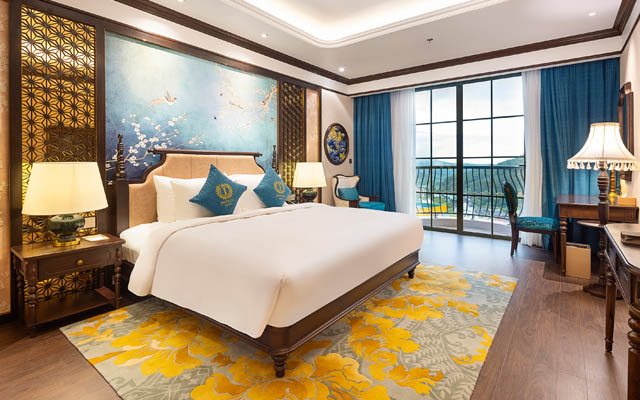
Best Western Premier Imperial Dalat, Vietnam Best Western Premier Imperial Dalat is positioned in Vietnam’s Central Highlands within walking distance of Da Lat Market, Xuan Huong Lake, and Con Ga Church. The hotel offers 91 rooms and suites, including connecting options for families, with views of the city or mountains.
Facilities include a year-round heated indoor pool, fitness centre, spa, and kids’ club. Dining venues comprise an all-day restaurant serving Vietnamese and Western cuisine, a Japanese restaurant, lobby lounge, beer garden, and cigar lounge.
Event facilities include a grand ballroom and several meeting rooms. The property is close to Da Lat’s cafés, gardens, and cultural landmarks.
Samanea Wellness Resort
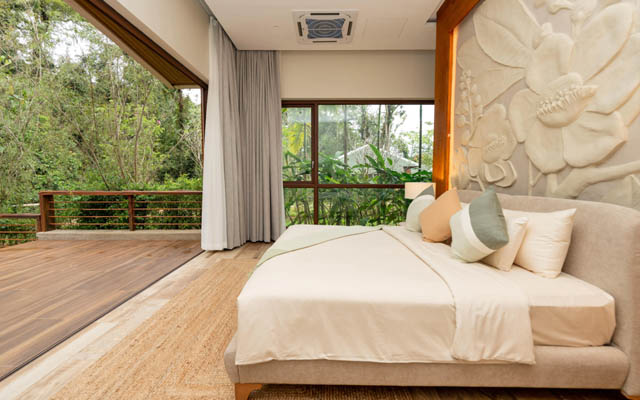
Samanea Wellness Resort, Cambodia Samanea Wellness Resort is set in Pursat Province near the Cardamom Mountains, an emerging destination for eco-tourism and nature-based travel. The resort features 32 private villas designed with a focus on wellness and sustainability.
Facilities include a wellness sanctuary, fitness house, ozone swimming pool, restaurant and lounge, and an on-site organic river farm supporting its farm-to-table approach. Approximately 30 per cent of the property is powered by solar energy, alongside conservation and community initiatives. Guests can join guided experiences such as jungle trekking, eco-motorbike trails, village visits, boat fishing, and wildlife excursions, including night safaris to observe the rare Siamese crocodile, offering access to the region’s natural and cultural landscapes.
voco Bangkok Surawong
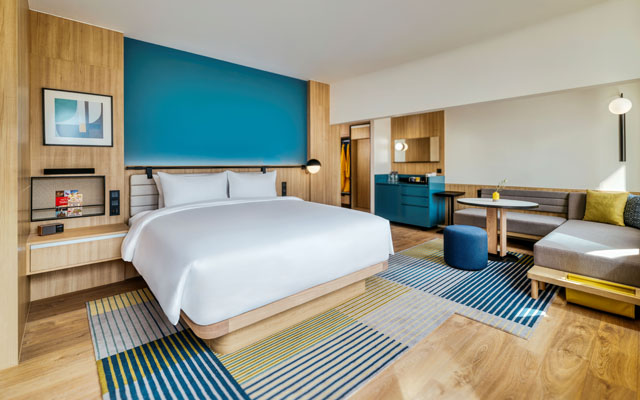
voco Bangkok Surawong, Thailand voco Bangkok Surawong marks the debut of IHG’s premium voco brand in Thailand. Positioned on Surawong Road, the hotel provides access to the Silom and Sathorn business districts and is within reach of Siam’s shopping and entertainment areas.
The property features 244 rooms and suites designed with contemporary interiors and Thai influences. Facilities include three dining venues serving Spanish-inspired and smokehouse cuisine, outdoor lap pool, fitness centre, and an onsen spa.
Event spaces comprise a ballroom accommodating up to 200 guests and four meeting rooms equipped with audiovisual technology. The hotel is nearby BTS and MRT stations, cultural sites, and retail districts in central Bangkok.
Costamigo Phan Thiet, BW Premier Collection
Costamigo Phan Thiet, BW Premier Collection, Vietnam Costamigo Phan Thiet, BW Premier Collection is a beachfront resort in Binh Thuan province, approximately 3.5 hours by road from Ho Chi Minh City. The resort features 150 rooms and 34 villas, with facilities like restaurant, beach bar, infinity pool with cabanas, landscaped gardens, playground, and outdoor cinema.
Guests have direct access to a long stretch of sandy beach and ocean views. Event spaces include indoor and outdoor venues, including a large ballroom. The resort provides access to regional attractions such as sand dunes, fishing villages, temples, golf courses, and coastal routes along Vietnam’s southeastern coastline.
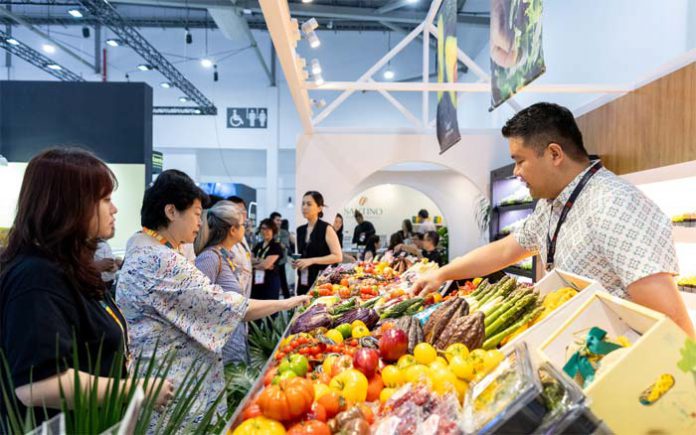
Food & Hospitality Asia (FHA), a reputable international trade event for the region’s food, hospitality, and HoReCa industries, has planned four days of business opportunities and knowledge exchanges for its 48th edition. The event is set for April 21 to 24 at the Singapore Expo.
Organiser, Informa Markets, will introduce several new initiatives and partnerships designed to enhance attendee experience and address emerging industry trends.
FHA 2026, taking place in Singapore this April, is designed to be the definitive platform to shape the future of food and hospitality
FHA 2026 is proud to announce the European Union (EU) as the Region of Honour. This partnership will highlight the EU’s culinary heritage, innovative food production, and commitment to sustainability. Attendees can look forward to curated EU showcases, chef demonstrations, and networking events that celebrate the region’s leadership in food and hospitality.
Also new is the Singapore Seafood Pavilion. Organised by the Seafood Industries Association Singapore, this pavilion will spotlight fresh, live, frozen, and processed seafood, as well as aquaculture and value-added seafood products from global suppliers.
Additionally, the new Future Forward zone will highlight technology’s impact on food service, hospitality, and retail, including a four-day conference on technology integration challenges and opportunities, supported by a stellar steering committee.
FHA 2026 attendees can also look forward to the new Epicurean Gallery, a curated platform spotlighting premium products daily, hosted by various companies or country groups. It combines exhibition and networking, bringing together culinary professionals, gourmet enthusiasts, and buyers to explore offerings, connect with brands, and build industry relationships
Another fresh highlight is the Young Chef Grand Prix. Co-organised with the Singapore Chefs Association and Singapore Junior Chefs Club, this competition will nurture the next generation of culinary talent, targeting skilled individuals aged 25 and below.
Informa Markets promises to maintain FHA 2026 as a global showcase of excellence in food and hospitality through a programme comprising 18 dynamic segments, including the newly refreshed Food Service Technology segment, which highlights the latest advancements in foodservice operations; and the refreshed Coffee, Tea & Bar Segment, expanded to include bar equipment and solutions.
Attendees can explore a diverse range of exhibitors, including industry leaders such as Ben Foods, DKSH, and Euraco, and many more. More than 75 group pavilions will showcase the best of global food and hospitality innovation.
FHA 2026 also promises to be hotbed of competitions and seminars to inspire innovation among attendees. Prestigious competitions to watch out for include FHA Bakery Challenge, FHA Dessert Challenge, and Asian Pastry Cup.
Seminars are lined up to address crucial topics such as global market trends, food innovation, safety regulations, and sustainability. Highlights include the FHA Seminar on Global Market Trends and Trade and the Sustainable Summit, which will address critical issues like food security, sustainable agriculture, and supply chain resilience.
FHA 2026 is expected to welcome over 80,000 international attendees and feature more than 2,750 exhibitors from 115 countries and regions.
Ian Roberts, vice president of Informa Markets – Asia, said: “FHA 2026 is more than just an exhibition – it’s a transformative experience for the food and hospitality industry. This event is where innovation meets opportunity, bringing together the brightest minds, the most cutting-edge technologies, and the most influential players from across the globe. Whether you’re looking to showcase your brand, discover the latest trends, or build strategic partnerships, FHA 2026 is the definitive platform to shape the future of food and hospitality. It’s not just about staying ahead of the curve – it’s about defining it.”
With India emerging as one of its fastest-growing markets, Destination New South Wales (NSW) is ramping up its travel trade and consumer engagement efforts to showcase the state’s diverse tourism offerings. Backed by the Minns Labor Government, the tourism board is working closely with airlines, travel partners and media to strengthen the appeal of both Sydney and regional NSW among Indian travellers.
As part of this push, the government hosted the Focus on India & Southeast Asia travel trade event in December 2025. The event brought around 60 leading travel buyers from various countries including India to experience world-class tourism offerings across Sydney and regional NSW.
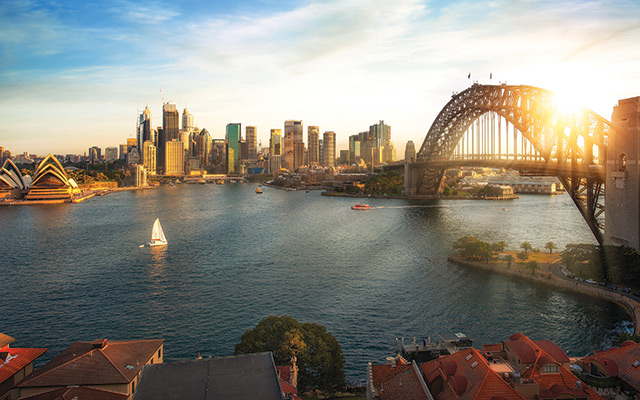
Sydney, pictured, anchors New South Wales’s tourism push into the Indian market
Steve Kamper, New South Wales minister for jobs and tourism, added that Destination NSW has a robust strategy that draws on the power of partnerships.
“Destination NSW currently has campaigns in the market with Skyscanner, Tripadvisor, MakeMyTrip and Qantas Airways. These campaigns promote nature and wildlife, food and wine, which we know are all key drivers for visitors to NSW.
“These campaigns also promote self-drive trips that allow for freedom, flexibility, overnight regional stays and expenditure in smaller towns.”
Additionally, Destination NSW works with airline and trade partners on integrated marketing activities aimed at driving airline ticket and holiday package sales into Sydney, and promoting visitation to regional NSW through its Sydney-plus strategy.
Ron Mueck: Encounter, an exhibition now on at the Art Gallery of New South Wales
To further strengthen India’s connection with NSW, the tourism board hosted an Indian media fam trip, Cricket Meets Culture in Sydney & New South Wales, from October 23 to 30, 2025. The itinerary blended culture, nature, luxury and cricket – key themes that resonate strongly with the Indian outbound travel market.
While Sydney landmarks, such as the UNESCO-listed Sydney Opera House, continue to be popular, Destination NSW hopes to draw attention to cultural experiences like the Art Gallery of New South Wales, one of Australia’s leading art museums with a vast collection featuring Australian, Aboriginal, Torres Strait Islander, Asian and European art in the Indian market. The gallery in the recent past expanded with the addition of the striking Sydney Modern building, offering visitors a new cultural dimension to explore.
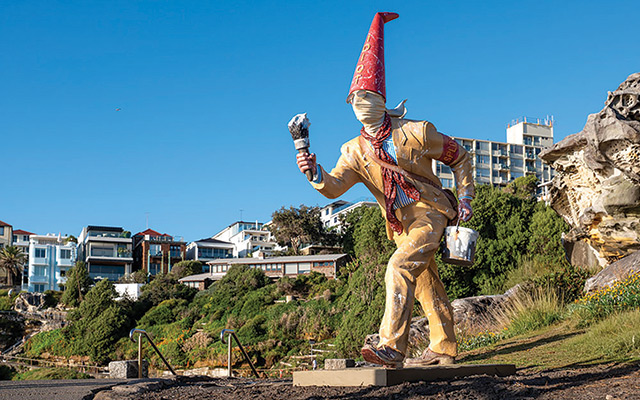
Complementing its urban vibrancy, Sydney offers immersive nature experiences from themed walks at the Royal Botanic Garden – home to rare global plant collections – and the iconic Bronte to Bondi coastal route. Along the route, travellers can admire the Sculpture by the Sea exhibition, which features more than 100 outdoor artworks across a dramatic two-kilometre clifftop. Sculpture by the Sea is regarded as the most extensive free outdoor art exhibition in the world.
Enjoy one of the world’s most renowned outdoor art exhibitions at Sculpture by the Sea; Bondi 2025 pictured
Beyond Sydney, the Southern Highlands and South Coast beckons. The Southern Highlands offers lush landscapes, boutique wineries and charming villages. A must-visit is Dirty Janes Antique Emporium, a treasure trove for collectors. Stalls sell everything, from vintage cameras to bespoke furniture.
Further south, NSW’s South Coast draws travellers with its outdoor adventures, wildlife and spectacular whale watching. Visitors will discover the charming country town of Berry, celebrated for its local markets and heritage architecture. The iconic Berry Donut Van is not to be missed.
From Berry, travellers could head north-wards to Sydney, and stop by Kiama – home to the world’s largest blowhole.
Travellers who live to eat will appreciate NSW’s rich gastronomic landscape. Cirq Bar & Lounge, perched on the 26th floor of Crown Sydney, provides sweeping harbour views.
Café Sydney, located in the historic Customs House, pairs its award-winning wine list with breathtaking vistas of Sydney Harbour.
In the evening, travellers can head to Maybe Sammy, one of Sydney’s most popular cocktail bars, which found a mention in the World’s Top 50 Bars for 2025.
If there is a craving for familiar food, Don’t Tell Aunty, known for its contemporary twist on Indian flavours, may just scratch the itch.
According to the International Visitor Survey, Tourism Research Australia, 43 per cent of all visitors from India spent time in NSW during their Australia trip for the year ending June 2025.
Visiting Friends and Relatives (VFR) remained the dominant purpose, contributing 45 per cent of arrivals.
Other key segments included holidays, business, education and employment. Notably, 90 per cent of Indian travellers to NSW did not join group tours, reflecting a strong preference for independent travel.
Tokyo’s hosting of the 2025 Deaflympics has delivered a significant boost to Japan’s accessible tourism capabilities, with organisers and travel trade representatives pointing to lasting improvements in infrastructure, training and visitor experience.
Held November 15-26, 2025, the international multi-sport event for deaf and hard-of-hearing athletes welcomed 3,000 competitors from 75 countries, alongside thousands of officials, coaches and spectators.
From left: Deaf Journey’s Lily Yu and Japan Sign Travel’s Miyu Nakamura advocate for improvements to travel accessibility across Japan
In preparation for the Games, the Tokyo Metropolitan Government intensified efforts to make the capital a more accessible destination. Governor Yuriko Koike had described the event as “an opportunity to promote barrier-free access to public facilities”.
By the opening ceremony, light-based warning devices had been installed at six metropolitan government facilities, including Komazawa Olympic Park, and in more than 660 toilets, changing rooms and other spaces across Tokyo. Another 40 locations, including sports facilities and libraries, were fitted with systems that convert speech into text and display it on screens.
Subsidies were also provided for training in international sign language, which serves as a lingua franca, to facilitate communication with inbound visitors.
These initiatives were designed to enhance the visitor experience during and after the event, amid a rising number of deaf and hard-of-hearing inbound travellers to Japan.
“We have seen steady growth in demand for our tours in recent years, particularly from the US, Canada, Australia, France, Germany, the Netherlands, Taiwan and South Korea,” said Miyu Nakamura, founder of Japan Sign Travel, which provides tours to the deaf and hard-of-hearing community. “Many deaf travellers are seeking sign-language-accessible, culturally immersive experiences rather than typical sightseeing tours.”
Today’s deaf travellers to Tokyo are benefiting from barrier-free and inclusive initiatives implemented under the Tokyo 2020 Accessibility Guidelines, created in conjunction with the Olympic and Paralympic Games held in 2021.
“Tokyo is gradually becoming more accessible, with major hotels, museums and transportation hubs introducing visual alert systems, such as vibration alarms, and staff receiving basic sign language training,” said Nakamura.
Lily Yu of Deaf Journey agreed that in major cities such as Tokyo, train stations tend to feature clear signage and digital screens, which “reduce reliance on audio announcements and help deaf travellers navigate independently”.
However, transportation announcements on some trains and buses still “rely heavily on sound”, which can “cause confusion, missed stops or delays” for deaf travellers, Yu said, adding that “expanding real-time visual alerts, flashing notifications and multilingual captions would significantly improve navigation and reduce stress”.
More also needs to be done in regional areas to create a welcoming environment for deaf visitors.
“Regional cities and smaller attractions often rely on volunteer interpreters or written communication,” said Nakamura, adding that Japan Sign Travel aims to address these gaps by training local guides, producing sign-language video signage and collaborating with deaf-owned businesses nationwide.
During the Deaflympics, the company provided tours that combined sports spectating with local sightseeing near event venues, including in Fukushima, host of the soccer event, and Shizuoka, host of the cycling event. Its aim was to maximise the “significant increase” in bookings related to the Deaflympics.
Travel representatives across Japan had anticipated a rise in deaf visitors around the Games period, with Nakamura noting that many travellers planned to extend their stay to experience Japan’s cultural offerings.
New Zealand-based company Deaf Adventures offered a Heart of Japan 10-day tour beginning after the closing ceremony, visiting Tokyo, Hakone, Kyoto, Nagoya and Kanazawa. An optional seven-day extension included Hiroshima, Fukuoka, Oita, Kumamoto and Kagoshima.
With increased awareness and support, the Deaflympics are expected to help usher in lasting accessibility improvements in Japan for both deaf residents and travellers, according to the travel trade.
“Hosting the Deaflympics is a landmark opportunity for Japan to improve accessibility on a national scale,” said Yu.
“We believe the Deaflympics will serve as a turning point to make Japan a truly deaf-friendly travel destination nationwide,” added Nakamura.




 During his tenure, he also held the roles of chief people and ESG officer and chief marketing officer at Wizz Air Group.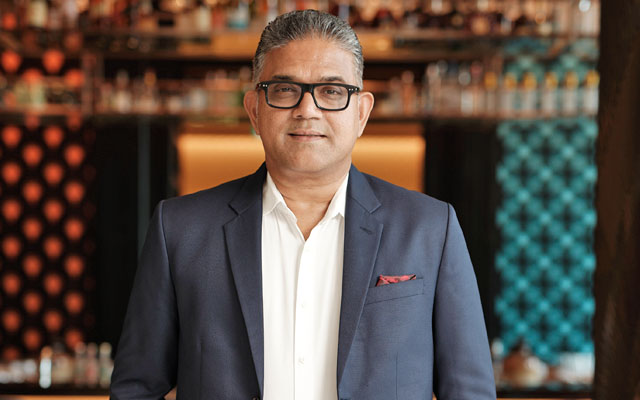
 He has held senior roles with Marriott, Hyatt, Mövenpick, Cinnamon Grand Colombo, and Alila Bangsar Kuala Lumpur.