

Report highlights most visited destinations by travellers from at-risk African countries
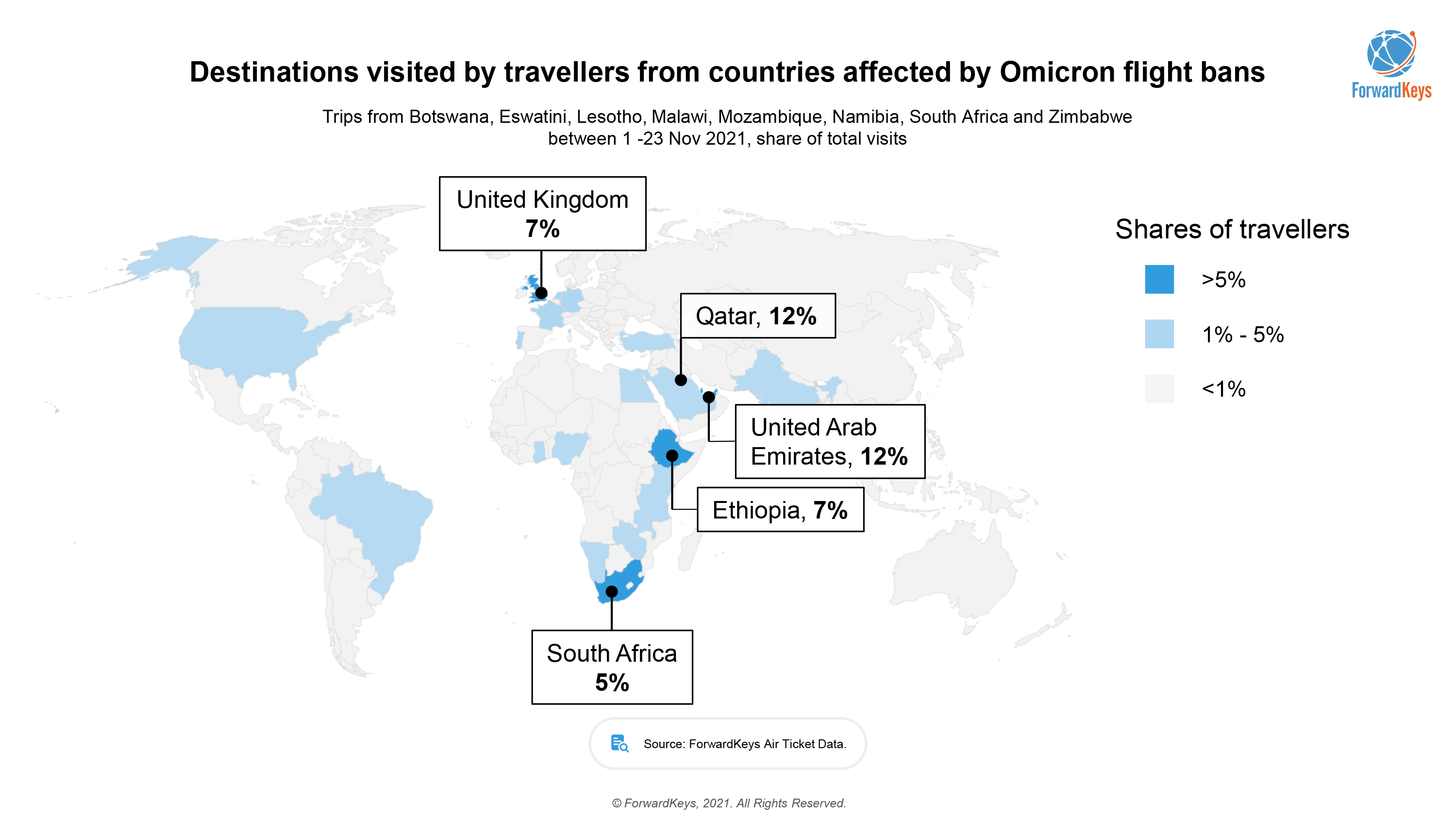
Qatar, the UAE, the UK and Ethiopia were the destinations most visited between November 1-23 by travellers from the eight southern African countries currently designated as most at risk due to the Omicron variant of Covid-19, according to air ticketing data from ForwardKeys.
The eight African countries are: Botswana, Eswatini, Lesotho, Malawi, Mozambique, Namibia, South Africa and Zimbabwe.
The data supports calls from many people objecting to immediate travel restrictions imposed on travel to and from these African countries.
Based on arrival numbers, the countries most visited are Qatar and the UAE, each with 12 per cent of travellers from the at-risk countries. The UK and Ethiopia are next, each with seven per cent.
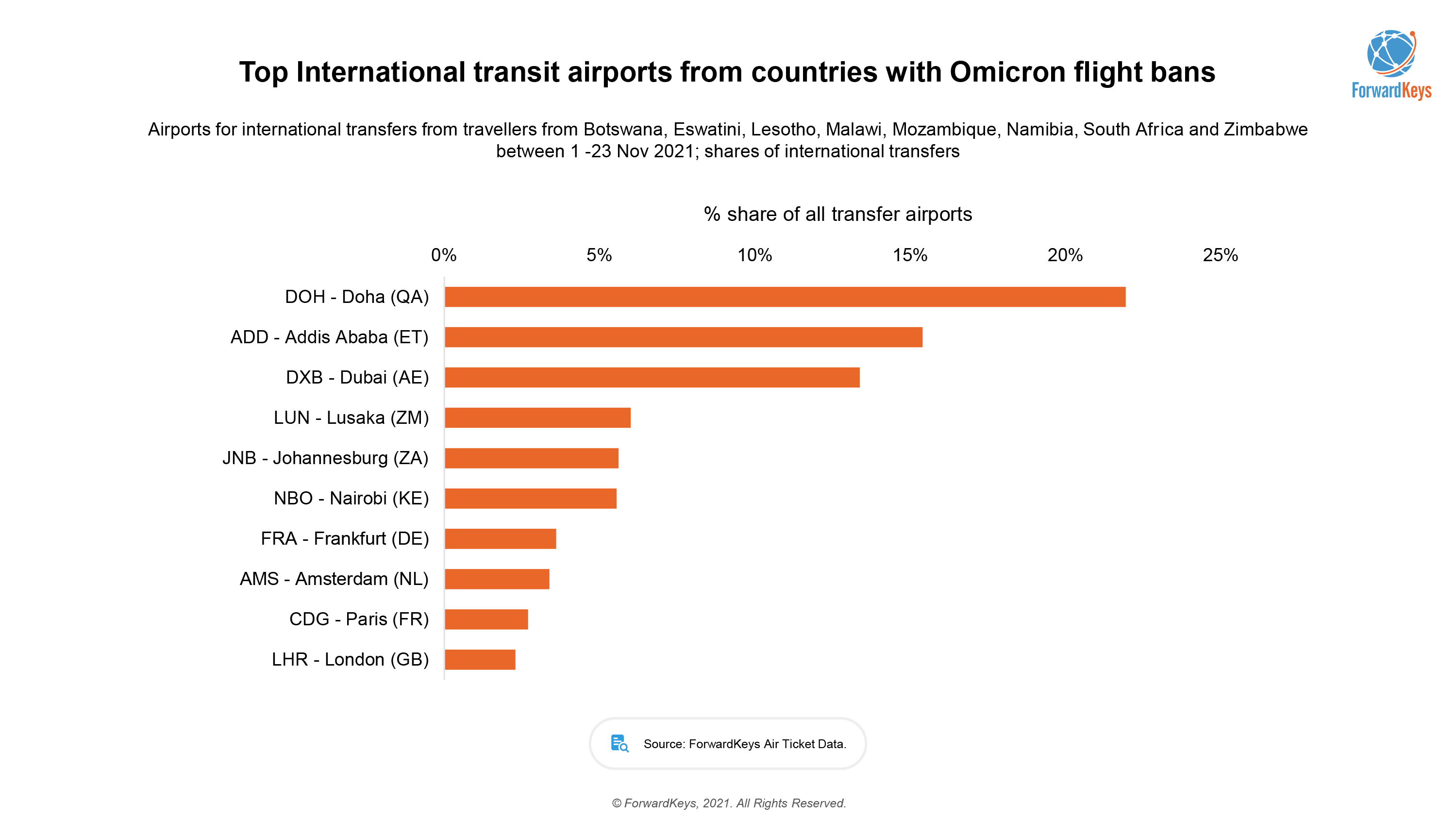
The top ten airport hubs most used by those travellers were Doha, with 22 per cent; Addis Ababa, 15 per cent; Dubai, 13 per cent; Lusaka, six per cent; Johannesburg, six per cent; Nairobi, six per cent; Frankfurt, four per cent; Amsterdam, three per cent; Paris, three per cent; and London Heathrow, two per cent.
ForwardKeys said that such flight data could reduce the need for Omicron travel bans. Insights vice president, Olivier Ponti, said: “We are acutely aware of the dreadful damage done by Covid-19 to people’s health, but also of the damage done to countries’ economies by the measures governments have felt compelled to take in response to it.
“We believe that the best policies to control the spread of the virus should be based on facts, not fear; and if blanket bans on travel can be avoided, that must be a preferable strategy. Fortunately, travel data can help by telling policy makers exactly where people from the at-risk areas went and where they connected.”
Indian hoteliers brace for Omicron impact on bookings as international, state restrictions set in
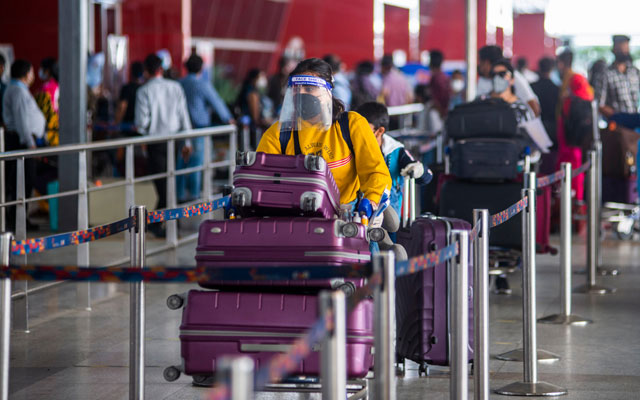
Changes to India’s border regulations arising from Omicron fears are worrying hoteliers, who have only recently begun to see a pick up in business.
While Leisure Hotels Group has yet to see any Omicron impact on bookings and reservations, director Vibhas Prasad said the new travel restrictions “will definitely affect traveller sentiment and that may have an impact on demand”.
A New Delhi-based hotelier who requested anonymity, told TTG Asia that his hotel has seen a few bookings being postponed to a later date.
Indian hoteliers are also concerned about latest state border restrictions. As of December 1, foreigners are barred from entering Sikkim state in northeast India. The state government of Maharashtra has also made it mandatory for all travellers to carry an RT-PCR test report 48 hours prior to departure, irrespective of their vaccination status.
MRG Group’s group general manager – hospitality, Akshay Shetty, said these state travel curbs could eventually dampen demand from domestic tourism markets.
IHG hires Adeline Phua as development director for SE Asia and Korea

IHG Hotels & Resorts has appointed Adeline Phua as director, development for the South-east Asia and Korea region.
In this newly-created role, Phua will be supporting the strategic growth of IHG brands in South-east Asia, focusing on its luxury and lifestyle portfolio, and establishing a China desk to facilitate cross border investments and cooperation for the region.
Phua brings 16 years of global experience in hospitality strategy, planning, development, ideation and concept creation, feasibility, valuation, investment and asset management across China, Asia Pacific, Europe, and the Americas.
Based in China for the last 13 years, she joins IHG from an Asia practice of a Swiss cross border real estate investment and hospitality advisory firm based in Shanghai where she was founder and partner. Prior to that, she was senior director at Starwood’s Greater China development team and partner at HVS in Asia Pacific, first based in Singapore and then moving to Shanghai in 2009 to establish their China practice.
India tightens border rules for some countries over Omicron concerns
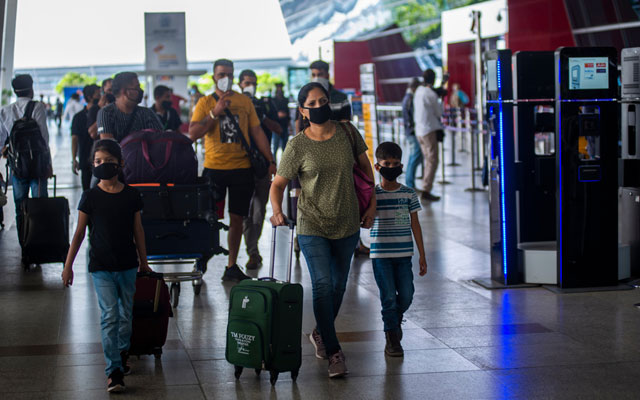
India has reimposed Covid-19 restrictions for international travellers arriving from “at-risk” nations including Singapore from Wednesday (December 1), due to concerns over the Omicron coronavirus variant.
According to the health ministry, the countries categorised as “at-risk” are the European countries including the UK, South Africa, Brazil, Botswana, China, Mauritius, New Zealand, Zimbabwe, Singapore, Hong Kong and Israel.
Under the latest guidelines, travellers arriving from these countries are required to submit a self-declaration form and their travel history for the previous 14 days, as well as a negative PCR test result taken 72 hours prior to departure, on the Air Suvidha portal before their journey.
Travellers from “at-risk” countries will also need to take a Covid-19 PCR test upon arrival at the airport, and will have to wait for the result.
Those who test negative will have to undergo home quarantine for seven days and then self-monitor for another seven days, in addition to a test on the eighth day of arrival.
All positive samples will be sent for genome sequencing at designated INSACOG labs to identify the variant, and passengers will be admitted into isolation facilities.
Stay at Meliá Chiang Mai for half price

Meliá Chiang Mai is offering a 50 per cent discount on accommodation from when the urban hotel opens its doors in February next year.
Under that special opening promotion, room rates start at 2,500 baht (US$75) nett per night for a lead-in Meliá Room. The offer is available to book from now until December 31, 2021 for stays from February until December 31, 2022. Bookings on melia.com also come with a 20 per cent discount on food and drinks.

Towering over the Ping River in the heart of Chiang Mai, Meliá Chiang Mai comprises a 22-floor tower fronted by an adjoining seven-floor podium building and is home to 260 rooms and suites.
Hotel facilities include signature restaurant Mai Restaurant & Bar, a 360-degree rooftop bar, a spa, fitness centre, swimming pool, poolside bar, alongside a ballroom and four additional meeting spaces.
Thailand has allowed fully vaccinated travellers from 63 low-risk countries to enter the kingdom without quarantine since November 1.
YouTrip raises US$30m to target B2B market
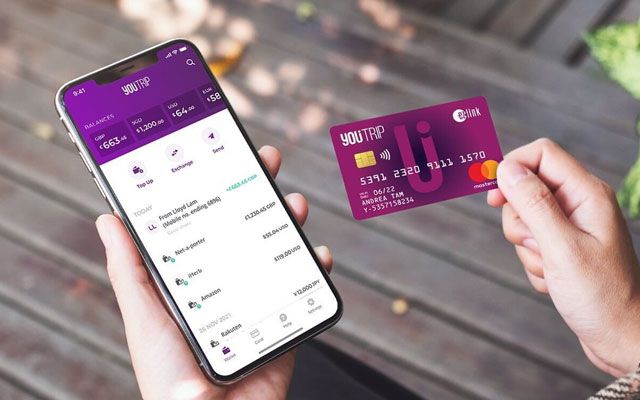
YouTrip, a South-east Asian multi-currency neobank, has raised US$30 million in its latest Series A round, driven by returning investors from major Asian family offices and prominent financial technology investors.
With this, the company has now raised over US$60 million funding in total since launch.
The new capital will supercharge the company’s technological capabilities to bolster its suite of payment products, in particular, entering the adjacent B2B payments space, as well as accelerating its entrance into the wider South-east Asia.
To date, YouTrip has processed over US$800 million card spend globally, with almost 20 million transactions and over 1.5 million app downloads.
YouTrip’s transaction volume has also rebounded to pre-Covid levels, driven by strong traction in cross-border e-commerce transactions and progressive return of travel spending, said the company in a press release.
It added that with the opening of more vaccinated travel lanes in Singapore, transaction volume is forecast to accelerate rapidly, especially given upcoming holiday seasons and revenge travel.
To advance its growth, YouTrip has set its sights on the B2B payments ecosystem with an upcoming corporate credit card, YouBiz, catering to businesses with a global footprint. The product offers higher spending limits while transacting at the best exchange rates in more than 150 currencies.
Arthur Mak, YouTrip’s co-founder, said: “We’re very excited about the B2B payments opportunity. It is a segment with a deep market, as companies increasingly operate in a distributed and borderless manner and we expect their cross-border payment needs to go up.
“By incorporating our company’s core strengths of offering the best exchange rates and an extremely easy-to-use interface into YouBiz, we help businesses save time and cost, so that they can focus their energy and efforts in finding growth.”
Registration for interest in the product’s beta launch has received more than 1,000 sign-ups to date, according to YouTrip.
YouBiz will be rolled out in Singapore in 1Q2022, with plans to bring it to five other South-east Asia countries in the next twelve months.
Airbnb helps Singapore hotels tap into remote work boom
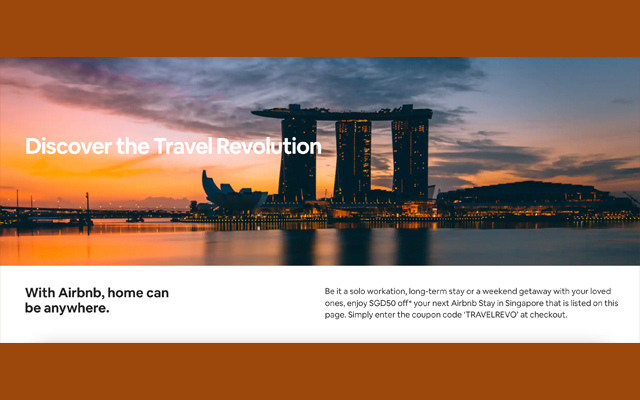
Airbnb has launched the Discover the Travel Revolution initiative which provides Singaporeans with a limited-time offer of S$50 (US$37) off any Airbnb stay listed by its partners via airbnb.com/travelrevo.
A minimum booking spend of S$150 is required, and each user can redeem the coupon code only once.
The initiative aims to encourage Singaporeans to embark on local workations and staycations, as well as to help Singapore’s tourism sector capitalise on the digital nomad trend.
Participating partners include Far East Organisation, Ascott Group, Hmlet and ST Signature. Guests can select from a range of hotels and serviced apartments listed on Airbnb, including Ascott Orchard Singapore, Hmlet Cantonment, lyf Funan Singapore, Parkroyal Serviced Suites, KeSa House, Wanderlust Hotel, and ST Residences Novena.
Amanpreet Bajaj, Airbnb general manager for Southeast Asia, India, Hong Kong and Taiwan, said: “The world is undergoing a revolution in how we live and work, and this increasing desire among travellers for flexible travel has created exciting new opportunities for Singapore’s tourism sector.
“As a global destination for professionals and business travellers, Singapore is uniquely positioned for both short and longer-term stays, especially for digital nomads looking to anchor themselves in an exciting destination for months at a time. This new initiative will not only encourage Singaporeans to explore their own backyard in creative new ways, but also help the city hone its offering to digital nomads from around the world.”
VTL scheme prompts 204% spike in enquiries for TTC
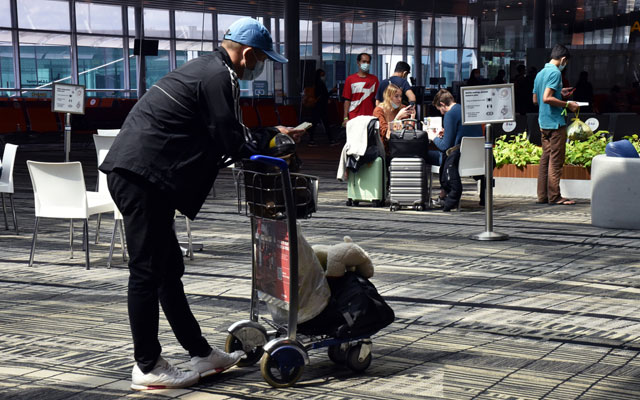
The Travel Corporation (TTC) has seen a sharp increase in interest for travel to vaccinated travel lane (VTL) destinations from 2021 until next year, with a 204 per cent increase in enquiries, and a 30 per cent successful conversion rate to confirmed bookings.
Nicholas Lim, Asia CEO of TTC, said: “The gradual expansion of the VTL scheme brings a renewed sense of hope to the beleaguered travel and tourism industry. In the recent weeks, some of these destinations have experienced a rise in the number of cases or have abruptly gone into lockdowns, but what our figures demonstrate is that Singapore travellers are very much willing to travel again.”
Among hundreds of available itineraries, travellers from Singapore are increasingly interested in Trafalgar’s Spanish Wonder (Madrid and Barcelona), German Christmas Markets and Swiss Delight itineraries, leaning towards seven to 10-day trip durations.
TTC has also witnessed an increase in uptake for 2022 travels, particularly during spring (April and May) and autumn (September).
Travellers are also hopeful to travel in non-VTL destinations, with 2022 bookings to Portugal, Turkey and Scandinavian countries.
The desire to travel also cuts across all ages. TTC reported that guests come from a variety of backgrounds, from couples below 60s to small groups such as families with children who are looking into June and December trips, and friends who want to travel together in Central Europe.
Older couples are also looking into the Uniworld River Cruises itineraries, while couples and friends aged between 40s to 60s are booking on coach brands.
World Dream opens Singapore sailings to international travellers
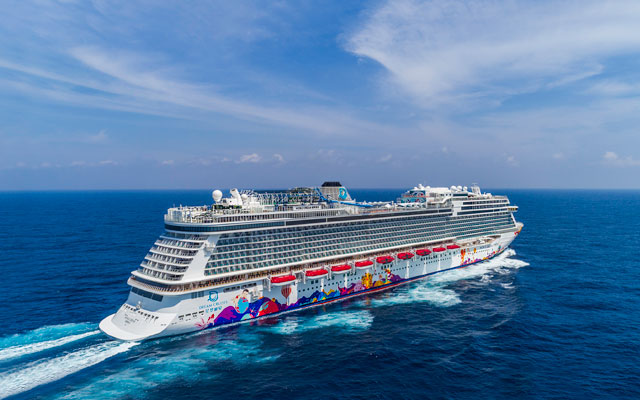
Dream Cruises has opened sailings aboard its World Dream ship to non-residents in Singapore and international travellers for the first time since the onset of the Covid-19 pandemic, in accordance with the latest guidelines by the local authorities.
This development follows the launch of vaccinated travel lanes by the city-state, allowing quarantine-free entry for fully vaccinated travellers from selected countries.
In a statement, Dream Cruises called the move “a new milestone” for the cruise line “that will help to fuel the recovery of the cruise industry in Singapore and regionally”.
All embarking guests will need to be fully vaccinated and undergo a pre-boarding antigen rapid test at the cruise terminal and present a negative test result for Covid-19.
“World Dream has carried over 200,000 guests since cruising resumed in Singapore on November 6, 2020 and celebrated its first anniversary earlier this month,” said Michael Goh, president of Dream Cruises.
“With cruise bookings now open to non-residents in Singapore and international travellers, it is indeed fantastic news, as we have been working hard towards this goal with the demonstration of safe cruises over the past year.”
“Our progression to the next phase of cruising is timely and we are highly optimistic that demand will continue to rise with the contribution of the fly-cruise segment.“








South Korea will scrap quarantine exemptions for fully vaccinated travellers for two weeks from Friday (December 3), as the country moves to tighten travel restrictions after detecting its first five cases of the Omicron Covid-19 variant on Wednesday.
A fully vaccinated couple tested positive for the variant after arriving last week from Nigeria, followed by two of their family members and a friend, according to the Korea Disease Control and Prevention Agency (KDCA).
As part of tightened border measures, all travellers entering the country will be tested for the new variant.
From Friday, all inbound travellers will have to serve a 10-day quarantine, halting exemptions previously given to fully vaccinated travellers. The measure will be in place for two weeks.
South Korea has also announced a suspension of direct flights from Ethiopia for two weeks starting Saturday.
In addition, the government is also barring arrivals from eight African countries, with Nigeria added to that list on Wednesday.
South Korea has an established vaccinated travel lane with Singapore. According to a report by The Straits Times, a check with KDCA showed that no decision has been made yet about whether VTL travellers will be subject to the mandatory quarantine.
The KDCA reported 5,266 Covid-19 cases on Wednesday, a day after the daily tally rose above 5,000 for the first time, with the number of severe cases reaching a record 733. The new cases bring South Korea’s total to 457,612, with 3,705 deaths.