TTG Asia
Asia/Singapore Thursday, 25th December 2025
Page 80

Luxury travellers embrace purpose-led trips, boost spending: Marriott study

0

A new study conducted by the Luxury Group by Marriott International has found that high-net-worth (HNW) travellers in Asia-Pacific are prioritising well-being, immersive experiences, emotional value, and intentional design over volume and extravagance.

The Intentional Traveler report, which surveyed 1,750 affluent travellers from Australia, Singapore, India, Indonesia, South Korea, Japan, and Thailand over a period from March 14 to April 17, 2025, picked up a luxury travel mindset that is marked by deeper cultural engagement, increased precision in itinerary planning, and rising expectations from brands and experiences.

Luxury travel in 2025 centres on purpose, personalisation, and meaningful emotional connection

Demand for personalisation has surged, with 93% of respondents expecting every detail of their trip to be tailored, up from 83% in 2024.

Planning is also prioritised, where 62% of respondents say they plan every detail of their trip in advance, up from 53% the year before. Bookings for long trips are made two to three months ahead, while short trips are locked in one or two months in advance. Solo travellers are the most methodical, with 73% booking well in advance.

In line with this shift, travellers are increasingly doing their own research, placing more trust in official and trusted sources like hotel websites, and less in personal recommendations, which dropped from 34% to 26% year-on-year. Notably, one in five travellers now turn to AI to help craft their luxury travel plans.

HNW travellers plan six domestic and four international trips this year – fewer than 2024, but with deeper purpose

Overall, travel has declined year-on-year, with fewer trips planned and shorter international stays. The average traveller is now planning six domestic and four international leisure trips in the next 12 months – two fewer international trips than in 2024.

While domestic sojourns have increased from three to four nights, long international stays have dropped, from 2.5 weeks in 2024 to just 1.5 weeks in 2025.

Despite the pullback in quantity, variety in travel types remains strong. Beach holidays remain the most popular type of vacation, holding steady at 37%. Cruises have seen a notable resurgence, climbing 11 percentage points to secure a spot among the top five travel choices. Wellness and spa getaways have also gained momentum, rising to 26% from just 19% in 2024. Travel for religious events is on the rise as well, now accounting for 17% of trips. Meanwhile, safaris continue to capture the imagination of adventurers, with 30% of travellers planning a nature-focused journey.

The longest domestic holidays are now being driven by a desire for personal growth, with top themes including medical tourism, religious events, and educational travel. Internationally, the longest trips are linked to cultural and spiritual enrichment as well as relaxation, with religious events, cultural festivals, and beach holidays topping the list.

Affluent travellers are prioritising food experiences, emotional connections, and tailored itineraries when choosing where to go next

Changing dynamics
The report also notes that travel this year is being reshaped not just by where people go – but by who they go with and why they travel. Traditional groupings like family vacations continue to hold strong, but new dynamics are emerging, reflecting evolving lifestyles, priorities, and values among HNW travellers.

It identifies the Guardian Trailsetters segment – solo parents travelling with children. This group has grown from 15% to 24% in just one year, and is attracted to itineraries that offer opportunities to take their children out of their comfort zone, such as religious events (41%), educational trips (38%), and safaris or extreme adventures (both at 35%).

During these trips, HNW solo parents diverge from their usual habits when it comes to travel arrangements, seeking alternative accommodation including friends’ homes (37%), home stays (37%), and Airbnb (34%) over luxury hotels (27%).

Another notable segment is Impact Explorers – the Gen Z segment that pays attention to seamless tech integration, sustainability, experiential depth, and authenticity in their travel plans. Australia, Sri Lanka, and Thailand are highly favoured by this group, reflecting a craving for nature, culture, and adventure. Gen Z travellers are more motivated by meaningful, active pursuits: 47% prioritise being close to nature; 45% are eager to see wildlife, and 43%  are drawn to active sporting holidays.

Solo travel is embraced by 31% as a path to independence and self-discovery, while small group trips (under five people) remain their preferred format.

The third traveller grouping is the Venture Travelist, a breed of traveller who blends business acumen with wanderlust. The report notes a rapid expansion of this segment – 86% of respondents now say they research business or investment opportunities while abroad, up from 69% last year. This trend is particularly strong in South-east Asia, where cross-border connectivity and entrepreneurial energy create fertile ground for new ventures.

At the same time, 78% of respondents say they combine leisure with business when travelling internationally, up from 71% in 2024. This style of travel is even more pronounced in domestic trips, with 86% of travellers mixing business and leisure within their home destinations, often using work commitments as a springboard for personal travel or family time.

Wellness investment
Wellness has become central to the luxury hotel experience, with 90% of respondents citing wellness offerings as a key factor in their booking decisions, up from 80% in 2024. In fact, 76% say they are likely to book a treatment during their stay.

Asia is the top destination of choice, with 67% of wellness-minded travellers planning their trips within the region. 75% are also booking their retreats three to 12 month ahead.

Luxury travellers seek wellness as a multidimensional experience – one that includes physical vitality, emotional balance, and mental enrichment.

According to the report, the modern wellness traveller from Asia-Pacific is 34 years old, gender-diverse, and likely to be in a relationship or married. Wellness travel is increasingly becoming a shared experience, with 55% of respondents planning to take a wellness retreat with immediate family, and 54% intending to do so with a significant other.

Back to nature
Luxury travellers in 2025 are increasingly prioritising meaningful connection to the outdoors. From vineyard retreats to remote safaris, nature-driven travel is evolving from a niche interest into a core pillar of the luxury experience. 28% of respondents are planning such trips this year, up from just 19% in 2024.

The appetite for natural beauty extends to safari travel, with 30% of respondents planning a wildlife-focused adventure.

Nature-based travellers are planners at heart, with most booking long trips two to six months in advance – and some as far as nine to 12 months out.

Family remains a key unit of travel, with 21-22% preferring to explore nature with immediate family.

Australia, Japan, China, and Singapore are favoured, drawing affluent nature lovers with a blend of natural beauty, safety, and refined hospitality.

Respondents who prioritise nature and wildlife often look for destinations that offer vegetarian or vegan menus (49%), healthy food options (48%), and eco-conscious practices (47%). For them, the luxury of nature is not just in the view, but in the values behind the experience.

Higher spend, higher demand
The choices of today’s affluent travellers reflect a new kind of luxury: one driven by authenticity, excellence, and a desire to make every moment – and every dollar – count.

72% plan to spend more on travel over the next 12 months, with the strongest intention detected in Australia (85%), Indonesia (81%), and Singapore (80%).

Notably, India, which previously topped the list, has seen a shift – now at 72%, indicating a more measured approach this year. Japan remains more cautious: 45% of respondents plan to spend the same or less, with one in five actively reducing their travel budgets.

Not only are affluent travellers prioritising luxury hotel brands over secluded villas or ultra-private retreats, they are also putting family first while on trips. 47% are most willing to invest in premium travel experiences when travelling with their families, outpacing all other group types.

They are also increasingly drawn to full-board, all-inclusive packages that offer convenience, consistency, and a sense of ease – especially when travelling with loved ones. Interest in all-inclusive options is strongest from Indonesia (66%) and Australia (53%), where travellers appreciate the predictability and comprehensive service such packages offer.

Return to familiarity
After several years of destination experimentation, the pendulum is swinging back towards the comfort, connection, and emotional resonance of familiar locales.

An overwhelming 93% of HNW travellers in the region say they prefer to return to beloved destinations, and 89% agree they are more likely to revisit places where they feel a genuine sense of connection.

The Intentional Traveler report notes that the return to familiarity marks a maturing of the luxury travel mindset. It is no longer just about where one can go, but where one wants to return – places that feel emotionally rewarding, culturally enriching, and personally significant. For brands and destinations, this means a greater emphasis on personalisation, continuity of service, and relationship-building with returning guests.

Although there is a return to familiar destinations, “new” options have also entered the top 10 chart. Bangladesh, New Zealand, and Cambodia are now among the top 10 destinations to visit in 2025.

High-energy days, soulful nights
A new travel rhythm is emerging – affluent travellers are filling their days with excitement and exploration, while reserving their evenings for rest, reflection, and refined experiences.

The number of travellers who say they pack their days with activities has surged from 48% to 61% year-on-year. The desire to bring home memories and experiences has also risen, from 54% to 64%, underscoring a growing emotional investment in travel.

Adventure is at the heart of this shift. A remarkable 80% of travellers now engage in high-adrenaline or sporting pursuits, up from 72%, while 87% are seeking out high-profile events, from international festivals to major sporting spectacles – up from 72% in 2024.

Deeper connections matter too: 42% want new connections while travelling, including shopping locally (46%), participating in meaningful cultural activities (42%), and exploring historical narratives (36%).

Nature also plays a central role: 92% want to be close to nature, 86% plan to see wildlife, and 49% prioritise being in breath-taking locations.

When evening arrives, more travellers now prefer to spend their time in their hotels – up from 19% last year to 28% in 2025.

Epicurean escapes
Gastronomy is unshaken as the leading travel motivation. HNW travellers are seeking immersive, story-driven culinary experiences that elevate travel into art.

93% of respondents want to discover new food or culinary experiences, with 51% describing it as “very important”, a significant rise from 40% in 2024.

The same percentage (93%) want to visit a new restaurant they have heard about, highlighting the influence of reputation and digital word-of-mouth in shaping dining choices.

44% strongly agree that dining in award-winning restaurants defines the luxury experience, while 29% are willing to spend more on a top-ranked meal, even if it means adjusting other aspects of their trip.

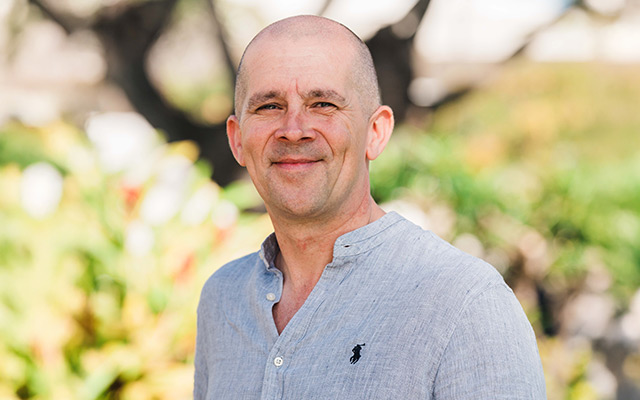
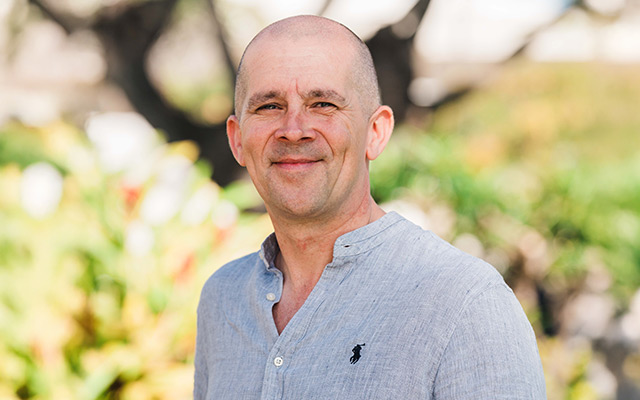
Oriol Montal, regional vice president, luxury, Asia Pacific excluding China, Marriott International, told TTG Asia that with affluent travellers cutting down on travel frequency, but intending to spend more on purpose-driven trips that truly count, Marriott International’s hotels will have a key role to play in helping their guests “get the most out of their trip through pre-arrival planning and customised arrangements”.

Regent Seven Seas Cruises sets booking record with Seven Seas Prestige launch

0

Regent Seven Seas Cruises (RSSC) recorded its highest single booking day on June 26, 2025, when reservations opened for its new ship, Seven Seas Prestige. Bookings were 26 per cent higher than the previous record set in 2018 with the launch of Seven Seas Splendor.

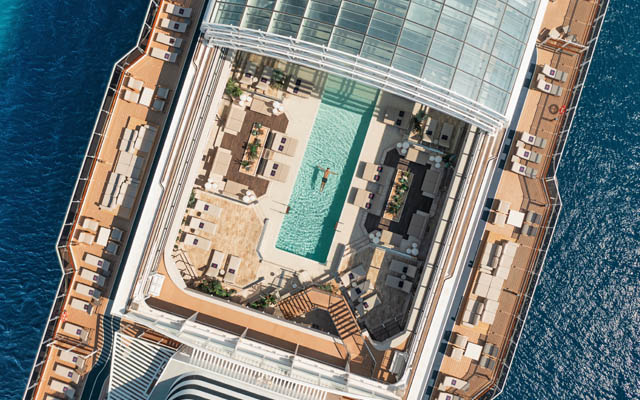
The Skyview Regent Suite, priced at US$25,000 per suite per night, sold out on six of the 13 sailings in the ship’s first season.

The Skyview Regent Suite, pictured, sold out on nearly half of Seven Seas Prestige’s inaugural sailings; photo by Regent Seven Seas Cruises

The Seven Seas Prestige, built by Fincantieri and scheduled for delivery in late 2026, is the brand’s first new ship class in 10 years. The 77,000-ton ship is 40 per cent larger than previous vessels but accommodates 10 per cent more guests, with capacity for 822 passengers and 630 crew.

All suites have balconies and include 12 categories, with four new designs such as two-level Skyview Suites and the 815m² Skyview Regent Suite, the largest suite on the ship.

Included in the fare are shore excursions, wines and spirits, valet laundry, Starlink Wi-Fi, and dining across seven specialty restaurants and 11 total dining options, including a new Mediterranean restaurant, Azure.

The inaugural season includes 13 voyages to destinations in the Caribbean and Europe, visiting ports such as Cartagena and St Lucia, with several overnight stays.

Jason Montague, chief luxury officer for RSSC, commented: “I’m absolutely thrilled, but not surprised, by the phenomenal results that Seven Seas Prestige has produced – we knew that luxury travellers were extremely eager to reserve their suite on this incredible ship.

Seven Seas Prestige promises to begin a new legacy for the entire ultra-luxury cruise sector, and we cannot wait until she joins the fleet in December 2026.”

AirAsia reveals tribute livery for 50th anniversary of Thailand-China friendship

0

AirAsia has introduced a new aircraft livery to mark 50 years of diplomatic relations between Thailand and China. The design appears on a Thai AirAsia Airbus A320 and was created in partnership with the Ministry of Tourism and Sports, the Chinese Embassy in Thailand, the Ministry of Foreign Affairs, and the Tourism Authority of Thailand.

The livery features the official emblem of the anniversary, with a Chinese dragon and Thai naga symbolising strength and friendship. A greeting in both Thai and Chinese is displayed along the fuselage.

AirAsia rolls out commemorative livery to mark 50 years of diplomatic relations between Thailand and China

The aircraft will operate on routes across Asia, including AirAsia’s 10 direct routes between Thailand and China. These include flights to Guangzhou, Shenzhen, Chongqing, Changsha, Wuhan, Kunming, Hangzhou, Xi’an, Chengdu, and Shanghai.

Santisuk Klongchaiya, CEO of Thai AirAsia, said: “Thailand and China share a long-standing relationship across many dimensions, especially in tourism, where both countries are top destinations for each other’s travellers. With mutual visa exemptions now in place, travel between the two nations has become even more seamless. China remains one of AirAsia’s key markets, and we are proud to serve a wide network of routes covering both major and secondary cities.”

Banyan Tree Krabi marks Jurassic World film release with new package

0

Banyan Tree Krabi is offering a new package, Jurassic Explorer, following the release of Jurassic World Rebirth, which premiered globally on July 2. The movie was filmed in Krabi, and several scenes were shot in areas surrounding the resort.

The Jurassic Explorer package is available until December 21, 2025, and requires a minimum three-night stay. It includes a themed welcome drink and snack, a boat trip to Hong Island and nearby locations, and a guided visit to Klong Root (Clear Water Canal), one of the film’s shooting sites. Guests also receive a printed guidebook identifying several filming locations, a 60-minute massage at Banyan Tree Spa Krabi, and discounted tickets for two to the Jurassic World Experience exhibition in Bangkok.

Explore Phra Nang Cave Beach, a filming location from Jurassic World Rebirth, easily accessible from Banyan Tree Krabi

Opened in 2020, Banyan Tree Krabi is located on Tubkaek Beach, about 25km from Krabi town. The resort has 72 suites and villas, including two-bedroom, three-bedroom, and a seven-bedroom option. All rooms face the sea and are set beside a national park. Facilities include two restaurants, a beach bar, beach club, children’s club, fitness centre, spa, and meeting rooms.

Guests interested in exploring the filming locations independently can use the resort’s guidebook, which includes directions to Klong Root, Phra Nang Cave Beach, and Huay To Waterfall, each featured in the film.

In addition to the package, the resort has added several limited-time food and drink options inspired by the film. These include Jurassic Laab, a spicy minced meat salad linked to actress Scarlett Johansson’s reported food preferences, and the Fossil Egg, a hard-boiled egg wrapped in sausage and fried. The hotel bar has introduced two themed drinks: the Raptor Forest and T-Rex Rampage.

A related spa treatment, Rebirth in Tranquility, combines a one-hour massage with a 30-minute bath and is available to guests booking the package.

For more information, visit Banyan Tree Krabi.

Big moves upwards

0

Three of your six properties in Australia have recently completed significant renovations. What motivated your asset enhancement initiative (AEI) in Australia?
The answer to this starts way back. Pan Pacific Hotels Group (PPHG) is a baby when compared against the big boys (other global chains). Yet, this baby has grown over the years to own and manage over 50 properties across Asia Pacific, North America, Africa and Europe.

We constantly tell ourselves that each of our property must punch above its weight. How do we do that? Through asset enhancements. An opportunity came right in the heart of the Covid-19 pandemic, when occupancy was lower. It was the best time to renovate.

It was then that we looked into version two of our brands and the required hardware to match. Pan Pacific London (in the UK), which opened in September 2021, become representative of the new Pan Pacific brand while the Parkroyal Collection Marina Bay (in Singapore), which opened in December 2021, become representative of the new Parkroyal Collection brand. All openings that followed adopted our vision of brand version two.

Since then, we have renovated and opened about 14 Pan Pacific hotels, 10 Parkroyal hotels, and three Parkroyal Collection hotels.

The majority of our properties are in Singapore and this part of Asia. Once we were able to establish version two of these properties here, we knew it was time to look at Australia, where we have six owned and managed properties.

It is a no brainer that our next big AEI investment must be for Australia because the country has done so well in tourism after the pandemic. International arrivals into destinations like Sydney, Perth, Brisbane and Melbourne are great, and the state authorities are investing so much into tourism development.

According to the Australian Trade and Investment Commission, international tourist arrivals are expected to rise by 41 per cent between 2024 and 2028. Arrivals from Singapore alone have grown by over 40 per cent between 2022 and 2024.

How much was invested in your Australia AEI?
We pumped close to A$55 million (S$35.8 million) into completely transforming Pan Pacific Perth. That’s a huge price tag because Pan Pacific Perth is a big box project – with 488 guest rooms and suites, it is the largest of PPHG’s six properties in Australia.

Designed by renowned FDAT Architects, the hotel’s refreshed interiors, redesigned lobby, and elevated Pacific Club Lounge draw inspiration from Western Australia’s natural landscapes. Sustainable design was integrated into the transformed Pan Pacific Perth – decorative panels were made from repurposed denim, hand-pressed natural herbs, and 100 per cent recycled plastics.

Pan Pacific Perth now represents brand version two in Australia, just as how Pan Pacific London is for the brand in Europe, Bellustar Tokyo, A Pan Pacific Hotel is in Japan, and Pan Pacific Jakarta is in Indonesia.

Our AEI investment also covers Parkroyal Melbourne Airport – it recently completed a comprehensive enhancement of its 276 guestrooms, conference facilities, and public areas. Business at this hotel is booming, thanks to corporate meetings. It runs with an average room occupancy of 80 to 90 per cent most of the time.

We also took Parkroyal Parramatta, Sydney through significant upgrades, including the revitalisation of its 286 guestrooms and event spaces. The hotel stands in Sydney’s second CBD, which is absolutely buzzing.

Our AEI in Australia so far has cost us about A$100 million. It is necessary to ensure each property evolves in step with changing consumer expectations and elevated brand standards.

What was the most crucial change made in those three transformation projects?
It would have to be our transformation to make the most of the business events market.

Australia’s business events industry is forecast to grow at a robust 11.5 per cent from 2024 to 2032, reaching US$42.8 billion. Melbourne and Sydney continue to lead as key hubs for business events, presenting a strong opportunity for PPHG as it expands its offerings to meet the demands of both leisure and business travellers.

Pan Pacific Perth’s 2,500m2 convention floor, which is the largest in the city, has been upgraded with advanced LED screens and cutting-edge audiovisual technology. Those LED screens wrap around from wall to wall, and are able to move with the walls when the space is reconfigured. We have also invested in the best sound system available and engaged Encore (an Australian audiovisual specialist) to leverage its production expertise.

The hotel’s launch party in May put up a really great show on the convention floor, and the Lord Mayor of Perth City Council was impressed with what our venues and event technology could do.

We also put money into upgrading the function rooms at Parkroyal Melbourne Airport and Parkroyal Parramatta.

The business events market across the world is growing as well, which is why we intend to make every ballroom and events space in all our hotels top of the line through the ongoing global AEI.

What plans are there for the other three properties in Australia?
Well, we want every property to be representative of brand version two, but there are considerations to be made.

When we acquired the property that is now Pan Pacific Melbourne (opened in 2017), we invested in a multi-million-dollar refurbishment with the help of Chada, one of the world’s premier interior studios. The upgrade gave the property a stylish and comprehensive facelift, keeping in line with its location at Melbourne’s iconic South Wharf. The hardware still looks excellent today, so we will review the need for an AEI down the road.

We opened Parkroyal Monash Melbourne in 2021, so it is still new.

Our sixth hotel in Australia is the Parkroyal Darling Harbour, Sydney (opened in 2011). I cannot say now, but watch out for some exciting news to come.

What other development plans does PPHG have for Australia?
We want to introduce our Parkroyal Collection brand to Australia. We believe that this brand, with its strong sustainability promise, will resonate very well with Australian owners and Australian travellers.

I aspire to have a Parkroyal Collection hotel in Sydney, Melbourne, Brisbane, and Adelaide. Sydney and Melbourne are lively destinations, and I see huge tourism growth potential in Brisbane. Some people say Adelaide is a sleepy town, but to me, it is a hidden gem that has undergone an exciting revival.

I will have to work harder to get this brand into these cities.

What comes after PPHG lifts all properties into the next level of hardware and brand promise?
As we bring every product up to brand version two, they become testimony of our management ability.

We are very excited about the prospects of growing our management contracts. Now, owners call us up. In the past, we would call up owners, and they would not be familiar with our company.

Now, we can fly owners to anywhere with our properties and show them what we can do. They can choose what works best for them.

Looking for a fun beachfront holiday? It is at this luxury resort by the Vietnam coast

0
Standard ocean king room in Holiday Inn Resort Ho Tram Beach

Brought to you by The Grand Ho Tram

Vietnam is fast developing as a luxury destination with new five-star hotels and resorts, luxury trains and other products. 

A pioneer in the country’s luxury landscape is The Grand Ho Tram, the country’s first large-scale luxury integrated resort along the stunning coast of Ho Tram. Just a two-hour drive from central Ho Chi Minh City, the resort comprises three hotel towers, a casino, world-class golf courses, 19 restaurants and bars, nine swimming pools and three spas. 

Established in 2013, The Grand Ho Tram has announced plans for an expansion as it unveils a new vision of District Vui – Quận Vui, where it aims to position the resort as a destination for perpetual joy. 

CEO Walt Power explained that District Vui represents its commitment to renew and grow and to provide a haven for guests of all ages to enjoy and let go in a unique environment through The Grand Ho Tram’s lush accommodations, facilities and activities. The resort is a highly sought-after destination for a wide array of events including combat sports, beauty pageants, company retreats and exclusive product launches

With plans announced for a 35-hectare expansion, here are some reasons why The Grand Ho Tram is the leisure destination in South-east Asia to be at. 

Grand plans ahead
In May, The Grand Ho Tram announced it will embark on a US$1 billion project for a new development that will be home to new five-star hotels, luxury resort villas, multi-sport and entertainment complex, wellness and medical spa centre, family amusement park, and an international convention and exhibition centre. 

This will expand its capacity to 9,000 rooms and support 18,000 guests daily, while the development aims to support a projected annual 100 million international visitors. 

At present, The Grand Ho Tram is home to three hotels – InterContinental Grand Ho Tram (543 keys); Holiday Inn Resort Ho Tram Beach (561 keys), and Ixora Ho Tram by Fusion (164 residences and 64 villas) – each with their distinctive style of luxurious rooms, suites and ocean front villas. 

Dine, relax and enjoy
As an integrated resort, The Grand Ho Tram has all that guests need, from food and beverage, to activities and service. 

Embark on a culinary adventure at The Grand Ho Tram’s 19 restaurants, cafes and bars, located throughout the three hotel towers. The Grand Bistro in the InterContinental Tower has notable chefs behind its gourmet menu that span from Australian beef to Korean barbeque made from the finest produce, while Lemongrass in the Holiday Inn Resort Tower is a more casual affair with a variety of Asian cuisine. 

Adults looking to stay up can have pints at the Fuel Sports Bar which offers cocktails alongside billiards, acoustic music, and interactive golf, or let loose at the Roxy Night Club. 

The resort’s facilities and activities include something for guests of all ages. From swimming pools and beach access to water sports and active outdoor recreational zones – think pickleball and a playground maze – families can spend quality time together. Those who prefer to stay indoors can try their hand at the Game Zone, karaoke lounge or a cinema. 

A golfer’s dream 

The Bluffs is the resort’s 18-hole championship golf course designed by Greg Norman

The Bluffs Grand Ho Tram is a must-go golf course for those who play. Designed by legendary golfer Greg Norman, The Bluffs is ranked 68 on Golf Digest World’s 100 Greatest Golf Course. Its other accolades include Best Golf Course in South-east Asia 2024 by the World Luxury Travel Awards and Vietnam’s Best Golf Course by the Vietnam Golf & Leisure Awards, 2024. 

The 18-hole championship course offers a unique landscape among Vietnam’s sand dune terrain with dramatic ocean views in the background. 

Beyond the course, The Bluffs’ Clubhouse houses the Infinity Restaurant. Guests can indulge in Vietnamese and international cuisine while soaking in the panoramic views of the Ho Tram coastline and rolling greens. 

Also in Clubhouse is the rare cask room, an intimate space for up to 15 discerning guests to indulge in some of the finest scotch and whiskies after a day out on the green. 

Improved connectivity
The upcoming Long Thanh international airport that is being constructed in the Dong Nai province, some 40km east of Ho Chi Minh City is expected to be a gamechanger for the region as well. 

Located some 50km from The Grand Ho Tram, the airport is expected to commence operations next year.  


Experience what The Grand Ho Tram offers, and don’t forget to vote for The Grand Ho Tram for the Best Integrated Resort in the TTG Travel Awards 2025 now!

Grand Hyatt Singapore Damai

0
Grand Hyatt Singapore lap pool; photo by Chantal Arnts
Grand Hyatt Singapore Damai; photo by Chantal Arnts

Location
Grand Hyatt Singapore is located in the heart of Orchard Road, Singapore’s premier shopping district, with easy access to public buses and Orchard MRT station.

The hotel features Damai, a newly revamped wellness hub that includes a spa, thermal hydrotherapy facilities, fitness centre, and Damai House, where fitness classes take place.

Amenities
Walking into Damai’s reception lounge, the marble and wooden accents create a comforting yet elegant atmosphere. Just around the corner, the fitness centre catches the eye with its floor-to-ceiling windows and a range of sleek machines designed for a full-body workout.

Friendly staff provide a rubber bracelet that secures your locker in the spacious changing rooms. Inside, dressing tables offer basic amenities such as disposable combs, shower caps, and, to my delight, Dyson hairdryers. Fluffy towels and water are also thoughtfully provided.

Before heading to the showers, I took time to enjoy the thermal-hydrotherapy facilities, which include an outdoor wellness pool, sauna, salt steam room, air lounge hydro pool, and contrast therapy shower. The sauna, though small with a maximum capacity of four, was a toasty spot to sweat it out. The steam room offered a unique experience, feeling like a gentle mist bathing the body. For those sensitive to high heat, the air lounge hydro pool provided a soothing place to relax and enjoy a warm soak.

I also appreciated the ample shower cubicles, each equipped with a rain shower. Even on a busy Saturday morning, it was not too crowded, and I easily found a cubicle. The toiletries, provided by Savoir-Faire, had a refreshing scent that added to the experience.

Classes
I also had the chance to try a mindful movement class at Damai House, which features Singapore’s first Mind Body Therapy Wall. Led by Jimin Choi, the hotel’s master yoga and Pilates trainer, the session was a refreshing way to start the day.

Jimin showed us how to use the thick straps attached to the wall to stretch more deeply and safely, targeting areas like the back and legs while fully engaging muscles.

Afterward, I joined a vocal breath work class with Petrina Kow, a voice and public speaking coach. She guided us on how to use our voices to release body tension through sound — an interesting exercise in letting loose without feeling awkward.

Damai House also offers a wide range of classes including chair yoga, barre, mat Pilates, Zumba, high-intensity interval training, dancefit, and more.

Verdict
As a wellness hub, Damai offers a holistic approach to rejuvenating the body, mind, and spirit. Its wide range of fitness classes, well-being therapies, and facilities includes signature experiences using vibroacoustic therapy, light and heat treatments, and oceanic minerals – designed to relieve fatigue, jet lag, and digital stress, making it ideal for busy professionals on the go.

While I did not try all the classes and facilities that I wanted to, the gym with its shiny machines and the thought of having a relaxing spa treatment post-workout are calling me to return.

Contact details
Website: https://www.hyatt.com/grand-hyatt/en-US/sinrs-grand-hyatt-singapore/spa

CrescentRating introduces public platform for Muslim market data

0

CrescentRating (CR), the organisation behind a recognised standard and the first global rating system for Muslim-friendly travel, has launched a public platform offering population and inbound travel data.

The CR Market Analytics Performance Solutions (MAPS), made available on June 2, provides business intelligence on the global Muslim market. The data is intended for use across sectors including childcare and health, according to Fazal Bahardeen, founder and chief executive.

CrescentRating launches data platform tracking Muslim population and travel patterns across 153 countries

Users can access two data sets covering 153 countries, spanning the Muslim population from 2005 with projections to 2100, categorised by age groups, and inbound travel data from 2010 to 2024. The data has not previously been published.

CR, established 17 years ago, employs two data scientists and is considering expanding the platform to include outbound travel, household income, and its Global Muslim Travel Index repository.

He said a fee model may be introduced in future for access to more detailed data sets, which are difficult to source and take years to compile.

CR MAPS can be accessed here.

Sports events drive surge in travel bookings to Singapore, reports Trip.com

0

Trip.com has observed a sharp rise in inbound travel bookings to Singapore for the July-August period, driven by international sports fans attending two major events: the World Aquatics Championships 2025 and the Singapore Festival of Football 2025.

Bookings for the World Aquatics Championships period (July 11 to August 3) rose by 31 per cent compared to the same period last year. Travel demand during the Singapore Festival of Football (July 23 to 27) increased by 50 per cent year-on-year.

Singapore gears up to host thousands of passionate fans for the World Aquatics Championships and Festival of Football 2025

The events are expected to draw thousands of international visitors, reinforcing Singapore’s position as a key destination for sports and event tourism in Asia.

Most people travelling to Singapore for the World Aquatics Championships 2025 are millennials, making up 53 per cent of bookings. Generation X follows at 26 per cent, while Gen Z accounts for 17 per cent. Only 5 per cent of travellers are from the Baby Boomer generation.

Indonesia saw the biggest jump in travel bookings to Singapore during the event, with a 36 per cent increase compared to last year. Other strong markets include China (+24 per cent), Thailand (+16 per cent), Malaysia (+14 per cent), and Hong Kong (+11 per cent).

Nearly half of all visitors are booking four-star hotels. Three-star hotels make up 31 per cent of bookings, while 23 per cent chose five-star stays.

Elsewhere in South-east Asia, major sporting events are also driving tourism. Travel to Jakarta for the World Artistic Gymnastics Championships is up 151 per cent. Bangkok’s SEA Games saw a 93 per cent increase. Manila’s Volleyball Men’s World Championship grew 32 per cent, and the Women’s tournament in Phuket and Bangkok rose by 10 per cent.

“Sporting events like the World Aquatics Championships and the Singapore Festival of Football are powerful catalysts for international travel. Singapore is increasingly positioned as a hub for global sporting spectacles, drawing visitors from around the world,” said Edmund Ong, general manager, Trip.com Singapore.

“Younger travellers are especially keen on travelling for live sporting experiences and are opting for more premium accommodation. This reflects the growing appeal of event-driven tourism and underscores the importance of catering to the evolving needs of sports fans on the move.

Ong added that with Singapore hosting major events such as the World Aquatics Championships 2025, the growth of sports tourism is expected to drive travel flows across the region and benefit the broader travel industry.

Rixos to debut in South-east Asia

0

Rixos Hotels is set to open its first property in South-east Asia later this year with the debut of Rixos Phu Quoc Vietnam. Located on Hon Thom (Pineapple Island), just off the southern coast of Phu Quoc, the resort will bring the brand’s all-inclusive, all-exclusive model to Vietnam for the first time.

Accessible via the Guinness World Record-certified Hon Thom Cable Car – the world’s longest non-stop three-way cable car – the resort is part of Sun Group’s integrated Sun Paradise Land development. The project is being developed in partnership with Sun Entertainment & Hospitality Group and Ennismore.

Rixos Phu Quoc Vietnam marks the debut of the brand’s all-inclusive, all-exclusive concept in South-east Asia

Rixos Phu Quoc Vietnam will offer over 1,700 rooms and 22 F&B outlets. Facilities will include beachside entertainment, wellness offerings, and family-oriented activities. Programming will span water sports, live shows, and nature-focused experiences.

The opening marks a new chapter for the Rixos brand, which is positioning the property as a destination resort combining cultural immersion, large-scale hospitality infrastructure, and access to Phu Quoc’s broader tourism ecosystem.

Outside the resort, visitors will have access to attractions such as Sun World Hon Thom, Eco Beach Diving Centre, Kiss Bridge, Sunset Town, and the Kiss of the Sea water projection show. Daily fireworks, art performances, night markets and a cable car connection make the area one of the most active tourism hubs on the island.

Phu Quoc is currently the only destination in Vietnam offering visa-free entry for up to 30 days for foreign visitors and Vietnamese nationals with foreign passports.

The Rixos opening adds to a growing pipeline of international brands establishing a presence in Phu Quoc as tourism infrastructure on the island continues to expand.