Foreign travellers are able to visit Japan for business, education and essential purposes from March 1, as the government eases border restrictions and expands the maximum daily number of entrants from 3,500 to 5,000.
Japan continues to restrict international arrivals for tourism purposes
These travellers could shorten their mandatory quarantine on arrival should they meet certain conditions, such as if they tested negative for Covid-19 on the third day or if they were arriving from countries that were not designated as ones experiencing epidemics.
However, these measures will not benefit foreigners looking to visit Japan for pleasure.
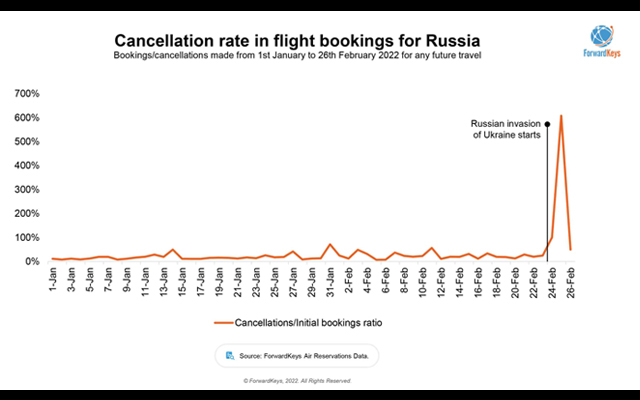
ForwardKeys data reveals that Russia’s invasion of Ukraine has prompted an instant spike in flight cancellations to and from Russia, with every booking made for travel to Russia outweighed by six cancellations of pre-existing bookings since the start of the conflict.
The highest cancellation came from Germany (773%), France (472%), Italy (152%), the UK (254%), India (285%) and Turkey (116%).
Russia’s invasion of Ukraine has prompted an instant spike in flight cancellations to and from Russia
Russian outbound travel suffered high immediate cancellation rates as well, with Cyprus (300%), Egypt (234%), Turkey (153%), the UK (153%), Armenia (200%), and the Maldives (165%) seeing the bulk of the effect.
Prior to the invasion, Russian outbound flight bookings for March to May had recovered to 32% of pre-pandemic levels, with some holiday hotspots doing exceptionally well. Flight bookings were ahead from 2019, led by Mexico (427%), Seychelles (279%), Egypt (192%) and the Maldives (115%). Summer months, July and August, was significantly stronger with flight bookings ahead of 2019 levels.
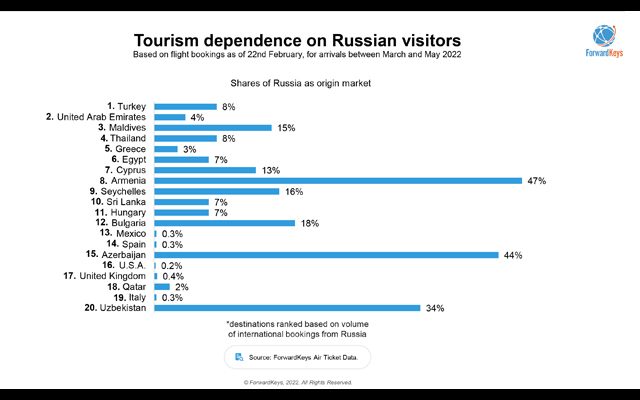
Russian arrivals in countries such as the Seychelles, the Maldives and Cyprus represent a high percentage of all international arrivals. The collapse in Russian travel will have damaging consequences on their tourism-dependent economies. Countries like Armenia, which depends on Russia for 47% of all visitors, Azerbaijan 44%, Uzbekistan 34%, Bulgaria 18%, the Seychelles 16%, the Maldives 15% and Cyprus 13%, will stand to suffer most.
Before the outbreak of war, the top 20 destinations most booked by Russian travellers in March, April and May were, in order of total bookings, Turkey, the UAE, the Maldives, Thailand, Greece, Egypt, Cyprus, Armenia, the Seychelles, Sri Lanka, Hungary, Bulgaria, Mexico, Spain, Azerbaijan, the US, the UK, Qatar, Italy and Uzbekistan.
The collapse in Russian travel will have damaging consequences on their tourism-dependent economies
The Russian tourism economy was beginning to revive from the pandemic and Russian domestic flight bookings for March, April and May were running 25% ahead of pre-pandemic levels. However, new bookings fell 77%, analysed on a week-on-week basis.
Olivier Ponti, vice president insights, ForwardKeys, said: “The outbreak of war always has a hugely damaging impact on the travel industry; and that is what we are seeing here, with mass cancellations in flight bookings to and from Russia. There will also be serious impacts on destinations that depend heavily on Russian visitors.
“Of course, should there be a cease fire and successful peace talks, the outlook for travel should improve.”
Daycations were unheard of pre-pandemic, but is now a growing trend due to the dearth of international travel in the past two years, and the hesitancy to visit another country due to various restrictions even though borders have reopened.
Enter Dayuse, a booking platform that allows hotel rooms to be booked in the daytime at a fraction of the cost of an overnight stay, from as early as 06.00 to as late as 23.00.
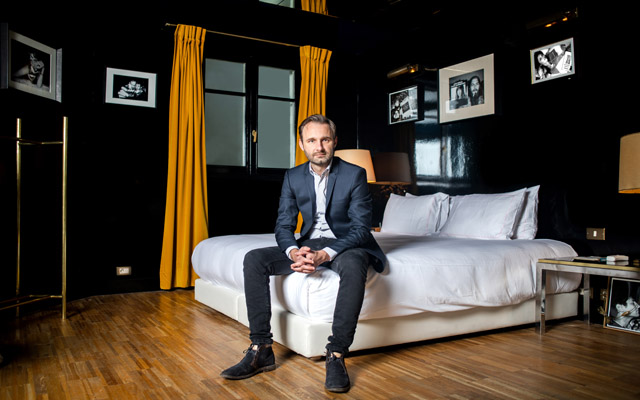
Dayuse is a booking platform that allows hotel rooms to be booked in the daytime at a fraction of the cost of an overnight stay
The concept was born 12 years ago in Paris, when its CEO and founder, David Lebée, was looking for a private and secure space for a few hours, but was unable to find something that met his needs. Fast forward a decade later, the Paris-headquartered booking platform is now in 26 countries and 500 cities.
Lebée shared that the pandemic has helped to drive up local bookings in Singapore.
He told TTG Asia: “Some markets were severely impacted by strict lockdowns and hotels were required to close, but globally, Dayuse has continued to grow. We hit a milestone of generating one million bookings in 2021, and achieved S$170 million (US$125.6 million) in the 26 markets we were in.”
Aside from helping locals decompress and recharge in a time when they are desperate for space, Dayuse also appeals to travellers dealing with long layovers, early arrivals, or late departures in regular times.
Business travellers, in particular, appreciate a quiet environment and a stable Wi-Fi connection, enabling them to still be productive on the move. Some of Dayuse’s deals also include dining offers, or access to the pool and fitness centres.
One of Dayuse’s benefits is that no upfront payments or credit card details are required when booking. Instead, payments are made at the hotel upon check-in, and cancellations are free up to the last minute, providing customers the additional flexibility.
When asked if hotels on the platform were initially receptive to Dayuse, Lebée shared that “hoteliers are always open to new sources of revenue”, but there was still a need to educate them on the concept and possibilities of booking hotel rooms in the day. The platform also has no setup fees or entry fees, and works on a commission-based business model, stated Lebée.
Although Dayuse has been in the Singapore market for a few years now, there was a challenge in achieving brand awareness to enlarge its customer base. Moreover, during the pandemic, hotels were contracted by the Singapore government for quarantine purposes, which meant that Dayuse had to “contract new partners quickly”.
So, in 4Q2021, Dayuse underwent a brand refresh to inspire consumers to live out new experiences in hotels during the day. This move has proven effective so far given the rise in bookings and user followings.
Moving forward, Lebée shared that one of Dayuse’s focus will be centred on increasing brand awareness in Singapore, as well as in the regional market. He also hopes to replicate the success Dayuse has achieved for daytime hotel bookings by “developing a disruptive approach to overnight stays” through staycation packages.
In the future, Lebée aims to evolve the platform beyond offering hotel rooms and amenities, to offering different local services that can cater to various needs and profiles.
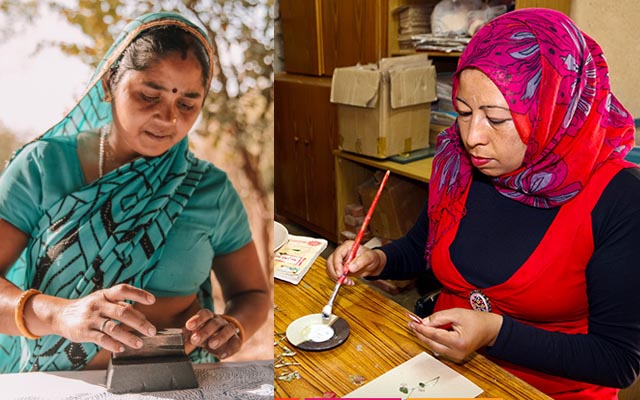
Whenever Malaysian professional conference organiser Place Borneo conducts business events, its activities provide opportunities for local craft women to earn an income through the sale of handmade conference bags, beaded lanyards and other gifts for speakers and VIPs.
Place Borneo does this through collaboration with non-governmental organisations (NGOs) in Sarawak, such as Tanoti and Helping Hands Penan.
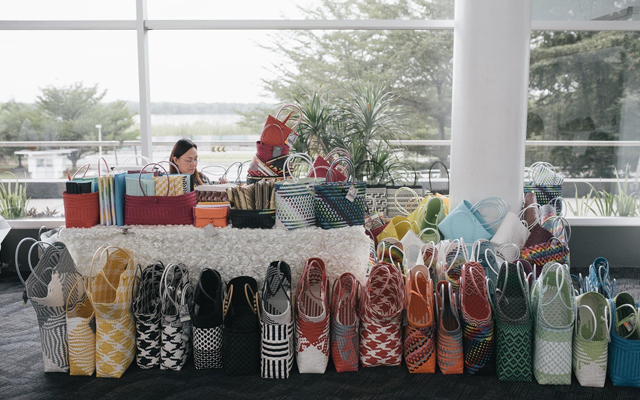
Place Borneo works with NGOs to purchase attendee accessories and speakers/VIP gifts from local women weavers and artisans
Tanoti is a congregation of Sarawakian women weavers and artisans dedicated to the production, promotion and proliferation of handcrafted fabrics. Helping Hands Penan is dedicated to the welfare of the nomadic Penan tribe, whose women are great basket weavers who produce beautiful bags from rattan and jungle produce.
Founder and CEO, Mona Abdul Manap, said conference organisers generally love the idea of supporting local communities this way.
“They can easily buy cheaper bags and souvenirs from China, but they don’t mind spending more for a worthwhile cause that will provide an income for women,” she said.
Place Borneo makes it a point to include the community in its conferencing activities, “if not by way of education or knowledge transfer, then in the form of other economic means such as this”.
“This effectively extends the impact of conferences on Sarawak’s development,” she added.
Place Borneo also finds opportunities to bring the community and their supporting NGOs onto the conference site, where they can display and sell their products.
“With international conferences, there is an opportunity for these NGOs to gain recognition for their cause and for the women, a chance to get future orders from local and international delegates for events they are planning in their home country.
“The more orders they get, the more they will earn. They are skilled artisans, and proud of their heritage. We try and help them to market their handicraft and earn a living from it,” she said.
This story is part of an International Women’s Day series published by TTG Asia and TTGmice, where we highlight organisations in our industry that are committed to supporting gender parity in the workplace and beyond as well as uplifting the quality of life for womenfolk in the communities they interact with through their operations.
Accor is expanding its partnership with Boutique Corporation Public Company to debut the ibis brand in the destination, with the opening of Chiangmai Nimman Journeyhub in mid-2023.
The hotel will feature 143 guestrooms, a restaurant and amenities such as a swimming pool and gym.
The 12th ibis hotel Chiangmai Nimman Journeyhub set to open in mid-2023
Located within walking distance of the trendy Nimman neighbourhood, guests can conveniently access the city’s popular coffee destinations, vibrant dining scene, live music bars, and the charming Old Town.
Chiang Mai serves as a gateway to Thailand’s vibrant ancient cultural sites, lush natural wonders, vibrant arts scene, and dynamic restaurant and café offerings.
ibis Chiangmai Nimman Journeyhub will be the 12th ibis hotel in Thailand.
The Travel Corporation (TTC) has women empowerment programmes that touch not only its workforce but also the communities it interacts with through its tourism and hospitality business.
Within the company, TTC walks the talk on gender parity by having 50 per cent of leadership roles held by women, and 56 per cent of the overall organisation workforce filled by women.
TTC’s Trafalgar and Insight Vacations tour brands offer programmes designed for female travellers and that showcase women-led businesses in the destination
“The company’s commitment is reflected in our How We Tread Right (HWTR) strategy and aligns with the UN’s Sustainable Development Goal (UNSDG) on gender equality, established in 2015,” stated Annaliesa Chapman, senior vice president, people and culture.
TTC’s gender parity efforts in Asia-Pacific takes the form of the I.D.E.A initiative – Inclusion, Diversity, Equity and Action – which includes a Women’s Identity Circle. The Women’s Identity Circle acts as an inclusive and supportive community for Women of TTC and allies, and its overarching strategy includes cultivating a supportive and welcoming environment, targeted recruitment, and maintaining a balance in diverse executive leadership.
I.D.E.A has hosted seminars where TTC’s female leaders from all levels come together to share career experiences and lead open discussions on a wide range of topics, such as salary negotiations, issues around maternity and preparations for the next role.
“The goal of these initiatives is connecting internal peer, which fosters future connections to leadership opportunities,” said Chapman, who added that I.D.E.A will roll out even more interactions and events to “educate leaders on unconscious bias and how it impacts our global workforce, and to challenge the status quo of women in the workplace”.
The TTC Women’s Mentorship Programme is also set to launch this year.
Chapman emphasised that empowering female leadership can benefit the entire organisation.
She said: “Inclusivity, high-performance and business success work in tandem. When an organisation creates a diverse and inclusive environment, and is focused on equity, an increase in retention, collaboration, innovation, and profits follow across the business.
“Showcasing a diverse perspective internally – age, ethnicity, or gender identity – connects us better with our external guests. This is especially relevant for the travel and hospitality industry, which enables people to experience different cultures and walks of life.
“We recognised that the passion and collaborative spirit of the women of TTC is a key to the ongoing success of the organisation. These qualities positively influence the development and future growth of our global partnerships.”
TTC’s gender parity beliefs extend beyond the company, as seen in its support of women-owned businesses through its tourism brands and product lines.
Trafalgar recently launched a new Women’s Only Tours series, which showcases locally-female run businesses in the destination. These join the existing Wander Women tours offered by Insight Vacations, which are curated by an-all female team and seek to introduce travellers to successful women in destinations around the world.
“Women can inspire and uplift each other. Our aim is to celebrate women’s successes in their communities, be they small or large, through shared experiences,” Chapman told TTG Asia.
These efforts are also aligned with TTC’s HWTR strategy and the UNSDG on gender equality.
“Our guests can choose to participate in experiences aligned with the UNSDG and actively seek out travel designed to make a positive impact. When guests join us on trips that aligned with the UNSDG, they are helping us to prioritise community-based enterprises — from supporting women-owned businesses, experiencing unique farm stays that utilise regenerative agriculture practices, or learning about ancient cultures that carry on their traditions by sharing their stories with others,” she said.
Besides supporting women empowerment through tourist experiences, the company also works with organisations to benefit the wider community. An example is its collaboration with The Amy Foundation, a non-profit in the Western Cape region of South Africa that offers development and empowerment programmes for people aged five to 35 living in at-risk communities. The Youth Skills Development programme imparts life skills to children and young adults to prepare them for employment and day-to-day living.
This story is part of an International Women’s Day series published by TTG Asia and TTGmice, where we highlight organisations in our industry that are committed to supporting gender parity in the workplace and beyond as well as uplifting the quality of life for womenfolk in the communities they interact with through their operations.
About 380 million people in 13 countries gained an interest in visiting Japan as a result of the Tokyo 2020 Olympic and Paralympic Games, according to a February 2022 report released by the Japan National Tourism Organization (JNTO).
The Tokyo 2020 Games – JNTO’s tourism promotion legacy study outlined the country’s tourism-related activities that were carried out in relation to the Games and the impact they had on key markets.
Japan National Tourism Organization’s reports that nearly 380 million people in 13 countries are interested in visiting Japan as a result of the Tokyo 2020 Olympic and Paralympic Games
JNTO’s strategy to maximise the potential of the Games was to promote travel to Japan’s regions, particularly for nature and outdoor activities, and to position Japan as an accessible destination, with improved infrastructure for people with disabilities or mobility issues. It identified China, France, the UK and the US as priority markets based on their interest in the Tokyo 2020 Games and potential for growing the number of visitors to Japan in the future.
During the Games, a Japan Showcase was held at the Tokyo Media Center to promote regional attractions in collaboration with 32 local governments and DMOs across the country. Digital advertising and online content was strengthened, with new promotion of sports and outdoor activities as well as highlights of the 47 prefectures and their accessibility.
JNTO worked with Olympic gold medallist Ashton Eaton to produce a digital advertisement showing him experiencing nature, the outdoors and cultural activities in various parts of Japan. This was shown in 12 countries from March to October 2021. More than 70 per cent of viewers surveyed said the advertisement inspired them to visit Japan.
In a related survey carried out by the National Broadcasting Company, which holds exclusive rights to broadcast the Olympics in the US, 95 per cent of commercial viewers reported having a positive impression about Japan and 40 per cent said they would consider Japan for their next overseas trip.
With the Indian school holidays coming around between April and June, Tourism Australia has rolled out initiatives to rebuild Indian arrivals lost over the last two years of travel freeze.
Tourism Australia will soon launch joint promotions with its eight key distribution partners – MakeMyTrip, Pick Your Trail, Thomas Cook, SOTC, Kesari Tours, Kulin Kumar Holidays, Travel Tours and Veena World – alongside Asian flag carriers to encourage an Australian summer holiday among Indians.
Tourism Australian Exchange 2022 in Sydney this May will welcome select Indian travel agents on hosted status
“One of our strategic priorities now is to facilitate the recovery of the entire distribution ecosystem because (without that) we won’t be able to drive the same amount of volume which we enjoyed pre-Covid,” said Nishant Kashikar, country manager, India & Gulf, Tourism Australia in an interview with TTG Asia.
The tourism board is planning to host some 20 travel agents from India at the upcoming Tourism Australian Exchange 2022 from May 14 to 18 at the International Convention Centre in Sydney.
“This will allow Indian travel agents to interact with their Australian counterparts besides witnessing the readiness of the destination to welcome tourists,” said Kashikar, adding that pre/post-show fam trips will be arranged for the attendees.
Australia is also looking to revive the Indian business events market, and will do so through the Business Event Australia (BEA) Showcase in Mumbai on March 10 and 11. The tourism board has invited 15 top event agents from across India to interact with Australian stakeholders.
The ICC T20 Cricket World Cup from October 22 – November 13, 2022 is expected to build up hype around Australia among Indian travellers, who are known to adore the sport.
“We want to promote travel for the games and beyond the games. We would be able to bring back demand and increase the attractiveness of the destination through the sporting event,” remarked Kashikar, adding that the cricket games would attract much corporate interest too, as companies could host their dealers and employees at the event.
Kashikar said Tourism Australia is eyeing high-value travellers from India, as they are more “immersive” and have “an affinity towards some of Australia’s key strengths, like food and wine, nature and wildlife, coastal experiences, and sustainable tourism”.
India was Australia’s fastest-growing tourism source market for three years before the pandemic. In 2019, Australia welcomed almost 400,000 visitors from India, and it was the sixth most valuable market for tourism spend, contributing over A$1.8 billion (US$1.3 billion).
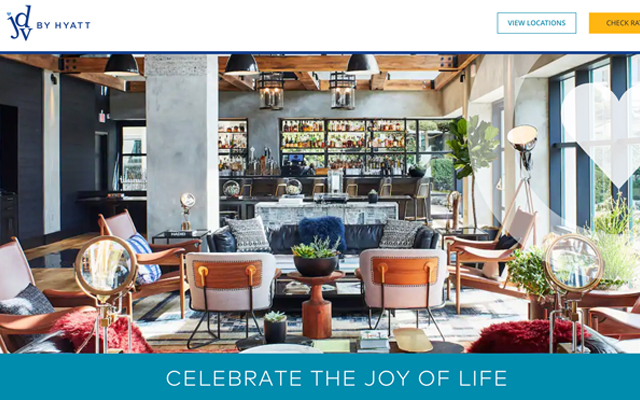
Shanghai will welcome the first ever FILA-branded lifestyle hotel, a result of a collaboration between Hyatt Hotel Corporation and ANTA Sports Products Co.
Joining the JdV by Hyatt portfolio, FILA HOUSE Shanghai aims to bring a vibrant new experience to the local hotel scene. By blending the sports brand’s free-spirited attitude and style with the hospitality brand’s reflections of the local urban location and opportunities for guests and locals to interact in distinct spaces, FILA HOUSE Shanghai will “create a one-of-a-kind experience that appeals to young travellers seeking to live in the moment”.
FILA HOUSE Shanghai will join the JdV by Hyatt portfolio to bring a vibrant new experience to the local hotel scene
FILA HOUSE Shanghai will be developed as part of the new Shanghai headquarters of ANTA Group in the West Hongqiao Business District. With excellent transportation links and a vibrant community of business and industry, the area is fast establishing itself as a centre of Shanghai international trade.
The eco-friendly complex, sprawled across five buildings, is envisioned to be a destination for sports retail and for showcasing the latest trends in sports apparel. The infrastructure will comprise offices, shops, F&B outlets and more. This is expected to open by 2024.
Reopening a destination after a lengthy tourism freeze requires the collaborative effort of government agencies, the tourism board and private sector stakeholders, reflects Maria Anthonette Velasco-Allones, chief operating officer of the Tourism Promotions Board of the Philippines.
In this episode of TTG Conversation: Five Questions, Velasco-Allones recounts the footsteps leading to the Philippines’ resumption of international travel on February 10, sheds light on hiccups and lessons learnt along the way, and details what is next as the country fights a hyper competitive destination marketing war now.