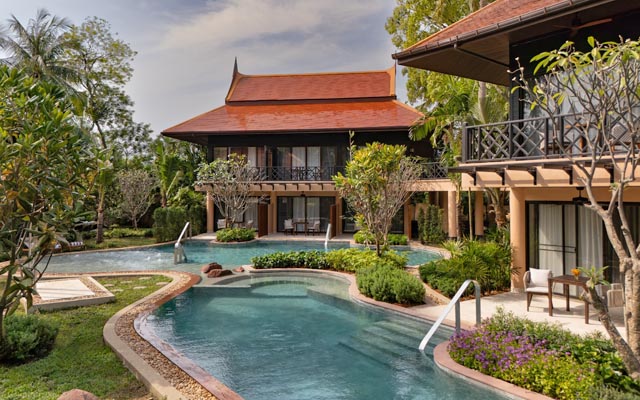
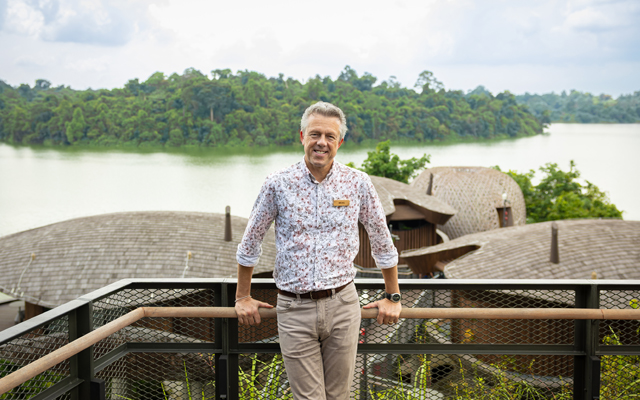
Michel Scheffers has been appointed general manager of Mandai Rainforest Resort by Banyan Tree.
He brings more than 25 years of hospitality experience, having held senior leadership positions with Onyx Hospitality Group, Shangri-La and Hilton across Asia, including Thailand, Singapore, India, the Maldives and Hong Kong.
Auckland is strengthening its focus on Asia as new data reinforces the city’s growing position as a destination in its own right, beyond serving as an international gateway to the rest of New Zealand.
Visitors from Australia, the US and China are now spending about NZ$7.6 million (US$4.5 million) a day across the city, with Chinese visitors contributing NZ$1.1 million of that daily spend.
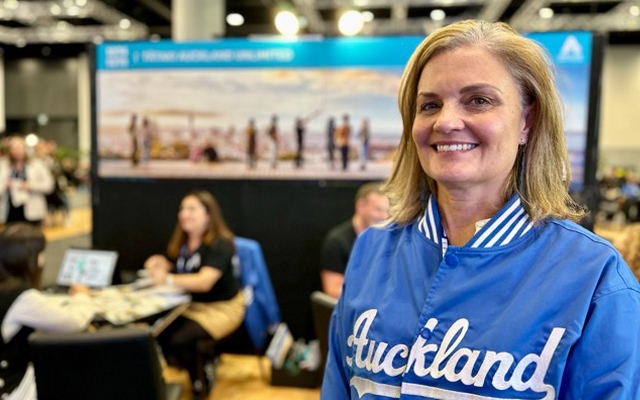
Thompson-Smith says Auckland is seeing growing interest from Asian travellers as demand rises for destinations combining nature, culture and urban experiences; photo by Adelaine Ng
The figures come as Auckland Airport welcomed 2.4 million overseas visitors in the year ending March 2026, up five per cent year on year, with the three markets accounting for 65 per cent of total international arrivals.
Tātaki Auckland Unlimited head of tourism Karen Thompson-Smith said Auckland is seeing growing interest from across Asia as travellers increasingly seek destinations that combine nature, culture and urban experiences in one trip.
“We’re definitely seeing an increase in multi-generational family travel from across Asia, including China,” she told TTG Asia. “And because New Zealand isn’t a cheap destination, those travellers often sit in the premium segment. But premium doesn’t necessarily mean luxury at every touchpoint.
“Travellers may choose to spend less on accommodation so they can invest more in experiences.”
Thompson-Smith said those travel patterns are influencing how Auckland is positioning itself across Asia.
She said Auckland’s strategy is deliberately broader than any single market.
“We are very focused on China, but we are equally committed to deepening our presence in markets such as South Korea, Japan, India and South-east Asia,” she said. “We know that what works in China will not necessarily resonate in Singapore or Seoul, so we are tailoring the Auckland story for each market while keeping our core promise of nature, culture and urban experiences consistent.”
Feedback from Asian trade partners at TRENZ in Auckland last week supported that trend. Jaeeon Kang, manager at Blue Travel in South Korea, said enquiries for Auckland and New Zealand are increasing, with some travellers reconsidering trips to Europe and the Middle East amid ongoing uncertainty.
“New Zealand is getting increasingly attractive,” he said. “People are looking for green nature, Māori culture and glaciers, and they see New Zealand as very unique.”
Chinese self-drive platform Zuzuche is also seeing continued strong demand. Senior executive Olivia Wong said New Zealand remains among the company’s top five destinations, driven by its scenic touring routes and self-drive appeal.
“We tell our customers that self-driving is the best way to experience 100 per cent pure nature and to feel something totally different from China,” she shared.
Wong noted that easier visa arrangements and the ability to combine Australia and New Zealand in one trip are supporting demand, though she believes there is still room for improvement.
“What could be better is more direct flights, cheaper air tickets and easier visa policy, because our customers do not have very long holidays,” she added.
Thompson-Smith said the next three to five years will focus on turning Asian interest into committed trips and higher regional spend.
“We had to pull out of East Asia and China after Covid and we’re now ramping back up again. Having been up there in the last two years, seeing the opportunity and what we need to do, we’re currently in the process of writing that strategy at the moment.”
The Azerbaijan Tourism Board is expanding its reach in Asian source markets, with the opening of an office in Beijing marking its biggest new initiative. The office, which includes a visitor experience centre introducing the destination, will facilitate in-person engagement with local partners and consumers, and will be supported by increased marketing activity.
Speaking to TTG Asia ahead of the Beijing office opening, Azerbaijan Tourism Board CEO Florian Sengstschmid said the move was linked to the bilateral visa-free arrangements introduced by the governments of China and Azerbaijan.
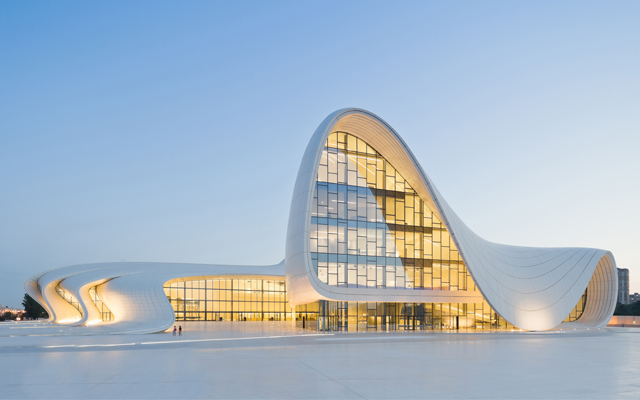
The Azerbaijan Tourism Board is targeting stronger growth from Asia through increased marketing activity and a new office in Beijing; Azerbaijan Heydar Aliyev Centre, pictured
“We feel that it is good to be physically present in China when we want to build relations,” said Sengstschmid. He added that the Azerbaijan Tourism Board has been laying the groundwork in the market through collaborations with major travel technology platforms such as Trip and Fliggy, as well as a China-ready training programme to help Azerbaijani partners, including hospitality providers and guides, better understand and support Chinese guests.
Alongside the opening of the Beijing office, the Azerbaijan Tourism Board has returned to ITB China “in a big way” this week and will continue with a four-city roadshow across tier-one and tier-two cities in China.
Sengstschmid shared that the board’s initiatives in China are being supported by improving air connectivity, pointing to direct flights operated by Azerbaijan Airlines and China Southern Airlines, as well as new summer services to Shanghai that will soon be launched by China Eastern Airlines.
However, China is only one part of the Azerbaijan Tourism Board’s broader Asia strategy.
“Malaysia, Indonesia, Vietnam, South Korea, and Japan are always on our agenda too,” said Sengstschmid, adding that his team actively participates in travel and tourism conferences and trade shows across the region.
“Asia has gained enormous importance (for us) over the past eight years, and connectivity between Azerbaijan and this region has improved,” he said.
“We see that South-east Asia connections are on the agenda of Azerbaijan Airlines, and we are actively approaching Asia-Pacific carriers to look at Azerbaijan as a potential destination,” Sengstschmid added.
He sees significant opportunities to grow travel demand from Asia, particularly as interest in the wider Caucasus region increases. He observed that more travellers are looking beyond Azerbaijan’s post-Soviet image and recognising the destination’s international standards, supported by high-profile global events hosted in the country, including the United Nations Climate Change Conference COP29, which was held in Baku two years ago.
The capital also hosted the World Urban Forum from May 17 to 22.
“These events help to put Baku and Azerbaijan on the world map,” he said, adding that the NTO is keen to build business events demand from Asia.
As a destination for Asian travellers, Sengstschmid said Azerbaijan, located at the crossroads of east and west, offers the “beauty of both sides”. The country combines heritage and modernity, with UNESCO World Heritage Sites including the Walled City of Baku and the Gobustan Rock Art Cultural Landscape, alongside contemporary landmarks such as the Heydar Aliyev Center and the Flame Towers.
Other attractions include the country’s culinary offerings, supported by a climate that allows for year-round fresh produce; natural attractions such as Yanar Dag, also known as the Burning Mountain; and heritage villages including Lahij, the Copper Capital of Azerbaijan, and Basqal’s Silk Village, both of which were once part of the ancient Silk Road.
Anantara Hotels & Resorts is celebrating its 25th anniversary with the launch of a global campaign highlighting the brand’s expansion from a single resort in Thailand to a portfolio of more than 50 properties across 24 countries.
The campaign, titled 25 Years of Unforgettable Journeys, reflects on the destinations, people and experiences that have shaped the luxury hospitality brand since its launch in 2001 by Minor International chairman and founder William Heinecke.
Anantara Hua Hin Resort, the brand’s original property, opened in Thailand in 2001 and marked the beginning of Anantara Hotels & Resorts’ global expansion
Anantara Hua Hin Resort, the brand’s first property, opened in Thailand in March 2001 with a concept centred on culturally immersive and experience-led luxury travel. The brand has since expanded across Asia, the Middle East, Africa and Europe, with properties in destinations including the Maldives, Rome, Amsterdam, Budapest, Vienna and Nice.
Future openings are planned in Australia, Japan, Egypt, Croatia, Argentina, Turks & Caicos and the US. The company also plans to introduce Anantara Tented Camps in 2026, beginning with a property in Zambia near Kafue National Park.
To mark the milestone, Anantara has launched a People Who Inspire series spotlighting 25 employees across its global portfolio, including artisans, guides, conservationists and long-serving team members who contribute to the guest experience.
The anniversary programme will also feature curated destination experiences across selected properties. These include private boat journeys along Rome’s River Tiber at Anantara Palazzo Naiadi Rome, stargazing experiences at Anantara Kihavah Maldives Villas, and elephant encounters at Anantara Golden Triangle Elephant Camp & Resort in Thailand.
“Creating Anantara remains one of my proudest professional accomplishments,” said Heinecke. “We wanted to create a brand that offered memorable local experiences and adventures while providing luxurious accommodation.”
“Anantara has played a defining role in shaping Minor Hotels’ luxury portfolio over the past 25 years,” added Dillip Rajakarier, group CEO of Minor International. “Our focus remains on thoughtful, disciplined expansion that stays true to Anantara’s foundations.”
A London-based brand affiliation representing independent luxury hotels is positioning itself against what it sees as growing uniformity in the high-end hospitality sector, arguing that emotional engagement and distinctive experiences are becoming more important than traditional points-based loyalty.
Speaking to TTG Asia, chief executive Robin Stangroom said The Set has built its loyalty strategy around personal connection rather than transactional rewards. The company shifted to a pure brand affiliation model in 2021 after originally operating three owned properties in London, Paris and Amsterdam.
Robin Stangroom noted that luxury travellers seek both reassurance around service quality and experiences that feel more personalised and authentic
The Set’s guest programme, The Set Discovery, operates in partnership with Global Hotel Alliance (GHA), giving members access to more than 950 hotels across 50 brands in 100 countries, with a membership base of more than 34 million. Members earn Discovery Dollars whether bookings are made directly, through travel advisers or via GDS channels, although OTA bookings are excluded.
“It’s not alienating travel advisors, which is such a hugely important part of our landscape,” Stangroom said.
The company differentiates itself through a non-competing portfolio model, typically limiting itself to one property per destination. Stangroom said this allows independent hotels to offer a clear luxury positioning while retaining their individuality.
“The luxury traveller wants that safety blanket of knowing they’ll get the top level,” he said. “But they want something far more personalised and authentic. And we can provide both.”
Current members include The Upper House Hong Kong, The Siam Bangkok and Shinta Mani Wild in Cambodia, a 15-tent property designed by Bill Bensley where guests arrive by zip line through the jungle canopy.
Stangroom argued that one of the biggest risks facing luxury hospitality is what he described as “beigification” – a growing sameness in hotel design and experiences as brands become increasingly cautious – adding that for independent hotels, distinctiveness is not a creative gamble but a commercial strategy.
“Travel is about broadening your horizons and showing different perspectives,” he said. “That’s not possible if everything looks the same.”
For travel advisers selling to high-end clients, The Set is positioning itself as an option for travellers seeking consistent quality without sacrificing individuality.
WebBeds and Archipelago Hotels have expanded their partnership as South-east Asian hotel groups continue to grow internationally and place greater focus on scalable distribution and connectivity.
The expanded partnership reflects both companies’ focus on building a more connected distribution ecosystem as regional hotel brands continue their international expansion strategies.
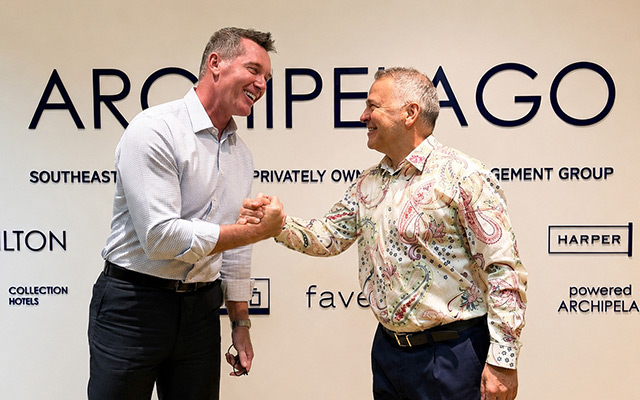
From left: Archipelago Hotels’s John Flood and WebBeds’s John Guscic
The next phase of the collaboration between the two companies will centre on marketing activation and deeper distribution integration aimed at supporting Archipelago Hotels’ ongoing expansion across global markets.
Archipelago Hotels, South-east Asia’s largest privately-owned hotel group, and WebBeds said the partnership has already delivered growth across multiple markets during the past six months through expanded reach and improved distribution efficiency.
Under the enhanced agreement, WebBeds will introduce targeted marketing initiatives designed to increase visibility for Archipelago Hotels across its global travel agent network. These include accelerated WebBeds Rewards points for retail travel agents, premium placements across WebBeds’ digital channels, co-branded campaigns and training programmes in selected markets.
The partnership will also strengthen technology integration through platforms including Hyperguest and Channex to improve rate, inventory and content management across distribution channels.
WebBeds said the deeper connectivity is intended to support more efficient and seamless distribution as hotel groups face increasingly fragmented global sales environments.
“As more South-east Asian hotel groups expand beyond their home markets, distribution is becoming significantly more complex and fragmented,” said Brett Henry, president Asia Pacific, WebBeds. “It is no longer enough to simply broaden reach; success now depends on how effectively supply is connected and activated across multiple channels.”
Chris Legaspi, chief commercial officer, Archipelago Hotels, added: “As we continue to grow our portfolio and enter new markets, having the right distribution infrastructure in place is critical. Strengthening both marketing and technology with WebBeds allows us to improve how we connect our properties to global demand, and support more consistent, scalable growth.”
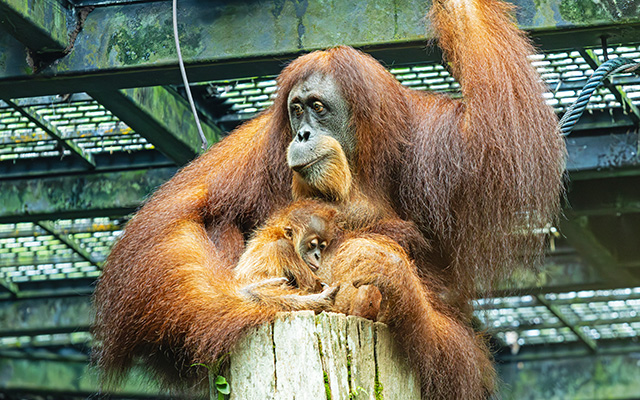
Singapore Zoo has welcomed Ayaan, a male Sumatran orangutan born via caesarean section on March 18, 2026 following a high-risk pregnancy complicated by placenta praevia.
The birth is believed to be the first documented orangutan caesarean case in which both mother and infant survived. After two months of recovery, Ayaan and his mother, Chomel, have returned to the orangutan exhibit.
Baby orangutan Ayaan is growing stronger each day while staying close to his mother, Chomel; photo by Mandai Wildlife Group
Ayaan is the first offspring of Charlie, a 48-year-old Sumatran orangutan whose genetic line was previously unrepresented in the managed population. The birth followed years of planning under the Southeast Asian Zoos and Aquariums Association Species Management Programme, including three artificial insemination attempts.
Mandai Wildlife Group said the case contributes to veterinary knowledge due to the rarity of caesarean births in orangutans. Sumatran orangutans are listed as Critically Endangered on the IUCN Red List.
“Ayaan’s birth is the result of years of careful planning and teamwork behind the scenes,” said Cheng Wen-Haur, deputy CEO of life sciences and chief life sciences officer at Mandai Wildlife Group. “This reflects the value of science-led, collaborative breeding programmes in safeguarding critically endangered species for the long term.”
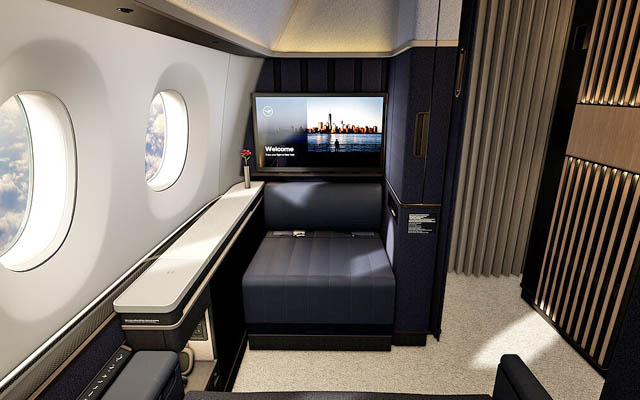
Lufthansa introduces Allegris cabins for Singapore-Munich flights
Lufthansa to deploy Allegris cabins on Singapore-Munich route
Lufthansa will introduce its Allegris cabin product on flights between Singapore and Munich from October 26, 2026.
The Allegris-equipped Airbus A350 will operate on the route, bringing Lufthansa’s latest cabin interiors across First Class, Business Class, Premium Economy and Economy Class.
The move marks an investment in the Singapore market and enhances Lufthansa’s offering on one of its key Asia-Europe routes via its Munich hub.
Passengers will also have access to Lufthansa’s Future Onboard Experience, a new onboard service concept being rolled out across the airline’s network.
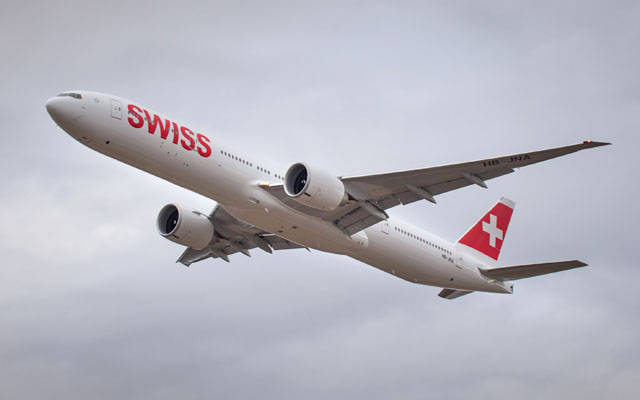
SWISS
SWISS adds Bengaluru, expands A350 network for winter 2026/27
SWISS will launch a new five-times-weekly service between Zurich and Bengaluru during the 2026/27 winter schedule, marking the airline’s first route to Southern India. Bengaluru becomes SWISS’s third destination in India after Delhi and Mumbai.
The airline will also expand deployment of its Airbus A350 fleet, adding Zurich-Johannesburg and Zurich-Shanghai services. The aircraft is already scheduled to operate flights to Boston and Seoul.
From Geneva, SWISS will discontinue services to Berlin, Hamburg and Pristina in the winter schedule as it adjusts operations amid ongoing aircraft and engine parts availability issues affecting its Airbus A220 fleet.
For the 2026/27 winter season, SWISS will serve 88 destinations from Zurich and Geneva, including 60 European and 24 intercontinental destinations from Zurich.
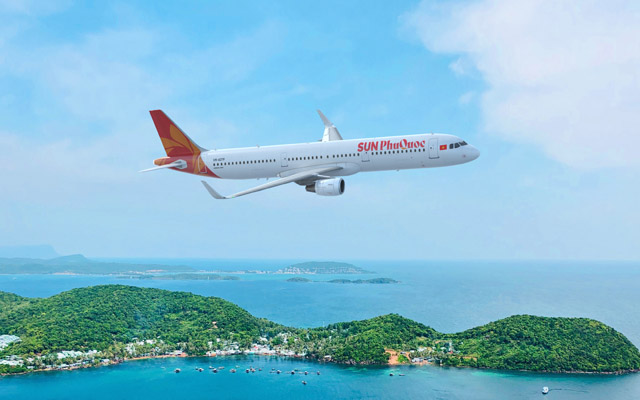
Sun PhuQuoc Airways
Sun PhuQuoc Airways launches Singapore-Phu Quoc service
Sun PhuQuoc Airways will introduce scheduled flights between Singapore and Phu Quoc on July 25, 2026, with ticket sales now open.
The airline becomes the first full-service carrier on the Singapore-Phu Quoc route, which is currently served primarily by low-cost airlines.
The new service will offer Business Class and Economy Class cabins, expanding premium travel options between Singapore and the Vietnamese island destination.
The route strengthens air links between Singapore and Phu Quoc and provides additional connectivity for international travellers transiting through Singapore’s Changi Airport.
Etihad expands flights to Paris
Etihad to operate double-daily A380 flights to Paris
Etihad Airways will increase Airbus A380 operations on the Abu Dhabi-Paris Charles de Gaulle route to twice daily from July 1.
The expanded schedule will see Paris become one of the few destinations in the airline’s network served twice daily by the Airbus A380.
In addition to the two daily A380 flights, Etihad will continue operating a third daily Boeing 787-9 service on the route, bringing total frequencies between Abu Dhabi and Paris to three flights a day.
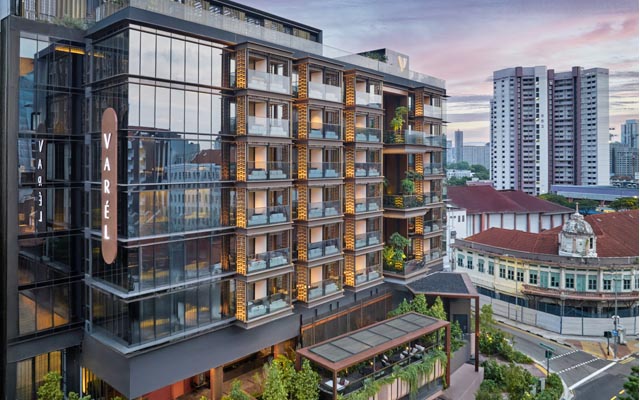
Hotel exterior, with most rooms featuring a balcony; photo by Varel Singapore, a Tribute Portfolio Hotel
Location Standing on the former site of the iconic Selegie Centre, Varel Singapore, a Tribute Portfolio Hotel, is a newly opened boutique property with 128 guestrooms, located within walking distance of Little India and the Bugis precinct. Tekka Centre sits directly across the road, while nearby eateries include the flagship outlet of Old Chang Kee. Little India MRT station is also just a five-minute walk away.
Accommodation The hotel offers a range of accommodation options, including standard Queen rooms, Twin and King configurations, as well as suites located on the upper floors.
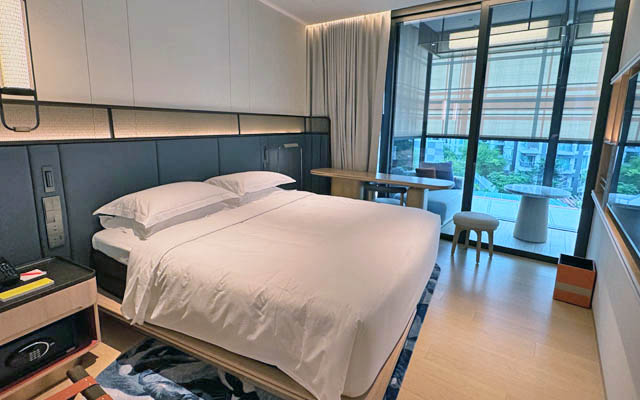
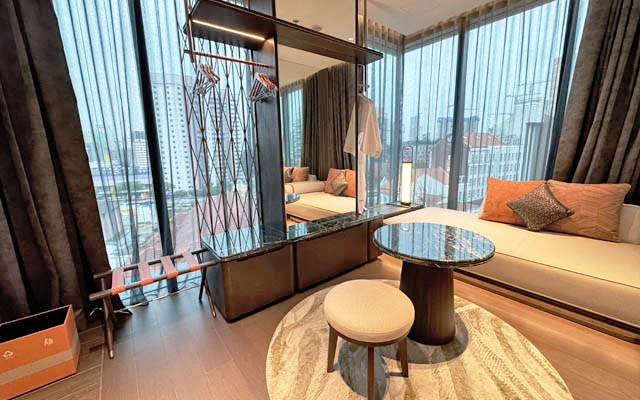
I stayed in a Corner Deluxe King Room, which came with a private balcony fitted with a zip-track blind that could be drawn for added privacy or opened up to views of the Mt Emily neighbourhood. The balcony quickly became my favourite spot to unwind in the room, thanks to the comfortable sofas that made it easy to relax.
Upon entry, there is a small foyer area fitted with a bench that is useful for putting on shoes or placing bags. An open-concept hanging section for clothes is also located here, although limited to just a few pieces of clothing.
Inside the room, the work desk proved conducive for getting work done, with electrical outlets conveniently built into the desk itself. Larger chargers, such as my Macbook charger, could not fit within the internal compartment, although this was easily resolved by using the nearby wall outlet instead. Despite its appearance, the work chair was also far more comfortable than expected, offering good support and posture during extended periods of work.
The room was also equipped with a kettle, tea and coffee sachets, and filtered bottled water that can be refilled upon request. A mini fridge stocked with complimentary canned drinks was provided for the first round as well.
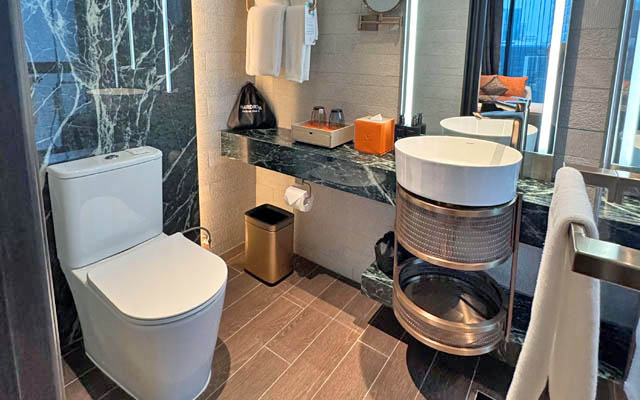
Bathroom amenities are by Maison 21G, featuring the Chai Noir scent, which is also diffused throughout the hotel. All guestrooms are fitted with shower facilities, with the exception of the suite, which comes with a round stone bathtub.
Varel Singapore, a Tribute Portfolio Hotel
1 of 10
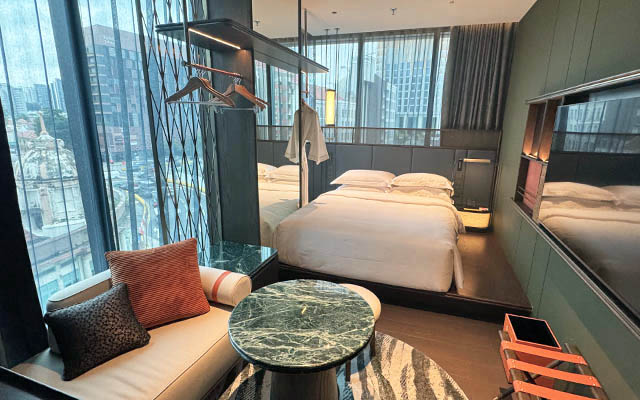
Standard Queen Room in dark theme; photo by Melissa A Tan
Corner King Room; photo by Melissa A Tan
Suite living room; photo by Melissa A Tan
Bathroom; photo by Melissa A Tan
Sky Terrace; photo by Melissa A Tan
Hathaway Autograph; photo by Melissa A Tan
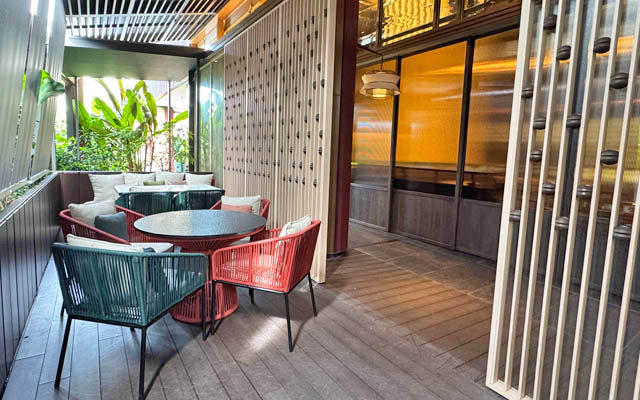
Hathaway Autograph al fresco area; photo by Melissa A Tan
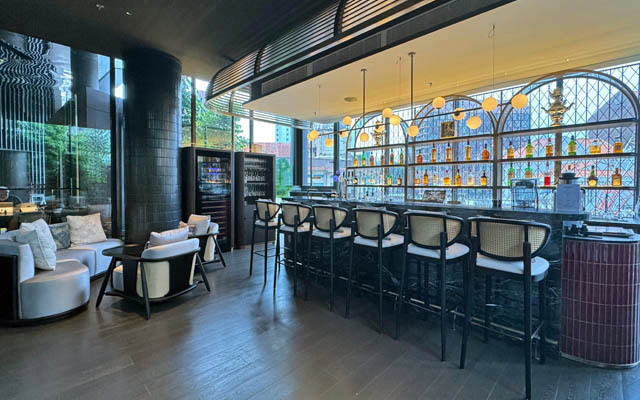
Saga Bar; photo by Melissa A Tan
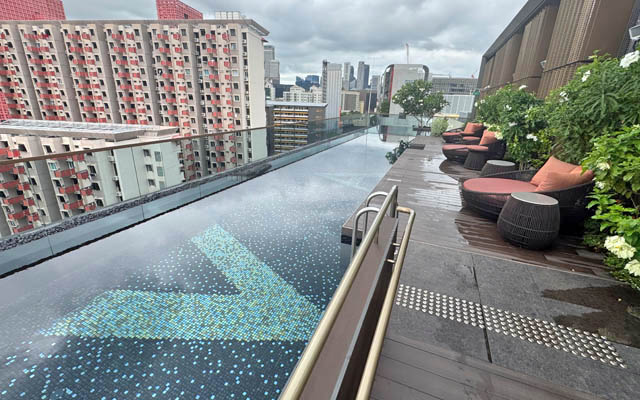
Rooftop pool during the day; photo by Melissa A Tan
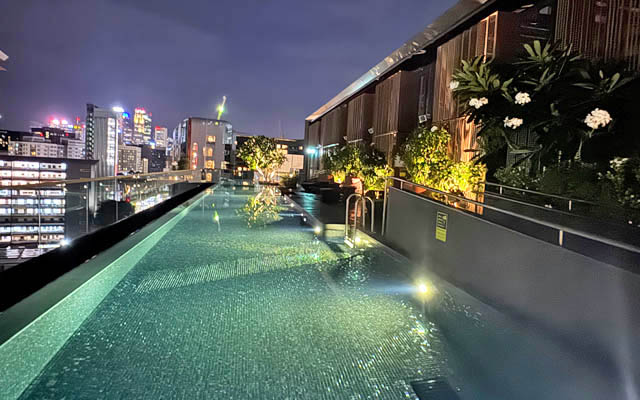
Rooftop pool at night; photo by Melissa A Tan
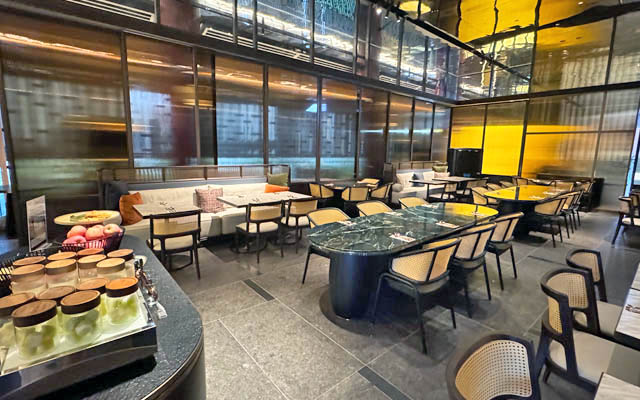
F&B Despite its relatively intimate size, the hotel delivers a strong culinary offering through its signature restaurant, Hathaway Autograph. Under the direction of Chef Lawrence, the menu draws on comforting regional flavours while introducing modern interpretations of classic dishes.
The al fresco all-day dining venue also hosts the hotel’s buffet breakfast, featuring an egg station, hot dishes, fruits, yoghurt, charcuterie, and even a pancake-making machine.
While the restaurant is open for lunch, I did not have the opportunity to dine there as I spent much of the day exploring the surrounding neighbourhood. Dinner, however, proved to be a highlight, with both set menus and à la carte options available.
For starters, I sampled the Salmon & Coconut Kinilaw, a Filipino-style ceviche bursting with refreshing flavours from citrus-cured salmon and creamy avocado, alongside the Tempe Buncis, a simple yet flavourful dish that evoked a comforting, homely feeling. I also had the Grilled Squid “Rojak” – an interesting interpretation of the traditional dish. Among the mains, my standout favourites were Ah Nya’s Fish Curry, featuring fresh barramundi poached in a rich and hearty curry sauce, and the Wagyu Bakudan Bakso, a tender tendon meatball served in a clear, subtly sweet beef broth. Both dishes brought back fond memories of meals shared with my Indonesian relatives, where similar flavours were often served at the dining table.
To end the meal, I had the Sago Gula Melaka and Sticky Coffee Pudding, both decadent desserts that provided a satisfying finish to an enjoyable dinner.
I found myself particularly enjoying the evening atmosphere at Saga Bar, located on the hotel’s second level. During my visit, bartender Shuhan showcased her mixology skills with a cocktail specially created for the hotel, which has yet to be officially named. The drink was enjoyable and well-balanced, featuring notes of cranberry and Cointreau among its flavours. I even brought a nightcap back to my room to enjoy on the balcony before turning in for the night.
Guests at the bar can also order dishes from Hathaway Autograph’s menu. On one evening, I opted for the Signature Beef Cheek Rawon and the Chilli Crab Dip, both of which proved to be delightful accompaniments to the cocktails.
Located on the ground floor near the hotel’s street-level drop-off point, Vernacular Coffee offers a convenient stop for coffee and light refreshments throughout the day.
Facilities The hotel’s design draws on local heritage influences, from bathroom metal grilles reminiscent of old lift gates to tingkat-shaped desk lamps in the guestrooms. Inspired by the vision of the hotel’s Indonesian owner, many of the nostalgic touches reflect his years spent living in Singapore.
Located on the second floor, the lobby features a playful five stones theme, complete with oversized replica cushions and a communal workstation area. Guests can also borrow five stones sets to try the traditional game for themselves.
On the eighth floor is the rooftop swimming pool, equipped with hot and cold poolside rinse showers, with plans for a rooftop bar also in the works. Despite rainy weather during much of my stay, I still managed to enjoy a relaxing night swim before the pool closed at 22.00.
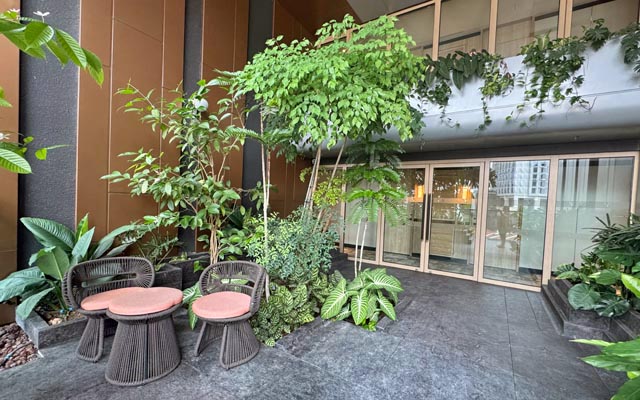
The hotel’s Sky Terraces, located on the third, fifth and seventh floors, provide open-air green spaces within the city, while guests seeking a workout can request passes to a nearby gym via the front desk.
Service All the staff at Varel Singapore were warm and friendly, consistently checking in on how my day was going and whether I required any assistance during my stay. Guests are also welcomed upon check-in with TWG tea and a scoop of gelato by Denzy Gelato, a thoughtful touch that added to the arrival experience. Special mention goes to Colin, front office supervisor, who attended to my needs attentively and patiently answered my questions about both the hotel and the surrounding area. I would also like to commend Viwan, F&B supervisor, who took care of my dining requests and reservations throughout the stay.
The hotel also utilises the Marriott Bonvoy app, which allows guests to message the front desk, request housekeeping services and amenities, as well as make dining reservations. Mobile Key functionality is also available, enabling guests to use their smartphones in place of a physical key card, although a Bluetooth connection is required.
Verdict Overall, I had an enjoyable stay at Varel Singapore, made even better by the warm hospitality from the team throughout my visit. The rooms were clean, cosy and comfortable, while the food and service consistently impressed me during my stay. Combined with its thoughtful design touches and convenient location, it is a hotel I would gladly return to in the future – and one I wished I could have stayed at a little longer.
Sri Lanka is offering a free 30-day visa to nationals of 40 countries from May 25, providing a boost to the tourism industry amid the impact of the Middle East crisis on travel demand.
The countries include the UK, Germany, the Netherlands, Belgium, Spain, Australia, Poland, Kazakhstan, Saudi Arabia, the UAE, Nepal, China, India, Indonesia, Russia, Thailand, Malaysia, Japan, France, the US, Canada, the Czech Republic, Italy, Switzerland, Austria, Israel, Belarus, Iran, Sweden, Finland, Denmark, South Korea, Qatar, Oman, Bahrain, New Zealand, Kuwait, Norway, Türkiye and Pakistan. Travellers from these countries previously paid a visa fee of about US$50.
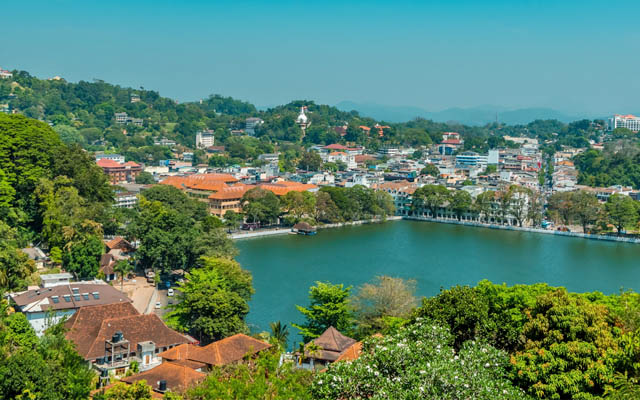
Sri Lanka has introduced free 30-day visas for travellers from 40 countries to support tourism recovery; Kandy in Sri Lanka, pictured
India, China, Russia, Japan, Malaysia, Thailand and Indonesia have been entitled to free visas since 2023 under a special arrangement. The broader free-visa scheme was first proposed in mid-2024 but was delayed due to administrative procedures.
Travellers are still required to obtain an Electronic Travel Authorisation (ETA) before arrival in Sri Lanka. Countries with bilateral reciprocal agreements, including the Maldives, Seychelles and Singapore, will receive a 90-day visa.
The move was welcomed by industry stakeholders.
“This is a good initiative. Look at how Singapore (for a long time) and Thailand have benefitted by free visas and visa-on-arrival,” said Devindre Seneratne, former president of the Travel Agents Association of Sri Lanka and a travel agent. “Many visitors will start talking (about this) helping to spread the message. It will also help to boost arrivals from Europe,” he added.
Seneratne noted that the scheme would strengthen ongoing destination marketing efforts and boost arrivals, while urging authorities to implement the long-awaited destination marketing campaign.
Hiran Cooray, chairman of Jetwing Symphony Hotels, said the move would support tourism growth, but cautioned that authorities should ensure the scheme does not attract undesirable activity.
Earlier this month, police arrested more than 120 foreign nationals, including Chinese, Malaysian, Vietnamese, Taiwanese, Filipino and Cambodian citizens, for overstaying visitor visas and allegedly engaging in business activities in the country, including financial fraud and website hacking.
In southern Sri Lanka, some tourists have reportedly been operating small businesses, including bars, through local partners to avoid detection.
Tourist arrivals have fallen by 20 per cent since the outbreak of conflict in the Middle East, a major transit hub for European travellers.


 He brings more than 25 years of hospitality experience, having held senior leadership positions with Onyx Hospitality Group, Shangri-La and Hilton across Asia, including Thailand, Singapore, India, the Maldives and Hong Kong.