World of Hyatt has launched FIND, an experiences platform, through Hyatt’s industry-leading World of Hyatt loyalty programme, offering more than 200 experiences across over 85 destinations.
World of Hyatt members can explore their definition of well-being through FIND experiences, from discovering local cultures, enjoying culinary experiences or restoring energy through mindful movements.
World of Hyatt members can explore well-being experiences through the new FIND platform
With the flexibility for members to book during and outside of hotel stays, on- or off-property, FIND allows members to find experiences that fit their wellbeing purpose through the platform’s three pillars of well-being: Feel, Fuel and Function.
Feel offers experiences focused on emotional and mental well-being through culturally immersive workshops, tours and activities, such as an open-air jungle safari tour in Indonesia, horseback riding in the US, a vineyard tour in Austria, and snorkelling with clownfish in Japan.
Designed to power the body, while evoking all of one’s senses through fresh local ingredients, Fuel is about culinary experiences with renowned chefs around the world. Members get to go behind-the-scenes in choosing the ingredients, indulge in the specially-prepared meal accompanied by the scenic views of the destination.
Function has activities and adventures designed to move, restore energy and expand the mind. Some highlights include truffle-hunting in Budapest, off-road volcano adventures in Indonesia, a private walking tour in Czech Republic, and a rock ‘n’ roll jam experience in the US.
World of Hyatt members can purchase the activities directly with cash or choose to utilise their World of Hyatt points to redeem on experiences.
“We know travellers are eager to explore new destinations and are prioritising their well-being now more than ever,” said Amy Weinberg, senior vice president, loyalty, brand marketing and consumer insights, Hyatt.
“The FIND platform allows for more opportunities to enhance World of Hyatt members’ well-being through a lens of self-discovery.”
Collinson and Salesforce have released their Future of Customer Engagement and Loyalty report that surveyed 350 Asia-Pacific-based brands in Australia, Singapore and Hong Kong to uncover the loyalty strategies and tactics that companies across the region are employing today and investing in for the future.
Against the backdrop of the global pandemic, multinational companies are acutely aware that customer engagement and loyalty are critical to business expansion and competitiveness. The research revealed that companies are looking to scale up their investments in technology infrastructure to support loyalty innovation and meet the challenges of changing customer expectations. In addition, brands in Asia-Pacific, particularly in Hong Kong, have shown a keen interest in investing in loyalty management systems and data management architectures; with almost one-third of respondents saying that deploying cloud-based ecosystems will enable them to drive the largest return in the future.
Brands across Asia-Pacific are most likely to use loyalty programmes to retain their customers or improve levels of engagement and member activity
To that end, they are harnessing cutting-edge technology such as artificial intelligence (AI), blockchain and non-fungible tokens (NFTs), the latter of which can deliver substantial new value for customer engagement and loyalty programmes in the future. Additionally, many companies are increasingly looking for ways to stand out by offering sustainability-focused benefits such as carbon offsets, and digital rewards like cryptocurrency and special digital content as part of their loyalty offerings.
A customer-first culture delivers faster ROI for companies
In this age of rapid digital transformation, companies that embrace a customer-first culture and integrate loyalty programmes as a core business function are more likely to achieve a faster return on their investments. Nearly half of the organisations surveyed were able to recover their investment on loyalty programmes within the first three years. A seamless customer experience is viewed as the most promising way to improve returns from loyalty programmes by roughly 64% of businesses. While many companies are still focused on offering rational benefits today, such as rewards points and discounts, the majority plan to move to more emotional offerings like status-enhancing special-access and personalised experiences.
Extracting additional customer value through loyalty programmes
Although businesses use loyalty programmes for a variety of reasons, the most common benefit, cited by 63% of respondents, is to extract additional customer value – through cross-selling, upselling and encouraging profitable customer behaviour. Other popular benefits of loyalty programmes include their ability to improve branding by creating a competitive differentiator for the brand, monetising customers, opening new direct-to-consumer sales channels, and improving customer analysis by allowing companies to identify and profile loyal customers and better understand their needs. Companies in Singapore identify efficiency in data management as the most valuable benefit, as it assists them in identifying and resolving data gaps in governance and compliance.
Todd Handcock, president, Asia-Pacific at Collinson, said: “The growing digitisation of customer experiences combined with changing consumer preferences has made it increasingly difficult for brands to engage and retain the loyalty of even their most valuable customers. Brands need to constantly have a finger on the pulse of their customers to understand their expectations and deliver meaningful experiences that look and feel bespoke to them.
“Our enhanced relationship with Salesforce and full-spectrum loyalty expertise of nearly 35 years, allows us to leverage the power of Salesforce’s platform to unlock data-driven insights and help brands across Asia-Pacific evolve their loyalty programmes to better engage their customers and truly add value to their lives.”
Opportunities for growth in Asia-Pacific’s loyalty market
Despite their numerous benefits and widespread acceptance, only one in four companies in Asia-Pacific have progressed to higher levels of maturity on their loyalty programmes. Most companies agree that they still have considerable work ahead of them to get the most out of their loyalty programmes. On average, companies across the region have been using loyalty programmes to engage with their customers at a more basic level – by offering general rewards and incentives, extending benefits through a points platform, and communicating with them through traditional marketing channels.
The use of targeted and personalised marketing to engage customers, offering time-relevant incentives and leveraging collaborations to offer rewards beyond their own brand is largely absent from their programmes. Across Asia-Pacific, brands are most likely to use loyalty programmes to retain their customers (51%) or improve levels of engagement and member activity (46%).
Through advanced tracking that, in turn, enables reward actions, Salesforce Loyalty Management enhances the consumer experience at every stage of the customer life cycle. This is further amplified by Collinson’s teams of strategic and technical loyalty experts, who build brand-bespoke, customer-focused programmes that deliver insight-led, personalised experiences to be delivered via the platform. Leveraging AI segmentation, machine learning and innovative analysis processes that enable continual programme evolution, Collinson’s teams and suite of solutions are behind the customer engagement and loyalty programmes of some of the world’s largest airlines, banks, hotel groups and technology companies today.
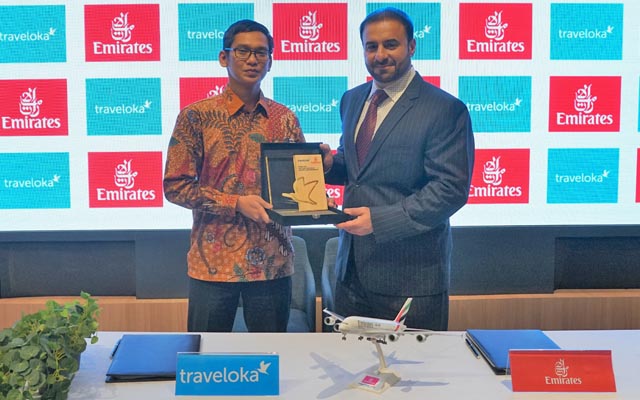
Emirates and Traveloka have signed a Memorandum of Understanding (MoU) to accelerate the tourism industry recovery in South-east Asia.
The partnership will help Emirates’ flights be more visible and accessible to travellers in five markets: Indonesia, Vietnam, Thailand, Malaysia and Singapore. Under this MoU, both parties will also collaborate on joint activities and marketing campaigns.
The partnership will see both companies collaborate on joint activities and marketing campaigns
“The MoU opens up new channels for travellers to discover and book on Emirates, and also reaffirms our solid commitment to South-east Asia as we continue to identify partners and opportunities to contribute to the region’s travel and tourism recovery,” said Orhan Abbas, senior vice president, commercial operations – Far East, Emirates.
Iko Putera, CEO of transport, Traveloka shared: “We are delighted that the tourism sector is rebounding faster than anticipated due to more people finding the confidence to travel to various destinations across the world. Both Traveloka and Emirates have been sharing the same vision towards the recovery, as we hope this partnership will bring greater impacts for the travel industry.”
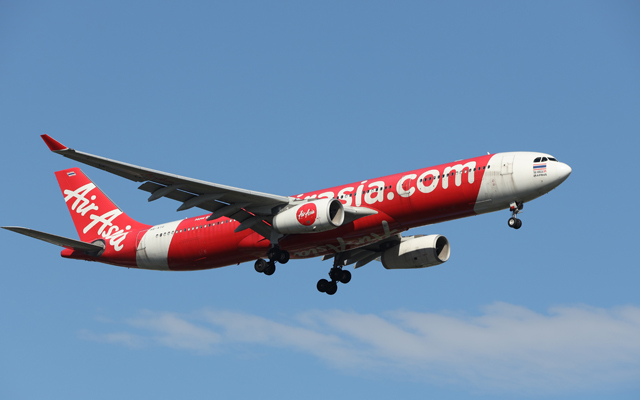
AirAsia Aviation Group has entered into a share purchase agreement to sell the remaining equity shares held in AirAsia (India) to Air India, an affiliate of Tata Sons.
The latest agreement will allow the airline to re-examine its strategic objectives to focus on South-east Asia.
AirAsia sells its remaining shares in AirAsia India to Air India to focus on South-east Asia
Bo Lingam, group CEO, AirAsia Aviation Group, said “it was best suited for AirAsia to develop an ASEAN-only business, where we have four great airlines – in Malaysia, Thailand, Indonesia and the Philippines – with a much-loved brand and presence”.
He added: “India will remain an important market for AirAsia and will continue to be served by our various airlines. We will use the experience and knowledge we have gained from operating in the Indian domestic market to grow the ASEAN-Indian market in logistics and passenger services to a far greater extent.”
AirAsia India currently flies to 18 destinations with a market share of 5.9 per cent.
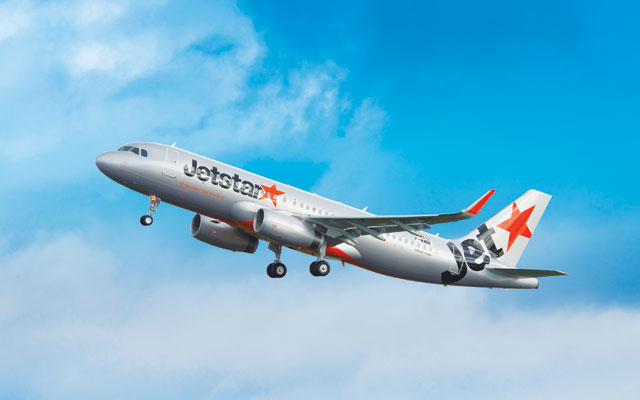
Jetstar Asia will relocate its operations to Singapore’s Changi Airport Terminal 4 (T4) by March 25, 2023.
Lim Ching Kiat, managing director of air hub development, Changi Airport Group explained that the move will enable Changi Airport to optimise the use of its aircraft gates in order to meet increasing travel demand, especially during the early morning peak period.
Jetstar operations will relocate to Changi Airport Terminal 4 by March 2023
It will also create “headroom” for Jetstar and other airlines to grow at Changi, he added.
T4 reopened on September 13 this year and served about 350,000 passengers in its first month.
Fourteen airlines have successfully moved their operations to T4, including Air Asia Group, Cathay Pacific and Korean Air.
The Indonesia Ministry of Tourism and Creative Economy has lost one of its deputies with the passing of Henky Manurung, deputy of industry and investment affairs in Jakarta on November 5.
The funeral takes place today.
Henky developed his career with the tourism authority and was no stranger to development consultants and investors, having worked his way up the investment directorate for many years. He led investment forums and site visits for investors throughout his career.
I love the Swiss spin on your sustainable tourism approach by labelling it Swisstainable. What are the key pillars in Switzerland’s sustainable, responsible tourism approach?
Together with our country’s tourism industry, Switzerland Tourism (ST) launched a national sustainability initiative last year. This strategy – although I prefer to describe it as a movement – called Swisstainable, facilitates the entire tourism industry in implementing sustainable solutions. Thus, our key pillars are: the movement, the programme and the campaign.
How is ST rallying your tourism players on this movement?
Swisstainable is an ambitious programme on three levels, namely Committed, Engaged, Leader. We already have roughly 1,200 Swiss tourism providers on board and hope to reach a total of 4,000 by the end of 2023. With the Swisstainable movement, we share knowledge, create emulation among tourism providers, and give our guests guidance on ways to travel more responsibly in Switzerland. Our goal is to become the most sustainable destination worldwide.
There is plenty of attention now on the term Conscious Travel. How does Switzerland Tourism regard this trend, and how much further does it go beyond environmental consideration, which is often the most common focus?
Conscious travel is already ingrained in Swisstainable, since the movement aims at helping travellers see sustainability as an enrichment rather than a limitation whenever they travel. With Swisstainable offers and products, we hope to let them enjoy nature up-close more often, to experience more of the local culture and regional products, and to prolong their stays to get a more in-depth (understanding) of our country.
Consumer intention surveys all point to respondents being keen on travelling more responsibly and consciously post-lockdown. Is that intention translating to actual action now that Switzerland has already seen the return of travel for months? How are they travelling around Switzerland and what experiences are gaining the most favour among these conscious travellers?
I guess the one dimension of travelling, where we will see the most drastic changes in the coming months and years, is mobility. Travellers are increasingly aware of the impact the type of transportation they choose has on the environment.
Our visitors from longhaul destinations are particularly keen on using public transportation when they travel within Switzerland, which is quite easy given our highly efficient and extensive public transportation network. Travelling by public transportation, combined with a longer stay, contributes to making the whole journey more sustainable.
What upcoming tourism developments in Switzerland will appeal most to travellers wanting a low-impact and meaningful vacation?
The comfort and freedom of travelling by public transportation in Switzerland will become even more popular than it currently is. In this respect, the Swiss Travel Pass, a universal ticket to travel by train, bus, boat, and cable car, which also includes entry to over 500 museums, is already an ideal product for any visit in Switzerland.
This year, we are focusing on gastronomy with a Swisstainable Veggie Day. Participating restaurants will offer vegetarian and/or vegan dishes on this day. We hope that more diversity on the plates will also be a long-term aim for our Swiss gastronomy players.
Finally, this year, we have launched a partnership with Kuoni-Tumlare and The Travel Corporation to build and scale up the global distribution of itineraries featuring Swisstainable suppliers.
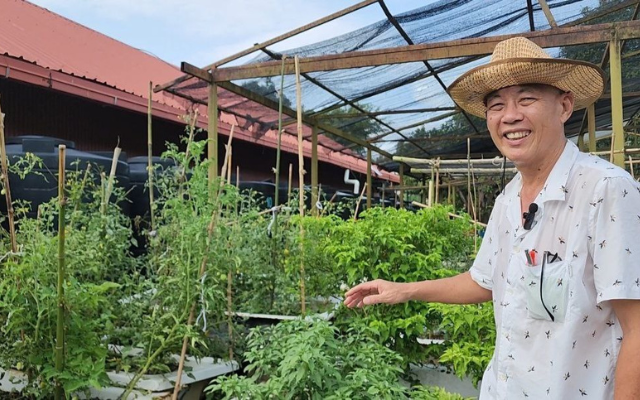
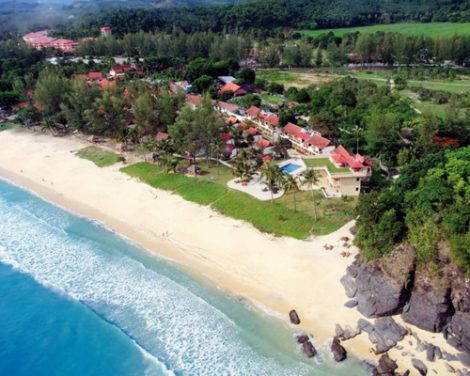
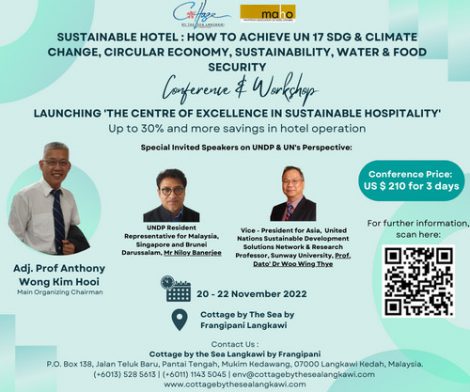
We have been organizing conferences on sustainability and environment for the last 14 years ever since acquiring the Frangipani Resort on this beautiful island of Langkawi, Kedah, Malaysia.
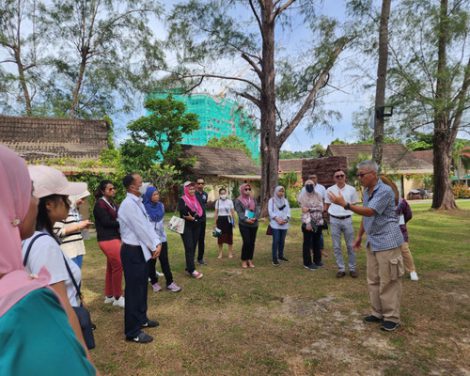
Adj Professor Anthony Wong Kim Hooi developed the most efficient and fastest wastewater treatment system to clean polluted wastewater, including raw sewage and waste cooking oil to a drinking water standard in 3 – 4 days, including desalination using special bio engineered constructed wetland, all without using any energy. During the dry season, we pump ground water to keep our wetland alive. As we are so close to the sea, we get brackish water. Despite that, we are still able to treat the water into a drinking standard water – desalination without energy. This finding was approved by Malaysian Government on 10th August 2017 and now, this system is recognized in the 12th Malaysia Plan 2021-2025, where Adj Professor Anthony Wong helped to draft out the technical act of the constructed wetland.
Global issues that are occurring currently are water and food security. A water-secure world uses the productive power of water and reduces its destructive impact. It is a world where everyone has safe, affordable, clean water to live a healthy and productive life. It is a world where communities are protected from floods, droughts, landslides, erosion and waterborne diseases. Food security means that all people, at all times, have physical, social and economic access to sufficient, safe and nutritious food that meets their food preferences and dietary needs for an active and healthy life.
All the issues highlighted above are some of the topics that will be covered during the conference. Since our resort is recognized as the most sustainable star rated in ASEAN with over 200 ways to save using science, architecture, technology, bioengineering, natural sciences, innovation and continuous research & development. This means we save up to 30% and more in hotel operation costs. We will show ways to breed poultry and fishes without buying any animal feed, we do this by breeding crickets and black soldier flies. We will also show ways to grow food on our organic farm and wetland.
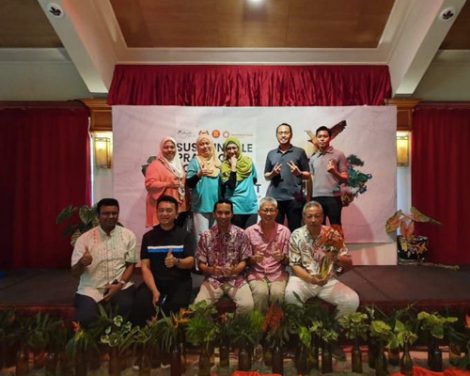
We use the ASEAN Green hotel standard and the United Nation (UN) 17 Sustainable Development Goals (SDG) as guidelines and are able to fulfill all its criteria. This year, we are very fortunate to have 2 UN speakers on Climate Change and on Economic Sustainability. We will launch the Centre of Excellence in Sustainable Hospitality during this conference. Our goal is to make Cottage by the Sea by Frangipani Carbon Negative by 2030.
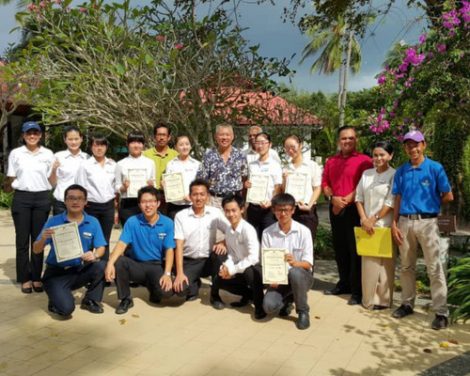
The goal is to share the best practices in sustainability and to show going green is a more profitable business in the long run. This conference is a way for capacity building, sharing locally and globally. Our organizing partner, Malaysia Green Building Council (malaysiaGBC), Malaysia Green Building Index (jointly by Architects and Engineers’ Association) are key players in promoting sustainability in the building industry.
Indonesia Directorate General of Immigration, Ministry of Law and Human Rights, will launch the Electronic Visa-on-Arrival (eVoA) system, which includes payment through a payment gateway, on November 9.
This will help ease the long queues travellers often experienced when processing the Visa-on-Arrival at the airports.
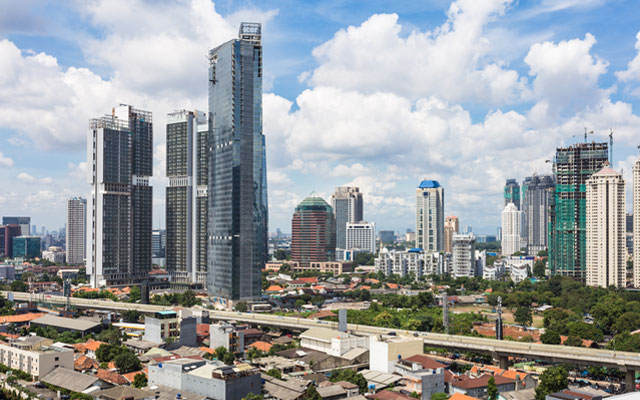
International travellers can soon enter Indonesia using the Electronic Visa-on-Arrival; Jakarta pictured
Acting director general of immigration Widodo Ekatjahjana in a statement said: “(The system) is also being tested by the immigration attachés at the Indonesian Representatives (overseas).
“Foreigners who are eligible for the eVoA trial will first arrive in Indonesia on Friday (November 4) at 22.40 at Soekarno-Hatta Airport Jakarta.”
He hopes that international travellers can start using the eVoA by November 9. To do so, they have to complete the eVoA application pre-departure or during transit before entering Indonesia.
He also advised that they do the currency exchange – Indonesian rupiah or US dollars – beforehand to save time.
Eligible for travellers from the top 26 countries with VoA facilities, the eVoA will only be available initially for entry at Soekarno-Hatta International Airport of Jakarta and I Gusti Ngurah Rai International Airport.
The 30-day visa tariff is 500,000 rupiah (US$31) and expires 90 days after payment is made. Payment modes accepted for the tariff and Visa Online web-based application include credit/debit cards in the Visa or Mastercard network.
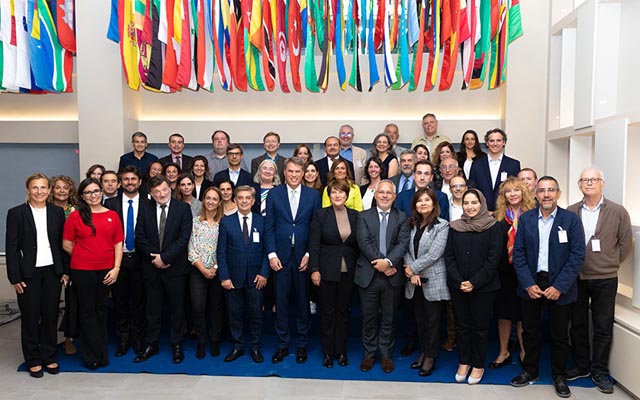
The World Tourism Organization’s (UNWTO) International Network of Sustainable Tourism Observatories (INSTO) recently met in Madrid and welcomed insights from more than 150 experts.
Key topics included the shift towards a circular economy and reducing food waste across the sector, with the global network of INSTO Observatories pioneering and implementing catalytic activities designed to help the tourism sector implement sustainable development at the destination level.
The UNWTO International Network of Sustainable Tourism Observatories will pioneer and implement catalytic activities to help the tourism sector implement sustainable development at the destination level
To ensure an inclusive and resilient tourism development, they are leading the transformation of tourism by building on the principles of participatory approaches including all stakeholders.
UNWTO secretary-general Zurab Pololikashvili said: “To ensure the sustainable transformation of the tourism sector, its development must be seen as a means to achieve the overall prosperity of a local community and the surrounding environment rather than a goal in itself.
He added that the Observatories are an excellent tool for guiding and accompanying this change to “ensure evidence-based decision-making”.
At the Global INSTO Meeting, destinations focussed on how a timely and evidence-based approach is helping stimulate circular economy processes that result in using resources such as water and energy more efficiently. In addition, challenges in the environmental and social dimensions and the need for indicators that allow for comparability among destinations were highlighted.
Another topic was the availability of data from a growing variety of data-sources, making it increasingly difficult to process them into useful information needed for an informed decision- and policy-making process – these issues will be addressed in the INSTO Network through webinars and technical discussions.
The Center of Tourism Economics of the State of Sao Paolo in Brazil and the Biscay Tourism Intelligence System in Spain were also officially welcomed as new members of the network during the meeting.




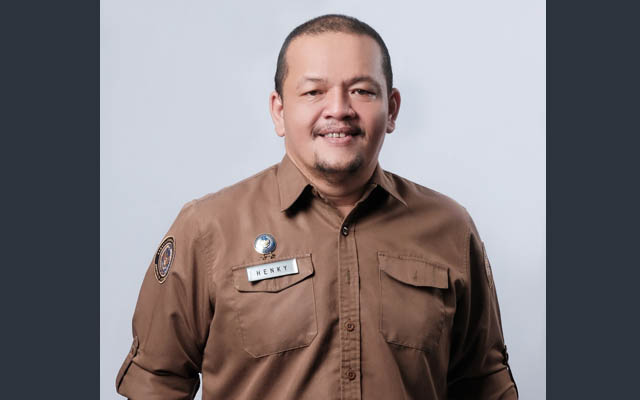
 Henky developed his career with the tourism authority and was no stranger to development consultants and investors, having worked his way up the investment directorate for many years. He led investment forums and site visits for investors throughout his career.