
As the holiday season beckons, Asia has much reason to cheer as normality has finally (mostly) returned to the region.
From Taiwan to Japan, markets that were previously inaccessible to international travellers, have eased their stringent travel restrictions and reopened their borders, welcoming visitors once again into their fold. Equally, tourists are returning to Asia to soak up everything they’ve missed, from the recent Hong Kong Sevens to the Singapore Grand Prix.
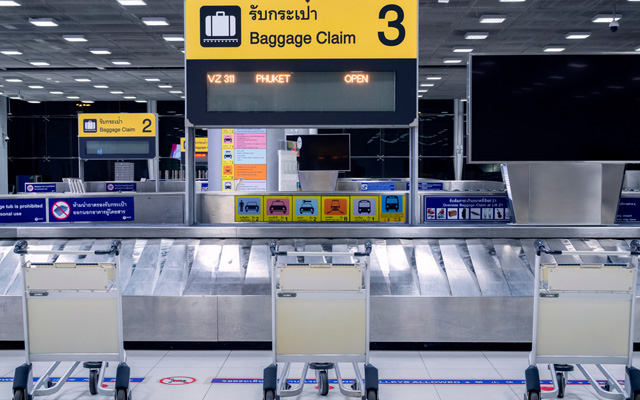
Such is travellers’ wanderlust that they are even willing to cut back on non-essential retail purchases or forego their content streaming subscriptions and gym memberships to fund their travels. Airports across the region have become busy once more, and travellers are rushing to maximise their itineraries.
There is, however, a small catch.
Fuelled by the pandemic and the digital acceleration that came along with it, there has been a dramatic shift in the kind of experiences travellers expect from travel today. The modern-day traveller seeks out experiences that not only make their journeys more convenient, comfortable, and complete, but also motivates them to come back for more.
What makes Travel 2.0 different from its predecessor?
The pandemic stands as a pivotal moment in time that has altered the trajectory of travel.
For one, it has made us realise our shared love for travel and appreciate how easy it was to travel at a time when logistical hassles such as mask mandates, mandatory testing and inbound quarantines did not exist. But equally, it has triggered a global economic fallout that has resulted in significantly higher costs of living and, consequently, skyrocketing costs of travel.
While there is ample evidence to suggest that only a small section of people is deterred by this and cautious to travel today, the rest (who are rejoicing the return to the skies) have changed the way they choose to travel.
Having been exposed to different facets of travel over the past two years, travellers in Asia-Pacific are applying heightened value to certain travel benefits that were previously thought of as add-ons. Take airport lounges, for example – an experience that was once considered a luxury, has transformed into an expectation. Additionally, travellers are more willing to pay for luxury or more convenient travel experiences, such as upgraded seats and direct flights.
Raising customer engagement through heightened travel experiences
This tells us that travel today is no longer about going from point A to point B. Travellers are looking to be engaged differently; they expect more – not just from their journeys, but also from those who facilitate these journeys for them.
Beyond considerations of brand and sector, consumers are seeking far more sophisticated, status-enhancing, value-adding experiences personalised to them. They expect brands to deliver integrated online and offline experiences that add value to their lives – above and beyond day of travel. In today’s era of fragile brand loyalties, customers will return to brands that provide them the best experiences.
Brands have acknowledged this and are adapting their offerings to better engage and meet the needs of new-age travellers. For instance, an airport takeout solution from Servy allows travellers to order their food and drinks online in advance and have them delivered directly to them within the airport. In another recent collaboration, Inflyter announced through their partnership with 3Sixty DutyFree that domestic travellers in the US can shop online for their duty-free purchases and have them delivered to their location of choice. Even payment solutions are being adapted to make it easier for people to travel in today’s environment; for instance, a trend towards offering Fly Now, Pay Later allows travellers to undertake a journey without having to worry about any immediate economic consequences – a significant bonus in today’s financial climate.
Travel loyalty benefits offered by brands in the form of rational rewards, cashback, travel miles and points, continue to retain their appeal among a certain segment of travellers. However, they are often limited in their ability to foster meaningful connections with consumers in a way that can help evoke a strong sense of brand loyalty. To build recurring customer engagement and nurture lifelong loyalty, rational rewards must be balanced with emotional connections so as to make consumers feel special and valued.
Creating a seamless traveller experience
To make the travel experience more meaningful, brands within the travel ecosystem are increasingly turning their attention to investing in the digital experience. However, in comparison to their retail sector peers, for instance (a notoriously innovative and customer-centric sector), brands in the travel industry are falling behind.
A study by Collinson suggests that nearly 93 per cent of consumers today are eager and open to building closer, emotional bonds with their favourite brands. An additional report also indicated that 61 per cent of consumers are comfortable with companies using their relevant personal information transparently to offer them bespoke benefits.
Yet, despite consumers’ willingness to engage, the future investments that brands in the travel and hospitality sector plan to make are far from adequate. Our recent research showed that only 38 per cent of brands across Australia, Hong Kong and Singapore are planning to invest in customer experience; 31 per cent in data management; and 61 per cent in technology infrastructure.
With travel becoming increasingly connected, it is now critical for brands in the ecosystem to work collaboratively with each other to drive seamless, integrated consumer experiences. Airports, for one, are investing in creating an interconnected traveller experience, driven by technology and data, to enable a frictionless experience.
Take market-leading airport experiences programme, Priority Pass, for instance – it provides end-to-end journey support, as well as over and above lounge access to our members. Members have the option to pre-book essential travel services, such as ground transportation, before arriving at the airport. Not only does this help make each airport journey seamless, pleasurable and stress-free, it also benefits other brands in the travel ecosystem by connecting them to the traveller and enabling them to maximise their revenue streams.
Futureproofing – the era of collaboration
For the industry to gain strength and be in a better position to meet the evolving needs of modern travellers, brands will need to come together to form an ecosystem where together, it identifies mutual customers and shares anonymised data with each other. This ultimately will enable brands to curate and deliver more unique, timely and relevant experiences for their consumers.
As travel continues to pick up momentum, we’ll need to say farewell to the days of the industry operating in siloes and welcome an era of collaboration – one where we forge strong partnerships to deliver personalised experiences that consumers expect and unlock data and insights to accurately understand their ever-evolving preferences; continuously adding value over and beyond the day of travel.


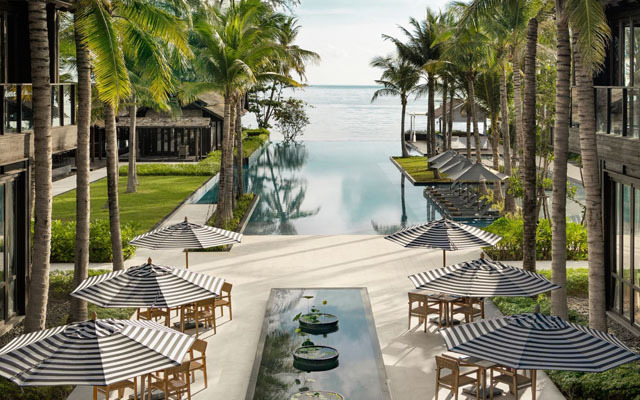










The resort is located in a quiet cove on Choengmon Beach, 10 minutes’ drive from Samui International. The white sand beach stretches over one kilometre, long enough for a good stroll. Kimpton’s neighbours include the Sala next door and, at the other end of the beach, Melia and Royal Muang hotels. In between is a motley collection of accommodations, restaurants, bars and shops, some of which could do with a spruce up.
Rooms
There are 138 rooms, suites and villas with open-plan layouts and large terraces, many with direct pool access and sea views. Room sizes are generous, ranging from 58m2 to 224m2, and 628m2 for the only two-bedroom villa in the house.
I was brought to my room, a 115m2 one-bedroom suite, and my feet took me straight to the supersized outdoor terrace which boasted a stunning view and cool breeze – it was well furnished with a sofa bed, coffee table for two and dining space for up to six people.
Inside, the suite was just as luxurious, spotless and thoughtful – there’s even a shelf with paraphernalia for making cocktails, including a book with tips and recipes from award-winning mixologist Masahiro Urushido of Katana Kitchen in New York. A beautifully-illustrated The Great Gatsby book on my bedside, and other little touches like a Bluetooth mini speaker, gave the room a homely and lifestyle feel.
F&B
A “village community” spirit permeates throughout the resort, thanks to the hotel’s efforts to bring people together, such as a social hour every evening at Boho Thai Lifestyle Cafe, where all guests were treated to free wines and canapés.
The open layout of this main restaurant is fantastic – with sea view and breezes, and tables smartly spaced out. Here, daily breakfast is served, and where key executives of the hotel, including general manager Michael Janssen and F&B manager Potjanee Tretipakid, were always present to greet everyone and support the team in taking orders and delivering them.
Another restaurant I dined at during my stay was Fish House – no guessing what it serves.
Kimpton Kitalay Samui is also pet friendly, featuring one of GM Janssen’s creations – Paws Park. He also works with a recognised dog shelter in Samui to bring in healthy dogs to the resort and inviting guests and kids to walk them in the small but cute park that has its own paws towel house. The initiative has raised thousands of Thai baht in donations for the shelter, while a couple of dogs have actually been adopted by guests.
Facilities
Kids can rejoice at what’s probably the largest hotel kids club (500m2) on the island, which comes with its own slide. Thrice-daily activities, such as making towel animals and umbrella painting, are offered. Not only that, kids have their own social hour at 16.00.
Adults can be kids again with fat tire biking on the beach, aqua aerobics and making floating flower art, among an equally exhaustive list of daily activities as that for kids. As for me, I headed straight for the gym, then enjoyed a 90-minute signature massage at Pimãanda by Harnn, where just entering its peaceful garden compounds de-stressed me.
Service
Every Kimpton staff I met always greeted me by name and all of them were youthful, friendly, cheerful and helpful, creating a uniform, happy service wherever I went – one of the resort’s biggest achievements.
Verdict
As the second Kimpton hotel in South-east Asia, the resort reinforces the brand’s promise of relaxed, fun luxury while staying in line with local culture, architecture and flavours.
Contact details
Tel: +66 77 951 999
Email: kimptonkitalay.reservations@ihg.com
Website: www.kimptonkitalaysamui.com