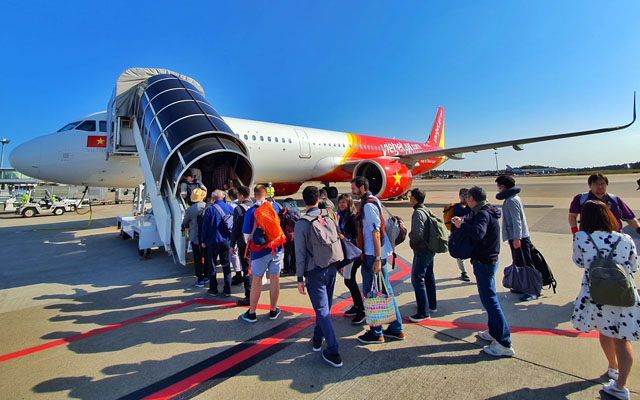
Vietjet is offering complimentary Sky Care travel insurance for all passengers flying on domestic and international flights in the airline’s network regardless of their ticket class.
Coverage benefits including reimbursement of medical expenses incurred due to accidents or illnesses (including Covid-19), flight-related problems (flight delay, baggage delay, baggage loss or damage, lost travel documents), and Global Travel and Medical Support Services 24/7.
Passengers now receive free travel insurance when booking Vietjet flights
Guests who successfully purchase their tickets will automatically receive Sky Care travel insurance when flying with Vietjet.
Passengers will be able to look up the insurance certificate information online after 24 hours from the time of completing their flight.
The Formula 1 (F1) Singapore Airlines Singapore Grand Prix (Singapore GP) 2023 has unveiled its complete entertainment programme, which will feature a mix of local and international acts.
From September 15 to 17, fans can look forward to over 80 hours of entertainment throughout the Circuit Park as well as an array of activities to complement action on the track. This year also showcases the most acts ever at the Zone 4 Padang Stage.
Fans can look forward to over 80 hours of entertainment throughout the Circuit Park at this year’s race; Marina Bay Street Circuit, pictured
Asian-American record label 88rising’s line-up for September 15 comprises Jackson Wang, NIKI, Rich Brian, Warren Hue, XG, BIBI, MILLI, and Atarashii Gakko!.
Rock band Kings of Leon is one of the headliners at the Zone 4 Padang Stage on September 16 and the Zone 1 Wharf Stage on September 17.
Texan artist Post Malone will perform on Zone 4 Padang Stage on September 16, while indie band The Kooks and British pop band Culture Club will both make an appearance on the Zone 1 Wharf Stage. Culture Club’s lead singer Boy George is also scheduled to perform an exclusive DJ set at Twenty3 on September 17.
On September 17, race spectators can catch British electronic music duo Groove Armada on Zone 4 Padang Stage, and British band Madness playing at the Zone 1 Wharf.
Singapore artists will take to the stage too – local pop singer-songwriter Matilde G, singer-songwriter Dreebsby, dance troupe Royalusion and indie rock band Hijack Hayley have been confirmed.
Other highlights include the F1 Drivers’ Meet & Greet Sessions on September 15 and 16 at the Zone 1 Wharf Stage, the Porsche Carrera Cup Asia, and TSS The Super Series.
Due to the high demand, Singapore GP has previously added tickets for the Sheares (Turn 1) and Promenade (between Turns 17 & 18) grandstands. Now, limited tickets are also available for two new grandstands – Bayfront (Turn 17) and Raffles (Turn 5).
All tickets to the F1 Singapore Airlines Singapore Grand Prix 2023 provide access to the concerts at the Padang Stage in Zone 4; Zones 1 and 2 ticket holders can also look forward to complimentary rides on the Singapore Flyer over the race weekend this year.
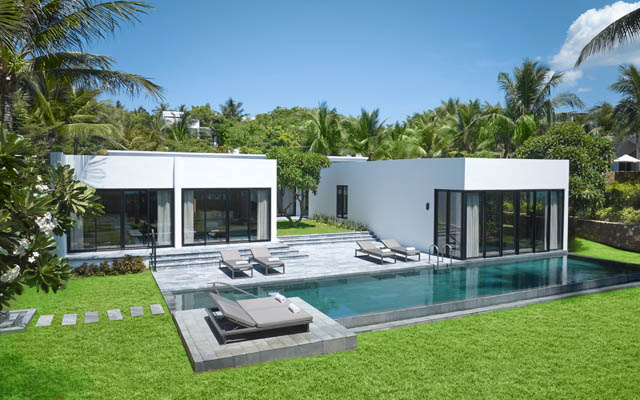
Gran Meliá Nha Trang, Vietnam Gran Meliá Nha Trang boasts 272 rooms, including 94 private pool villas and the multi-level four-bedroom villa. All private villas come with infinity pools, dining areas, and indoor and outdoor living spaces.
A 55-minute drive from Cam Ranh International Airport, the property features five dining venues, a spa, infinity pool, gym, kids club, kids pool, and a multi-function space that caters up to 110 guests.
Situated within a new leisure and entertainment destination, Vega City, resort guests also have access to an opera house, a beach club, and shophouses nearby.
Centara Grand Hotel Osaka
Centara Grand Hotel Osaka, Japan Centara Grand Hotel Osaka is a 33-storey tower located near Namba, Osaka’s vibrant entertainment and retail district.
The hotel features 515 rooms and suites, with facilities such as a spa, fitness centre, F&B outlets, and meeting venues.
INNSiDE by Meliá Bangkok Sukhumvit
INNSiDE by Meliá Bangkok Sukhumvit, Thailand Situated in the heart of Bangkok’s vibrant On Nut neighbourhood is the 208-room INNSiDE by Meliá Bangkok Sukhumvit.
Featuring a sky-high transparent infinity pool, pool bar and a Spanish tapas bar, the hotel also offers facilities such as an integrated co-working space and lounge, as well as meeting rooms.
OMO3 Asakusa
OMO3 Asakusa, Japan The 98-key OMO3 Asakusa is just a four-minute walk from Asakusa Station and a minute’s walk from Senso-ji Temple, Tokyo’s oldest temple.
Guests here can see a different side to Asakusa at night and in the early morning with guided tours that reveal the old streets, dining options, and the charm of the old town.
There are eight different room types catering to different travelling needs and groups sizes, as well as a round-the-clock Food & Drink Station.
Marriott International’s travel programme Marriott Bonvoy is amping up this summer with a Sizzling Summer Music Fest, featuring a series of music events taking place across its portfolio of hotels in Japan.
Music lovers can get up close with Japan’s rising music stars across a series of immersive music events in Tokyo and Osaka. On July 28, MIYAVI at W Osaka takes guests to the port city of Osaka headlined by Japan’s rock legend and Samurai guitarist, MIYAVI. Rocking the stage with MIYAVI are singer/DJ Alisa Ueno, music duo twins AMIAYA and DJ TAIKI & NOAH.
Marriott Bonvoy’s Sizzling Summer Music Fest will feature music events across its portfolio of hotels in Osaka and Tokyo
Japan’s singer and songwriter SIRUP is set to showcase his distinctive music at Aloft Osaka Dojima on August 10. The Marriott Bonvoy Moment experience includes an exclusive meet and greet with SIRUP, followed by an evening of live performances at WXYZ Bar with DJs Ami and Nono Thing adding to the line-up.
Free-spirited guests can discover new music, connect and revel in an inclusive, playful, and fun-loving community during DJ Night Party at Moxy Osaka Honmachi on August 22. Catch DJ Alisa Ueno, DJ HiRAPARK and NaNaMi spinning the hottest tracks at Moxy Bar & Lounge.
From August 19 to 20, one of Japan’s largest international music festivals, Summer Sonic 2023, will take place at the ZOZO Marine Stadium and Makuhari Messe in Tokyo. Marriott Bonvoy members will get VIP access which includes entry to the private viewing area, private lounge, shuttle service and more.
Banyan Tree Krabi, a 72-key resort situated on Tubkaek Beach, is encouraging its guests and corporate groups to immerse themselves in the local Southern Thai culture, by joining weekly excursions to a nearby island renowned for producing batik fabrics and woodcrafts.
A lunch, comprising home-grown fruits, vegetables and recipes passed down from one generation to the next, is served on a floating restaurant among the mangroves, then the guests meet the villagers and interact.
Guests can learn how to carve longtail boats from local craftsmen
Among the daily pursuits visitors can experience include joining the local craftsmen who carve and create wooden models of longtail boats, which are sold in Krabi as souvenirs; and sitting with the women of Ban Koh Klang who are veterans of batik art, mixing organic dyes and painting colourful fabrics. Harvesting rice in the fields with a local family is included as a seasonal activity.
The excursions are good for groups with no more than seven participants.
This initiative is part of the Banyan Tree Group’s Stay for Good programme. Launched two months ago, the programme aims to entice guests at five-star hotels worldwide to roll up their sleeves and join neighbouring villagers at work.
Habyt has appointed Jonathan Wong as its new chief executive officer for Asia-Pacific.
He will lead the business in the region by delivering commercial success for real estate partners, enhancing stay experiences for members, expanding Habyt’s presence across the region, as well as deepening its footprint in current cities.
Prior to joining Habyt, Wong held senior executive positions in CloudKitchens Asia-Pacific and Uber South-east Asia.
BWR members are encouraged to gift points to friends and family for milestone trips worldwide under new programme
Best Western Rewards (BWR) loyalty members can now stay, earn and pay with BWR points for their hotel stays. Besides, members of BWH Hotels’ award-winning loyalty programme are also encouraged to gift points to friends and family for milestone trips around the world.
For the new campaign now available at all Best Western Hotels & Resorts and SureStay Hotels Worldwide, guests can pay with points, even partial points if they have not accumulated enough for an entire free night.
Additionally, members can still earn points from the cash portion and are also eligible for rewards related to BWR seasonal promotions.
Although reservation is required with a minimum of 5,000 points, members can pay less cash if they utilise more points. The new “Pay with Points” in Asia has also just been launched recently.
For members who stay at BWH Hotels’ properties, they can be eligible for up to $100 worth of gift cards. Guests who stay two nights at properties in Indonesia, Japan, Laos, Malaysia, Myanmar, Pakistan, Philippines, Thailand and Vietnam, between May 22 and September 4, 2023, will be rewarded with a US$50 Best Western Gift Card.
The cards can pay for stays at their hotels in over 100 countries and members can redeem up to two cards, where nightly stays need not be consecutive. Travellers can register for the promotion, prior to the stay through www.bestwesternasia.com.
Best Western Rewards
1 of 2
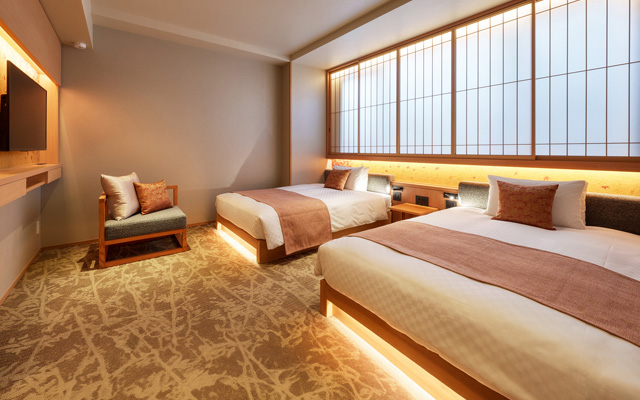
Guests who stay two nights at properties in Indonesia, Japan (KAYA Kyoto Nijo Castle, BW Signature Collection by Best Western pictured), Laos, Malaysia, Myanmar, Pakistan, Philippines, Thailand and Vietnam, between May 22 and September 4, 2023, will be rewarded with a US$50 Best Western Gift Card
All BWR members will now also attain Elite status easier and faster
All BWR members will now also attain Elite status easier and faster. Members can upgrade to Elite status after five nights and status achieved by members in 2023 is valid until March 31, 2025, allowing ample time to enjoy the benefits of being a BWR member.
Additionally, under its new “Gift of Travel” programme, members are encouraged to gift points to friends and family for milestone trips around the world. BWR loyalty members can provide travel experiences for their loved ones worldwide by gifting rewards points to other BWR members for the momentous trips.
Come July and August, join the “BWR® Great 800K Points Giveaway” Guests can sign upfor Best Western Rewards (BWR) any time from July 1 to August 31, 2023 and stand a chance to win 40,000 bonus points – enough to redeem for at least one free stay anywhere worldwide.
20 lucky winners will be selected at random to receive the 800,000 BWR points.
The giveaway is valid for new BWR members in Indonesia, Japan, Laos, Malaysia, Myanmar, the Philippines, Thailand and Vietnam.
Winners will be announced on the Best Western Asia Facebook page on September 8, 2023.
Vote for your favourite travel brand to win at TTG Travel Awards 2023, Asia-Pacific’s Most Prestigious Travel Industry Accolade Vote Best Western Hotels & Resorts (BWH Hotels) for Best Mid-range Hotel Brand here.
Skyscanner’s latest Travel in Focus report uncovers key travel insights in Singapore, South Korea, and India for the year, and revealed that while travel remains on the rise, budget-conscious travellers are embracing travel with an open mind to score more affordable getaways.
While rising costs of everyday items will affect their travel plans, close to 99% of travellers across Singapore, South Korea, and India still plan to travel.
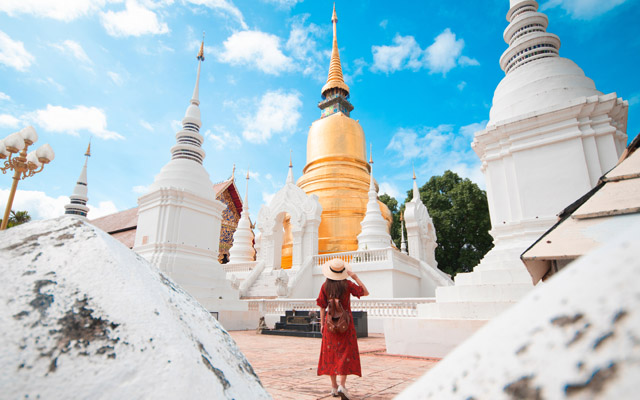
86% of South Koreans are willing to allocate a larger budget for destination specific experiences; Wat Suan Dok in Chiangmai, Thailand, pictured
When it comes to planning, travellers from Singapore (63%), South Korea (66%), and India (72%) would prefer to plan every single detail of their travel ahead of time, but they are equally willing to change their itineraries if they come across a good deal.
With the rising cost of living, travellers are looking to stretch their dollar – but Skyscanner’s recent research revealed that they are willing to sacrifice different things to fit in their budget. 54% of South Koreans are willing to give up comfort to travel no matter what, while more than 60% of Singaporeans and Indians prefer to travel in comfort.
The following are highlights from the report which show three different traveller categories for Singapore, South Korea, and India.
Singapore Escape Artists: About 80% of Singaporeans take advantage of long public holiday weekends for quick getaways, while 50% of Singaporeans have utilised between one and three long public holiday weekends in the past two years.
Celebration Chasers: Two of five Singaporeans (40%) are motivated to travel due to the holiday season (long weekends, four seasons, and Christmas) or special occasions (anniversaries, birthdays, and honeymoons). 33% of Singaporeans are attracted to destination-bound events such as Sakura season, Songkran, sale seasons, concerts, festivals, and sports events. Above all, most Singaporeans simply can’t resist a good deal – with 62% of them travelling due to a great price offer.
Zen Z: It was discovered that “social clout” was Gen Zs’ (aged 18-24) least commonly cited benefit of travel (29%). In fact, mental recharge to destress are Gen Zs’ most frequently cited advantage of travelling (76%), closely followed by the desire to enrich themselves through novel experiences (68%).
South Korea Solo Flyer: 40% of South Korean travellers are likely to travel alone on their next holiday. Gen Zs are less likely to travel solo (23% of the 18-24 age group) when compared to millennials (64% of the 35-44 age group). In comparison, 47% of the respondents from the 65 and over age group responded that they are likely to travel alone.
Travel Junkies: 54% of South Koreans want to travel no matter what – even if they have completed all their planned trips, they would prefer to use their extra cash to squeeze in one more trip (61%) instead of using it on something else (35%).
No-normal Travellers: A majority of South Koreans (86%) are willing to allocate a larger budget, or adjust their itinerary, for obscure travel attractions and destination specific experiences. They’d rather dine at famous local restaurants or experience cultural heritage tours, instead of shopping or attending sporting events.
India Deal-driven Travellers: Cost continues to be a major consideration for Indian travellers, with 47% of travellers willing to change their itineraries if presented with better deals. Some Indians prefer international destinations that are less expensive to visit (35%), and some opt for non-peak travel periods (33%).
Slow Travelling Gurus: In 2023, Indians prefer slow travel, with many opting for immersive travel (46%) over fast-paced travel (40%). Rather than visiting as many places as possible, travellers are looking to spend more time in a single destination where they can experience the local culture more deeply. They believe this mindful approach creates more meaningful personal connections and a richer experience. According to Skyscanner data, over 38% of Indian travellers spend longer than one month on a single-destination trip, including domestic and international destinations, based on redirect data for the year 2023, which is significantly more compared to travellers in Singapore (3%) and South Korea (8%).
Purposeful Voyagers: From wellness retreats to holy sites and cricket matches, Indian travellers are looking to travel domestically with purpose and centre their travel experiences around specific activities. 55% of Indians embark on purpose-related travels within India for activities such as scuba diving, gold panning, yoga, and wellness retreats. 38% of them are likely to spend more on travel to catch live cricket matches, and 57% of Indians actively plan to visit holy sites in the next six months.
Travel marketing platform Sojern has acquired VenueLytics, and will incorporate the latter’s capabilities as an extension of the Sojern Travel Marketing Platform.
This acquisition expands Sojern’s Travel Marketing Platform to engage across the entire guest journey with VenueLytics’ technology that includes an AI-powered virtual concierge, real-time guest feedback and digital reputation management tools, and a guest marketing suite for email and text promotions.
The acquisition will help Sojern Travel Marketing Platform support hotel marketers with an all-in-one platform
By extending its platform with VenueLytics, Sojern can now support hotel marketers with an all-in-one platform that drives guests directly to a property, enables upsell mid-stay, remarketing post-stay, and builds long term loyalty.
As an integrated guest experience platform serving independent hotels, resorts, chains and casinos, VenueLytics’ solutions help marketing, operations, and front-desk teams better serve their guests with less resources required, drive incremental revenue, and maximise profit.
It provides the ability to engage customers in an expanded multichannel network that includes SMS, Email, Wi-Fi, WhatsApp, Facebook Messenger, ChatBot, Alexa, Google Home and other social media and third-party apps.
With these additional features, Sojern can now help marketers find, attract, convert and engage travellers throughout their journey, as well as expand into generative AI with tools to drive and optimise booking value for hotels.
“This is an exciting step forward for our customers as we can empower hoteliers beyond advertising alone, expanding our offerings to be a true end-to-end marketing platform,” shared Sojern’s CEO, Mark Rabe.
“VenueLytics’ expertise in analysing, unifying and activating data from various hotel management and marketing systems will allow Sojern to deepen our relationships in hospitality.”
Baskar Manivannan, co-founder and CEO, VenueLytics, said: “(The partnership) will strengthen our customer base and reputation while enabling us to offer the hospitality and travel industry a wider and timely range of solutions.
“With AI, data analytics and personalised multichannel guest engagement at the backbone of what we do, we have a shared vision to empower hotels around the world to drive profitability, and truly elevate guest experience and satisfaction.”
In addition, this new acquisition will deepen Sojern’s hotel expertise in North America where VenueLytics has been focused. VenueLytics will now be able to support the global hospitality industry as an extension of the Sojern Travel Marketing Platform, the latest version of which was announced last month.
South Korean hospitality technology company, ONDA, is expanding its business to Taiwan by launching an all-in-one solution optimised for Taiwanese hotels.
ONDA’s SaaS-based hospitality solutions for small- and medium-sized hotels in the Taiwanese market include a property management system, channel management system, booking engine, and website.
ONDA is launching hospitality solutions optimised for Taiwanese hotels; Taipei, pictured
With the goal of speeding up its lead in the Taiwanese market, the adoption of hospitality solutions for efficient operations has recently been actively carried out, and the company is in detailed discussions with more than 10 major hotel brands, including K Hotels Group which operates nine hotels in Taiwan, to introduce ONDA’s hospitality solutions.
In addition, ONDA aims to sign a solution adoption and distribution partnership with more than 100 properties in Taiwan this year.
A data-driven hospitality technology company that handles around 70 per cent of the domestic online accommodation booking market, ONDA has built strong partnerships with major global tech companies by becoming the first Airbnb Preferred Partner and the first Google Hotel partner in South Korea.
By launching its global expansion strategy last year, ONDA has successfully entered the hotel market in South-east Asia, followed by Taiwan, and is accelerating its expansion in the Middle East and North Africa region, as well as Europe.







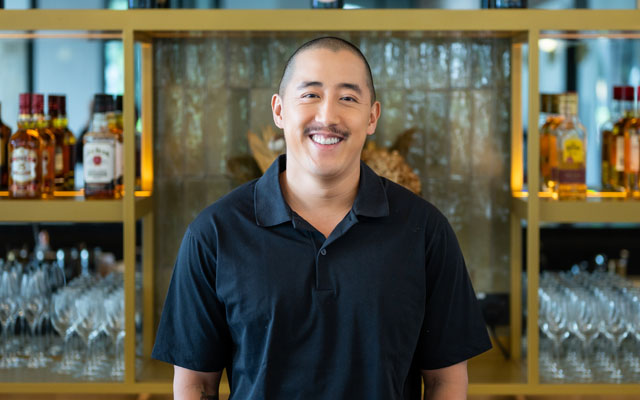
 Prior to joining Habyt, Wong held senior executive positions in CloudKitchens Asia-Pacific and Uber South-east Asia.