TTG Asia
Asia/Singapore Tuesday, 23rd December 2025
Page 52

Singapore’s hospitality leaders define the face of future workforce

0

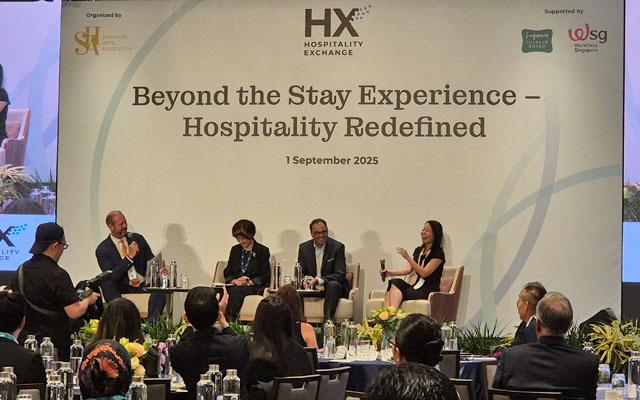
Digital fluency, courage to lead and make decisions, emotional intelligence, imagination, and creativity are some of the characteristics expected to be embodied in the future travel and tourism workforce, according to industry leaders on a panel at the Hospitality Exchange 2025 conference on Monday.

Due to the growing implementation of AI in business, Chan Yit Foon, senior vice president, human resources, Marina Bay Sands, believes that the future workforce has to be “digitally-ready and fluent” in technology, beyond understanding and utilising data.
Hospitality leaders emphasise agility, innovation, and emotional intelligence as key to a future-ready workforce; photo by Karen Yue

Skills that are “uniquely human”, such as emotional intelligence, imagination, and creativity, will be increasingly crucial, opined Teresa Mok, assistant chief executive, Enterprise Development Group, Workforce Singapore (WSG).

She added that the future workforce will also need “people who have a continuous learning mindset”.

Looking beyond the influence of technology on human resource needs, Rajeev Menon, president – Asia Pacific excluding China, Marriott International, underscored the value of empowering team members, and added that his company has been “developing talent with focus on three parts”.

The first involves encouraging curiosity in its people, where learning and growing in a collaborative environment is key.

The second involves facilitating innovation at all levels, breaking away from the Asian culture of relying on managers for answers and decisions.

Menon recalled that “the best innovation we saw in the field was during Covid because (staff) were told to do what they needed to do to survive”.

“We saw an incredible amount of innovation, incredible amount of questioning the status quo. As a result, we saw change and innovation,” he added.

The third involves facilitating collaboration to achieve best results.

Panellists agree that a future-ready workforce must be agile and adaptable to changes in the business environment and macro-environment.

For this to happen, companies need to assess their career health, opined Mok, who added that this is now a “strategic business imperative and no longer a human resource function”.

Career health should be approached as one does a health assessment, with regular checks on the state of the workforce internally and externally.

Internal career health checks will entail reviews of talent management practices and employee support while external checks will include understanding market trends, new job roles and new skills needed to build the business.

To help Singapore’s travel and tourism businesses with their career health assessment, WSG worked with the Singapore Tourism Board on a hotel sector Job Transformation Map to determine new skills, key trends and future direction in human resources.

When hotels are ready to start job redesign, WSG has support schemes ready for deployment – such as the Productivity Solutions Grant for companies and the Career Conversion Programme for individuals.

Soon to come is a Career Health Workshop for the hotel industry, which will equip human resource professionals, line managers, and supervisors with essential skills to conduct meaningful career conversations and implement structured career planning for their employees. This initiative will be jointly led by WSG and the Singapore Hotel Association.

Mok added: “We’re not stopping here. Next year, we will launch enhanced support under the Enterprise Workforce Transformation Package to help with the end-to-end transformation of the workforce.”

When asked for the crucial ingredient needed in successful workforce transformation, panellists identified supportive leadership and communications.

Chan said teams cannot “just go forward (without anyone following) behind due to a lack of change communication”.

Menon agreed, adding that leadership must be “open to innovation” and encourages team members to lead and “be okay with making mistakes”.

“When you create an environment where people are curious to learn and courageous enough to push the boundaries, question status quo, and bounce ideas off each other, you will create an organisation that’s willing to go beyond what it is used to in the past,” he said.

Singapore’s Hotel Industry Digital Plan gets updated to keep up with times

0

The Hotel Industry Digital Plan (IDP), a programme introduced in 2019 by Infocomm Media Development Authority (IMDA) and Singapore Tourism Board (STB) with support from Singapore Hotel Association to facilitate digital transformation, has been refreshed to keep pace with rapid technological advancements and evolving industry needs.

The updated programme was announced by Alvin Tan, minister of state, Ministry of Trade & Industry and Ministry of National Development, yesterday at the Hotel Exchange 2025 conference for Singapore’s hotel industry leaders.

Millennium Hotels and Resorts’ adoption of the Aiello Voice Assistant in 2024 was cited as a successful example of digital transformation

The refreshed IDP is said to take a more comprehensive approach to digital transformation, mapping out detailed business journeys across operational touchpoints and key hotel functions, with clearer pathways for hotels to digitalise their operations. The IDP also includes examples of how AI-enabled solutions can enhance guest experience, improve operational efficiency, and accelerate business growth.

It will also push for the adoption of five key technologies: Smart Rooms, Robotics, Digital Concierge, Digital Check-in & Check-out, and Asset Management systems.

A spokesperson with IMDA – the national agency driving Singapore’s digital transformation and often the go-to for organisations seeking innovation clarity – told TTG Asia that since the launch of IDP, “the hotel industry has experienced significant disruptions, accelerated by digital adoption during the pandemic and recalibration in guest expectations toward contactless, digital-first experiences”.

“Emerging technologies like AI and the Internet of Things, heightened cybersecurity demands, and sustainability considerations further underscore the need to refresh the IDP.

“The refreshed Hotel IDP also ensures alignment and relevance to the Hotel Industry Transformation Map 2025, supporting its core objectives and industry priorities to improve customer experience, enhance productivity, and advance sustainability,” added the IMDA spokesperson.

Millennium Hotels and Resorts’ elevation of guest service through the adoption of the Aiello Voice Assistant in 2024 was cited as a successful example of digital implementation.

The industry overall has made significant strides in digital adoption, with IMDA’s IDP Annual Survey showing encouraging trends. In 2021, more than 60 per cent of SMEs in the hotel industry have adopted at least one sector-specific digital solution. By 2024, this figure rose to over 90 per cent.

When asked if there were specific hotel functions that saw the most digital transformation, the IMDA spokesperson pointed to guest-facing operations, with more than 70 per cent of Singapore hotel room stock already adopting digital check-in/check-out solutions integrated with STB’s E-Visitor Authentication system.

This demonstrates “significant progress in enhancing guest convenience whilst streamlining operations”, said the IMDA spokesperson.

“Beyond these established areas, hotels are increasingly exploring cutting-edge functions that require heavier investments, such as advanced robotics. STB continues to support hotels on their technology adoption journey by collaborating with them to pilot innovative solutions before full-scale implementation. Grant support such as the Business Improvement Fund aims to help hotels manage their financial commitments during their technology adoption journey.”

Hong Kong to co-host National Games with Guangdong and Macau

0

The 15th National Games (NG), the 12th National Games for Persons with Disabilities (NGD) and the ninth National Special Olympic Games (NSOG) will be co-hosted by Guangdong, Hong Kong and Macau in November and December this year, marking the first joint staging of the events.

The games will highlight Hong Kong’s role in the Greater Bay Area (GBA) and provide a platform for regional cooperation in sports and tourism.

The games will highlight Hong Kong’s role in the Greater Bay Area and strengthen regional cooperation in sports and tourism

According to the National Games Coordination Office (NGCO) in Hong Kong, the event demonstrates the country’s capacity to host large-scale sports events and promotes exchanges and integration in the GBA. It will also provide experience and a foundation for jointly hosting future events.

An NGCO spokesman told TTG Asia: “To support the hosting of the games, a total of eight hotels have been designated as official hotels for the NG, while four hotels have been designated for the NGD and the NSOG to accommodate athletes, technical officials and delegates. These hotels were selected through open tender based on criteria such as category, capacity, facilities, management plan, experience, green certification, security measures and proximity to competition venues.

“As part of the promotional efforts, the NGCO has collaborated with the Hong Kong Tourism Board to augment the publicity of the games through their multi-faceted channels, both online and offline. These channels include adding NG, NGD and NSOG information to the Hong Kong Tourism Board’s website, social media platforms, consumer and trade events, as well as visitor centres. The NGCO has also arranged mascot displays at some of the festive events such as the Chinese New Year Parade.”

Nina Hotel Tsuen Wan West will host delegates of Para Table Tennis for the NGD of China and Special Olympics Table Tennis for the NSOG, including athletes, instructors, judges and working teams, from late November until mid-December. During their stay, they will be provided with accommodation and three meals a day. Approximately 350 of the hotel’s 1,608 rooms will be serviced daily.

Nina Hospitality managing director Simon Manning said: “The 2025 National Games represent far more than a sporting event; they are a catalyst for transformative growth across Hong Kong and the GBA. I see this as a pivotal moment to advance three key pillars of our region’s future like economic and tourism acceleration as the games are expected to attract over 100,000 spectators (forecasted by HKSAR government), generating immediate revenue for hotels, retail, and F&B sectors while creating jobs. Beyond short-term gains, the global spotlight will reinforce Hong Kong’s position as Asia’s events capital, unlocking long-term tourism and MICE opportunities.

“By hosting this milestone event, we are not just welcoming athletes, we are advancing Hong Kong’s role as a dynamic connector within the nation’s development blueprint. The National Games will leave us a stronger economy, a more integrated region, and a prouder, healthier community.”

Hong Kong Hotels Association chairman Alex Wu shared: “These games mark a milestone in cross-regional collaboration, strengthening ties across the GBA and showcasing Hong Kong’s capability in hosting mega events. It is a prime opportunity for the hotel sector to demonstrate our professionalism, inclusivity, and readiness to support large-scale international gatherings.

“Our commitment to biliteracy and trilingualism ensures seamless service for diverse guests, while our latest infrastructure – including Kai Tak Sports Park and the West Kowloon Cultural District – positions Hong Kong as a sports and cultural tourism leader. The games also support our broader Tourism Everywhere strategy, and we are leveraging social and global media platforms to build momentum for welcoming the 2026 Lions Clubs International Convention, which will bring over 10,000 international delegates to Hong Kong. This is a defining moment for Hong Kong’s hospitality sector to reaffirm its role in advancing tourism excellence, regional integration, and global engagement. We look forward to contributing to the success of these games and beyond.”

At press time, the NGCO was working with Guangdong counterparts on the selection of travel agents to develop travel products bundled with tickets to the games, aimed at attracting more spectators and promoting tourism in the GBA.

Thai tourism strategies target post-lockdown Chinese travel trends

0

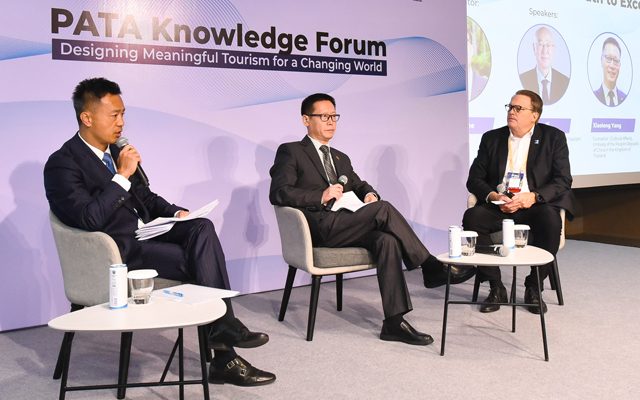
Thailand’s tourism ambitions to attract more Chinese travellers took centre stage at the PATA Knowledge Forum last week, where speakers examined how the country could strengthen its appeal and draw more Chinese visitors.

During the Capturing the Imagination of Chinese Travelers: Thailand’s Path to Excellence panel session, Ji Xiaodong, chairman, China Chamber of Tourism, noted that Chinese travel profiles have shifted post-lockdown.

From left: Global Tourism Economy Research Centre’s Jason Wang; Embassy of the People’s Republic of China in the Kingdom of Thailand’s Xiaolong Yang; and PATA’s Peter Semone

Chinese visitors are increasingly travelling as FITs instead of in large tour groups, seeking customised trips beyond standard itineraries, noted Ji, adding that many are now willing to pay a premium for immersive, in-depth experiences that provide a stronger sense of connection with local culture and communities.

At the same time, Chinese travellers are becoming highly digital-savvy, relying heavily on AI tools, social media platforms, and online research when planning their trips.

As such, Thailand’s tourism operators must adapt quickly by aligning products, services, and marketing strategies to meet these new travel profiles, Ji emphasised.

Xiaolong Yang, counsellor (cultural affairs), Embassy of the People’s Republic of China in the Kingdom of Thailand said Thai authorities should also pay closer attention to the physical aspects of safety, ranging from pedestrian crossings in Bangkok to water sports activities at popular tourist destinations.

He believed that by strengthening safety measures, ensuring proper regulation of tourism activities, and providing clear guidance for tourists, Thailand can build greater confidence among Chinese travellers, many of whom view safety as a decisive factor when choosing where to travel.

He also pointed out that recent cross-border conflicts have also heightened concerns among some Chinese travellers when considering Thailand as a holiday destination.

Jason Wang, CEO of the Global Tourism Economy Forum and executive director of the Global Tourism Economy Research Centre, opined that rebuilding Thailand’s image as a safe destination for Chinese travellers cannot be achieved overnight. Outlining measures, he urged Thai authorities to take immediate action against criminal activities, particularly cross-border activities.
Wang also emphasised the importance of treating foreign visitors fairly, noting that practices such as overcharging by public transport operators harm the country’s reputation.

He suggested using technology to improve safety communication, for example, developing mobile IT support in Chinese that could instantly notify the Chinese embassy or local Thai police in an emergency.

Improved flight connectivity powers Bhutan’s tourism aspirations

0

Inbound travel trade players in Bhutan are preparing to capitalise on the expansion of potential business from Singapore and Thailand, spurred by Drukair’s imminent increase in seasonal flight frequencies from both Singapore and Bangkok to Paro International Airport during the upcoming peak travel periods of autumn and spring.

Although exact dates for the added frequencies have yet to be announced, Drukair is set to add an additional frequency to its current twice-weekly Singapore service, along with three extra flights from Bangkok to Paro International Airport on top of its existing daily service.

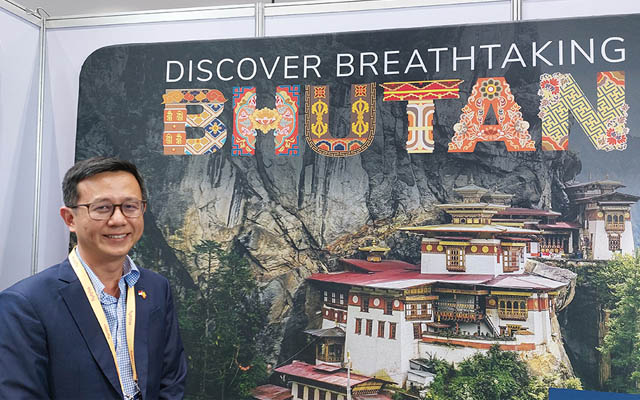
Druk Asia’s Joni Herison highlights how expanded Drukair flights from Singapore and Bangkok will boost Bhutan’s inbound travel

“Based on pre-pandemic trends, the added frequencies will last for 10 weeks,” shared Joni Herison, director, partnerships for Druk Asia, which is a Bhutan travel specialist and also the Singapore general sales agent for Drukair.

He believed the improve accessibility will encourage more high-value travellers from these markets as well as from the US and Australia, transiting through Singapore, to consider Bhutan for leisure, cultural, and nature-based experiences.

Druk Asia, which specialises in curating bespoke tours on spiritual, meditation, incentive travel for corporate companies, educational tours and destination weddings, has partnered with James Low, former general manager of a luxury resort in Bhutan and a trusted figure in Bhutanese circles, to offer seven-day-six-night insider experiences where guests will gain access to people, places and perspectives not open to the average traveller. Scheduled departures are in December 2025 and April 2026.

Ugyen Y Lhendrup, managing director of onlyBhutan Tour, said part of his motivation for participating as a seller at the recently concluded PATA Travel Mart was to expand his inbound business from South-east Asia. He aimed to strengthen networks and secure more agent partners in markets such as Singapore, Thailand, Malaysia, and Indonesia, where growth potential is supported by convenient air connections via Bangkok and Singapore.

To build on this momentum, he will also exhibit at the upcoming ITB Asia, further promoting Bhutan to agents from Singapore and the wider region.

Another agent, Palden Jamyang, travel manager at Bhutan Travel Nexus, shared that the increased air capacity comes at a timely moment, as his company works to rebuild the Thai market lost during the pandemic. The additional flights provide stronger opportunities to engage outbound agents in Thailand and encourage them to promote Bhutan more actively.

His company has introduced new itineraries focused on cultural experiences, which tend to appeal more to Thai travellers than hiking and trekking.

Latin America emerges as a promising source market for Thailand

0

Latin America is emerging as a growing source of tourists for South-east Asia, with Thailand seeing renewed interest. Bangkok-based agency Mundo Nómada reports steady growth in several Latin American markets and identifies further opportunities across Thailand, Vietnam, Indonesia and Cambodia.

“Until recently, most Latin Americans needed a visa to visit Thailand. Since the Thai government relaxed requirements last year, the majority can now travel visa-free – and interest has risen sharply,” said Pol Comaposada Vilar, founder and managing director of Mundo Nómada.

Vilar: most Latin Americans can now travel to Thailand visa-free, and interest has risen sharply

Despite the distance and high costs, Latin American travellers are arriving with healthy budgets.

“South-east Asia as a whole is still a relatively new destination, but awareness and demand are growing rapidly. Given the distance and the high cost of travel, many tend to combine Thailand with neighbouring countries, but Thailand remains the highlight,” he said.

Typical itineraries feature four days in Bangkok with side trips to Ayutthaya and markets, four to five days in Chiang Mai or Chiang Rai, and beach time in Phuket – with Krabi and Koh Phi Phi gaining popularity.

Brazil and Argentina remain core markets, but Mexico and Colombia have surged since the visa changes, with Chile and Peru also growing.

“In the first seven months of 2025, arrivals from Colombia jumped 111 per cent, while Mexico and Argentina rose 21 per cent, Uruguay 20 per cent, Brazil 10 per cent and Peru seven per cent,” Vilar noted.

Statistics from the Ministry of Tourism and Sports’ Economics, Tourism and Sports Division show 159,663 Latin Americans visited Thailand from January to July 2025.

To capture this momentum, Vilar pointed to three priorities: promotion in Spanish and Portuguese on social networks, stronger air connectivity, and deeper partnerships with key Latin American agencies.

Drawing on 15 years of experience producing Spanish-language content about South-east Asia, Vilar argues that Latin America is often overlooked by tourism departments, which “tend to rely on marketing companies that rarely deliver meaningful campaigns”.

“Often these agencies only deliver very basic campaigns, which tend to have little impact,” he commented.

Direct collaboration with native influencers and established content creators, he suggested, would offer authenticity, reach, and stronger trust with Latin audiences.

Far East Hospitality weaves Singapore’s hidden stories into the stay experience

0

A partnership between Far East Hospitality (FEH) and celebrated heritage guide, The Urbanist Singapore, will shine a spotlight on Singapore’s hidden stories through three experiential heritage trails across the iconic precincts of Orchard, the CBD, and Sentosa.

This initiative reflects FEH’s commitment to delivering Singapore-inspired hospitality, with each precinct developed as places of stories, not just stays.

Uncover Singapore’s hidden stories with Far East Hospitality and The Urbanist Singapore through three experiential heritage trails across Orchard, the CBD, and Sentosa

Each trail is anchored by FEH properties in the area, offering a guided journey through the lesser-known stories, sights, and cultural layers that define each precinct. The result is an experience that showcases how every stay can be as meaningful and memorable as the city itself.

The first of three experiential heritage trails will be conducted on September 12, with Yong, heritage educator and the founder of The Urbanist Singapore, leading guests down Orchard Road, Singapore’s famous shopping belt. Through lively storytelling, he will unravel the tales of the area’s fascinating cultural past. This trail explores areas in proximity to three FEH properties: Quincy Hotel Singapore, Rendezvous Hotel Singapore, and Vibe Hotel Singapore Orchard.

On October 4, Yong will take guests on a CBD trail, tracing the evolution of Singapore’s commercial and cultural heart from shophouses and shrines to skyscrapers and street art, revealing the enduring spirit of the district. It explores areas in proximity to three FEH properties: The Clan Hotel, Amoy Hotel, and Oasia Hotel Downtown.

Finally, on November 8, Yong will lead the Sentosa trail, uncovering the island’s transformation from colonial outpost to world-class destinations, with stories of war veterans, hidden bunkers, heritage homes, and quiet wellness enclaves. This trail explores areas in proximity to three FEH properties: The Barracks Hotel, Village Hotel Sentosa, and Oasia Resort Sentosa.

Each trail will span about two hours, and have capacity for 20 to 25 guests.

The experience is open to FEH hotel guests.

For more information, visit Far East Hospitality.

Indonesia introduces All-Indonesia app for international passenger declarations

0

All passengers on international flights must complete a new arrival declaration form via the All-Indonesia application from today (September 1), the Indonesia Directorate General of Immigration, Ministry of Immigration and Correctional Service, has announced.

Currently, the requirement applies to international passengers arriving at Soekarno-Hatta Airport, Jakarta; Juanda Airport, Surabaya, East Java; I Gusti Ngurah Rai International Airport, Bali; and international seaports in Batam, Riau Islands.

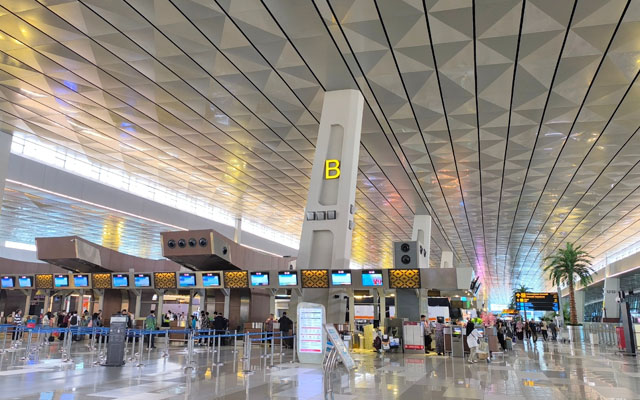
The new digital system streamlines arrivals, integrates customs and health checks, and strengthens border security; Soekarno-Hatta International Airport, pictured; photo by Legitaa

Yuldi Yusman, acting director general of immigration, said the pilot programme for the All-Indonesia application would gradually expand to all airports, airlines, international seaports, and border crossings.

Yuldi said that All-Indonesia represents a step forward in creating efficient public services, noting that the application makes the arrival process at airports and ports faster, safer, and more accessible for all passengers, including individuals, groups, the elderly, people with special needs, and children.

He explained that the application was introduced to simplify the international passenger arrival declaration process and provide a smoother, faster, and more secure travel experience.

The All-Indonesia application integrates immigration, customs, health, and quarantine forms into a single digital system. Passengers can complete the form for free up to three days before arrival.

He added that Indonesia aims to provide the best experience from the very first step for both foreign tourists and returning citizens, which is why the arrival card has been integrated into the system. With this integration, international passengers will no longer need to complete a separate electronic customs declaration (e-CD), as the entire customs process is now part of the All-Indonesia digital system. The application also allows the Ministry of Health to detect potential risks of contagious diseases, enabling a swift response at the country’s entry points.

The application is also mandatory for passengers carrying animal, fish, or plant commodities and their derived products, to prevent the spread of pests and diseases. It simplifies reporting for quarantine inspection and supervision, helping to ensure national food security and economic protection.

Yuldi urged all international passengers, both foreign nationals and Indonesian citizens, to report their arrival through the application. The form can be accessed on the All-Indonesia website or by downloading the app from the Google Play Store and App Store.

“This application is not just about convenience; it’s also about protecting our country. Every piece of data you provide is key to ensuring the security, health, and integrity of our borders,” Yuldi concluded.

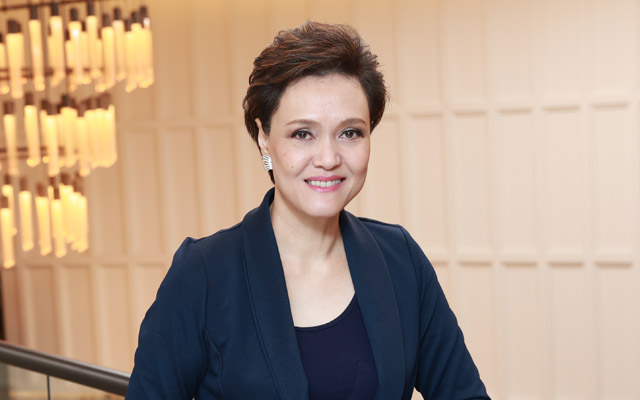
Unlocking value

0

In the past nine years, you went from 27 hotels to nearly 300 properties globally, what made this growth possible?

When I joined in 2016, Dusit had only 27 properties in 8 countries, and most of them were in Thailand.

Today, we have 297 across 18 countries, with more than 70 in the pipeline.

This is a shift that resulted from deliberately expanding our managed portfolio while staying asset-light.

Today, we still retain 10 owned assets, but the bulk of our growth is now attributed to management contracts and strategic partnerships, which enables flexibility and scalability.

Your nine-year roadmap is culminating in Phase Three: Unlocking Value. Can you share the major milestones across each phase?
The first three years were about laying the foundation: Upskilling people, refining processes, and resetting the mindset. During 2016 to 2019, 90 per cent of our revenue still came from owned assets. That was something we had to change to unlock greater growth.

Phase Two was about building new engines, including our food business, education unit, and entering new service verticals.

Phase Three holds the key to proving our strategy. We’re now monetising those investments, with strong revenue flows from hospitality, education, real estate, and food.

In today’s landscape, we can no longer focus just solely on the hotel business – we have to create an engine that powers long-term resilience.

Dusit has taken a bold expansion path. Why was this the right move for a Thai brand at this time?
If you look at the world today, everything is interconnected. Offering hospitality alone is no longer enough.

Customers want meaningful experiences, and that extends into wellness, education, and food that reflects cultural identity. By moving into these adjacencies, we’ve created a more integrated and resilient business model, growing horizontally while also deepening the brand.

How do you ensure that scale hasn’t diluted the soul of the Dusit brand?
It comes down to culture. When I started, we defined five ‘graciousness traits’ and seven guest touchpoints. Over time, we added pillars for wellness and sustainability that go beyond scriptedness to offering authenticity and emotional connection.

For us, luxury isn’t just remembering a guest’s name; it’s remembering their story.

That’s how I define luxury – luxury is no longer about (the tangible aspects) that you can deliver – you need to offer some sort of connection.

The reopening of Dusit Thani Bangkok has captured global attention. What does this reimagined flagship represent?
It’s deeply personal. It was very important to us not to replicate the past with a ‘copy and paste’ approach, but rather to reimagine it.

The Dusit Thani Bangkok isn’t just a building – it’s a living tribute to our founder’s legacy and a new benchmark for Thai luxury.

Therefore, we worked closely with Silpakorn University and other experts to preserve key elements while redefining the architecture for today’s context. The revitalised hotel – our new flagship – presents a statement about Thai creativity that is not only modern, but also rooted, and forward-thinking.

And Dusit Central Park as a whole, which is now one of the city’s largest mixed-use projects. How does that play into Bangkok’s repositioning as a lifestyle destination?
It’s our crown jewel. The hotel is now open, and residences are nearly 90 per cent sold. The next phase will see Bangkok’s largest urban rooftop park and Central Park Bangkok, the project’s retail component, coming alive at the beginning of September.

Our vision extends beyond mixed-use to creating a wellness and lifestyle ecosystem.

We’re integrating curated retail, luxury living, green space, and business infrastructure to position Bangkok on the world stage as a true destination for integrated urban living.

Dusit Foods is gaining traction and preparing for an IPO. Why are you betting big on food?
Food is emotional. It connects people to culture, and it extends the guest experience.

We started with Epicure Catering and Bonjour Bakery, and now have a growing portfolio spanning catering, manufacturing, and franchising.

These businesses complement our hospitality offering and stand strong on their own, so the IPO is about scaling with focus.

You’ve also pushed into real estate development. What’s the thinking behind this vertical?
The world has changed. Mixed-use developments like Dusit Central Park allow us to optimise high-value land while generating recurring revenue through branded residences, retail, and office space.

It’s a capital-intensive strategy, but one that aligns with our long-term view.

Once residential transfers begin later this year, we expect significant revenue recognition, which will reduce our debt and unlock even more growth potential.

Let’s talk about people. In 2016, you said your goal was for every employee to feel proud of Dusit – has that come true?
I believe so.

Today we have over 20,000 people under the Dusit umbrella.

I’ve always said it’s not just about size, but about how many lives you lift.

If even a few team members feel they’ve grown, contributed, and been seen, that makes everything worthwhile, because that’s the KPI that matters most to me.

When you joined Dusit, you transitioned from the telecommunications industry directly into hospitality. What lessons have carried through your leadership journey?
Adaptability, humility, and collaboration – coming from another industry allowed me to see things with fresh eyes, because I was unhampered by old paradigms. I didn’t know everything about hospitality, but I knew how to build teams, listen deeply, and sculpt a shared vision. To me, that’s what defines leadership.

Finally, what advice do you have for other women navigating cross-industry transitions?
Firstly, don’t fixate on gender. When you operate at a strategic level, what matters most is how you adapt, how you lead, and how you uplift others.

If you lack expertise, surround yourself with people who have it. Respect them, and learn from them.

Above all, always remember that your success is measured by how many people you bring along with you when you succeed.

Protests ease in Jakarta as travel and tourism resume

0

The situation in Jakarta and several other Indonesian cities returned to normal on Sunday, August 31, following a week of anti-government and anti-parliament protests.

The rallies, which began on August 25, were sparked by public anger over a new monthly allowance for parliament members. Protests escalated into clashes with police and military forces in several cities, including Bandung, Surabaya, and Bali.

Despite unrest, the Astindo Travel Fair and NICE’s Ionation-Workout and Wellness Festival, pictured, went ahead as planned over the weekend

In Jakarta, the unrest turned deadly after an online motorcycle taxi driver was run over and killed by a police tactical vehicle on August 28 prompting widespread anger and more intense clashes.

Public facilities such as bus shelters and toll road gates in Jakarta, as well as parliamentary buildings and police stations in other cities, were damaged. No tourism-related facilities were reported to be affected. Security measures were increased to ensure airports remained operational.

In response, president Prabowo Subianto announced that some government-funded perks for members of parliament would be reversed, including the size of certain allowances. A moratorium on overseas trips for lawmakers will also be imposed.

However, Prabowo warned that some protests had gone beyond peaceful demonstration and could be considered “treason and terrorism”, ordering the police and armed forces to take strong action against looting and property damage.

While tensions were high in Jakarta’s city centre, other parts of the capital operated normally. The Astindo Travel Fair and the soft opening of the Nusantara International Convention and Exhibition (NICE) went ahead over the weekend.

Pauline Suharno, president of Astindo, said: “The fair ran on schedule with high visitor interest, particularly during cash-back sessions, although the floor was a bit quiet in the evenings.”

Ryan Adrian, managing director of NICE, said: “The opening event, Ionation-Workout and Wellness Festival, was successful. The event went well despite the unfavourable situation. The event organiser told me they were happy to receive 7,300 participants, out of the 9,000 targeted.”

Travel and tourism industry representatives remain optimistic. Ricky Setyawanto, director of business development for Panorama Destination, said they had received no emergency requests from guests to leave the country early.

“We have 47 Java-Bali overland trips scheduled for September and we hope the situation will remain stable,” he added.

Police data indicates more rallies are planned, but increased security is expected to keep future demonstrations peaceful.