A slew of initiatives were announced at Singapore’s Tourism Industry Conference (TIC) this morning to ensure the success and future of the industry, as the country welcomed one million international visitor arrivals (IVA) in March and saw continued momentum in tourism recovery.
Minister of state (MOS) for trade and industry Alvin Tan, expressing cautious optimism, said Singapore was expected to register between 12 and 14 million IVA and around S$18 billion (US$13.6 billion) to $21 billion in tourist receipts this year.
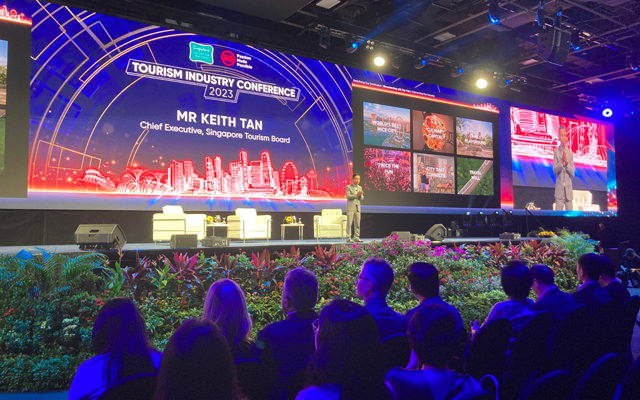
STB’s Keith Tan sheds light on the tourism bureau’s direction for tourism recovery
This is approximately two-thirds to three- quarters of pre-pandemic levels of 19 million and S$28 billion respectively.
MOS’s Tan added: “In the next three years, the Asia-Pacific will likely be our main sources of international visitor arrivals, with China joining them as it continues to reopen.”
But the future is “quality tourism”, “driving higher yield” and “creating good jobs”, according to Singapore Tourism Board (STB) chief executive Keith Tan, and to focus on “Redefining our Destination”, “Reconnecting with our Fans” and “Reinventing our Industry”.
“Singapore cannot be a low-cost destination”, he continued, and urged the industry to “think hard about long-term success”.
Singapore’s recovery arsenal will include a refreshed brand campaign focusing on Passion Made Possible – with the aim to inspire travel by showing how Singapore turns ordinary moments into extraordinary experiences.
The campaign will be launched in September and zero in on six key competitive strengths of Singapore: World’s Best MICE City – a leading MICE destination; Culinary Capital – a top culinary destination; Family Playground – an ideal family-friendly destination; Twice the Fun – a vibrant and exciting city that maximises all opportunities and spaces to create fun experiences, including in our after-dark hours; City that Connects – a multi-cultural hub that is well connected to the region; and Travel Well – a sustainable city and wellness haven.
Also announced at TIC, attended by 400 on-site and 600 virtual members of the industry, is a S$10 million Singapore On-screen fund.
Co-funded by STB and Infocomm Media Development Authority, the fund aims to attract global players to use Singapore as the backdrop to create content and deep story telling on a multitude of platforms.
STB’s Tan elaborated: “With this joint fund, we hope to catalyse production of major film and TV projects set in Singapore, and made in collaboration with international media and entertainment partners. This will provide our home-grown talents opportunities to work with their international counterparts and allow our people and companies to grow their capabilities and increase their global exposure.
“We will invite selected media conglomerates, major streamers and production studios with regional or global networks to apply for the fund and be a part of Singapore’s branded entertainment efforts.”
Meanwhile, Singapore icon Orchard Road will be rejuvenated with “better signage” and a way-finding experience that will make navigation easier.
Apart from better access, Orchard Road’s rejuvenation will include embracing sustainability, social impact and local lifestyles along the 2.2km stretch of Tanglin Road, Orchard Road and Dhoby Ghaut.
In its sustainability commitment and Singapore’s certification by the Global Sustainable Tourism Council, STB will be working closely with the Singapore Association of Convention and Exhibition Organisers and Suppliers (SACEOS) to mount a two-year programme.
As for Singapore’s tourism attractions, they will be getting a digital leg-up with the inauguration of a step-by-step technical road map on customer service, marketing and sustainability.
During a Q&A session, STB’s Tan said new international areas of opportunity included the rise of Indian female visitors “who can have fun and feel safe”, sports spectators and “entertainment events”.
He added that STB was looking at the possibility of partnering event promoters “to curate and create multiple peaks throughout the year”.
Wicked, The Musical will be playing at the Sydney Lyric Theatre from August 25 this year.
One of the most successful musicals in the world, Wicked, The Musical has won over 100 major awards including the Grammy Award, the Olivier Award, six Helpmann Awards, three Tony Awards and six Drama Desk Awards.
Catch Wicked, The Musical playing at the Sydney Lyric Theatre this August
The musical is based on the novel by Gregory Maguire, with music and lyrics by Stephen Schwartz. It tells the story of what happened before the iconic Wizard of Oz, with themes on good vs wicked; popularity and belonging; knowledge and truth; equality and justice.
Wicked, The Musical also features catchy songs and meaningful messages that will make this production a big drawcard for theatre lovers of all ages.
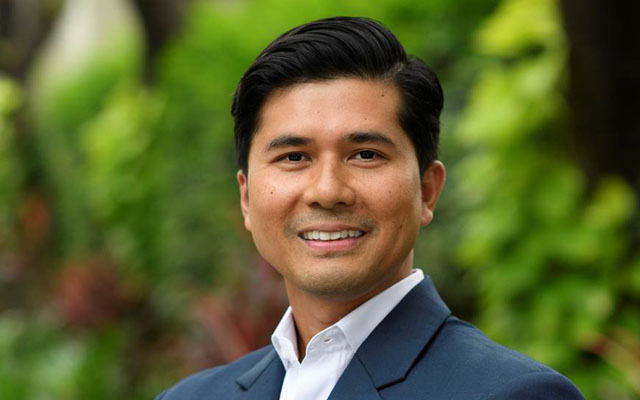
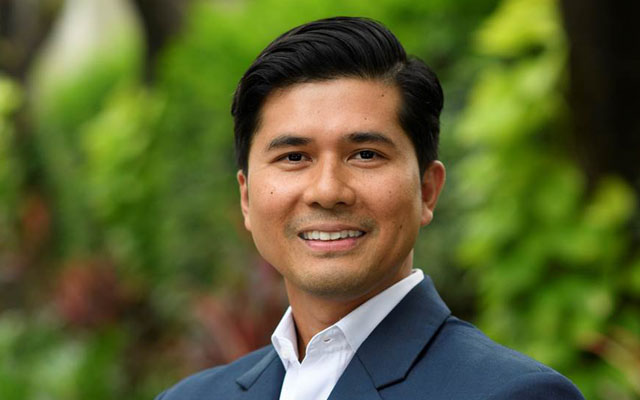
Jed Arricivita has been named Alma Resort’s commercial director. He will oversee commercial management, sales and marketing management, digital strategy and more, with focuses on leisure, business and MICE travel in his new role.
Having amassed more than two decades of business development, sales and marketing experience, Arricivita was most recently director of sales at The Peninsula Bangkok, a position he held for 10 years.
Following the introduction of an Expedia plug-in for ChatGPT users last month, the travel company has now rolled out the beta launch of a new in-app travel planning experience powered by ChatGPT.
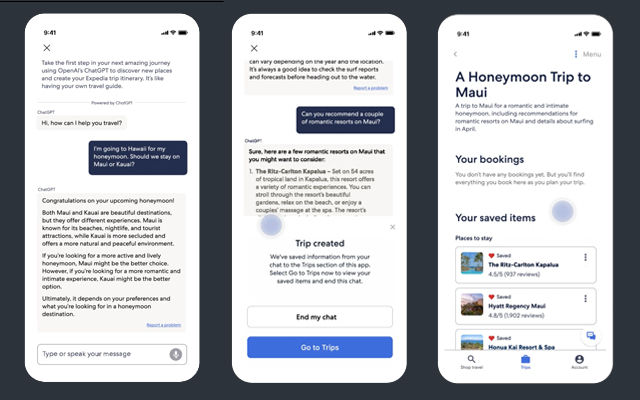
The new function allows Expedia members to have an open-ended conversation in the Expedia app for recommendations on destination activities and tourism products, and have hotels discussed in the conversation saved for future booking. Expedia members can choose dates, check availability, and add on other trip components, such as flights, cars, or activities.
Expedia members can move from trip recommendations to bookings
The conversational trip planning beta experience is rolling out globally in English on the Expedia iOS app.
“Every great trip can be made or lost while planning and shopping. As the leader in travel tech, Expedia continues to build out the core operating system for the industry, constantly enhancing capabilities and making trip planning faster, simpler and even more informative,” said Peter Kern, vice chairman and CEO, Expedia Group.
“By integrating ChatGPT into the Expedia app and combining it with our other AI-based shopping capabilities, like hotel comparison, price tracking for flights and trip collaboration tools, we can now offer travellers an even more intuitive way to build their perfect trip.”
Expedia already integrates artificial intelligence (AI) and machine learning (ML) throughout its platform to create a seamless experience from planning to post-booking.
To help travellers shop, AI and ML are used to deliver personalised and relevant trip options out of 1.26 quadrillion variables like hotel location, room type, date ranges, price points and much more.
For confidence in flight booking, Price Tracking uses Expedia’s comprehensive flight data, AI, and ML to compare today’s flight price with historical price trends and track price fluctuations, so travellers can confidently decide when to book and earn rewards.
For unexpected trip changes, travellers can resolve issues quickly using Expedia’s AI-powered Virtual agent available 24/7.
Ambul thiyal, polos, wambatu moju, kola kanda and kiribath – some of Sri Lanka’s beloved dishes are often unfamiliar to those setting foot on the South Asian island country for the first time, and hint at the swathes of gourmet discoveries waiting to be unravelled by food lovers.
Over dinner with TTG Asia, Manoj Devaraj, group head – sales and marketing, Teardrop Hotels, and Chamintha Jayasinghe, co-founder of luxury travel curator Ayu in the Wild, said Sri Lankan cuisine is often misunderstood to be the same as that of neighbouring India.
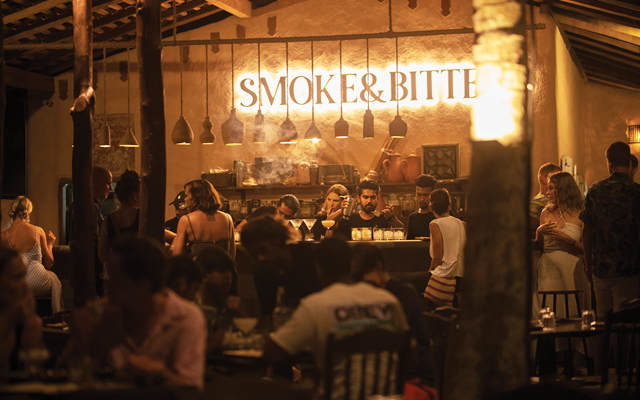
Join the stylish crowd at Smoke & Bitters where smoked dishes and creative cocktails dominate the menu
“Both make different use of spices and cooking styles. We consume a lot more seafood here. Our food has huge influences from our historical interactions with the Portuguese, Dutch, Arabic and English,” defined Devaraj.
Furthermore, different cooking styles across the country – from north to south and from coastline to hill country – also birth unique flavours and dishes, pointed out Jayasinghe.
Travellers looking to take their first bite can start onboard SriLankan Airlines, where inflight meals have recently been reinvented to showcase traditional food and its nutritional benefits. Themed Sri Lankan Flavors, the airline’s local meal options are available onboard long- and medium-haul flights as well as at its Business Class lounges at Bandaranaike International Airport in Colombo. Some home favourites on the menu include polos baby jackfruit curry and kuruluthuda rice with chicken pepper curry, as well as a wide selection of local tea.
Richard Nuttall, CEO of the flag carrier, said: “The idea is for passengers to experience Sri Lanka right from the moment they are onboard. Our food philosophy has always been to reflect the country’s culinary culture. We often hear from our Sri Lankan customers that the best local breakfast is found on SriLankan Airlines.”
Another memorable way to get acquainted with Sri Lankan cuisine is through lunch prepared by village folks, served and eaten on a kamatha – a clearing in the middle of lush paddy fields. Arranged by Ayu in the Wild, the kamatha lunch experience introduces guests to the life of rural farmers back in the good old days as well as their traditions. As the space is sacred, only vegetables and non-alcoholic beverages are allowed there along with positive chatter. Farming families involved in delivering the experience gain additional income – a point of appeal for travellers who want to ensure that their spend reaches the hands of the local community.
Amanwella’s herb and spice garden
Food lovers can even recreate their favourite Sri Lankan dishes back home, following an immersive cooking class led by a chef of Shangri-La’s Hambantota Golf Resort & Spa. The Spice Tales activity sees guests joining the chef at the fishing harbour and vegetable market to score some fresh ingredients before returning to the kitchen to prepare their own tasty lunch. Guests are also gifted a pack of essential Sri Lankan spices and a recipe book.
For a more modern take on Sri Lankan flavours, head to Paradise Road The Gallery Café, set in a stylish section of Colombo. Here, a mix of western and Sri Lankan dishes – such as curried fish head soup and coconut crusted modha fish – are served beautifully plated and accompanied by creative cocktails.
Yet another pleasant surprise awaiting visitors is Sri Lanka’s vibrant and cosmopolitan food scene – a vastly different view compared to recent portrayals of civil unrest and resource shortages in some mainstream media. While those were issues the country had to grapple with in 2022, the authorities and people have since established systems to ensure critical resources – including food and fuel – are available to most residents as well as tourists.
“Some imported items, like wine and cheese, may not be easily available here now, but that is only due to an import curb to preserve foreign currency reserves. This does not affect Sri Lanka’s ability to feed tourists, who can continue to enjoy dishes and beverages made with fresh local produce,” Jayasinghe told TTG Asia in early January.
Kamatha lunch
Echoing her view, Nuttall emphasised: “We need tourists to understand that they are not taking food away from Sri Lankans. It is the high cost of living that has resulted in some families not having enough money to buy as much protein as they need. In fact, the return of tourism and tourist expenditure can allow more Sri Lankans to generate more income to feed their families.”
At press time, tourism is stirring once more in Sri Lanka. Visitors who came calling in December 2022 and January this year found popular dining and entertainment venues buzzing at meal times, after dark and over weekends.
Both Sri Lankan flavours and international alternatives are widely available in the tourist hubs, from Colombo and Galle to Hiriketiya and Hambantota.
At Park Street Mews in the capital city, where old warehouses have been converted into an entertainment district, guests can enjoy Japanese, South-east Asian, Middle Eastern, Italian, French favourites and more from across eight restaurants.
Over at the UNESCO World Heritage Site Galle Fort, travellers benefit from a lively dining scene populated by stylish restaurants, cafés and bars tucked within conserved buildings and reimagined boutique hotels. For food lovers, Galle Fort is a gourmet paradise to be slowly savoured across several days.
And should sensible living be needed after days of indulgence, check into luxury coastal resort, Amanwella, where executive chef Shantha Peiris will nourish guests with balanced meals. Peiris takes pride in using traditional herbs and spices harvested from the onsite gardens and forest to create dishes served across the resort’s F&B venues. Menus change with the season, and can be customised according to the dietary needs of guests.
Travellers who scrutinise their carbon footprint and value opportunities to support the local community will be heartened to know that several hospitality operators in the country have intensified sourcing from producers at home. Such decisions were borne out of practical need – supply chain disruptions during the pandemic and earlier import curbs on certain ingredients – as well as a conscious desire to uplift local communities as these operators rebuild their business.
Teardrop Hotels, which run seven hotels across the country, has improved the conditions of its four fruit and vegetable gardens since 2020 for better harvests. Today, 30 per cent of its fruit and vegetable supplies are from these gardens.
Seafood, meats and other ingredients are also obtained from local producers “as much as possible”, shared Devaraj.
Close to 85 per cent of ingredients used in Teardrop Hotels kitchens are now locally sourced – up from about 60 per cent pre-pandemic.
“We have even looked at how suppliers work with us,” he added. To encourage local producers to deliver orders more sustainably, the company supplied reusable, stackable crates.
“The pandemic and import disruptions made us realise that relying on local producers is more reliable, offers greater value, and enables us to support our own people,” Devaraj said.
Smoke & Bitters, a cocktail bar and smokehouse that sits on Hiriketiya’s Pehebiya Beach, takes pride in supporting local producers. A product of two Sri Lankan sons with vast global F&B experience, Smoke & Bitters sources almost 100 per cent from local producers, resulting in an award-winning cocktail menu built on local rum, arrack and home-made syrups, as well as a tantalising food menu featuring dishes prepared with traditional smoking techniques.
SriLankan Airlines’ home favourites
Shangri-La’s Hambantota Golf Resort & Spa, too, is keen to source more of its food supplies from within the country. It plans to engage a village near Yala to supply the hotel with vegetables.
“This community is dependent on seasonal wildlife safari. By having them grow and supply food to our hotel, they can earn income during the off-season,” explained general manager Refhan Razeen.
As the best holiday memories are made of glorious food and exquisite experiences, Jayasinghe believes that “Sri Lanka is absolutely ready to welcome travellers”.
Jayasinghe, who connected TTG Asia with various hotels and dining venues on a research trip in January, said: “Anyone who visits today will realise that this is a country with everything.”
Sri Lanka is gifted as a tourist destination, she opined, thanks to its varied geography and attractions, ranging from whale watching and nature parks to community-based tourism opportunities and specialised tours for those keen to learn about the country’s archeology, conservation efforts, culture, heritage and more.
Japan’s ski and snowboard resorts are enjoying a much-needed boost this snow season with the arrival of overseas visitors for the first time since April 2020.
Industry staff report an unprecedented return in international tourists, with more bookings planned in the coming weeks. Although Japan’s main ski season is from December to March, it is possible to continue skiing until early May in some places including Gassan in Yamagata, Niseko Hirafu in Hokkaido and Hakuba in Nagano.
Bookings remain aplenty even after the usual ski season; Hakuba in Nagano pictured
Hokkaido resort Kuchan has seen its accommodation and lift pass reservations rise nine fold over December 2022 to May 2023, largely by travellers from Australasia, Europe and Asia.
Given the importance of the inbound market – international skiers and snowboarders totalled 960,000 in 2018, up from around 300,000 in 2013, according to the Japan Tourism Agency – resorts have developed new offerings to maximise visitors’ time on resorts.
At Niigata Prefecture’s Naeba Ski Resort, operated by Seibu Prince Hotels Worldwide, non-skiers can enter Family Snowland, an expansive park offering snow rafting, snow tubing, snow trains, snowmobiles and other outdoor activities.
Hakuba Happo-one Snow Resort opened a snow park with ramps and bumps following more enquiries about space for snowboarding tricks. According to operators, The Parks and Hachi Crew, the new facility is a “surf-ride x freestyle park that makes the most of Happo’s wild terrain and excellent snow quality”.
In anticipation of greater demand for information, Skiday began releasing photos of ski resorts taken every 15 minutes, a service designed to allow users to check the local temperature and up-to-date snow conditions at resorts. About 70 ski resorts have used the service this season.
Resorts are hoping the strong rebound is only the beginning of a long-term increase in overseas arrivals, particularly amid a domestic decline in snow sports demand. There were an estimated 2.8 million Japan-based skiers and snowboarders in 2021, down from the peak of 18 million in 1998, according to the Japan Productivity Center.
Travelport has received a US$200 million investment from owners Siris Capital Group and Elliott Management, following the company’s strong first quarter performance.
This injection of capital will enable Travelport to continue executing against its aggressive growth strategy as the travel industry recovers.
The investment will allow Travelport to further advance its technology innovations
In March, Travelport acquired Deem, a leading corporate travel management platform, in order to fulfil a growing need for a tight, fully-integrated tool that provides access to all multi-source content, including NDC.
The company also launch Smartpoint Cloud, delivering a more intuitive and efficient way for travel agents to sell and service travel, all while increasing sales of higher-value services for suppliers.
The US$200 million investment, along with a recent refinancing that received the support of 100 per cent of Travelport’s First Lien Lenders and materially lowered the company’s cash interest expense, provides the company with significant liquidity while demonstrating investors’ strong belief in the company’s bright future.
Greg Webb, CEO of Travelport, said: “The main advantage of private equity ownership is agility, which is crucial in a rapidly changing environment. This investment will allow Travelport to further advance its tech innovations, while fuelling the company’s momentum.”
South Korean hospitality tech company, ONDA, is accelerating its global expansion with an investment in Hoteliers.Guru, a Thai hospitality technology company.
Hoteliers.Guru will work closely with ONDA to maximise revenue and improve guest experience for its partner hotels in order to establish a strong foothold in the South-east Asian hospitality market.
Both companies will work closely to maximise revenue and improve guest experience for its partner hotels
ONDA will also provide rapid technical support to Taiwanese and Thai hotels interested in adopting DIVE, ONDA’s SaaS-based property management system.
Founded in 2013, Hoteliers.Guru’s channel manager and booking engine are being used by over 700 major hotels and resorts in Thailand. The Thai government has selected the Hoteliers.Guru’s booking engine as a key digital solution to revitalise domestic tourism during the pandemic.
In addition, demand for Hoteliers.Guru’s solutions is growing rapidly among hotels and resorts in South-east Asia as international tourism reopens and the need for digital transformation increases.
Both companies signed an agreement last August to bring Hoteliers.Guru’s partner hotels and resorts to major online sales channels in South Korea through ONDA-HUB (formerly ONDA GDS).
Parkphoom Thamperakul, CEO and co-founder of Hoteliers.Guru, said: “The commitment provided by ONDA is recognition of Hoteliers.Guru’s positive impact on the hospitality industry and the potential we offer for creating long-term value for our investors and the country we operate in.
“ONDA is a partner who shares our vision for creating a sustainable travel tech industry that will enable us to accelerate the delivery of our business plan.”
“With the technology and market expertise of both companies, we are confident we can supply innovative solutions that will lead the digital transformation of global hotels,” added ONDA’s CEO Oh Hyun-seok.
Jeanette Mao has been appointed the new CEO of HK Express, taking over the reins from Mandy Ng.
In her new role, Mao will spearhead the airline’s growth strategy to expand its capacity and network, and lead the team in enhancing operational efficiencies and customer experience through digital innovations.
She has over 20 years of experience with the Cathay Pacific Group, and was previously general manager inflight service delivery.



 Having amassed more than two decades of business development, sales and marketing experience, Arricivita was most recently director of sales at The Peninsula Bangkok, a position he held for 10 years.






 She has over 20 years of experience with the Cathay Pacific Group, and was previously general manager inflight service delivery.






Following the introduction of an Expedia plug-in for ChatGPT users last month, the travel company has now rolled out the beta launch of a new in-app travel planning experience powered by ChatGPT.
The new function allows Expedia members to have an open-ended conversation in the Expedia app for recommendations on destination activities and tourism products, and have hotels discussed in the conversation saved for future booking. Expedia members can choose dates, check availability, and add on other trip components, such as flights, cars, or activities.
The conversational trip planning beta experience is rolling out globally in English on the Expedia iOS app.
“Every great trip can be made or lost while planning and shopping. As the leader in travel tech, Expedia continues to build out the core operating system for the industry, constantly enhancing capabilities and making trip planning faster, simpler and even more informative,” said Peter Kern, vice chairman and CEO, Expedia Group.
“By integrating ChatGPT into the Expedia app and combining it with our other AI-based shopping capabilities, like hotel comparison, price tracking for flights and trip collaboration tools, we can now offer travellers an even more intuitive way to build their perfect trip.”
Expedia already integrates artificial intelligence (AI) and machine learning (ML) throughout its platform to create a seamless experience from planning to post-booking.
To help travellers shop, AI and ML are used to deliver personalised and relevant trip options out of 1.26 quadrillion variables like hotel location, room type, date ranges, price points and much more.
For confidence in flight booking, Price Tracking uses Expedia’s comprehensive flight data, AI, and ML to compare today’s flight price with historical price trends and track price fluctuations, so travellers can confidently decide when to book and earn rewards.
For unexpected trip changes, travellers can resolve issues quickly using Expedia’s AI-powered Virtual agent available 24/7.