

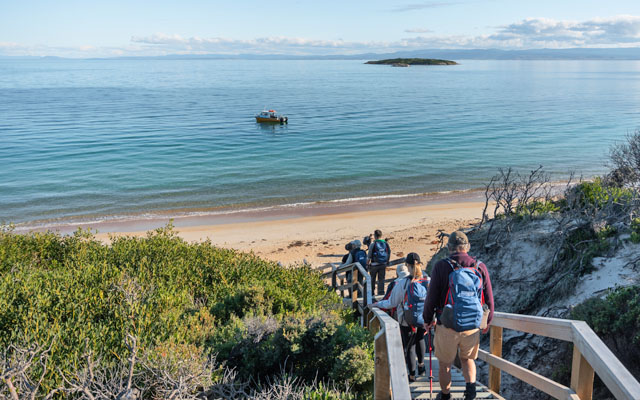
Western Australia is literally Walking on a Dream – also the state’s global brand launched in September 2022 – with a record A$14 billion (US$9.3 billion) tourism spend, its highest ever.
Western Australia’s highest-ever injection into the state economy is partly attributed to the strength of the Singaporean outbound market.
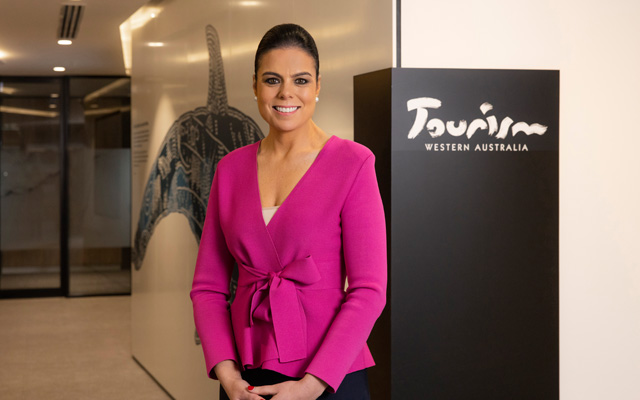
In an interview with TTG Asia during the Australian Tourism Exchange, Carolyn Turnbull, managing director, Tourism Western Australia, shared: “Singapore was one of the international markets that the Walking on a Dream brand was launched, and it was well received both by the media and trade partners. The Singapore market has rebounded really strongly, and I see it growing from strength to strength.”
Singapore was the second largest market before the pandemic, and it is staying firm as the second largest market post-lockdown. Meanwhile, travellers from the UK remain the top inbound market, while New Zealand and India take third and fourth place respectively. The India market also saw one of the “strongest recoveries”, Turnbull pointed out, with visitor numbers just five per cent behind pre-Covid levels.
Perth, the gateway to Australia, also benefits from the fact that Singapore’s Changi Airport is a well-connected hub. Turnbull added that the airlift between Singapore and Western Australia is “rebuilding very quickly”, and that “load factors are really strong”.
“We have 11 international markets globally, and whether you’re coming (to Perth) from Europe, London, or India, or even other parts of Asia, Singapore is the most preferred stopover point. Hence, the city-state is a key contributor and influencer in our whole tourism international strategy,” she elaborated.
Furthermore, with China recently scaling back on more Covid-related restrictions and more Chinese starting to travel, Turnbull opined that Singapore will continue to play an important role in connecting Chinese travellers to Western Australia, as there is currently a dearth of direct flights between Perth and China.
She shared that another key market in Asia is Japan, which will be buoyed by the return of ANA’s three-weekly-flights between Perth and Tokyo recommencing in October.
It was also interesting to find out that almost half of the record spend (around A$6.8 billion) was injected into Western Australia’s regions, buoyed by the Walking on a Dream campaign which heroes key regional locations such as the Ningaloo Reef, The Kimberley, and The Pinnacles of Nambung National Park.
Such regional dispersal is aided by escorted campervan tours run by Singapore-based travel agency Chan Brothers, a key distribution partner of Western Australia.
“This is one way of promoting Western Australia. Many Singaporeans have a driver’s license, but many don’t own a car. Plus, you can’t go very far in Singapore. Hence, we are promoting wide open spaces in Western Australia – road trips, caravans, and camping – as a unique experience for Singapore travellers.”
When asked how many tourists Tourism Western Australia is targeting this year, Turnbull said: “We have an ambitious strategy to double our tourism economy over the next 10 years, and it is tracking very well this year.”
She added that it was not all about “mass market numbers”, but ensuring that the state is attracting “high-yielding travellers” who are able to “spend longer and disperse further”, and to “embrace everything that Western Australia has to offer”.

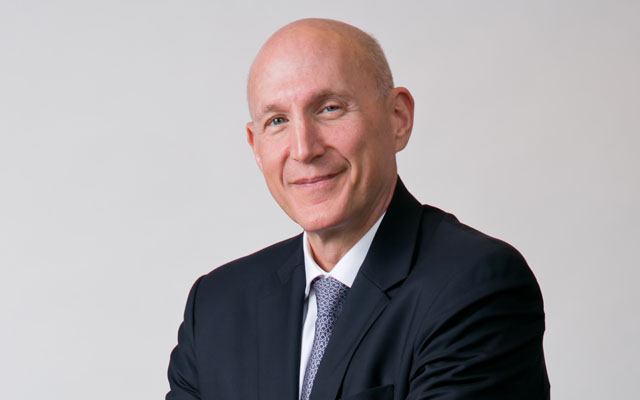
 He is also the current chair of Tourism Australia and a director of the Star Entertainment Group.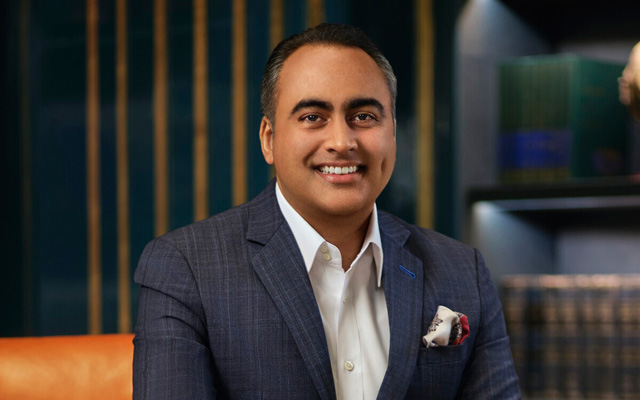
 He was previously part of the pre-opening team at Four Seasons Hotel Bangkok at Chao Phraya River, and has supported several Four Seasons properties in other locations, including Beijing, Maldives, Singapore and Mumbai.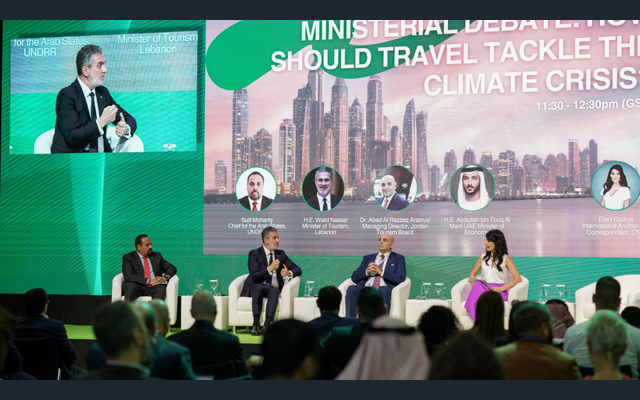




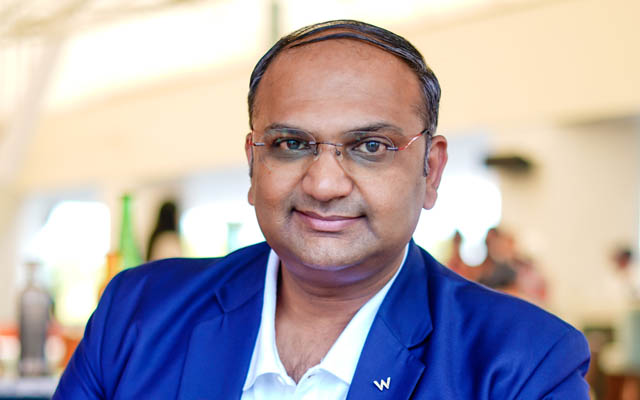
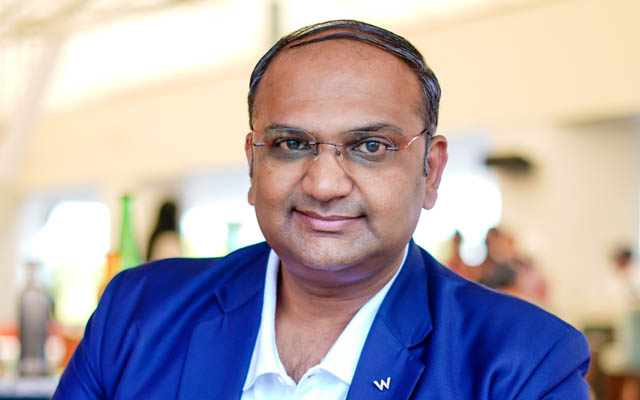 Joshi joins the W Goa team from The Leela Palaces, Hotels and Resorts where he was also director of sales & marketing.






The climate crisis was under the spotlight during the opening session of Arabian Travel Market (ATM) on Monday, with tourism and economy figureheads from across the Middle East discussing travel industry action plans.
According to Sustainable Travel International, tourism is responsible for approximately eight per cent of global carbon emissions from transport, food and beverage, accommodation, and related goods and services. The opening session looked at the industry’s crucial role in climate change – a particularly pertinent topic as the UAE prepares to host COP28 later this year.
The session featured Sujit Mohanty, regional division for the Arab States, United Nations Office for Disaster Risk Reduction (UNDRR); Abed Al Razzaq Arabiyat, managing director, Jordan Tourism Board; and Walid Nassar, tourism minister for Lebanon, with CNN anchor and correspondent Eleni Giokos as moderator.
Building a picture of the current situation, Mohanty said: “Globally, in the last 20 years, there have been US$2.97 trillion in economic losses due to disasters. Climate change is leading to more frequent and severe climate-related hazards such as floods, heatwaves, cyclones and hurricanes. In turn, the tourism industry loses enormous amounts of money due to these hazards. Therefore, the return on investment is clear – invest now to help protect the future.”
The UNDRR works closely with governments, the private sector and stakeholders across the globe, including 22 Arab nations, to reduce disaster risk.
Jordan is one of the highest-ranking countries in the region on The Euromonitor Environmental Sustainability Index and responsible tourism is now a key focus for the nation.
“Educating both businesses and travellers on how they contribute to the carbon footprint is one of our key priorities. In parallel with education, we are offering incentives to hotels, businesses and other stakeholders to encourage sustainable practices,” said Arabiyat.
Despite political and economic challenges, Lebanon has attracted a significant number of tourists since 2022. In summer 2022, Lebanon welcomed two million tourists, a quarter of which were international. As a result of the growth in visitor numbers, rural tourism has seen a boost, an area of tourism which is more sustainable and, therefore, more favourable to the issue of climate change.
Speaking on the growth of rural tourism, minister Nassar said: “The guesthouse sector has grown in the last two to three years in Lebanon, which has been a welcome trend. We have now established a syndicate of over 150 guesthouses, encouraging tourism in more remote areas.”
Agreeing that the issue of climate change is urgent now, Danielle Curtis, exhibition director ME for Arabian Travel Market, said the opening session “provided the perfect launchpad for ATM 2023 as we explore the future of sustainable travel under the theme: Working towards net zero.”