TTG Asia
Asia/Singapore Tuesday, 30th December 2025
Page 402

Trisara

0
Private pool

Location
Trisara occupies a massive area, stretching from a segment of the beach in north-western Phuket and up the slopes of tropical hills.

Its design is clever – the resort is built around a cove, granting guests undisturbed access to a secluded beach; the large main pool lies mere steps from the fine, sandy beach, so sun seekers have the best of both worlds; the rest of the resort facilities, from restaurants and spa to villas and residences rise up the hillsides, bestowing guests with memorable views of the Andaman Sea, forest and sky.

Trisara, which means a garden in the third heaven, is positioned and designed for rest and relaxation in seclusion, even though it sits just 15 to 20 minutes from Phuket International Airport by car.

Accommodation
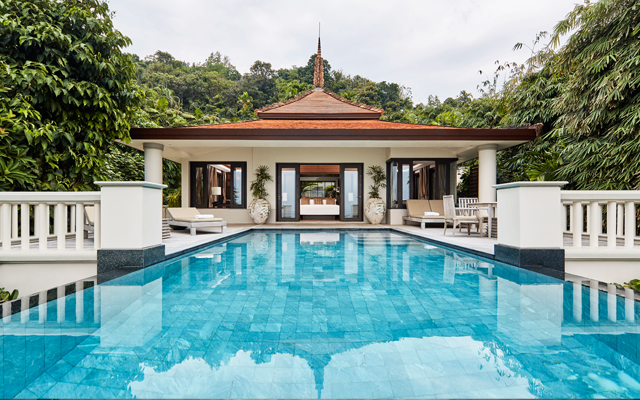
Trisara offers 39 villas, all with their own pool. Among these, the Ocean View Pool Junior Suite is the lead-in category, followed by Ocean View Pool Villa, Signature Pool Suites, and two-bedroom Ocean View Pool Villas. The latter is the top category, with only two keys available.

These villas are all generous in size, but should vacationers require even more space, Trisara’s 22 Residential Villas come in handy. These tropical mansions come with complimentary private chef and butler, and welcome hires for private parties too.

I spent two nights in an Ocean View Pool Villa. I arrived through a rustic, carved wooden door flanked by flowering bushes, and went down a clean, tiled walkway – flanked by plants too – to the front of my villa where a spacious sun deck, glistening pool, and picture-postcard views of nature’s soothing sights signalled the start of precious me-time.

Peeling myself away from this vista, I headed indoors to discover a cavernous space imbued with Thai design elements and filled with fine furniture and plentiful fragrant flowers. The bathroom was especially extravagant; running the full length of the villa, it had a long, plush settee on one side and an oversized bath on the other. There were double vanities, two large wardrobes, and both indoor and outdoor showers.‌

F&B
Trisara houses a dining gem – the one Michelin-starred Pru restaurant, which also earned a Michelin Green Star this year. Unfortunately, it was not available during my stay. In fact, it is preparing for a relocation to another part of the resort and will resume service on November 1. With Pru’s move, the Seafood at Trisara restaurant will occupy this space to serve up Thai home favourites.

As for me, I had most of my meals at Waew, which has since been renamed Cielo.

The restaurant evokes Mediterranean vibes through its décor. Here, a semi-buffet breakfast is served in the morning while Mediterranean classics are served the rest of the day.

In fine weather, guests can also choose to enjoy a private barbecue on their pool deck or the beach, or have a special dining experience curated in some of the resort’s creative spaces.

There is also the option of hopping into a car and driving 20 minutes out to Jampa, a farm-to-table restaurant that also belongs to resort owner, Montara Hospitality Group. Jampa gained a Michelin Green Star earlier this year for its zero-waste, plant-based food. Chef Rick Dingen presents a menu that draws on the best harvest of the season from Pru Jampa organic farm just next door as well as from a hand-picked list of responsible local farmers and producers.

I had the eight-course Experience Menu for dinner. Dishes were creatively and beautifully presented, and surprised the palette with unexpected ingredients and flavours. For instance, a palm-sized Mexican sunflower was deep-fried and served with a creamy dip; this pretty red and golden appetiser was presented on a wizened, moss-covered log that would be right at home at the Shire.

The next dish reminded me of granny’s pin cushion, and its prettiness led me to expect only sweetness. A thin slice of watermelon, topped with dainty, white Dahlia flowers, rested on a mound of creamed avocado. Aged mackerel shavings brought umami to the dish. The flavours were an amazing blend of sweet, smoky, and savoury.

More surprises came – ribbons of beetroot are barbecued and infused with smoky fragrance, and drenched in fish bone and black garlic sauce; soft flesh of eggplant roasted then shaped into a young eggplant finger and coated with dukkah spice, plus a dollop of blue cheese and water chestnut on the side and a drizzle of ebony sauce made from eggplant skin.

It was hard to name favourites from this dining experience, as every dish was special and amazing in its own way.

I highly recommend pairing dinner at Jampa with a guided walk through Pru Jampa farm, where you can learn about Montara’s long-established commitment to sustainable operations. This farm supplies herbs, vegetables, fruits and eggs to Trisara’s kitchens too.

Facilities
Trisara guests can enjoy daily complimentary wellness activities in the morning and afternoon, and the line-up changes every one to two months. Should it rain, alternative programmes will be offered.

Also available are water sports during fine weather; private cooking workshops; luxury motor yachts for charter to nearby islands and bays; and Trisara Hosted Experiences around Old Phuket Town, which can be combined with a photography accompaniment provided by in-house DDEN photo studio.

Children are well looked after, with a range of free and supplementary daily activities that take them outdoors for educational experiences, such as flora treks. The kids’ clubhouse provides indoor respite from the heat or rain, and here the little ones can busy themselves with arts and crafts, books, games, and even pick a meal from the kid-friendly menu.

Close to the main reception stands a well-equipped gym on elevated grounds, giving guests lovely views of the resort and the Andaman Sea while they perform their daily cardio workouts. Next to this is Jara Spa, a comfortable and elegant space where a range of facial and body treatments are delivered. I found the Thermal Therapy, which works the use of hot stones into deep strokes across the back and limbs, especially satisfying after exercise.

While guests have access to their own in-villa pool, they can also choose to take a dip in the main pool which comes with plentiful private daybeds and loungers, plus convenient access to an all-day menu for lazy meals in between water play.

Service
Upon check-in, the resort’s concierge service will establish a chat line with the guest via WhatsApp, and through this channel guests can request for buggy rides to get around the sprawling resort as well as get assistance with booking activities and services in and around the resort.

Verdict
Although Trisara welcomed its first guests in 2004, it feels new and fresh with the benefit of a well-oiled hospitality system. I found out that the owners commit to refurbishment works every year. This year, Cielo benefitted from a beautiful overhaul while works are ongoing for the upper lobby. Villas and residences will be refreshed next.

As the sort of traveller who prefers extended hours in isolation while on a solo break, the Ocean View Pool Villa is perfect. It has almost everything I could desire – a good-sized pool to do laps, loungers under the sun and also in the shade, and is sufficiently removed from the activity hub of the resort, yet not too distanced for a stroll to ‘civilisation’.

I also love that the paths that wind through Trisara are lined by a variety of plants, making the resort grounds a pretty and therapeutic place to stroll through.

Contact details
Email: reservations@trisara.com
Website: http://www.trisara.com/
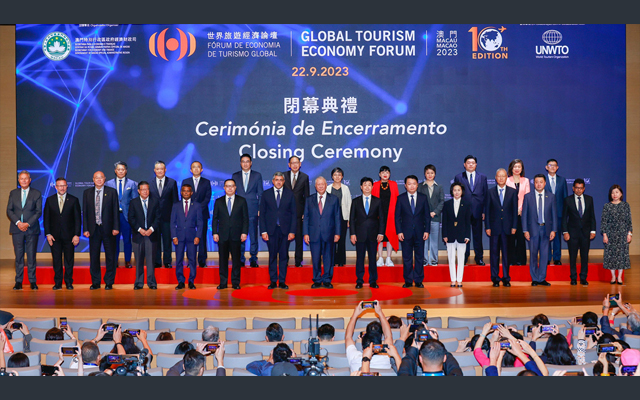
GTEF 2023 culminates in success

0

The Global Tourism Economy Forum (GTEF) 2023 was held in Macau from September 20 to 23, featuring a series of innovative and inspiring exchanges and discussions that demonstrated the destination’s strengths in hosting conventions as an international exchange platform while reinforcing its status as a world centre of tourism and leisure.

Themed Destination 2030: Unlocking the Power of Tourism for Business and Development, the three-day event gathered over 1,500 leading figures from different tourism sectors around the world, who were all encouraged to “think beyond tourism” and explore opportunities for the recovery of the global tourism economy. Participants also examined the new opportunities for tourism in Mainland China, Asia-Pacific, and Europe.

The closing ceremony of the 10th GTEF was held at the Galaxy International Convention Center

Hu Heping, minister of culture and tourism of The People’s Republic of China, and honorary chairman of GTEF (Mainland China) noted that the rising standards of living meant that more people are craving for specialty travel experiences. He also stressed that natural tourism sources are “precious assets” that need to be protected and conserved.

Meanwhile, vice chairman of All-China Federation of Industry & Commerce (Mainland China), Qiu Xiaoping, shared ways to build on the 2030 vision, such as enhancing the environment as well as innovating and improving consumer experiences.

Thinking ahead to the next ten years, WTTC’s president and CEO, Julia Simpson, predicted just one theme – growth. She noted: “By 2033, this sector will represent 11 per cent of the global GDP, one in every eight job will be in our sector. Today, China has a second largest travel tourism sector in the world worth over US$500 billion.

“Tourism here supports more jobs than anywhere else, with over 62 million Chinese working in this sector. By 2026, tourism in China is expected to overtake the US as the largest tourism economy in the world.”

Regarding sustainability, Simpson emphasised how critical the next ten years will be, and that it “must be the decade in which we scale up sustainable aviation fuels” and build up on electric planes and hydrogen fuel planes. She added that WTTC is pulling all leaders from every government to undertake a safety and feasibility study, to explore how each country is taking steps to reduce carbon emissions, and taking China’s lead in transforming clean energy using solar, wind and electricity.

The closing ceremony of the 10th GTEF was held at the Galaxy International Convention Center. Notable guests included National Committee of the Chinese People’s Political Consultative Conference’s vice chairman and chairman of GTEF, Ho Hau Wah; UNWTO’s secretary-general, Zurab Pololikashvili; Macau SAR Government’s secretary for economy and finance and executive chairman of GTEF, Lei Wai Nong; and vice chairman and secretary-general of GTEF, Pansy Ho.

Since its first edition in 2012, GTEF has engaged over 14,000 on-site participants and over 2.3 million online participants from 95 countries/regions across six continents including Asia, Europe, South America, North America, Africa and Oceania in its past ten editions.

In addition, this year’s GTEF garnered high recognition from across the global tourism industry and also manifested Macau’s capabilities and advantages in MICE.

More tourists loosen purse strings in Japan

0

International tourists in Japan are spending more than ever before, with consumption at 95 per cent of pre-pandemic levels despite arrivals having reached only 85.6 per cent.

Visitors exceeded two million for the third consecutive month in August, aided by the uptick in international flights and the weak yen, according to the Japan National Tourism Organization (JNTO).

Spending by international visitors to Japan is forecast to surge by 553.4 per cent in 2023

The number of travellers from the US, Europe and Australia has already exceeded pre-pandemic levels, a trend believed to be driving consumption as these markets prioritise experiences, which cost more than sightseeing.

Naomi Mano, president and CEO of high-end inbound travel firm Luxurique, says Japan is being perceived as more affordable.

“Clients are seeing that if they spend a little more, they can get a ‘white glove-experience’,” she told TTG Asia.

Fewer clients are also hiring personal guides; instead opting to use handheld translation devices and spend the money saved on additional experiences, she added.

“We’re seeing a 20 per cent increase in demand for experiences in rural destinations,” Mike Harris, chief refreshing officer at premier adventure travel provider Kodo Travel, told TTG Asia.

Outdoor experience provider Canyons Japan, which is also run by Harris, is seeing a 25 per cent increase in demand compared to 2019, he said.

The trend is encouraging for the Japanese government, which is aiming for each visitor to spend 200,000 yen (US$1,490) on their trip in 2025, up from 160,000 yen pre-Covid.

Tourism consumption is expected to continue growing alongside the recovery of the Chinese market, which spent 1.8 trillion yen in 2019, equating to 36.8 per cent of total visitor spending.

Visitors from China totalled 364,100 in August, marking a 16 per cent increase on July.

Spending by international visitors to Japan is forecast to surge by 553.4 per cent in 2023 to reach 2.2 trillion, which would represent 6.2 per cent of the economy, according to the WTTC.

Mekong unveils new initiatives to highlight destination

0

The Mekong Tourism Coordinating Office (MTCO) has launched Mekong Voices and Mekong’s Hidden Gems – comprising interviews with local tourism pioneers, and insights into less travelled hidden destinations – on its official website.

Mekong Voices is a series of Q&A interviews with intrepid travellers, pioneers and change-makers who are leading by example in the travel sector in the Greater Mekong Subregion. The dialogues delve into sustainability, resilience and innovation within the travel industry. They offer practical insights and serve as catalysts for transformative change.

Mekong Voices and Mekong’s Hidden Gems comprises interviews and insights into hidden destinations

With 25 interviews currently live, interviewees include leaders of charitable travel foundations, community-based tourism operators, hill tribe women, academics, CEOs, and destination marketing organisation executives.

Each month will see two more interviews added.

Mekong’s Hidden Gems highlights lesser-known, yet brimming with potential, destinations within the Greater Mekong Subregion, such as lesser-known waterfalls, cultural museums and hidden beaches. More destinations will be uploaded each month.

Commenting on the two initiatives, MTCO’s executive director Suvimol Thanasarakij, said: “Mekong Voices brings together inspiring people who share their wisdom. They are creating a better future for travel in the region.

“(On Mekong’s Hidden Gems), we aim to shine a light on these hidden treasures and help to equitably distribute tourist traffic away from crowded areas. In these authentic, equally deserving destinations, a little tourism money will go a long way to help the local community.”

Sri Lanka’s national carrier in urgent push for new pilots

0

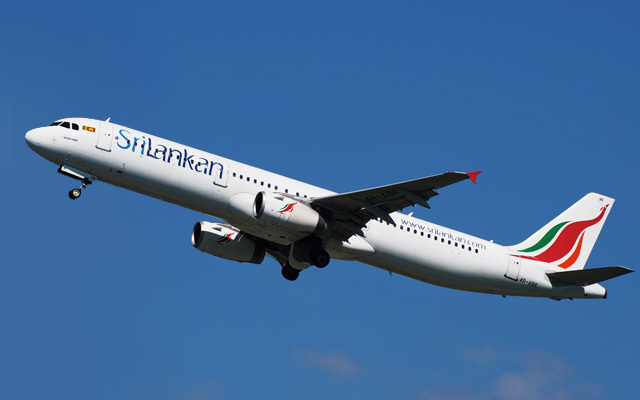
SriLankan Airlines is aiming to recruit 80 new pilots to replace lost headcount, with 30 hires set for this year and 50 more by mid-2025.

CEO Richard Nuttal said failure to fill the manpower gap would result in cancelled flights.

SriLankan Airlines aims to recruit 80 new pilots

The state-owned flag carrier has lost about 50 to 60 pilots within the past 10 to 12 months.

Currently, there are 143 captains, including three females; 83 first officers; 26 junior first officers; and 14 cadet pilots undergoing training within the organisation.

Nuttal told the media that the airline has obtained government approval to recruit foreign pilots if required, and pointed to “a pool of skilled pilots available in South-east Asia and Northern Europe”.

When asked if hiring conditions have been improved for pilots, Nuttal told TTG Asia that terms have indeed been enhanced for both future hires and existing ones.

A new future for Saudi Arabia’s tourism sector

0

NEOM, meaning new future, is Saudi Arabia’s US$500 billion project being built from the ground up based on “liveability and sustainability” and where a futuristic luxury travel destination is rising.

Located on the Red Sea in the north-west, NEOM will feature hyperconnected, cognitive cities, ports and enterprise zones, research centres, sports and entertainment venues.

NEOM’s Niall Gibbons recently visited Singapore, South Korea and India as part of the Discover NEOM Asia Tour, and will head to Japan next (Photo: Caroline Boey)

Managing director of tourism, Niall Gibbons, visited Singapore as part of the Discover NEOM Asia Tour. He had already made stops in South Korea and India, and will head to Japan next.

NEOM, he remarked, had identified 16 trade shows including those organised by ITB, WTM and ILTM to “build trade relations” and most recently attended ITB China in Shanghai.

The destination comprises 468km of coastline and spectacular islands, scenic snow-capped mountains reaching up to 2,600m, views across the Gulf of Aqaba and the Red Sea, and idyllic and peaceful desert expanses.

According to a NEOM statement, Sindalah – a multifaceted island featuring world-class design combined with nature to offer a luxury eco-experience – has partnered prestigious BWA Yachting as the Red Sea’s first superyacht destination.

The world’s superyachting clientele is expected to arrive from 1Q2024, the statement added.

In addition, Gibbons shared that a proposal had been put up to establish an airline for NEOM, and NEOM Bay Airport was being expanded to meet international demand.

NEOM’s tourism statutory board, he noted was tasked to oversee regulation and planning, destination development, sales and marketing and digital development and the creation of an app to provide a seamless booking platform experience.

NEOM is the vision of crown prince Mohammed bin Salman, and is one of the most important projects in Saudi Arabia’s Vision 2030 which plans to grow and diversify the Saudi economy and position the country to play a leading role in global development.

Si Thep’s designation as a UNESCO heritage site raises capacity concerns

0

At the UNESCO World Heritage Committee’s 45th session in Riyadh on September 19, Si Thep Historical Park in Phetchabun Province achieved World Heritage site status, showcasing years of effort by Thai conservationists.

This accolade, however, has also sparked concerns over the site’s capability to manage increased tourist footfall due to its limited infrastructure.

Si Thep Historical Park has been named a UNESCO World Heritage site

Marking Thailand’s first cultural inclusion in the UNESCO list in 31 years, Si Thep joins Ayutthaya, Sukhothai, and Ban Chiang – which was added in 1992 – bringing the total of Thai UNESCO cultural sites to four, and the total number of Thai World Heritage sites to seven, the other three being natural heritage sites.

Thapanee Kiatphaibool, governor of the Tourism Authority of Thailand (TAT), praised the acknowledgment, attributing it to the relentless endeavours of individuals dedicated to preserving Thai heritage and culture, conveying that she hopes this distinction will catalyse further interest and conservation efforts for the site.

Si Thep, often overshadowed by its more illustrious counterparts Ayutthaya and Sukhothai, houses Dvaravati and ancient Khmer-style remnants of ancient Phetchabun dating back to the 11th century.

As for the concerns, park head Sittichai Pooddee told AFP that the site is nearing its daily capacity of 2,000. Other areas of concern include possibilities of looting, as well as current boundary and zoning disputes affecting local residents.

Pacharaporn Panomwon Na Ayutthaya, a lecturer at Chulalongkorn University, also warned of the site’s unpreparedness for a visitor surge and highlighted the pressing need for essential infrastructure upgrades such as better waste management, improved roads, and parking for tour buses. She emphasised the immediate need for proactive conservation efforts and infrastructure enhancement to preserve the site’s integrity and accommodate future visitors effectively.

Located approximately a five hours’ drive from Bangkok, Petchabun province is renowned for its temperate climate and mountainous terrain which has led to it being referred to as the ‘Switzerland of Thailand’. The province was featured in the TAT’s 2018 Green Travel Guide, promoting sustainable travel to hidden gems in the lower north of Thailand.

Initiatives are underway to propose at least six additional sites in Thailand for UNESCO recognition, including Phu Phra Bat historical park in Udon Thani, backed by the Department of Cultural Promotion, and Kru Ba Sri Wichai, backed by the Department of Religious Affairs.

Aman Group secures further investment, plans to expand globally

0

Aman Group is poised to expand globally after securing a further investment of US$360 million on top of its existing investment of US$900 million from Public Investment Fund and Cain International, bringing the company value to US$3 billion.

The second investment comes from a group of strategic partners, including Mubadala Capital, the asset management subsidiary of Abu Dhabi’s Mubadala Investment Company, and Alpha Wave Ventures, a private equity growth fund co-managed by Alpha Wave Global and Chimera Capital.

Aman Group plans to expand globally after securing a further investment; Amanpuri beach resort in Thailand, pictured

The future commitments from this strategic group of investors will support the company’s ongoing global expansion, securing future Aman and Janu projects, and new brand development.

Speaking on the investment, Vlad Doronin, owner, chairman and CEO of Aman Group, said: “My long-term strategic vision has been to create ecosystems which centre on the complete Aman lifestyle both in urban destinations and resort settings. The proven success of this model, while always retaining the brand’s DNA, has resulted in a diverse pipeline which will enable us to continue to create unparalleled experiences for our guests and owners.

He continued: “The validation of Aman’s strategy by prominent investors in regions where we have considerable expansion planned enables us to leverage the extraordinary potential of the Aman brand and accelerate the pipeline to deliver sustainable growth.”

Aman currently has a collection of 34 hotels across 20 countries, 12 of which include Aman Branded Residences, with a robust pipeline of further hotels and residences projects under construction in countries including the US, Japan, Mexico, South Korea, Saudi Arabia, and several European destinations.

Meanwhile, the group’s sister-brand, Janu, will launch its flagship destination, Janu Tokyo this winter.

Make way for wellness

0

Wellness has become a big aspect of travel for people, with expectations ranging from the simpler outdoor walks in nature to more scientific approaches to rejuvenation.

This has inspired NTOs and stakeholders in the travel and health space to come up with innovative offerings to win over travellers.

The Singapore Tourism Board’s (STB) Wellness Tourism Roadmap identifies key strategies and initiatives to develop the city-state’s wellness offerings.

In its effort to become a leading urban wellness haven, STB partners with global fitness and wellness aggregator ClassPass to promote Singapore’s wellness offerings on the platform.

Wellness Festival Singapore (WFS) was launched last year and the second edition hosted this year, to promote and increase the accessibility of Singapore’s wellness repertoire. WFS is organised by STB in collaboration with Enterprise Singapore, Health Promotion Board, National Arts Council, Sentosa Development Corporation, and Sport Singapore.

Held at Marina Bay Sands (MBS) from June 17 to July 9, this year’s event was bigger than the last. There were altogether more than 180 wellness activities across Singapore, focusing on fitness, mental and emotional health, as well as lifestyle offerings. In 2022, the event offered 130 activities.

The second edition of Glow Festival also materialised in February. It debuted in 2019, drawing a crowd of 15,000 active participants to Sentosa, but was disrupted by the pandemic in the subsequent years.

The home-grown festival, supported by STB and MBS, focuses on wellness activities, with the 2023 programme comprising workshops designed and conducted by wellness experts, in-person and digital experiences, and a line-up of international celebrity fitness instructors.

Among the highlights were a multi-sensory studio space by Kingsmen, which spans the size of four tennis courts; and The Glow app, which gamified fitness challenges island-wide.

Martin Capstick, chief executive of Exceed Sports & Entertainment and founder of Glow Festival, said: “Mental, physical, and emotional well-being are at the core of Glow Festival 2023’s messaging. We want to inspire festival goers to adopt new practices to live happier and healthier lives and present them with a truly unique opportunity to unwind.”

Over in Thailand, wellness tourism takes on a unique angle. The country became the first in South-east Asia to legalise the production, import, and export of cannabis for medical purposes in 2018. The plant is said to help relieve stress, reduce fatigue, increase appetite, encourage deeper sleep, stimulate the intestines, and soothe inflamed skin.

This led to a rise in cannabis treatments available at various hospitality businesses. For example, Panpuri Wellness, a luxury spa in Bangkok, offers Holistic Cannabis Wellness Experiences while spas within Anantara hotels utilise cannabidiol oil – the second most active ingredient in cannabis – in some of its treatments. Anantara Chiang Mai Resort even serves up “healthy and nutrition-rich” cannabis-infused dishes at its Service 1921 restaurant.

AWMI hopes to strengthen Indonesia’s reputation in herbal medicine and make it more accessible to tourists

In an earlier interview with TTG Asia, Chunxia Gao, group director of spa & wellness at MSpa International for the Asia region, opined: “There is growing interest in the therapeutic benefits of CBD (cannabidiol oil). With CBD safety guidelines ensuring the quality of the products, we can only foresee great success in CBD-infused products, superfood choices, and CBD spa and wellness experiences.”

On a broader scale, Tourism Authority of Thailand (TAT) initiated the Amazing Thailand, Amazing New Chapters: Thailand Meaningful Wellness project to raise the profile of Thailand’s vast selection of health and wellness travel products and services. Within this broad project is the Discover the New You campaign, launched in July this year with the support of more than 130 leading health, wellness business operators, hotels, wellness resorts and spas, as well as hospitals and specialised clinics. A range of products, from wellness stays at resorts to health check-ups, is created for this.

TAT expects the campaign to attract more than 3,000 new tourists to Thailand and generate over 18 million baht (US$528,859) by this September.

These developments are expected to power up Thailand’s wellness tourism advantage. According to the Global Wellness Institute’s The Global Wellness Economy: Thailand report, published in September 2022, Thailand is the fourth largest wellness tourism market in Asia, after China, Japan, and India. Its wellness economy in 2020 was worth US$29 billion. Thailand also ranks 17th globally for Traditional & Complementary Medicine.

In Malaysia, more than 10 million travellers from around the world have visited the country for healthcare purposes in the last decade, contributing over 9.2 billion ringgit (US$2 billion), according to Malaysia Healthcare Travel Council (MHTC).

Healthcare travellers visiting Malaysia peaked at 1.22 million in 2019, contributing 1.7 billion ringgit in earnings. As the country recovers from the impact of Covid-19, healthcare arrivals are back up to 850,000 in 2022, while revenue was 1.3 billion ringgit.

Explaining Malaysia’s allure for healthcare services, Musa bin Yusof, deputy director general, promotion, Tourism Malaysia, said: “Our facilities are world-class (and) easily accessible. We are multicultural and multilingual, so there is no language barrier, and services are value for money as we charge in Malaysian ringgit.”

He added that healthcare visitors are well supported with customs clearance via a dedicated immigration lane, airport meet-and-greet, and access to a special lounge for arranged transport to their hospital.

Anantara Chiang Mai Resort serves up cannabis-infused dishes

To advance the country’s healthcare tourism sector, MHTC launched the Malaysia Healthcare Travel Blueprint 2021-2025. It aims to sharpen the travel ecosystem and the Malaysia healthcare brand, and deepen market reach. A revenue target of 1.7 billion ringgit is set for 2025.

As part of the blueprint, Malaysia introduced its flagship Medical Tourism Hospital Programme, which is expected to play an important role in transforming the healthcare environment. Four hospitals have been appointed for this – National Heart Institute, Island Hospital, Mahkota Medical Centre, and Subang Jaya Medical Centre.

Indonesia is, too, deepening its development of health and wellness tourism. While Balinese and Javanese massage often come to mind among travellers in search of a relaxing holiday in the country, Indonesia has far more to offer.

The Ministry of Tourism and Creative Economy (MoTCE) and the Ministry of Health are collaborating to expand the country’s health and wellness offerings.

Aligned with the government’s direction, the Indonesia Medical Tourism Association (AWMI) is now developing medical tourism in rural areas.

Taufik Jamaan, chairman of AWMI, said the association’s work had started in late-2022, and ongoing efforts include collaborating with food processing trainers to ensure hygienic food processing.

AWMI is also embracing digitalisation through the implementation of the Community Telehealth Pavilion (ATM Health). This solution, linked to the Ministry of Health, allows travellers to conveniently check their blood pressure, cholesterol levels, blood sugar, and oxygen saturation.

“For instance, before embarking on a mountain climb, individuals can assess their health condition using ATM Health,” Taufik explained.

The portable nature of ATM Health, which resembles a suitcase, gives it mobility and ease of use in tourism villages.

Taufik explained that AWMI’s role extends beyond medical tourism promotion, as it also actively develops businesses avenues, educates the public, and conducts research on herbal resources across the country. It recently welcomed the Association of Indonesian Herbal Medicine Doctors as a partner in its medical endeavours.

Looking ahead, AWMI aims to establish downstream processes to ensure that the community can benefit from research findings. By leveraging research outcomes, it plans to develop various products, such as supplements, powders, herbs, and beverages, which will strengthen Indonesia’s reputation in herbal medicine.

At present, it is collaborating with pharmaceutical companies on the verification of herbal medicine by the National Agency of Drug and Food Control and to make herbal medicine more easily accessible to tourists.

International tourism swiftly overcoming pandemic downturn: UNWTO

0

According to the latest data from UNWTO, international tourism has continued to recover from the worst crisis in its history as arrival numbers reached 84% of pre-pandemic levels between January and July 2023.

The Middle East, Europe and Africa lead the global sector’s rebound.

The UNWTO World Tourism Barometer showed that international tourist arrivals reached 84% of pre-pandemic levels by the end of July

Tourism on track for full recovery
Tourism demand continues to show remarkable resilience and sustained recovery, even in the face of economic and geopolitical challenges. The new issue of the UNWTO World Tourism Barometer tracks the sector’s recovery over the course of 2023 up to the end of July.

The UNWTO Barometer revealed that by the end of July, international tourist arrivals reached 84% of pre-pandemic levels, with 700 million tourists having travelled internationally between January and July 2023, 43% more than in the same months of 2022.

It also showed that July was the busiest month with 145 million international travellers recorded, about 20% of the seven-month total.

UNWTO secretary-general Zurab Pololikashvili said: “UNWTO data once again shows how tourism is recovering strongly in every part of the world – but as our sector recovers, it also needs to adapt. The extreme weather events we have witnessed over recent months as well as the critical challenges of managing increasing tourism flows underline the need to build a more inclusive, sustainable and resilient sector, and ensure recovery goes hand-in-hand with rethinking of our sector.”

Results by region
All world regions enjoyed strong rates of tourism recovery over the first seven months of 2023, driven by demand for international travel from several large source markets.

The Middle East reported the best results between January and July, with arrivals 20% above pre-pandemic levels. The region continues to be the only to exceed 2019 levels so far.

Europe reached 91% of pre-pandemic levels, supported by robust intra-regional demand and travel from the US.

Africa recovered 92% of pre-crisis visitors this seven-month period and the Americas 87% according to available data.

In Asia and the Pacific, recovery accelerated to 61% of pre-pandemic arrival levels after the opening of many destinations and source markets at the end of 2022 and earlier this year.

The UNWTO World Tourism Barometer contains results by region, sub-region and country, including best-performing destinations in terms of international arrivals and receipts over the first seven months of the year.

Looking ahead
These results show international tourism remains well on track to reach 80% to 95% of pre-pandemic levels in 2023. Prospects for September to December 2023 point to continued recovery, according to the latest UNWTO Confidence Index, though at a more moderate pace following the peak travel season of June to August. These results will be driven by the still pent-up demand and increased air connectivity particularly in Asia and the Pacific where recovery is still subdued.

The reopening of China and other Asian markets and destinations is expected to continue boosting travel both within the region and to other parts of the world.

The challenging economic environment continues to be a critical factor in the effective recovery of international tourism in 2023, according to UNWTO’s panel of experts.

Persisting inflation and rising oil prices have translated into higher transport and accommodations costs. This could weigh on spending patterns over the remainder of the year, with tourists increasingly seeking value for money, travelling closer to home and making shorter trips.