TTG Asia
Asia/Singapore Wednesday, 24th December 2025
Page 382

Marriott signs three properties in Vietnam

0

Marriott International will introduce three new luxury resorts in Vietnam, with the debut of two new brands into the country – Ritz-Carlton Reserve and The Luxury Collection on the tropical paradise of Hon Thom Island in Phu Quoc – and Vietnam’s third JW Marriott Hotel set for Trang An, in northern Vietnam.

Slated to open in 2028, JW Marriott Trang An Resort & Spa will feature 150 rooms and suites, plus a collection of 35 one- and two-bedroom villas, with options for private pools. Plans for the resort also include two restaurants, a café, lobby lounge and two bars, two pool zones, spa, fitness centre, kids’ club, recreational activity centre, ballroom and two meeting rooms.

Artist’s impression of The Luxury Collection Resort, Hon Thom Island, which will open in 2029

The Luxury Collection Resort, Hon Thom Island is scheduled to open in 2029 with 305 rooms and suites. Facilities will comprise two pool areas, kids’ club, activity centre, fitness centre, spa, restaurants and bars, as well as event venues.

Anticipated to open in 2028 and slated to be designed by Bill Bensley, Ritz-Carlton Reserve, Hon Thom Island is will offer a curated collection of 40 pool villas, two resort pools, spa, salon, fitness centre, restaurants, bars and meeting spaces. In addition, the resort will also feature Jean-Michel Cousteau’s Ambassadors of the Environment educational programme for kids.

Singapore Grand Prix 2024 sees overwhelming demand for tickets

0

With Early Bird tickets to the Formula 1 Singapore Airlines Singapore Grand Prix 2024 already sold out, Singapore GP will start sales of regular priced tickets earlier than originally planned to November 1 to meet the demand.

Sales across all hospitality categories have also been equally strong, with dedicated suites at the Formula 1 Paddock Club, Sky Suite, and Lounge@Turn 3 for next year’s race almost fully taken up.

Regular priced tickets will be up for sale earlier than originally planned due to high demand (Photo: Singapore GP)

All tickets to the Formula 1 Singapore Airlines Singapore Grand Prix 2024 provide access to the concerts at the Padang Stage in Zone 4.

“After a record year in 2023, interest across all hospitality products remain extremely strong. With a return rate of over 70 per cent, many categories are already close to selling out for 2024,” said Shamini Suppiah, director of hospitality and sponsorship sales, Singapore GP.

Alii Palau Airlines commences Singapore-Palau service

0

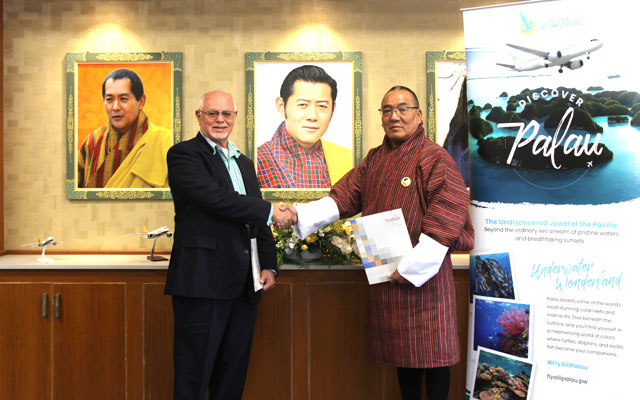
Alii Palau Airlines will launch a new route directly connecting Singapore to Koror, Palau, on November 23.

Operated by Royal Bhutan Airlines (Drukair), the national carrier of the Royal Government of Bhutan, this new service will connect three destinations – Bhutan, Singapore and Palau.

The Singapore-Koror service will be operated by Royal Bhutan Airlines

The five-hour flight will be operated on the Airbus A320neo, flying once a week on Thursdays from November 23 to December 20. From December 21, flights will be increased to twice-weekly on Thursdays and Sundays.

Asia gets more of Philippine NTO’s love

0

Tourism Promotions Board (TPB), the marketing arm of the Philippine Department of Tourism (DoT), is focusing on ever-changing Asia where most of its key source markets are.

Of the 13 key markets bringing more than 100,000 tourists a year, eight are in Asia: South Korea, China, Japan, Taiwan, Singapore, India, Malaysia and Hong Kong. The rest are longhaul: the US, Canada, the UK, Germany and Australia.

Philippines’ Tourism Promotions Board is shining the spotlight on hidden ecotourism gems, such as Ilocos Norte, pictured

“While strengthening existing relationships, especially post-pandemic, remains a priority, we are committed to maximising our potential in key strategic markets,” TPB chief operating officer Maria Margarita Nograles told TTG Asia.

In South Korea, the Philippines has “transitioned from targeting honeymooners and English-as-second-language (ESL) consumers to focusing on families and FITs”.

It is also “expanding MICE opportunities” from South-east Asia, and has stepped up focused efforts on India with a roadshow across four Indian cities, concentrating on luxury travel, destination weddings, and corporate incentive trips.

Nograles also noted Vietnam’s potential. Recent market profiles show that over half of Vietnamese tourists visit the Philippines for vacation and pleasure, and the rest for friends and relatives.

Given these market insights, TPB is integrating the new brand campaign, Love the Philippines “into international shows and media efforts, with plans to expand its reach further”, Nograles said.

While tourist favourites Boracay, Cebu, Bohol, Palawan and Manila are taking off with direct international flights, TPB is also shining the spotlight on hidden ecotourism gems of Ilocos Norte, Cotabato’s waterfall network, Antique’s pristine beaches, and Tawi-Tawi’s stunning shores.

TPB has allocated a 1.2 billion pesos (US$212 million) budget for this fiscal year – a modest sum when compared to its extensive responsibilities.

However, as a testament to its remarkable efficiency and resourcefulness, Nograles said that to date, “TPB has organised, participated and supported 200 programmes, events and tours generating over five billion pesos in sales leads and 690 million pesos in media value on advertising and PR exposure for the country all over the world”.

Malaysian tourism thrives amid weak ringgit

0

Malaysian inbound players have reported improved business prospects this year, as the weak ringgit grants travellers greater buying power.

The ringgit has weakened substantially against the US dollar, declining by more than 10 per cent since the start of 2022. It has also weakened when measured year-to-date against other major currencies such as the euro, pound sterling, Japanese yen, and Singapore dollar.

Access to Sibu has been aided by AirAsia’s direct flights from Singapore

Anthea Yeo, director of sales and marketing at Grand Margherita Hotel & Riverside Majestic Hotel in Kuching, said she was seeing increased volumes of group tours out of eastern Europe.

She shared: “In the past, group sizes were around 15 people. Now we see 20 people or more in a group.”

Ling How Kang, managing director of Sibu-based Greatown Travel, revealed that many Singaporeans visiting Sibu are now purchasing additional luggage before departing, just to stow their haul from shopping sprees in Sibu — local food products and handcrafted items are popular.

He said Sibu is still considered a new destination for Singaporeans, and access is aided by AirAsia’s direct flights launched in December 2022.

He said: “In 2H2023, we’ve observed a growing interest among Singaporeans to visit Sibu. The number of travel groups has surged, and group sizes have expanded from 10 to 12 during the initial flights to groups numbering in the 20s and 30s. Forward bookings are also looking promising.”

Hannah Choo, director of sales, CPH Travel Agencies (Sarawak), noted that although her Italian guests still prefer budget accommodation, they are enriching their itineraries with more nature-based tours.

Meanwhile, Rosmawati Sayuti, the proprietor of Bayu Lestari Island Resort in Johor, disclosed that her 21-room resort successfully hosted two private weddings for guests from Australia and New Zealand this year, with organisers reserving the entire resort for those occasions. Furthermore, a television production team from Sweden has reserved the entire resort for a three-month period in the coming year.

According to Rosmawati, the devaluation of the ringgit has contributed to making the destination even more appealing to international visitors.

Sunshine Coast Airport installs navigation app to improve passenger accessibility

0

Sunshine Coast Airport (SCA) has become Australia’s first airport to install digital accessible wayfinding solution BindiMaps in a bid to help its 1.62 million annual passengers seamlessly navigate its facilities.

The BindiMaps technology was designed with input from hundreds of users who are blind or vision-impaired to ensure the highest possible levels of accessibility and inclusivity, making its installation by SCA an important step on the airport’s journey to become more accessible.

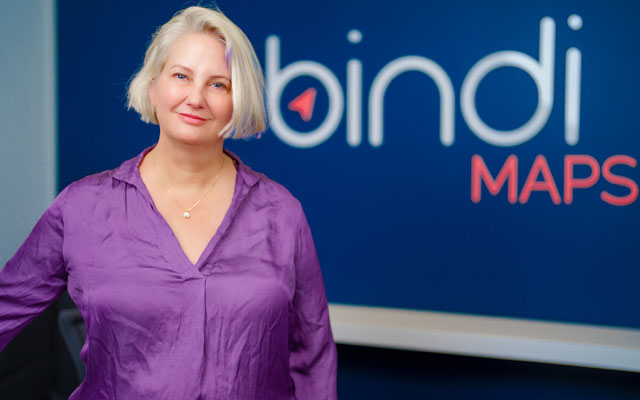
Wright: BindiMaps will help passengers navigate to boarding gates and security

The BindiMaps app uses a network of Bluetooth beacons and smartphone sensors to offer users a choice of text, map view, or audio directions that guide users through the airport using accurate, real-time, and step-by-step directions to any destination.

SCA general manager operations Kate McCreery-Carr said BindiMaps would empower all passengers, staff and visitors to feel confident when navigating the terminal, helping remove barriers while also laying the foundation for future growth.

She said: “Our goal is to create a more accessible airport for our community, where all passengers feel welcome, included, and confident when travelling.

“While the technology can be used by anyone, the benefits it will provide to passengers and visitors who are blind or visually impaired will be significant, allowing them to precisely navigate our terminal with greater ease and accuracy from the moment they enter, to the moment they leave.”

She pointed out that BindiMaps can be adapted as needed, and maps, routes and other relevant passenger information can be updated.

The installation of BindiMaps coincides with Queensland’s Year of Accessible Tourism, a campaign aimed at recognising the importance of accessible tourism experiences and creating opportunities for business.

McCreery-Carr said SCA was the gateway to the region, and the partnership with BindiMaps would help better cater to visitors of all abilities, and would “lay the foundation for a more accessible and inclusive future” for the entire aviation industry.

BindiMaps CEO and founder Anna Wright said: “BindiMaps will not only help passengers navigate to obvious places like boarding gates and security, it will also minimise the staffing burden of personalised assistance, manage congestion, and reduce late arrivals at the gates.”

She further explained: “BindiMaps functions a bit like Google Maps, but with 10 to 20 times greater accuracy than the Google satellites and GPS, which can only pinpoint location to around 20 metres compared to one-to-two metres indoors for BindiMaps.”

In addition, the company also won a worldwide tender with Budapest Airport to offer digital accessible wayfinding services to its 12+ million passengers annually as part of Europe’s Danova project providing audio navigation solutions for people with low vision and blindness.

Evolving global traveller attitudes and preferences: Skyscanner

0

Skyscanner has published a new report exploring the latest trends in global travel. Titled Skyscanner Horizons: 2023/4 destination and booking insights, the report unpacks and explores a combination of consumer survey and proprietary search and booking data to provide a unique view of how travellers are thinking about their plans for the next 12 months.

Survey data from 18,000 consumers in 15 markets reveals insights about key indicators such as travel propensity, spend, trip type, mobile device actions and the trip planning process, including the top sources of destination inspiration.

The report showed that 42% of travellers plan to travel more in 2024

For travel planning, the report showed a positive outlook for 2024 in terms of travel demand, with 42% of travellers planning to travel more and 39% planning to spend more. Tops flight ancillary requests include insurance, seat selection, food, baggage, and lounge, where 20% of travellers surveyed indicated a willingness to upgrade to business or first class.

Airfares (30%) and hotel (21%) costs are the biggest decision-making factors in travel, and it was found that travellers highly engaged on mobile devices in the travel planning and booking process – researching destinations (48%), comparing flight and hotel options (47%), booking (40%), and a fifth (22%) having used an AI chatbot.

Cultural experiences top the 2024 agenda, with destination choice influenced not by just the weather (60%), food (58%) and culture (54%), but the overall vibe (41%). Globally, YouTube is the top source of travel inspiration, followed by word-of-mouth recommendations (35%) and Instagram (33%), as well as guidebooks (27%) and TikTok (21%).

In addition, Skyscanner has identified seven travel vibes and trip types that travellers are seeking in 2024 – gig tripping, main character energy, budget bougie foodie, destination zzz, analogue adventurers, celebration vacationers and lux-for-less seekers.

As for booking, Europe, the Middle East and Africa (EMEA) travellers are booking flights further in advance, with most booking over 90 days ahead for both shorthaul and longhaul trips; meanwhile, Asia-Pacific travellers show greater volatility in shorthaul booking windows compared to other regions. For longhaul flights, there’s been a surge in last-minute bookings.

Trending destinations for EMEA travellers include Rayong (Thailand), Ouarzazate (Morocco), Pristina (Kosovo), and Klagenfurt (Austria), while for Asia-Pacific travellers, six destinations in Japan dominate the top 10 list.

The report also features commentary from industry thought leaders such as Hugh Aitken from Skyscanner, and Nick Hall of Digital Tourism Think Tank.

“Airlines continue to restore and re-orientate their global networks to meet traveller demand. At the same time, travellers in many markets are signalling a willingness to upgrade their fares and build customised itineraries that provide them with the best value,” said Hugh Aitken, vice president, strategic relations and development, Skyscanner.

Nick Hall, CEO of Digital Tourism Think Tank commented: “High travel propensity means destinations must focus on values and experiences. With travel spend a key priority for consumers globally, destinations, along with their industry partners, must focus on value proposition more than ever. Honing in on what sits at the very core of the destination’s brand values is key to winning travellers’ hearts. Yet, driving demand, with timely product proposition, is key to shaping decisions.”

The Skyscanner Horizons: 2023/4 report can be viewed here.

Velocity Ventures, Korea Tourism Organization support tourism start-ups

0

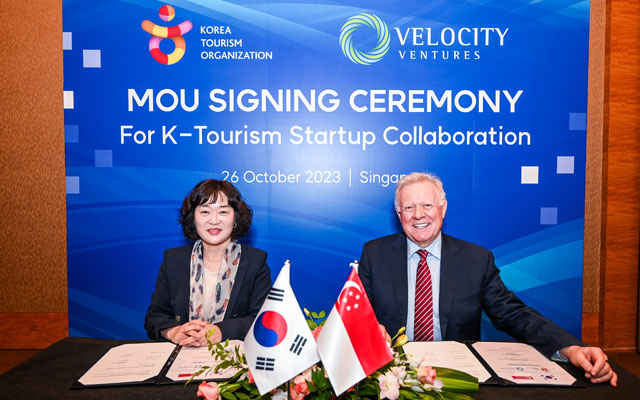
Velocity Ventures, a Singapore-based hospitality and travel-focused venture capital firm, has partnered with Korea Tourism Organization (KTO) to support companies working with the Korea Tourism Startup Center (KTSC) in Singapore to expand their footprint across South-east Asia.

The first South Korean tourism start-up to benefit from this is Tripbtoz, a Web3 based OTA that integrates community and commerce features with user-generated short-forms serving a market that is gravitating towards video content.

From left: KTO Singapore’s Kim Young Hee and Velocity Ventures’ Patrick Imbardelli

Tripbtoz’s travel video ecosystem aggregates user generated content (UGC) video reviews of hotels and tourist attractions created by travellers, rewarding users with loyalty currency and discount coupons when bookings are made via referral links.

“With a major mobile app redesign scheduled for later this year, we plan to fully localise our sales and marketing through the establishment of an entity to oversee the South-east Asia market,” said Jiha Jung, CEO and founder of Tripbtoz.

“We have direct contracts with 3,000 hotels in South Korea and Japan and our next stage of growth is to expand our reach and help hotels in South-east Asia engage with our user communities. Travellers can use Tripbtoz at every stage of their travel – from travel inspiration to reviews or to upload memories.”

Nicholas Cocks, managing partner at Velocity Ventures, commented: “By supporting these dynamic (South) Korean tourism start-ups spearheading technological advancements here in South-east Asia, we hope that they can help solve the biggest pain points in the industry. Embracing change isn’t just a choice; it’s the path to shaping the future of travel.”

Since its inception in 2020, over 90 South Korean start-ups have participated in KTO’s Tourism Startup Global Challenge Programme, an initiative designed to empower South Korean tourism start-ups to venture into overseas markets, receive grants and industry support to unlock access to business partners.

Gulf Air expands into China

0

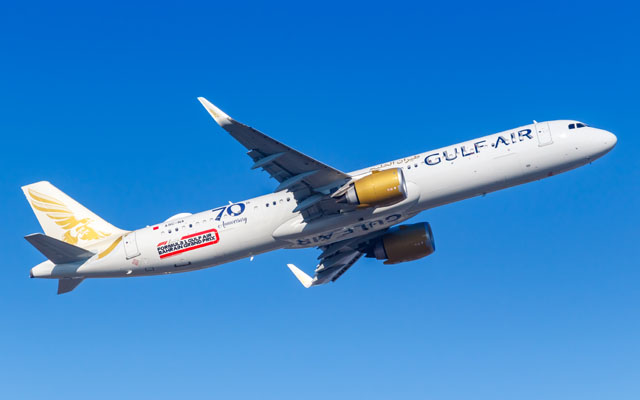
Gulf Air will extend its operations into China in January 2024, bolstering its Asia-Pacific presence and supporting connectivity under the One Belt One Road initiative of China.

Bahrain’s national carrier’s introduction of flights to Guangzhou and Shanghai will strengthen the bilateral trade and tourism relations of over 30 years.

Gulf Air will extend its operations into China from January next year (Photo: Markus Mainka)

The schedule has been built to ensure convenient connections between China and destinations served by Gulf Air in the Middle East and Europe, and between these destinations and China.

The art of selling Sarawak

0

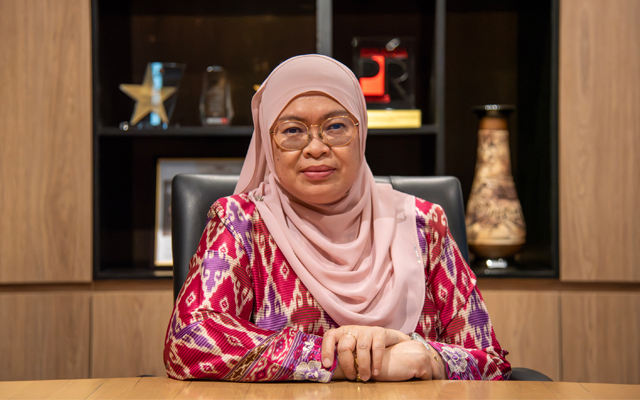
What are Sarawak Tourism Board’s activation strategies to keep Sarawak a top-of-mind destination for regional and international travellers?
We have employed a ‘build back better’ approach to ensure tourism will bounce back post-lockdown.

Our main focus is domestic tourism, in which we introduced Sia Sitok Sarawak (which translates to ‘here’ and ‘there’ in local dialect), a home-grown travel and accommodation campaign to boost local tourism during the pandemic. The campaign ran from 2020 to 2022, and has managed to amass a total revenue amount of 11.2 million ringgit (US$2.4 million) to help energise Sarawak tourism stakeholders towards reinvigorating the industry on the right recovery path.

When Malaysia opened her international borders in April last year, Sarawak Tourism Board (STB) revisited some pre-pandemic promotional and marketing initiatives through participation in major consumer trade and consumer travel fairs both locally and internationally, such as MATTA Fair in Kuala Lumpur, ITB Asia 2022 in Singapore, and World Trade Market in London last year.

What initiatives has STB taken to rebuild and improve air accessibility into the state?
Air accessibility has long posed a challenge for the state of Sarawak, impacting its economy and its ability to attract tourists, investors, and businesses from abroad. To address this issue, STB has actively collaborated with airline companies to enhance air connectivity.
These collaborations aim to increase the frequency of existing flights to the state and establish partnerships with local tourism stakeholders. These partnerships result in enticing travel packages that encompass both flights and accommodation, effectively promoting Sarawak’s unique cultural and natural beauty through its primary gateways, namely Kuching, Sibu, and Miri.

The efforts have yielded positive results. Direct flights from Singapore and Indonesia have become available, significantly impacting visitor arrivals from these neighbouring countries.
In 2022, the number of Singapore arriving during the January to July period was only 9,898. However, in the same time frame in 2023, this figure surged to 32,082. Likewise, for Indonesia, visitor arrivals from January to July in 2022 totalled 71,390, while in 2023, this soared to an impressive 306,591.

The Sarawak state government also recently announced plans to launch its boutique airline, expected to start operations by the end of this year or early next year – this will help stabilise airfares between the Peninsula and Borneo, and further attract international visitors to the state.

What initiatives are being implemented to advance sustainability and responsible tourism?
Today’s travellers are increasingly environmentally conscious, prioritising sustainable choices when planning their journeys. This is evident in emerging travel trends, particularly among Gen Z and millennial travellers, who actively seek eco-friendly destinations. This presents unique opportunities for Sarawak to highlight its abundant biodiversity.

Placing a high priority on its sustainability agenda, Sarawak boasts an impressive portfolio of over 60 gazetted Total Protected Areas, including 47 national parks, 15 nature reserves, and five wildlife sanctuaries.

One noteworthy example of STB’s commitment is the iconic Rainforest World Music Festival, which epitomises responsible tourism. Beyond celebrating Sarawak’s musical heritage, the festival serves as a platform to promote responsible practices. These include a long-standing ban on single-use plastic bottles, an emphasis on reusable water bottles, water refill stations onsite, and the use of seed paper for identification tags – paper that contains seeds capable of growing when planted in soil.

Additionally, the festival offers a free shuttle bus service to reduce carbon emissions associated with transportation to and from the festival grounds.

In May 2023, STB and the Sarawak Forestry Corporation signed a Memorandum of Understanding to launch a joint five-year tree planting programme under the ecoGreenPlanet initiative.

Furthermore, Sarawak’s affiliation with the UNWTO allows STB to actively participate in its ongoing efforts to unite stakeholders in the responsible tourism ecosystem, with a primary focus on sustainability in tourism.

What plans does STB have to promote rural tourism?
Over the years, Sarawak has been actively promoting its Community-Based Tourism (CBT) initiatives by collaborating with licensed and registered longhouses in rural areas that are committed to responsible tourism.

STB encourages the adoption of eco-friendly practices for products and services, as well as promotes the use of locally-sourced food and showcasing indigenous handicrafts and arts to provide visitors with an authentic Sarawakian experience.

Tourists participating in CBT programmes have the opportunity to stay with host families, enabling them to immerse themselves in the daily lifestyles of these communities and engage in various activities and authentic experiences.

What are your projections for the state’s regional and international tourist arrivals in the upcoming year?
Despite the global economic recession and ongoing political tensions, Sarawak’s tourism industry remains resilient and has displayed remarkable recovery in the post-lockdown period.

In 2022, Sarawak welcomed a total of 2.02 million visitors, generating tourism receipts amounting to 4.96 billion ringgit.

From January to August 2023, Sarawak has already received 2.59 million visitors, contributing 6.58 billion ringgit in tourism receipts.

Building on this promising trend, Sarawak is confident of surpassing its initial target of three million visitor arrivals by early 2023 and is poised to reach an impressive 3.89 million visitors by the end of 2023.

With this robust growth anticipated in 2023, Sarawak aspires to return to its pre-pandemic levels of tourism performance by 2024.

How will STB be tackling the European and South-east Asian travel markets?
We aim to leverage the European visitors’ growing interest in sustainability and responsible tourism by showcasing Sarawak’s distinct cultural heritage, adventurous experiences, and natural wonders. Additionally, we are actively participating in prominent marketing events such as WTM London and ITB Berlin to promote Sarawak’s attractions and eco-friendly practices to the European audience.

In the South-east Asian market, we adopt tailored approaches for our three key countries: Brunei Darussalam, Singapore, and Indonesia.

In Singapore, our focus revolves around promoting gastronomy and leisure vacations.
For Brunei, our efforts are directed towards visitation for friends and family, while Indonesia sees a special emphasis on health tourism initiatives.

These market-specific strategies enable us to effectively cater to the diverse preferences and interests of travellers from these countries.

Visit Malaysia Year 2026 is coming. How will STB align with this campaign?
The STB will assume a pivotal role in positioning Sarawak as a leading eco-tourism destination in synergy with Visit Malaysia Year. Through strategic collaborations with local tourism stakeholders, STB aims to develop specialised tour packages that focus on Sarawak’s unique cultural experiences, eco-tours, adventure activities, and wildlife encounters.

The development of a successful tourism marketing strategy necessitates striking a balance between traditional and digital media channels, particularly with an eye on expanding into international markets. Leveraging the strengths of both approaches allows for reaching a broader audience, creating a lasting impression, and fostering engagement with potential visitors.

Furthermore, in the ongoing efforts to enhance Sarawak’s brand presence, it becomes imperative to harness emerging online platforms to extend the reach and reinforce Sarawak’s identity as the preferred eco-tourism destination. This strategic approach aligns seamlessly with the objectives of Visit Malaysia Year in 2026, making the most of digital avenues to elevate Sarawak’s appeal and visibility on a global scale.