TTG Asia
Asia/Singapore Monday, 22nd December 2025
Page 37

Jati names new GM

0

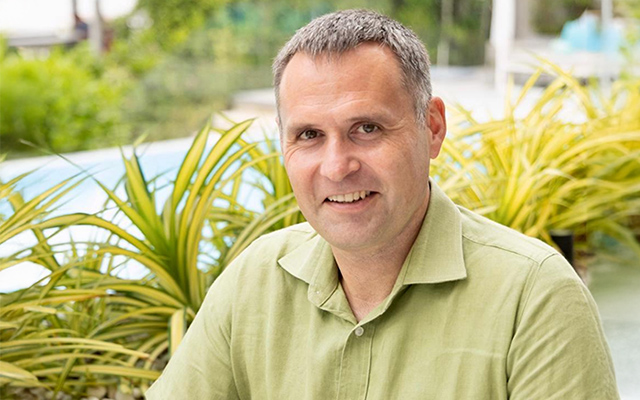
Stephan Rohrer has been appointed general manager of Jati, the private island retreat developed by the creators of Shinta Mani Hotels.

He brings more than 20 years of experience in hospitality and will oversee operations as Jati enters its first full high season.

Niall Cowan leads Carlton Hotel Singapore as GM

0

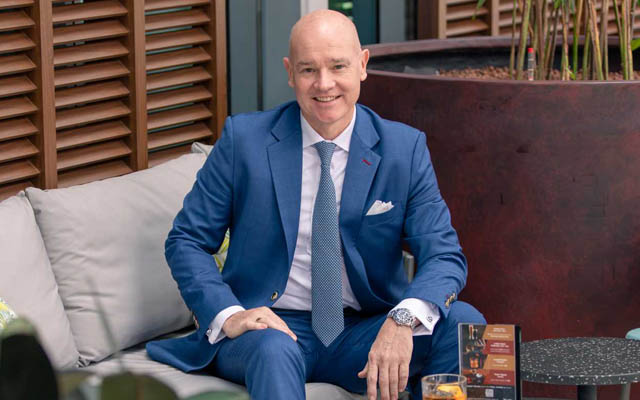
Carlton Hotel Singapore has appointed Niall Cowan as its new general manager, where he will oversee all hotel operations.

He brings over 20 years of international experience in luxury hospitality across Asia, Africa and Europe, having held senior positions at The Savoy and The Berkeley in London, Fairmont Mount Kenya Safari Club, and Fairmont Sanur Beach Bali.

MTF calls for stronger tourism budget ahead of Visit Malaysia Year 2026

0

The Malaysian Tourism Federation (MTF) has urged the government to provide a comprehensive tourism budget ahead of Visit Malaysia Year 2026 (VMY2026), emphasising that the industry needs stronger and broader support to be fully prepared.

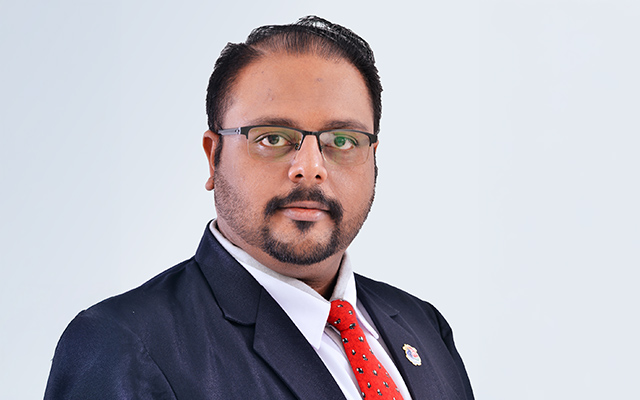
MTF president Sri Ganesh Michiel said that while current schemes such as the Cultural Sector Support Grant and the Tourism Sector Support Grant help industry players participate in fairs and cultural programmes, they are not sufficient to ensure readiness.

Ganesh said that fairs cannot succeed if players lack the funds to prepare effectively

He explained in a press statement: “Organising or joining fairs is good, but these platforms cannot succeed if players do not have the promotional materials, digital content, or quality products to showcase. Smaller operators, such as budget hotels and local tour agents, often lack the funds to prepare effectively. Without direct assistance, their potential remains under-utilised.”

The federation has proposed a Direct Promotion Grant for licensed tourism operators to help them develop branding, create promotional materials, and enhance their visibility in both local and international markets. It also underlined the urgent need for stronger digital marketing, including social media campaigns and e-marketplace presence, describing online exposure as “no longer optional but essential to reach global travellers”.

MTF also called for incentives for tourism associations, highlighting their role in mobilising members and coordinating promotions. Associations ensure compliance, coordinate collective promotions, and drive nationwide participation in tourism campaigns.

At the same time, it urged tougher enforcement against unlicensed operators, stricter measures to prevent revenue leakage, and full reinvestment of tourism tax collected at airports and other entry points into the tourism ecosystem.

“Malaysia must go further by empowering registered players, associations, media, and workforce with direct support, digital exposure, infrastructure development, and incentives,” said Ganesh.

The federation further proposed a Media Promotion Grant covering both traditional and digital platforms, to empower media partners as key allies in promoting Malaysia’s image worldwide, building international awareness, and ensuring the success of VMY2026.

It also stressed the importance of investing in human resources through training and certification of frontline staff such as hotel workers, guides, and drivers, as well as upgrading airports, transport systems, and facilities to create seamless travel experiences.

Indonesia broadens tax relief for tourism workers beyond Jakarta

0

Indonesia has extended tax relief for tourism workers beyond Jakarta to the rest of the country.

The relief, available until the end of 2025, shifts personal income tax payments to the state, allowing employees to retain more of their salaries while easing hotel cashflow. It applies to staff earning up to US$610 dollars per month and will run from October to December 2025.

Industry groups note that the new policy offers limited help as hotels continue to face weaker demand; Pangandaran in West Java, pictured

Airlangga Hartarto, coordinating minister for economic affairs, said the measure was aimed at easing pressure on hotels while protecting workers’ income as the industry adjusts to weaker demand.

“Tourism is still under strain, and this relief is meant to help sustain purchasing power while businesses manage through a fragile recovery,” he added.

Although industry players welcomed the tax relief, many remain cautious about how much impact it could deliver. The Indonesian Hotel and Restaurant Association (IHRA) reported that national hotel occupancy slipped 3.5 per cent in 1H2025 and has yet to recover in the following months.

Lower demand has translated into weaker income for staff, as hotels rely heavily on service charges to supplement wages.

“When occupancy falls, service charges disappear. Many staff are left earning only minimum wage, which already falls below the taxable threshold. For most employees, the relief does not really apply,” noted IHRA secretary general Maulana Yusran.

Dody Ahmad Sofiandi, IHRA chairman chapter West Java, said the policy largely benefits senior staff at high-end properties. “At present, the relief is mainly felt in five-star hotels where salaries exceed the taxable limit. For four-star hotels and below, it is usually only department heads who qualify,” he explained.

Dody stated that the value of the incentive remains modest compared with the earnings staff lost from service charges, which have largely disappeared.

Andhy Irawan, CEO of Mora Group, said the industry would benefit more from policies that drive demand than from temporary tax breaks. “Hotels need a replacement market, and international travellers can provide that,” he said.

He proposed reallocating state funds toward destination marketing to help revive secondary cities still struggling with low occupancy.

“Fiscal relief only scratches the surface. Without sustainable demand, hotels will continue to struggle. A stronger push for inbound tourism would offer the sector a lifeline that lasts beyond the current incentive,” added Andhy.

Writing Singapore’s next chapter in global tourism

0

Singapore’s tourism industry is at a pivotal moment. 2024 saw record receipts of S$29.8 billion (US$21.7 billion), with that number further projected to hit S$50 billion in the next 15 years, the city is now undergoing a bold transformation – evolving from a destination known for its iconic cityscapes into one that continually reinvents itself to attract travellers looking for fresh, premium experiences.

To shape its next chapter of tourism growth, Singapore is doubling down on innovation, sustainability, and partnerships, while ensuring that same growth continues to benefit both people and planet. This means going beyond building robust infrastructure to cultivate talents, deepen collaboration, as well as utilising tourism as a strategic tool to continue building the Singapore brand.

From transit hub to destination of choice
Over the past two decades, Singapore has transformed from a transit hub into a vibrant destination for immersive travel. The introduction of the Formula 1 night race in 2008 was a turning point, showcasing the city to a global audience and redefining its image as a cosmopolitan centre for business, culture, and entertainment. Today, Singapore is home to a dynamic calendar of concerts, festivals, and international sporting events that attract visitors from around the world.

This momentum is supported by a robust pipeline of infrastructure projects. The upcoming Terminal 5 at Changi Airport and the expansion of the Marina Bay Cruise Centre will enhance connectivity, while new entertainment venues including the Immersive Media Theatre at Gardens by the Bay and Marina Bay Sands’ 15,000-seat arena, will further elevate Singapore’s appeal as South-east Asia’s premier hub for live events.

Attracting major events to shore up tourism demand during lull seasons
Like most global markets, Singapore’s tourism industry experiences peaks and troughs throughout the year. Entertainment and MICE events are an opportunity to smooth out these fluctuations. By scheduling major events during traditionally inbound tourism lulls, Singapore can attract visitors with more competitive rates, helping to combat the perception of being an expensive city while ensuring hotels and airlines maintain healthy occupancy and load.

This approach is a win-win for all. Travellers benefit from better value, while the industry fills rooms, seats, and venues that might otherwise lay idle. More importantly, these events contribute to Singapore’s evolving brand as a destination that offers not just business efficiency, but also cultural richness, entertainment, and culinary excellence. This brand-building effect encourages not only first-time visits but repeat tourism turning one-time attendees into long-term fans and ambassadors.

Building the foundations for sustainable growth
To fully realise this vision, Singapore needs to address four key areas that will shape the future of its tourism sector.

1. Building and empowering a skilled tourism workforce
Singapore’s new facilities and elevated offerings demand a workforce that can deliver consistently exceptional service. As traveller expectations rise, the human touch becomes a critical differentiator.

Investments in hospitality education and upskilling are therefore essential. Partnerships with leading institutions can nurture a pipeline of talent equipped to meet the needs of modern travellers. Incentives for career progression and service excellence will also be key to attracting and retaining top professionals. By fostering a culture of lifelong learning and professional pride, Singapore can ensure that every visitor experience reflects its commitment to quality.

2. Differentiation in a competitive region
Across Asia, cities like Bangkok and Tokyo are stepping up their tourism game with new attractions and luxury offerings. To stand out, Singapore must focus on what makes it unique.

This includes curating signature events that showcase its multicultural heritage, embracing sustainability through eco-tourism initiatives, and leveraging technology to create seamless, personalised travel experiences. Hyper-local experiences such as neighbourhood food tours, community-led workshops, and heritage trails can offer travellers a deeper connection to the city and its people.

Singapore’s strength lies in its ability to blend innovation with authenticity. By doubling down on this formula, it can continue to attract discerning travellers seeking meaningful and memorable journeys.

3. Deepening industry ecosystem for heightened growth
Tourism is not a solo endeavour, it’s an ecosystem. Collaboration between companies and across sectors is essential to deliver integrated, resilient, and innovative experiences.

Singapore can lead by fostering partnerships between airlines, hotels, tech platforms, and local communities. Joint marketing campaigns, integrated booking systems, and shared sustainability standards can help create a more cohesive and compelling tourism offering. Public-private taskforces can also play a role in aligning goals and driving coordinated action across the industry.

By working together, stakeholders can unlock new opportunities and ensure Singapore remains agile in the face of global shifts.

4. Making tourism sustainable and inclusive for all
Finally, long-term tourism growth must be inclusive and environmentally responsible. Singapore has already made strides in this area, but there is room to go further.

Setting ambitious sustainability targets, such as expanding green certification for venues and incentivising low-carbon travel, will help position Singapore as a leader in responsible tourism. Supporting local businesses and community-based tourism initiatives can ensure that growth benefits all segments of society. Accessibility must also be prioritised, so that Singapore remains welcoming to travellers of all backgrounds and abilities.

By embedding sustainability and inclusivity into every aspect of its tourism strategy, Singapore can ensure that its success is both enduring and equitable.

A shared vision for the road ahead
Singapore’s tourism story is one of transformation, ambition, and resilience. But the next chapter will require more than infrastructure. It will demand bold ideas, strategic collaboration, and a deep commitment to people and planet. By investing in talent, differentiation, and sustainability, and by using events to balance demand and build brand equity, Singapore can set a new global standard for tourism.


Pan Pacific grows South-east Asia footprint with Parkroyal Serviced Suites Hanoi

0

Pan Pacific Hotels Group (PPHG) has launched Parkroyal Serviced Suites Hanoi, its third property in Vietnam and part of a series of planned openings across South-east Asia.

PPHG now operates 23 properties in the region, with eight new hotels and serviced suites expected in Vietnam, Cambodia, Thailand, Indonesia, and the Philippines over the next two years.

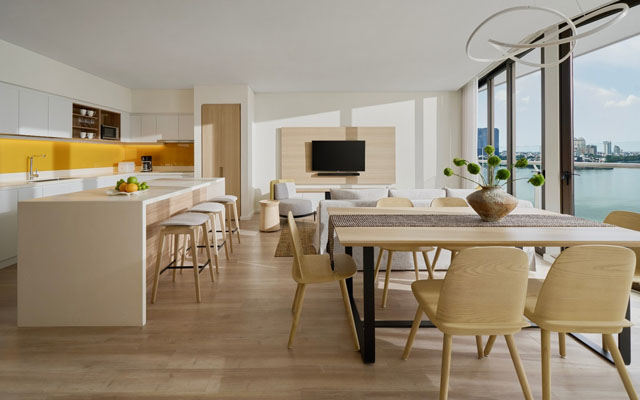
Guests at Parkroyal Serviced Suites Hanoi can enjoy West Lake views from suites designed for extended stays

Parkroyal Serviced Suites Hanoi has 126 suites with kitchenettes and essential appliances, offering one, two, and three-bedroom options. Facilities include an indoor pool, jacuzzi, steam rooms, fitness centre, children’s pool, two dining venues, and meeting and banquet spaces.

The property is part of PPHG’s Version 2.0 strategy, focusing on long-stay accommodation, smart technology, and flexible living solutions. The serviced apartment market in Asia-Pacific is projected to grow at 14.4 per cent annually from 2025 to 2030, with revenues expected to reach US$57.9 billion by 2030.

The launch coincides with Vietnam’s economic growth and tourism rebound, with 17.6 million international arrivals in 2024 and a target of 22 million in 2025. Urbanisation and multinational companies in Hanoi and Ho Chi Minh City have increased demand for long-stay accommodation for business travellers and families. Serviced apartments in Hanoi recorded 86 per cent occupancy in the first quarter of 2025, with rental rates up 5 per cent year-on-year.

“Our upcoming Parkroyal Serviced Suites Hanoi marks an exciting next chapter in Pan Pacific Hotels Group’s growth in Vietnam, complementing our flagship Pan Pacific Hanoi. By adding a long-stay offering to our portfolio, we can cater to a wider range of travellers while strengthening our presence in one of South-east Asia’s most dynamic markets,” said PPHG CEO Choe Peng Sum.

Radisson Hotel Group expands Radisson Individuals brand to over 100 hotels

0

Radisson Hotel Group (RHG) is expanding its Radisson Individuals brand, which has grown to more than 100 hotels in operation and under development since its launch in 2020. The portfolio now spans different property types and includes new premier, boutique, and retreats segments.

Radisson Individuals is a soft brand that allows independent hotels and regional chains to join RHG’s global network and distribution platform while retaining their own identity. More than 100 hotels worldwide have joined the network to benefit from the group’s global presence.

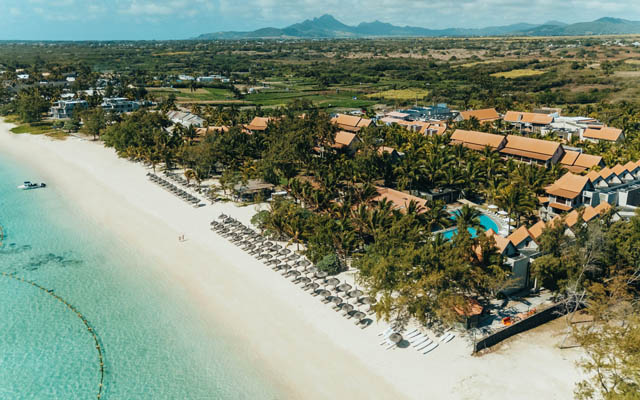
Crystals Beach Resort Belle Mare joins Radisson Individuals in Mauritius

Recent openings include Le Relais de La Malmaison near Paris; HARBR Hotel Ludwigsburg in Stuttgart; Crystals Beach Resort Belle Mare on the east coast of Mauritius; and Namah Nainital in Uttarakhand, India.

Radisson Individuals is expanding its offering across three segments, from upper midscale to upper upscale.

The brand now includes Radisson Individuals, which brings together hotels that meet RHG standards of service and quality but sit outside its core brands; Radisson Individuals Premier, a selection of upper-upscale hotels in business and leisure destinations; Radisson Individuals Boutique, a collection of smaller hotels with local character;and Radisson Individuals Retreats, a group of properties in nature-led destinations.

By affiliating with the brand, hotel owners can introduce guests to new locations while maintaining consistent service standards.

Elie Younes, executive vice president and global chief development officer at RHG, said: “The exceptional success of Radisson Individuals is testament to Radisson Hotel Group’s ability to help the industry set relevant trends and provide true added value for our owners and guests. The evolution of Radisson Individuals with three new segments further offers opportunities for distinction and visibility within an elastic framework.”

Thomas Cook India, SOTC Travel launch Disney Cruise Line sailings

0

Thomas Cook India and SOTC Travel have entered a partnership with Disney Cruise Line to offer sailings in Australia and New Zealand.

Cruise holidays are gaining popularity among Indian travellers. The E&Y and Economic Times Great Indian Traveller Report found that 52 per cent of respondents included cruising in their bucket list of experiences. The Thomas Cook and SOTC India Holiday Report 2025 recorded that 45 per cent of respondents showed strong interest in exploring formats such as cruises.

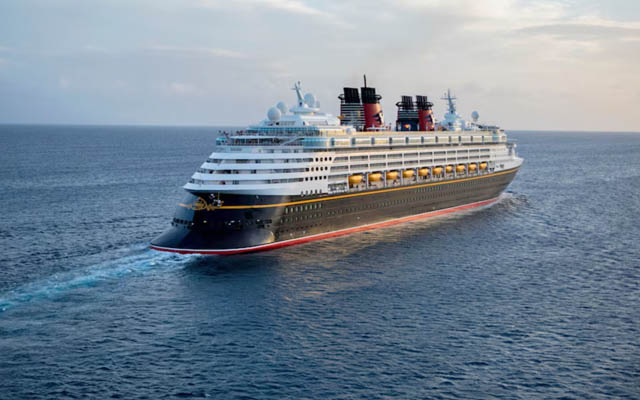
The collaboration offers Indian travellers premium Disney cruise experiences, including group and customised tours; Disney Wonder, pictured; photo by Disney Cruise Line

To meet this demand, Thomas Cook and SOTC have launched tours that include Disney Wonder sailings. The companies’ Australian Extravaganza group tour of 16 days will include a four-night sailing, with departures from India in November 2025 and January 2026.

Disney Wonder offers Broadway-style shows, deck parties, poolside movies, fireworks at sea, themed dining at Tiana’s Place and Animator’s Palate, youth clubs, fitness areas, character meet-and-greets, and multiple pools, including an adult-only Quiet Cove Pool.

The companies said the partnership will be promoted across media platforms and supported by their digital and retail network in India.

Rajeev Kale, president and country head, holidays, MICE, Visa at Thomas Cook India, said: “I am delighted with yet another first-mover from the Thomas Cook India Group, with the introduction of special Disney Cruise Line experiences into our group tours, also customised holidays for the upcoming winter season.

“Indian consumers are increasingly seeking premium, experience-rich journeys, and Disney Cruise Line delivers exactly that – with world-class entertainment, dining and immersive storytelling across segments. These special sailings are co-curated to allow our customers to bond, celebrate and create unforgettable memories – all within the magical world of Disney.”

SD Nandakumar, president and country head, holidays and corporate tours at SOTC Travel, added: “Cruising is no longer seen as niche – and is fast emerging as Indian consumers’ preferred holiday choice. My team and I are excited to launch Disney Wonder as an exciting addition to our product portfolio this winter.

“We believe that no one understands the Indian traveller better than SOTC, and with Disney’s unmatched storytelling and entertainment, these sailings promise vacations that create treasured stories that last a lifetime.”

Green tourism businesses to be prioritised at Indonesian government events; positive communications is key

0
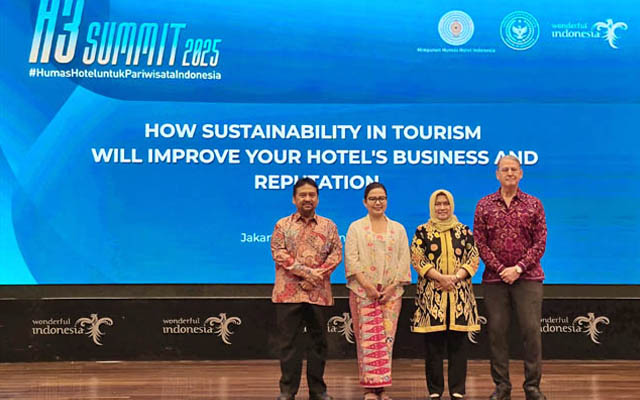
From left: Indonesian Hotel and Restaurant Association’s Haryadi Sukamdani, H3's Yulia Maria, MoT’s Rizki Handayani with session moderator Alistair Speirs; photo by Mimi Hudoyo

The Indonesia Ministry of Tourism (MoT) intends to prioritise tourism businesses that meet sustainable development goals (SDG) for participation in government-led tourism exhibitions and sales missions. The move supports the industry’s shift toward sustainability and is aligned with the the country’s Nationally Determined Contributions (NDC) targets.

Speaking at H3 Summit organised by the Association of Hotel Public Relations (H3) Indonesia in Jakarta last week, Rizki Handayani, deputy for Industry and Investment of MoT, noted that sustainable tourism was trending along with growing global awareness of environmental issues.

From left: Indonesian Hotel and Restaurant Association’s Haryadi Sukamdani, H3’s Yulia Maria, MoT’s Rizki Handayani with session moderator Alistair Speirs; photo by Mimi Hudoyo

She acknowledged efforts undertaken by tourism business to uphold sustainable practices, and underscored the crucial role hotel public relation professionals play in communicating sustainability programmes to the public.

“The market will look for hotels that meet SDG requirements,” she added.

She believes that the quality of hotel accommodation and services consistently shapes tourists’ first impression of destination Indonesia.

“Therefore, the role of public relations is very important. Hotel public relation professionals must be able to build a positive narrative, not only related to hotel products but also about Indonesian tourism that prioritises sustainable principles,” Rizki said.

As a facilitator of sustainable tourism, MoT will roll out “several programmes supported by international financing” to aid the sector next year.

She added that MoT has implemented various programmes that are aligned with Indonesia’s NDC targets, such as managing food waste and food loss, implementing the Blue, Green, and Circular Economy in hotels, awarding Green Hotel recognition, and developing a hotel supply chain linked to SDG, including the use of local resources.

The NDC targets a reduction in greenhouse gas emissions by 32 per cent through its own efforts or 43 per cent with international support by 2030. It also targets net-zero emissions by 2060 or sooner, management of 70 per cent of waste by 2025, and a per capita reduction in food waste by 35 per cent by 2030.

Yulia Maria, the general chair of H3 Indonesia, echoed the need to advance Indonesian tourism through a focus on achieving and communicating environmental, social, and governance (ESG) goals.

“For this, the role of public relations is crucial, as it allows us to build a positive narrative and help hotels frame sustainability as a genuine commitment rather than just a government obligation to run ESG programmes,” said Yulia.

“We can also educate and engage with guests, encouraging them to participate in eco-friendly initiatives and enhance the hotel’s credibility and reputation through transparent communication. This strengthens public trust and, of course, integrates with the hotel’s branding, which is fundamental to all hotel communication activities.”

Northern Territory merges agencies to fuel year-round visitor growth

0
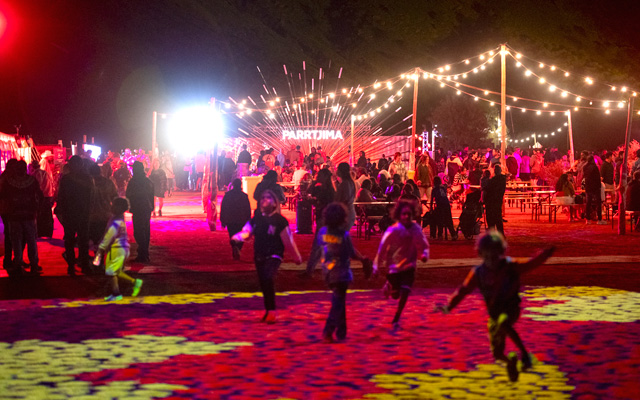
Parrtjima is an annual Aboriginal light festival that takes places over 10 nights in the Red Centre

The Northern Territory (NT) is consolidating its visitor economy efforts by merging Tourism NT and the NT Major Events Company into a single entity named Tourism and Events NT, effective January 1, 2026.

The move is intended to create a unified and streamlined strategy to drive year-round visitor growth by directly leveraging the region’s major events alongside its unique destinations, according to Suzana Bishop, CEO of the NT Department of Tourism and Hospitality.

Parrtjima is an annual Aboriginal light festival that takes places over 10 nights in the Red Centre

Bishop noted that the region’s “incredible event portfolio plays a huge role in bringing visitors”, and added that since the two organisations already work extremely closely. Hence, integrating them makes perfect sense and will “create a powerhouse of creativity and strategy when it comes to promoting the Territory”.

The merger has been widely welcomed by the industry.

Alicia Triggs, executive general manager of sales & partnerships at Journey Beyond, stated that the two sectors are “intrinsically linked”, with each one strengthening the other to create a “strong driver for visitation”.

Ben Hall, CEO of AAT Kings Group, agreed, calling events and tourism a marketing powerhouse and noting that combining the functions has successfully grown the sector in other Australian states by creating better synergies and wider reach.

The integration has already produced practical results: major event tickets are now being sold through travel trade channels, bundled with accommodation, flights, and tours. This cross-promotion has expanded reach, contributing to a 58 per cent interstate and overseas visitor rate for the recent Motocross Australia Grand Prix and a sell-out T20 International Cricket match. Furthermore, NT events are now consistently featured in Tourism NT agent and media programmes, boosting exposure with global buyers.

To help lead the new vision, Staci Mellman has been appointed as chief marketing officer, effective October 1. Mellman brings international tourism marketing experience from her previous leadership roles with Brand USA and Visit Florida.

An Expression of Interest process for appointments to the new Tourism and Events NT Advisory Board will run from September 24 to October 22. The current Tourism NT Board will manage the transition until the end of 2025, during which time the new Visitor Economy Strategy 2032 is also being finalised through industry consultation.