


Ascott enters long-term partnership to set new standards for accessible accommodation
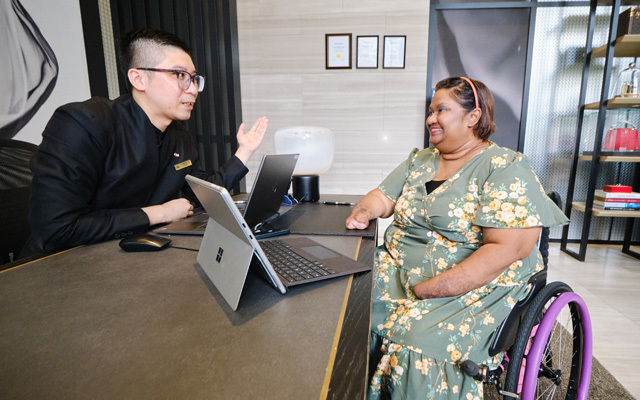
Singapore-based hospitality firm, Ascott, has signed an MoU with SG Enable, the focal agency for disability and inclusion in the country, that will see both forging a long-term partnership to elevate disability inclusion and set new standards for accessible accommodation in the hospitality industry.
This partnership is the first of its scale in Singapore’s hospitality industry, spearheading a range of initiatives that will deliver inclusive stay experiences through design and programming across Ascott’s properties in the country. It will also serve to foster workforce diversity and contribute to capability-building, not only within Ascott but also throughout the hospitality sector.
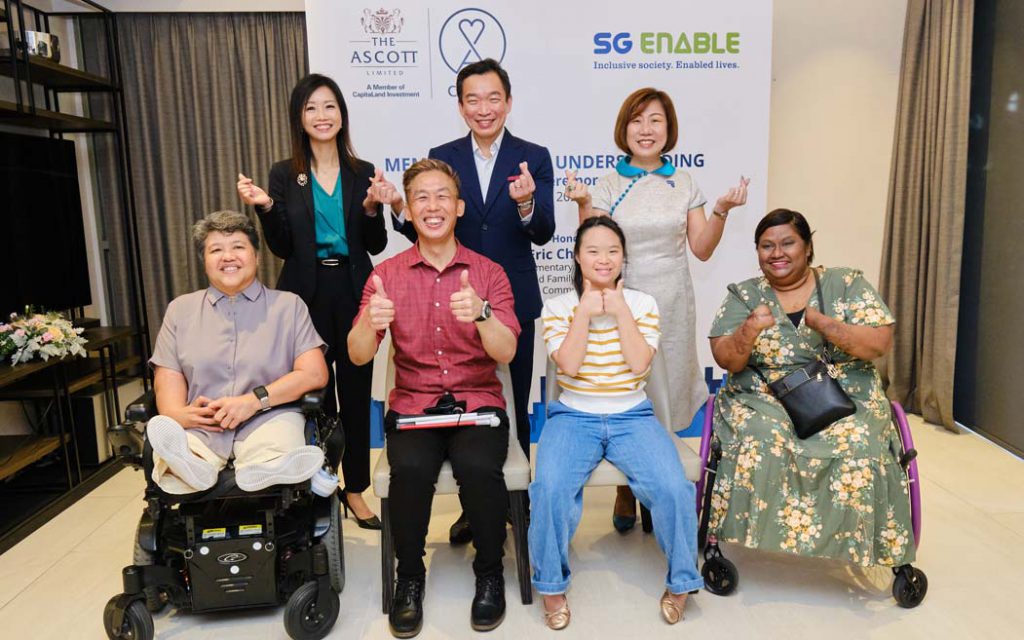
Ascott and SG Enable will jointly develop and deliver essential resources and disability inclusion training tailored for the hospitality industry at the Ascott Centre for Excellence (ACE) training facility. Insights gained from the joint initiatives will be used to develop a comprehensive playbook in 2025 to steer the disability inclusion efforts of Ascott’s properties around the world.
Key initiatives will centre around five pillars: Inclusive Spaces, Inclusive Programmes, Inclusive Digital Interfaces, Inclusive Hiring, and Inclusive Training.
Eric Chua, senior parliamentary secretary, Ministry of Culture, Community and Youth & Ministry of Social and Family Development, said at the signing ceremony: “Partnerships such as this are crucial for driving positive change in our community.”
The partnership coincides with Ascott’s ongoing 40th anniversary celebrations.
Beh Siew Kim, chief financial & sustainability officer, lodging, CapitaLand Investment and managing director, Japan and Korea, Ascott, said: “Marking 40 remarkable years in hospitality service, Ascott has embarked on a transformative journey to go ‘unlimited’ for our guests and associates. To create ‘unlimited good’ as a positive changemaker, we are deepening our commitment to championing inclusivity under our Ascott CARES sustainability framework.
“As a leading global hospitality company headquartered in Singapore, our vision is to strengthen Ascott’s culture of care and respect by cultivating a more inclusive operating environment for both guests and associates. We are thus delighted to find a like-minded partner in SG Enable to jointly establish new standards for accessibility in the hospitality sector and positively impact the future of travel. This MOU will mark an integral step towards our goal of scaling up Ascott’s disability inclusion efforts globally.”
Ku Geok Boon, CEO of SG Enable, acknowledged the partnership as “a significant milestone in our journey of championing disability inclusion and accessibility”.
In addition to the ceremony on June 20, three persons with disabilities and their family members were invited to share their stay experiences at Ascott Orchard Singapore. They affirmed that Ascott Orchard Singapore was wheelchair friendly and easy to navigate, and the experience was complemented by the warm hospitality of the service team who had gone through disability management training by SG Enable.
Ascott Orchard Singapore is the country’s first serviced residence to be certified Universal Design Mark Platinum by Singapore’s Building and Construction Authority for its user-friendliness. It features sheltered walkways seamlessly linked to the adjacent mosque and shopping mall, complemented with clear and informative signs that are accompanied by braille and tactile maps. Accommodation options include accessible guestrooms catering to wheelchair users as well as dual-key units that facilitate multi-generational living. All public toilets are equipped with accessibility features; the swimming pool deck is accessible via a ramp; a Kipsu messaging platform facilitates communication with guests with hearing loss or visual impairment.
Part of the serviced residence’s service crew has completed SG Enable’s disability management course, and more will undergo training by end-2024.
Hilton bags fresh lot of hotel signings for South-east Asia
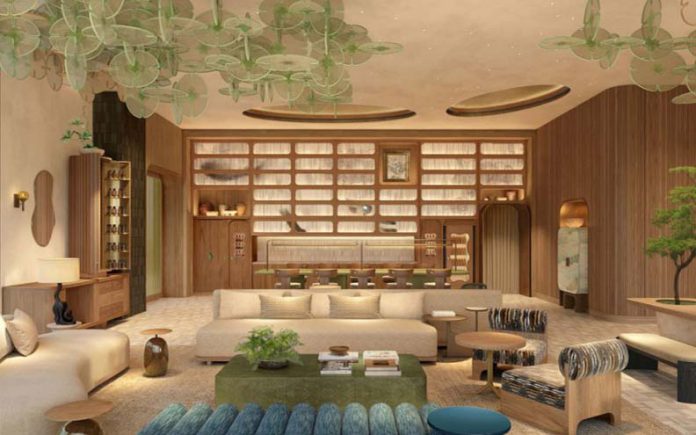
Hilton has secured 11 new properties across Thailand, Indonesia, and Vietnam following new signings announced earlier this month. The latest collection of projects include the debut of Hilton’s lifestyle brand, Tapestry Collection by Hilton, in South-east Asia.
The new signings include Kromo, Curio Collection by Hilton, Hilton Bangkok Grand Asoke, Hilton Garden Inn Bangkok Silom, and Hilton Garden Inn Rayong in Thailand; Tapestry Hoi An, Hilton Hanoi West, and Hilton Garden Inn Mui Ne Beach in Vietnam; and Conrad Jakarta, Hilton Bandung Padalarang, Hilton Manado, and Hilton Garden Inn Manado in Indonesia.

“With its beautiful destinations and resilient economies, South-east Asia continues to be an important growth driver for Hilton in Asia-Pacific,” said Maria Ariizumi, vice president, development, South-east Asia, Hilton.
The hospitality company has more than 100 hotels trading and under development in the region, where it is set to surpass 1,000 trading hotels by 2025.
As of the first quarter of 2024, Hilton continues to hold its largest development pipeline in company history with 892 hotels signed across Asia-Pacific.
Ariizumi commented: “We deeply value the trust that owners continue to place in Hilton’s managed and franchise models, robust commercial engine, and superior brand recognition, all of which have fuelled our sustained growth in this vibrant region. We look forward to introducing even more of Hilton’s renowned brands to gateway and emerging destinations here.”
These latest signings follow several key openings last year and early this year, including the first Curio Collection by Hilton property in Vietnam with La Festa Phu Quoc, Curio Collection by Hilton and the debut of Hilton’s flagship brand and first hotel in Ho Chi Minh City with the opening of Hilton Saigon.
With the rise of luxury travel in the region, Hilton is also broadening its collection of luxury brands and properties. Hilton launched Umana Bali, LXR Hotels & Resorts last year, marking the brand’s first hotel in South-east Asia, as well as Singapore’s second Conrad Hotels & Resorts through Conrad Singapore Orchard. It will also bring its iconic Waldorf Astoria Hotels & Resorts brand to Indonesia, Malaysia, and Vietnam with the openings of Waldorf Astoria Jakarta, Waldorf Astoria Kuala Lumpur, and Waldorf Astoria Hanoi in the coming years.
“Hilton’s latest signings and upcoming openings not only underscore the long-term growth opportunities in this dynamic region, it also further cements our commitment to creating exceptional experiences for both our guests and Team Members,” said Alexandra Murray, vice president and regional head of South-east Asia.
Aviation roundup: Finnair, Korean Air and more


Finnair completes longhaul cabin renewal
Finnair has successfully completed the rollout of its longhaul cabin renewal, with all aircraft in the airline’s longhaul fleet of A350s and A330s now refurbished.
The project includes the launch of an entirely new Business Class seat, a brand-new Premium Economy cabin, and a refreshed Economy Class.
Designed to maximise space, the unique fixed shell lounge seat enables a wide variety of sitting and sleeping positions, allowing customers to make the space their own during a longhaul flight.
The cabin has been inspired by Finnair’s Nordic design language and warm, dark, comforting colour scheme – following the palette and design of the airline’s non-Schengen lounges, unveiled at Helsinki Airport pre-pandemic.
Offered progressively since 2022, “customer feedback on our revolutionary Business Class seat and brand-new Premium Economy cabin has been excellent”, shared Ole Orvér, chief commercial officer of Finnair.
“We also know our customers value consistency and reliability, so to offer a uniform cabin concept across our whole fleet is a huge step on our customer experience journey. Customer satisfaction with our longhaul cabins has increased significantly with the cabin renewal,” he added.
In the coming months, Finnair will update the cabins of its regional E190 aircraft and open a new and larger lounge at the Schengen area of its home hub Helsinki Airport for its Business Class customers and Finnair Plus tier members.
Korean Air expands Asian network
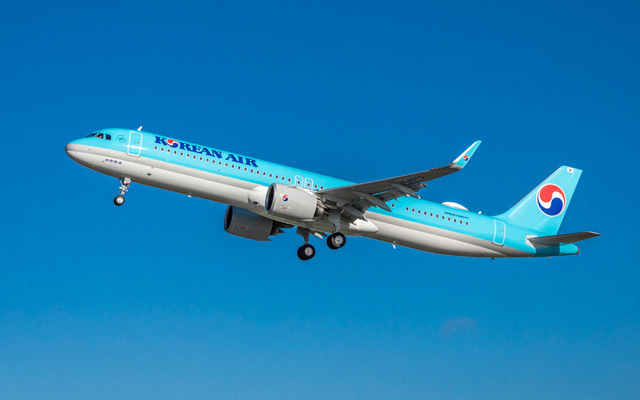
Korean Air will resume and boost services to China, and increase frequencies on select routes to Japan to meet rising demand.
The airline will resume its Busan-Shanghai Pudong and Jeju-Beijing routes with daily flights starting July 1. Additionally, the Seoul Incheon-Hefei service will resume with five weekly flights from August 19, the Busan-Beijing route with six weekly flights starting September 16, and the Seoul Incheon-Kunming service with four weekly flights from October 14.
Select routes will also see an increase in flight frequencies. The Seoul Incheon-Yanji route will increase to daily flights from four weekly flights starting June 1. The Seoul Incheon-Dalian route will temporarily see an increase by four flights to 11 weekly flights from July 1 to September 15. The daily Seoul Incheon-Tianjin route will increase to two daily flights from August 5 to October 20.
Additionally, the Seoul Incheon-Ulaanbaatar route will be increased by two flights, to operate eight weekly flights from June 1 to September 30.
To accommodate growing travel demand for Japan, the airline will resume thrice weekly Jeju-Tokyo Narita services from July 19 to October 25 while Seoul Incheon-Okayama route will increase from three to five weekly flights starting August 3. The Seoul Incheon-Kagoshima route will also increase from three to five weekly flights starting September 2.
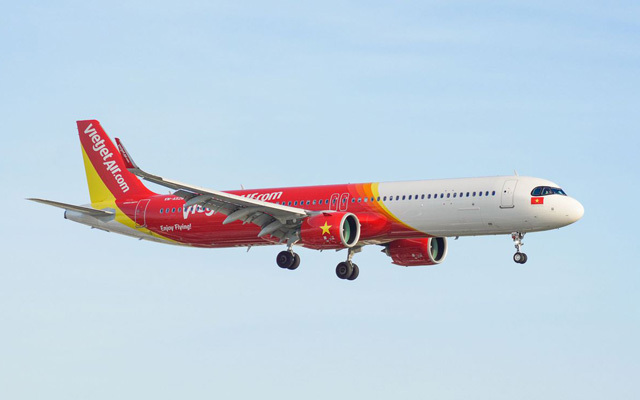
Vietjet connects Taiwanese cities to Phu Quoc
Vietjet’s first flights between resort island Phu Quoc and the Taiwanese cities of Taichung and Kaohsiung have taken off.
The Phu Quoc-Taichung route operates with three return flights per week on Tuesdays, Thursdays, and Saturdays, while Phu Quoc-Kaohsiung service comes on every Monday, Wednesday, Friday, and Sunday.
Vietjet currently operates nine direct routes connecting Vietnam to Taiwan’s major cities, and is the only airline offering flights between Phu Quoc and all three of the largest cities of Taiwan, namely Taipei, Kaohsiung, and Taichung.
Positive attention

 What spurred changes to the Muslim travel market over the decades?
CrescentRating was launched in 2008 to play a crucial role in formalising the Muslim travel market. Prior to that, there was increasing awareness but limited formal recognition.
CrescentRating not only introduced a dedicated rating system to assess the Muslim-friendliness of travel services and destinations, it also provided valuable insights to this segment. These efforts helped bridge the gap between Muslim travellers and the broader tourism industry, encouraging both service providers and destinations to consider the specific needs of Muslim tourists.
Then came the inaugural World Islamic Tourism Conference & Expo 2008 in Kuala Lumpur. It was one of the earliest dedicated conferences on Halal tourism.
The introduction of the Mastercard-CrescentRating Global Muslim Travel Index in 2015 was another milestone. This benchmarking tool significantly raised awareness and understanding of the Muslim travel market, enabling stakeholders to assess their performance and identify opportunities for enhancement and investment. It spurred a shift in perspective, with numerous destinations recognising the importance of Muslim travellers and incorporating their requirements into strategic planning and development efforts.
How is CrescentRating addressing sustainability and ethical travel concerns within the context of halal tourism?
CrescentRating has a comprehensive approach to promote responsible travel among Muslim travellers. Efforts are encapsulated in the Responsible, Immersive, Digital and Assured (RIDA) Framework, which is designed to ensure that the services offered to Muslim travellers comply with faith traditions and promote sustainability and responsible tourism practices.
How do you see the halal tourism sector evolving in the next 50 years?
I foresee exponential growth, driven by the global Muslim population’s burning desire to explore the world in alignment with their faith.
What challenges lie in the way?
The primary challenge confronting the halal tourism industry over the coming decades is the pervasive misunderstanding of what it entails, compounded by a negative media narrative surrounding Muslims and the rising tide of Islamophobia in certain regions. This complex issue affects not just the perception of halal tourism, but also the broader context within which Muslim travellers navigate.
Misunderstandings often stem from a lack of knowledge about the principles guiding Muslim-friendly travel. Misconceptions can lead to the belief that halal tourism segregates Muslim travellers from others. The challenge is further exacerbated by negative media portrayals of Muslims, which can foster stereotypes and prejudice. Such narratives can influence both the reception of Muslim travellers in various destinations and the willingness of non-Muslim majority countries to embrace halal tourism as part of their tourism offerings.
What are the opportunities?
Advances in technology offer the chance to enhance the halal travel experience through digital platforms, apps for locating halal services, and virtual reality tours of Islamic heritage sites. Blockchain can also be used for secure, transparent transactions and certifications.
Furthermore, the halal tourism sector has the opportunity to lead sustainable tourism practices. By incorporating eco-friendly and ethical travel options, it can appeal to a broader audience beyond Muslim travellers, including those interested in responsible travel.
Halal tourism can act as a bridge for cultural exchange, fostering understanding and respect between Muslims and non-Muslims. Promoting immersive experiences that celebrate Islamic culture and heritage while encouraging interaction with local communities can enhance global interconnectedness. There’s a vast opportunity for innovation in creating unique, immersive, and faith-based experiences. This includes developing halal-friendly leisure activities, themed travel packages, and educational tours that cater to the diverse interests of Muslim travellers.
Orchard Hotel Singapore introduces AI-powered guest communications system
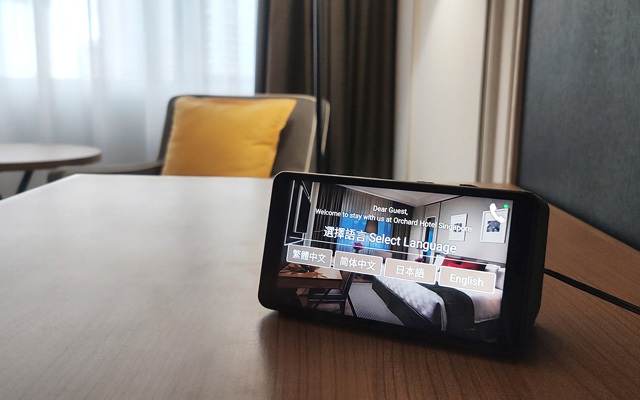
Orchard Hotel Singapore, a property of Millennium Hotels and Resorts, has implemented the Aiello Voice Assistant (AVA) to its communications system that connects guests with hotel staff. The AI-powered device will also be used to collect data-driven insights to enhance customer service and streamline operations.
This is the first AVA deployment in Singapore, although it has been in the market since 2019, serving over 100 hotels elsewhere. It is capable of answering enquiries in Chinese, Japanese, Thai, and English.
Guests at Orchard Hotel Singapore can use AVA as their personal guide to amenities, services, and local recommendations on hands-free devices. Acting as an in-room assistant, AVA responds promptly to voice commands, allowing guests to effortlessly connect with other rooms or contact the front desk.
“Our commitment to innovation and exceptional guest experiences is unwavering,” said Jacqueline Ho, the hotel’s general manager.
“The integration of AVA is a transformative step, combining state-of-the-art technology with personalised service to enhance guest convenience and comfort while reinforcing our leadership in the hospitality industry.”
Vic Shen, CEO and co-founder of Aiello, said: “Being the first in Singapore is just the beginning – our focus is on providing a holistic and technologically advanced guest experience that aligns with Orchard Hotel Singapore’s legacy of excellence.”
Tourism Australia grooms more destination specialists in Hong Kong

Tourism Australia (TA) launched a two-year Premier Aussie Specialist Program (PASP) in Hong Kong last Friday, with the appointment of 10 travel agents to become destination specialists and advocates.
Appointment is by invitation only, and qualified individuals must fulfil various conditions, such as having undertaken at least three training opportunities in the last 12 months and no less than three years of experience in selling Australia to their market.

Each PASP participant is required to complete 11 courses – eight courses on state and territories, a sustainability course, and two courses in the Aboriginal Australia curriculum within two years.
TA manager for Hong Kong, Carmen Tam, said: “This membership is an acknowledgement of an agent’s destination expertise, insider knowledge, strong ties with the Australian travel industry, and established record of selling Australia. We hope to groom them to get closer to consumers and be our opinion leaders and advocates. Once they better understand their customers’ travel intentions, we can craft new products together.”
Tam shared that major outbound agencies like Jebsen Travel, Wing On Travel and Miramar Travel as well as “diverse players” like The Events Team, which is a specialist in business events and luxury travel, were invited to the PASP.
Hong Kong arrivals to Australia has been recovering rapidly since 2023. As of April 2024, there were 204,000 travellers from Hong Kong, equivalent to 65 per cent of pre-Covid numbers.
TAT invests one million baht on an adorable courtship of China

A campaign with China’s renowned art toy company, Pop Mart, is the latest initiative by the Tourism Authority of Thailand (TAT) to work its way into the hearts of Chinese travellers. The project, which comes with an investment of 1 million baht (US$27,242), will leverage the popularity of the furry Labubu designer toy to enhance cultural ties and attract Chinese tourists to Thailand.
This co-branding initiative, unveiled at the Thailand Travel Mart Plus 2024 by Chuwit Sirivajjakul, TAT’s executive director for the East Asia region, coincides with the 50th anniversary of the Thailand-China Relations Project in 2025.

With filming scheduled for July 1 to 4, 2024, the campaign will feature Labubu in a series of promotional videos showcasing Thailand’s cultural and tourist attractions.
“We are excited to bring Labubu to Thailand as a cultural ambassador, offering a unique and engaging way to promote our country to Chinese tourists,” Chuwit stated at the press briefing.
As part of the campaign, Labubu will be filmed arriving at Suvarnabhumi Airport as a “special guest for Amazing Thailand” and participate in culturally rich activities. The doll will be further depicted engaging in various activities across Bangkok, such as Thai cooking classes, wearing traditional Thai clothing at Wat Arun, and exploring street food on Banthat Thong Road.
“This initiative is not just about tourism; it’s about creating a deeper cultural connection and celebrating our shared history with China,” emphasised Chuwit.
To enhance the campaign’s reach, TAT has partnered with Chinese travel platforms Trip.com and Tongcheng to develop travel packages following in the footsteps of Labubu’s adventures in Thailand. This strategy aims to tap into Labubu’s fanbase of over 100 million in China, encouraging them to visit Thailand.
The Pop Mart LABUBU x Amazing Thailand Special Edition collectible, managed by Pop Mart, will initially be available for sale at Mega Bangna in Bangkok before expanding to other locations.
The TAT plans to continue its marketing efforts post-launch by working with its Beijing Office and online travel agencies like Qunar to organise promotional activities targeting family and luxury travel segments, which the bureau considers key markets with high potential.
In terms of quantifiable returns, Chuwit said that the campaign, projected to reach an audience of over 500 million impressions and sell at least 20,000 travel packages to Thailand, is a pivotal component in achieving TAT’s tourism revenue target of 3.5 trillion baht for 2024.
MGM Macau takes its glitz and glamour to Thailand to charm more Thai travellers
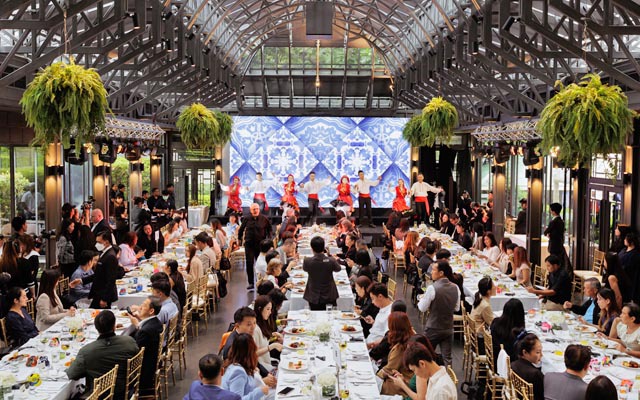
MGM China Holdings has launched its first large-scale overseas promotional campaign in Bangkok, Thailand in a bid to attract more Thai visitors to Macau through showcases of its creative entertainment offerings in its properties and the destination’s unique culinary culture.
Activities from June 13 to 29 include the Magnificent Gala Master dinner event, the MGM Travel Trade Luncheon, and the Macanese Food Promotion. In addition, a series of themed travel vlogs will provide Thai travellers with a glimpse into Macau’s cultural appeal.
As part of its campaign, MGM joined the Macao Government Tourism Office’s Experience Macao roadshow in Bangkok event at Central World last week.
Commenting on MGM Macau’s initiatives in Thailand, Pansy Ho, chairperson and executive director of MGM China Holdings, said: “MGM has always upheld the onus to support the Macau government’s efforts in elevating the city’s cultural tourism economy on the global stage. Building on the foundations of deep mutual understanding and the upcoming 50th anniversary of diplomatic relations between China and Thailand, the future between Thailand and Macau will be bright.
“On MGM’s calendar, this translates into a series of immersive, multi-dimensional events that celebrate our passions, underpinned by our deep-rooted belief that arts and culture are the global languages of the world. MGM will continue to champion the unique charms of Macau, transforming it into a world-class international leisure tourism destination that captivates the hearts and minds of travelers near and far.”
Hubert Wang, president & chief operating officer of MGM China Holdings, underscored the importance of the Thai traveller market for the company.
“Thailand represents the largest South-east Asian market as well as the fastest growing overseas market for MGM,” Wang remarked, adding that good airlift and performances by popular Thai artists at MGM venues have boosted the number of Thai guests by nearly 30 per cent over last year.
Speaking at MGM’s trade engagement, Maria Helena de Senna Fernandes, director of Macao Government Tourism Office, said Thailand ranks fifth among Macau’s top international visitor markets, and arrivals from the kingdom are up 203 per cent over 2023.
Banyan Tree Samui deepens food sustainability commitment

A series of food-related initiatives, from sourcing and upcycling processes, has been rolled out at Banyan Tree Samui, adding to its ongoing commitment to responsible operations.
Starting this year, the five-star hotel has stepped up its procurement of cage-free eggs. While 2.8 per cent of all eggs purchased by the hotel were classified as cage-free in January, that proportion has expanded to more than two-thirds by May.

At the same time, the hotel has just introduced a policy to purchase only sustainable seafood that is certified by the Marine Stewardship Council and Aquaculture Sustainability Council. Both standards are monitored by Bureau Veritas, the recognised world leader in testing, inspection and certification services. While almost all seafood and fish are purchased locally on the tropical island, Banyan Tree Samui imports items such as salmon and snow fish. All 100kg of salmon purchased on a monthly basis meet the requirements of the international agencies overseeing sustainable seafood practices.
In managing waste generated from coffee granules and capsules across the property, the hotel maintains a recycling and upcycling project that turns disposed aluminium capsules into everyday products such as bicycles, chairs, pens and window frames, as well as recycled coffee capsules. Coffee grains are recycled as compost fertiliser and renewable energy such as biofuel.
The hotel was awarded several years ago the highest level of certification by global watchdog EarthCheck – the first hotel in the country to achieve this award. Its award-winning restaurant, Saffron, is also a reputable sustainable dining establishment, which holds operations to the most rigorous sustainability guidelines.

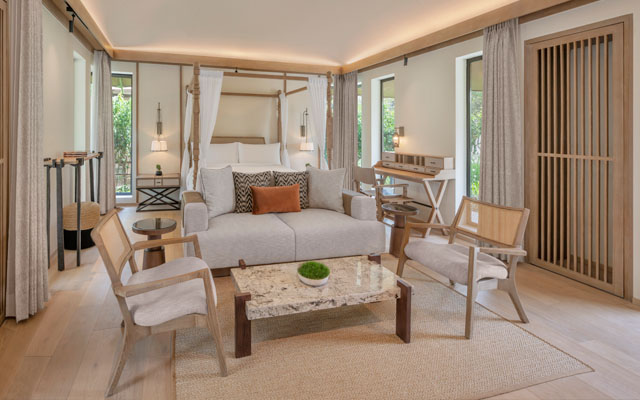






Indonesia’s Nirwana Gardens resort in Bintan has kicked off its latest Coral Reef Building Project in a bid to enhance marine biodiversity and support sustainable tourism.
The initiative will create artificial coral reefs in the pristine waters surrounding Lagoi Bay using iron racks as a solid base for the growth of natural coral structures.
These reefs will not only provide habitats for a diverse array of marine life but also serve as educational and research platforms for scientists and tourists alike.
Currently, Acropora corals have been secured to these structures with the aim of providing a foundation for coral development and growth. These corals live in colonies and develop in the shape of sunshades and act as an ideal refuge for many invertebrates and fish.
Nirwana Gardens’ staff dive into the sea daily to monitor the condition of these corals. During monsoon season, the six racks will be moved to a deeper area to prevent destruction.