


Centara Hotels & Resorts appoints GM for Maldives, Samui
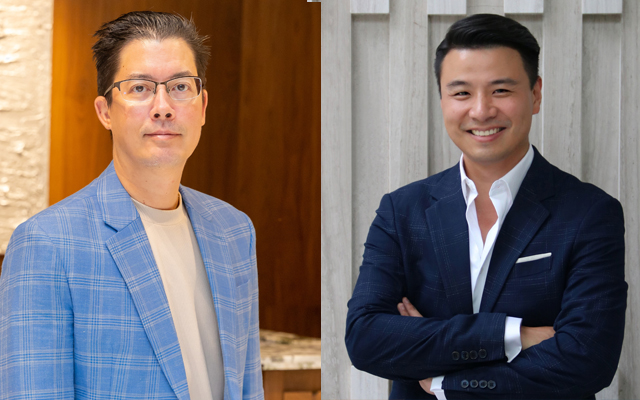
Andrew Jansson has been named cluster general manager of the soon-to-be opened Centara Mirage Lagoon Maldives and Centara Grand Lagoon Maldives, while Neil Li joins is the new general manager of Centara Reserve Samui.
In his new role, Jansson will oversee the pre-opening and strategic development of Centara Grand Lagoon Maldives and Centara Mirage Lagoon Maldives. With nearly 30 years as a seasoned hospitality professional, Jansson has held leadership roles in 14 countries with renowned hotel chains such as Hyatt and Shangri-La.
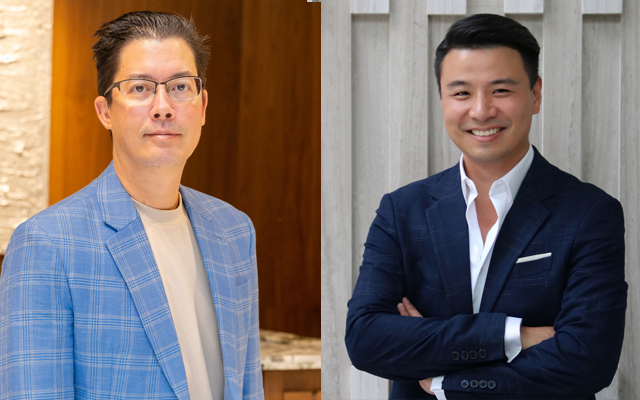
Li brings over a decade of hotel management experience from top international five-star hotels in Shanghai, China. He was previously serving as assistant vice president at Shangri-La Circle.
Frasers Hospitality gears up for international expansion

Frasers Hospitality is expanding globally through collaborations with capital partners and third-party hotel operators that complement its operational excellence within the extended stay segment.
Over the past 18 months, on top of its ongoing focus of opening new properties in key gateway locations, Frasers Hospitality acquired its inaugural premium rental apartment assets in Shenzhen, China and Osaka, Japan, respectively, together with joint venture partners.

In addition, as an extension of its current extended-stay portfolio offering, Frasers Hospitality is partnering with Yotel to launch the brand’s first Yotel property in Japan in early 2025. The site was acquired and developed by Frasers Hospitality, and is strategically located within walking distance to Tokyo Station, at the city’s most popular dining and shopping enclave.
Frasers Hospitality opened three new properties in Bahrain, Chengdu and Shanghai in 1H2024, with an additional nine properties scheduled to open in the next two years across China and Vietnam.
Recent openings by Frasers Hospitality include Modena by Fraser Nansha Guangzhou, Fraser Place Wujiaochang Shanghai, Fraser Place Chengdu, and Fraser Suites Al Liwan Bahrain.
In May 2023, Frasers Hospitality made its maiden acquisition of premium rental apartment assets in China and Japan with a combined asset value of approximately S$170 million (US$125.9 million). Both the 325-unit premium rental apartment in Shenzhen, China, and the 124-unit premium rental apartment in Osaka, Japan add to Frasers Hospitality’s expanding portfolio in North Asia with close to 3,400 units in 16 properties across China, Japan, and South Korea.
Over the next four years, Frasers Hospitality will open another 20 properties, including the nine properties scheduled to open over the next two years.
Eu Chin Fen, CEO of Frasers Hospitality, said: “Our recent partnership with Yotel in Japan and joint ventures formed in China and Japan exemplify our ability to forge strong alliances with industry leaders. Concurrently, we continue to deepen our presence in existing cities with more properties slated to open in the next few years.”
Hilton expands partnership with Small Luxury Hotels of the World

Hilton is expanding its portfolio of luxury hotel experiences with the addition of nearly 400 boutique properties from the Small Luxury Hotels of the World (SLH) collection, which will be available on all Hilton direct booking channels.
Joining Hilton’s luxury brand portfolio comprising Waldorf Astoria Hotels & Resorts, Conrad Hotels & Resorts, LXR Hotels & Resorts and Signia by Hilton, SLH’s participating hotels will offer travellers new ways of staying with Hilton – from rustic huts and woodland treehouses to rainforest retreats and coastal villas. These include properties like Nobu Hotel Marbella in Spain; Lanson Place Causeway Bay Hong Kong in China; Gangtey Lodge in Bhutan; Nimb Hotel in Copenhagen, Denmark; Grove of Narberth in the UK; and Rusty Parrot Lodge & Spa in the US, and more.

Since the announcement in February, 390 SLH properties have opted to join the partnership with more hotels expected to be added as the SLH and Hilton relationship grows.
Through the exclusive partnership, members of Hilton’s loyalty programme, Hilton Honors, will be able to earn and redeem points for SLH stays, as well as enjoy exclusive benefits at SLH’s city, beach and resort hotels.
Hilton Honors members can elevate their stay at participating SLH hotels with exclusive benefits, including earning and redeeming points, free Wi-Fi and a guaranteed member discount. Gold and Diamond members also enjoy space-available room upgrades and continental breakfast for up to two guests, points and money payment options, no resort fees on stays booked using all points, and fifth standard reward night free.
“Integrating with Small Luxury Hotels of the World allows us to expand the Hilton stay experience and travel aspirations for all guests, with special opportunities for our loyal Hilton Honors members,” said Chris Silcock, president, global brands and commercial services, Hilton.
SLH chairman Shaun Leleu added: “This alliance expands the reach of our boutique hotels to Hilton’s loyal and discerning clientele, transforming the global landscape for independently owned hotels in a remarkable way.”
Club Med surpasses pre-pandemic growth in Asia, plans new resorts in the region

Global specialist in premium all-inclusive holidays, Club Med doubled its business in Asia last year versus 2022, and has already surpassed its pre-pandemic growth level in Asia with business growing +6 per cent in 2023 vis-à-vis 2019.
Even though the Indian market grew by +37 per cent in 2023 compared with 2022 for Club Med, the other Asian markets including Malaysia, Japan, Singapore and South Korea are much bigger than India.

“In some Asian markets, like Japan, we have five domestic resorts so the demand is much higher than India. However, we are recording a strong demand for our ski resorts among Indian outbound travellers. In fact, the growth of ski business from India was +430 per cent in 2023 versus 2022 for our ski resorts in destinations like France and Japan,” said Bruno Courbet, director of Indonesia, India, Thailand and new markets, Club Med while speaking to TTG Asia.
Courbet shared that the business for its resorts in Maldives has gone down – it used to contribute 60 to 70 per cent to its overall business from India in the pre-Covid era. This is why Club Med is aggressively promoting ski resorts in the Indian market at present.
He continued: “Overall in the Asian region, 15 per cent of our business is MICE driven but, as of today, 100 per cent of our business in India is leisure-centric. We believe that MICE, especially the incentive movement, has the potential to contribute 10 to 15 per cent of our total business in India in the next few years. We will start by working on small MICE groups of 20 to 25 pax.”
“We have two key priorities in Asia – the first one is the ski business and the second one is our high-end Exclusive Collection Resorts,” added Courbet.
In terms of its expansion plans in Asia, Club Med is coming up with one resort in Kota Kinabalu in Malaysia by mid-2025, with plans to open five resorts in Indonesia over the next few years.
“We want to expand in Thailand. We also see an opportunity in foraying into the Indian market by opening a ski resort in the northern part of the country,” said Courbet.
Presently, 60 per cent business for Club Med resorts is generated by European markets, 20 per cent by American markets and the remaining 20 per cent from Asia.
EXO Travel unveils 2024 Sustainability Guide

EXO Travel has released its 2024 Sustainability Guide to empower travel partners to make a positive impact.
This comprehensive resource offers insights into how travellers can join the movement to use travel as a force for good.

The Sustainability Guide opens with a look at the positive change spearheaded by EXO Travel and the EXO Foundation before exploring the impact of travel choices and how these decisions can contribute to a more responsible future.
At the heart of the guide is a curated selection of responsible travel experiences across EXO’s eleven destinations. Each experience is vetted through EXO’s Travel for Good framework, a comprehensive and user-friendly categorisation scheme designed to make finding responsible travel options easy.
With these experiences and other resources found within its pages, EXO’s Guide to Sustainability empowers travel advisors to design impactful journeys that leave a lasting positive impact.
“At EXO Travel, we believe that every journey we design has the potential to shape a sustainable future for the destinations and the communities travellers visit,” commented Alexandra Michat, chief purpose officer, EXO.
“Our 2024 Sustainability Guide is a reflection of this philosophy, its purpose is to inspire our partners and clients as well as to provide them with the knowledge and resources they need to make informed choices.”
Minor Hotels introduces NH Collection in Thailand
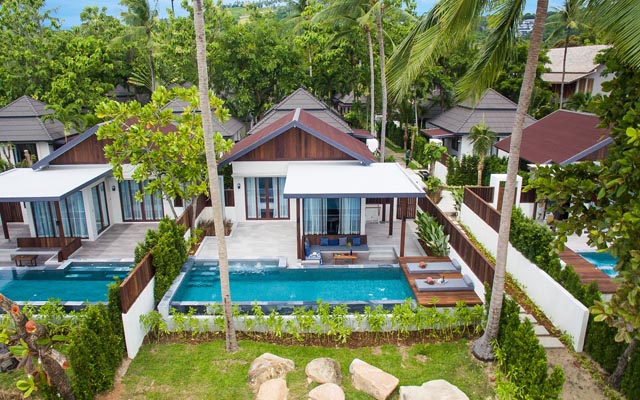
Minor Hotels will introduce its NH Collection to Samui in Thailand with the rebranding of Peace Resort Samui into NH Collection Samui.
The property will undergo upgrading from January 1, 2025, before it commences operations as NH Collection Samui.
The 122-key property is situated on Bophut Beach, nestled along the northern shore of Koh Samui. The original resort was established in 1977 by the Pupaiboon family and has over years become a popular holiday destination for generations of Thais and international guests.
The resort is within easy reach of the vibrant Fisherman’s Village that is home to numerous restaurants, bars and shops. A mere 400 metres from NH Collection Samui, a sister property, Anantara Bophut Koh Samui Resort, offers a host of upscale leisure and dining options, suggesting an opportunity for shared facilities and additional benefits.
NH Collection Samui will offer a mix of deluxe rooms, bungalows and villas, some with private swimming pools and direct beach access. The all-day-dining restaurant dishes up local and global flavours alongside ocean views; the bar serves drinks to the pool and the beach; and the lobby-side Indigo Lounge is an elegant haven of tea and cakes. A private in-villa BBQ experience is also available upon request.
Recreational facilities include a fitness centre, water sports centre, and kids’ and teens’ facilities ranging from cinema and indoor play area to a shaded outdoor playground. There are also event spaces and even a retail shop.
Samui Airport is approximately 15 to 20 minutes by car. Nathon Pier, which connects Koh Samui to Bangkok, Phuket, Koh Phangan and other popular destinations, is a 25-minute drive away.
SITA elevates travel through AI and digital technology

SITA has achieved record results for 2023 as revenues reached almost US$1.5 billion, with all signs so far in 2024 indicating similar positive performance this year, revealed CEO David Lavorel during SITA’s Annual General Assembly held in June.
SITA has also seen record contracts and partnerships to transform travel at airports and borders, through digital identities, biometric and mobile-enabled self-service, and digital borders. Examples include biometric touch points for airline passengers at Frankfurt Airport, a digital travel and sustainability collaboration with the Arab Air Carriers Organization, and continued trials in Aruba using ICAO’s Digital Travel Credential standard.

In addition, SITA’s agreement with the Airports Authority of India will see the latest passenger processing solutions and cloud-enablement for 44 airports in India, preparing the country for a future of increasing growth in passenger traffic.
Furthermore, the launch of new services for the SITA Connect Go SD-WAN solution gives the industry the opportunity to achieve this goal, as a platform for industry digitalisation. Qatar Airways and Biman Bangladesh Airlines became early customers, using the solution to help fuel growth.
In another major trend, collaborative IT for aircraft is helping to make flights more efficient and sustainable, using artificial intelligence (AI) and data-driven operational tools.
In 2023, airlines like Azul, Singapore Airlines, AIX Connect, Vistara, and more, eagerly took on SITA OptiFlight to reduce fuel consumption and CO2 emissions by better planning fight paths. AI and flight optimisation services are critical to help aviation’s journey to a carbon net-zero future.
This year has also has seen the launch of SITA Total Airport Optimizer, which uses an AI-powered platform to help airports manage every aspect of their operations. This was followed by SITA’s acquisition of Materna IPS.
Through an agreement with Columbia Ship management, SITA then launched SmartSea, which will reshape the maritime industry by giving it access to the same advanced technology that is transforming the air transport industry. The launch comes as part of SITA’s expansion into cruise and rail, as well Urban Air Mobility, such as Vertiports.
SITA also acquired ASISTIM, a company renowned for its managed airline flight operations services, paving the way for airlines of all sizes to outsource part of their flight operations through a fully-fledged airline flight Operations Control Center managed service.
Lavorel remarked: “Our portfolio developments and innovations are preparing the industry for the years ahead, delivering seamless and touchless journeys, operational efficiency, resilience and agility, sustainability, and more.
“Major trends such as digitalisation and sustainability will uproot the way we work, forever. For 75 years we’ve helped air transport step into the future. Now we’re positioned to help the wider travel and transport industries to create ever more frictionless journey experiences, achieve operational efficiencies and resilience, and address sustainability requirements.”
Mercure Singapore Bugis welcomes new GM

Mercure Singapore Bugis has named Dino Lim as its new general manager. He will be responsible for the overall strategic management and operations of the property, spearheading the corporate acquisitions, operational initiatives and long-term growth in his new role.
 With over 27 years of experience in the hospitality industry, Lim was previously the general manager of Momentus Hospitality, where he took charge of the entire Momentus portfolio including Momentus Hotel Alexandra and Momentus Serviced Residences Novena.
Olivia Yeji Jeung takes the helm at Discova Japan

Discova has appointed Olivia Yeji Jeung as the country manager for Japan.
She will be responsible for the on-ground, day-to-day development and execution of Discova’s business in Japan.
 Born in Seoul, South Korea, Jeung has lived in Japan for over 15 years and has held several leadership roles in international firms like American Express, Booking.com, and Expedia during her career.

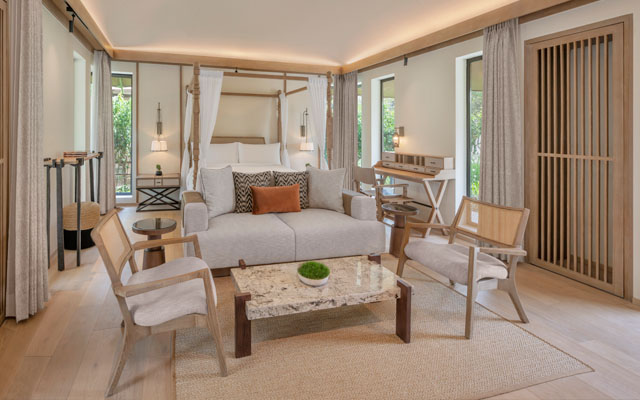






The Westin Resort & Spa Cam Ranh, Vietnam
Situated along Vietnam’s south-central coast, The Westin Resort & Spa Cam Ranh offers 207 guestrooms, suites and pool villas, including a selection of private pool villas.
Onsite are restaurants, lounge, bar, spa, fitness centre, ball courts, water sports facilities, three outdoor pools, including a kids’ pool, a ballroom as well as meeting rooms.
Just a 10-minute drive to Cam Ranh International Airport, the resort is also a 45-minute drive away from the centre of Nha Trang city.
Wyndham Sun Moon Lake, Taiwan
The 203-key Wyndham Sun Moon Lake offers family-friendly rooms and private hot spring baths in every room. Hotel facilities include a fitness centre, spa, two restaurants, two bars, café, and event spaces.
Nestled on the shores of Sun Moon Lake, Taiwan’s largest natural lake, guests can explore nearby attractions such as the Sun Moon Lake Ropeway, Nine Frogs Tower, and Man Mo Temple.
Novotel & ibis Styles Melbourne Airport, Australia
The dual-branded Novotel & ibis Styles Melbourne Airport features 464 guestrooms split across Accor’s Novotel (248 rooms) and ibis Styles (216 rooms) brands.
Both hotels feature a full range of facilities to cater to business, conference, and leisure guests, including three F&B outlets, function spaces for up to 330 guests, and hotel-serviced co-working space Aerofoil Workspace.
Within walking distance to the Melbourne Airport terminal precinct, both hotels also provide easy access to local attractions including URBNSurf, Essendon Football Club and the Sunbury wine region.
Jumeirah Makkah, Saudi Arabia
Located in Jabal Omar and a short walk from the Great Mosque of Makkah, Jumeirah Makkah boasts 1,121 keys of rooms, suites, apartments, and residences.
The hotel has eight dining destinations, three meeting rooms and event spaces accommodating between 10 to 70 people.
Hotel guests will also have the option to book entire floors, which feature 14 rooms and suites per level.