


Marriott International, Sands China to bring The Luxury Collection to Macau

Marriott International and Sands China have signed an agreement to debut The Luxury Collection brand in Macau.
Londoner Grand, a Luxury Collection Hotel, Macao is expected to open in January 2025.

The hotel is slated to feature 2,405 rooms and suites, as well as five distinct dining concepts. Located at the heart of Macau’s Cotai Strip with the city’s premier entertainment, shopping, and dining districts right at the guests’ doorstep, the hotel is approximately 4.9km away from Macau International Airport and 6.2km away from Taipa Ferry Terminal. Renowned sites such as Senado Square, Taipa Houses, and Ruins of St. Paul’s are also nearby and accessible by a short car ride.
Gavin Yu, chief development officer, Greater China, Marriott International, said: “The highly anticipated hotel will blend Macau’s East-meets-West culture with The Luxury Collection’s distinctive perspective on luxury, providing our guests unparalleled access to a city rich with heritage, cuisine, and captivating experiences.”
“Building on the success of The Londoner Macao, adding Londoner Grand, a Luxury Collection Hotel, Macao to its portfolio represents a pivotal moment in our mission to elevate Macao’s luxury hospitality landscape,” added Grant Chum, CEO and president of Sands China.
Air New Zealand offers a taste of Aotearoa with new premium menu
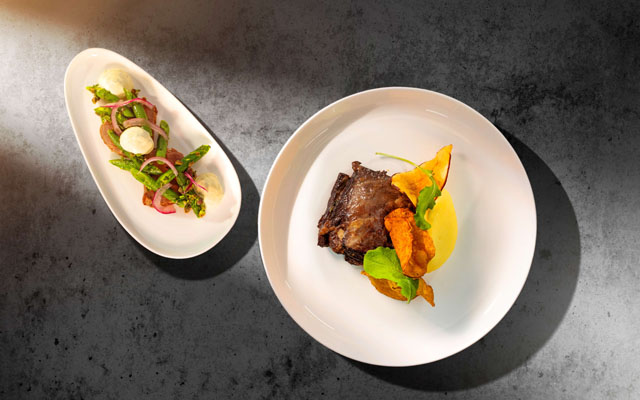
Air New Zealand has introduced its onboard premium menu, A Taste of Aotearoa, which features authentic flavours of New Zealand.
The curated menu will be available in Business Premier and Premium Economy cabins on longhaul flights departing New Zealand from October.
It features contemporary cuisine with a focus on showcasing the country’s finest produce, such as kahawai, a popular fish found around the New Zealand coastline, and tāmure (snapper), caught from the waters of the North Island’s Hauraki Gulf.
Some highlights of A Taste of Aotearoa offerings include smoked kahawai mousse, crayfish bisque with chive crème, rose veal with green bean, slow-cooked beef short rib with black truffle jus, seared Hauraki Gulf snapper with nori butter, and for dessert, peach and raspberry warm melba pudding with vanilla crème anglaise.
A selection of wines including Craggy Range Te Kahu Gimblett Gravels, Neudorf Tiritiri Pinot Rosé, and Aotea Seifried Sauvignon Blanc will also be available.
Air New Zealand head of culinary Justin Koen shared: “Our latest menu, inspired by manaakitanga – the Māori tradition of hospitality – reflects who we are and our dedication to delivering a world-class experience. Those travelling in Economy don’t miss out either, with special menu items to choose from. Our culinary team has crafted each meal to create an onboard experience so good, you’ll forget you’re in the skies.”
Save, indulge and explore the world’s most exclusive destinations with Silversea
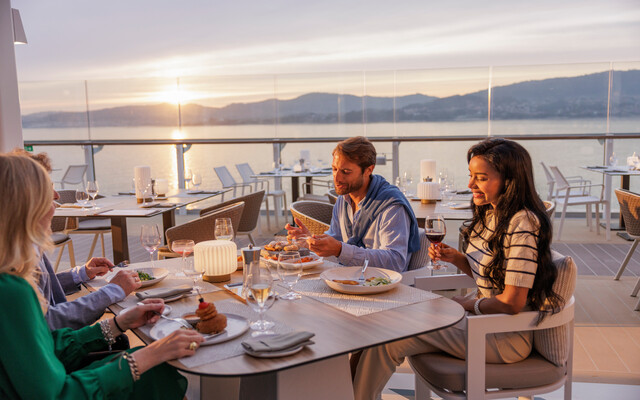
Brought to you by Silversea Cruises
From the icy realms of Antarctica to the storied coasts of the Mediterranean, travellers who appreciate the finer things in life can discover the world’s most distant and captivating destinations in luxury on Silversea’s expedition and classic voyages.
Every voyage is a masterful blend of adventure and indulgence, designed for travellers who wish to experience the extraordinary without compromise. Whether seeking the exhilaration of an expedition or the elegance of a classic voyage, Silversea delivers a journey that is both enriching and effortlessly refined.
Silversea’s expedition voyages are curated for the adventurous spirit, yet steeped in the elegance for which the brand is renowned. Sail through the serene, icy waters of Antarctica, where pristine glaciers, majestic whales, and colonies of penguins welcome those fortunate enough to explore this remote part of the world. Or get up close to the rugged beauty of the Galápagos Islands, where encounters with rare wildlife is unmatched.
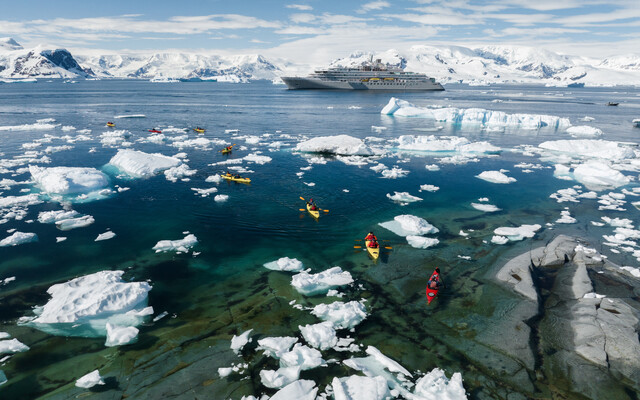
These voyages are accompanied by an expert team of naturalists and guides who provide unparalleled insight into the history, ecology, and culture of each destination. While the landscapes may be rugged, the onboard experience remains nothing short of luxurious. Silversea’s expedition ships are purpose-built to access some of the world’s most far-flung corners, while offering an atmosphere of intimacy, with all-suite accommodations, personalised butler service, and world-class cuisine.
Expeditions with Silversea transcend the ordinary; they are journeys to places where few have ventured, all while basking in the finest comforts at sea.
For those who prefer to savour the journey at a more leisurely pace, Silversea’s classic voyages offer a sophisticated exploration of the world’s most storied regions. From the sunlit piazzas of the Mediterranean to the ancient wonders of Asia, Silversea brings its guests to destinations that capture the essence of history, art, and culture.
Hospitality at its finest
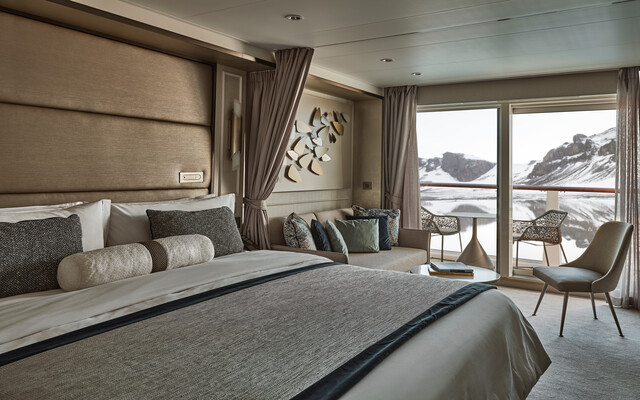
Onboard, the experience is as remarkable as the destinations themselves. Guests enjoy a personalised, all-inclusive service, complete with a dedicated butler for every suite. Silversea’s all-suite accommodations, most with private verandas, provide panoramic views of the ever-changing scenery. Whether it’s assisting with unpacking, arranging private excursions, or delivering a perfectly timed nightcap, the butler service is a hallmark of the impeccable attention to detail that defines the Silversea experience.
With an exceptional crew-to-guest ratio, personalised attention is the hallmark of a Silversea journey. Whether enjoying a private tour of a Mediterranean vineyard or marvelling at the cultural treasures of Asia’s ancient cities, every moment aboard a Silversea classic voyage is crafted with precision, elegance, and sophistication.
Silversea’s “Save. Indulge. Explore.” promotion provides a rare opportunity for guests to experience the world’s most desirable and remote destinations, all while enjoying exceptional value. Guests are invited to immerse themselves in the world’s wonders, indulge in Silversea’s renowned service and luxuries, and explore the planet’s most remote regions in the comfort and style that only Silversea can offer.
Save $3,000 per suite while indulging in the Silversea Experience and choose from a collection of over 520 voyages exploring all seven continents. Make plans to take advantage of these limited-time savings and 15 per cent reduced deposit – available on the Port-to-Port All-Inclusive fares.

With the “Save. Indulge. Explore.” promotion, now is the perfect moment to set sail. Reserve by October 31, 2024 to enjoy the promotion. Visit silversea.com.
Taipei promotes its bleisure appeal
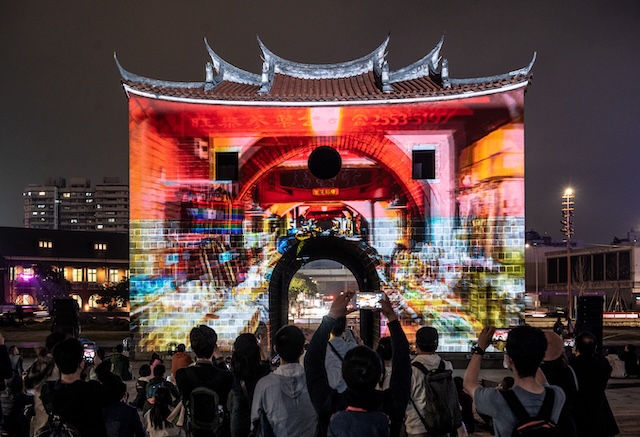
Brought to you by JCIM Destination Marketing & Consulting
The Taipei City Government will be showcasing its unique blend of modernity and tradition at IMEX America and ITB Asia this October, demonstrating how the city provides both a dynamic urban experience and opportunities for relaxation and wellness.
Taipei is increasingly recognised as a premier bleisure destination, encouraging business travellers to extend their stay, and explore the city’s rich culture, world-class cuisine, scenic beauty, and diverse activities tailored to both business and leisure visitors.
A major highlight of Taipei’s presence at IMEX America and ITB Asia will be the promotion of the upcoming World Master Games, an international sports event set to take place in Taipei from May 17 to 30, 2025.
This prestigious event will feature 35 sports disciplines, both modern and traditional, and is expected to attract around 40,000 sports enthusiasts from around the world. The World Master Games will seamlessly integrate culture, tourism, and international exchange.
As a top choice for event organisers in Asia, Taipei offers a vibrant atmosphere with a variety of festivals and events, all conveniently located near the main exhibition venues. With its efficient transportation network, including a world-class metro system and an international airport close to the city centre, Taipei provides unparalleled accessibility for international travellers.
For more travel information and in-kind support from Taipei City Government, contact MICE One-stop Service by email: micetour@gov.taipei or call: +886 2 2720 8889 (#2104/#2105).
UN Tourism issues a call for peace this World Tourism Day
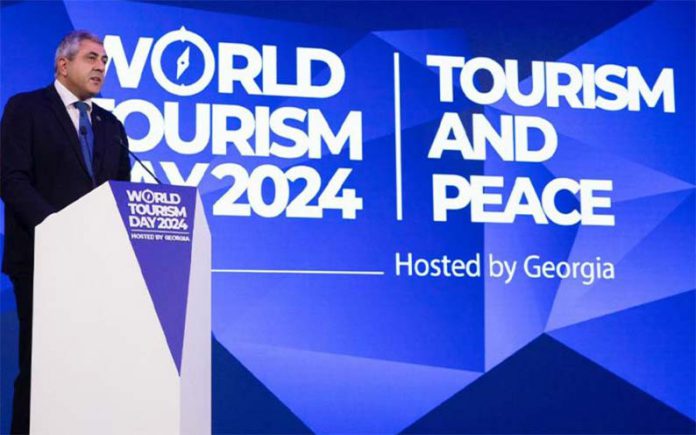
In celebration of World Tourism Day 2024, UN Tourism has brought sector leaders from every global region together around a common vision and commitment to building a “peace-sensitive sector”, recognising its potential to build bridges and foster understanding.
The official celebration in Tbilisi, Georgia welcomed almost 500 participants from 51 different countries, including 13 tourism ministers.

Reflecting its firm commitment to the day and its theme of Peace and Tourism, the host country was represented by prime minister Irakli Kobakhidze as well as seven other ministers, showcasing tourism’s cross-sectoral importance.
UN Tourism secretary-general Zurab Pololikashvili stressed that “without peace, there is no tourism”.
He said: “I call on all of you to help build a peace-sensitive tourism sector, one that plays a key role in building peace and ending conflicts, provides tourism stakeholders with tools to realise this potential, promotes tourism education as peace education, and links tourism to other peace building initiatives”.
Ministers representing Georgia, Uzbekistan, Sierra Leone and Bahrain made clear how peace and security are the foundations for prosperity, providing examples from their own countries and personal travels of how tourism connects people and promotes understanding. Key takeaways include the important role of tourism in combatting disinformation and mistrust, and the essential need to ensure the benefits tourism delivers are enjoyed fairly and equally across societies.
To complement the public sector view, the September 28 event also featured a private-sector panel. The dialogue explored the private sector’s potential and responsibility, and to leverage its strengths and capabilities to promote peace and stability through tourism, and how it can work with the public sector to achieve these essential goals. From the field of entrepreneurship and digital innovation, panellists highlighted the potential for tourism to rebuild post-conflict and create resilience against future shocks.
Natalia Bayona, executive director of UN Tourism, set out the case for tourism investments as key to both growth and peace and opportunity. She said: “We have seen time and again how tourism can transform post-conflict regions, provide employment and foster entrepreneurial initiatives. The private sector must remain committed to using its resources to build peace and create opportunities in emerging and vulnerable regions.”
TTC Tour Brands commits to nature support with donations tied to bookings

In line with World Tourism Day’s theme this year, Tourism and Peace, TTC Tour Brands – Luxury Gold, Insight Vacations, Trafalgar, Costsaver & Contiki – has committed donations to nature-based solutions partners GreenWave and Rainforest Rescue with every booking made between September 27 and October 4, 2024.
Donations will go to GreenWave’s Kelp Farming Project and Rainforest Rescue’s Daintree Project. The Kelp Farming Project focuses on supporting regenerative ocean farms through sustainable practices that restore marine ecosystems, support economies and global food systems, and draw down carbon. The Daintree Project is dedicated to protecting and restoring the Daintree Rainforest, one of the world’s oldest and most biodiverse rainforests, through reforestation and conservation efforts.
TTC Tour Brands hopes to ensure that the power of travel can be enjoyed by future generations.
“At TTC Tour Brands, responsible tourism isn’t just a philosophy; it’s a promise. We want to ensure that the joy of travel can be experienced by future generations. Our longstanding partnerships with GreenWave and Rainforest Rescue reflect this commitment. By focusing on carbon removal, we are going beyond simple offsets, working towards real environmental change.” said Mae Cheah, managing director of TTC Tour Brands, Asia.
“Every guest and every booking plays a role in protecting our planet’s future,” she added.
Travel advisors can be confident about making a positive impact when they choose TTC Tour brands for their clients, not only this week, but all year round. Every TTC Tour Brand itinerary includes at least one Make Travel Matter Experience, which directly connects guests with local communities and cultures while advancing at least one of the United Nations Sustainable Development Goals (UNSDGs).
In addition, parent firm The Travel Corporation’s five-year How We Tread Right sustainability strategy acts as a blueprint to addressing the impact of its business, offices and trips – all anchored to advancing the UNSDGs.
Cheah said: “Our commitment to sustainability is evident in every aspect of our operations, from the tours we design to the projects we support. So, when our travel advisor partners work with us and their clients join us on tour, they can feel good in the knowledge that they are making a real difference. The donations we’re making for each booking this week are our way of saying thank you to our travel advisor partners, guests and our suppliers, who both support our sustainability journey and make it possible.”
ForwardKeys to launch 36-month route-level forecast tool for travel retailers
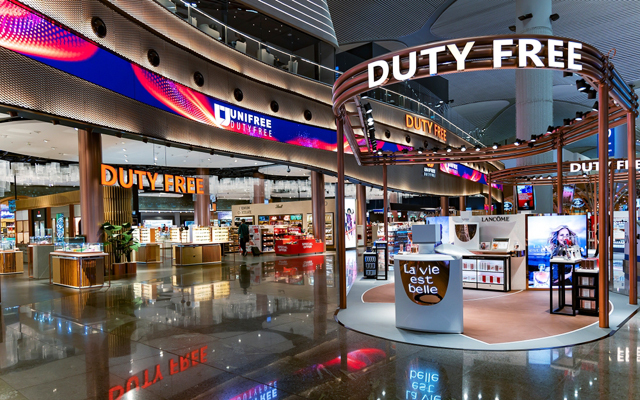
Travel intelligence firm ForwardKeys will launch in October a 36-month forecasting solution that is specifically tailored to brands and retailers located in airports. Said to be an industry-first, the tool will help brands and retailers to optimise strategy, enhance long-term marketing, and plan growth with precision.
Powered by self-learning and machine learning AI models, the solution continuously improves, offering duty-free retailers and other airport businesses an evolving tool to make smarter, more accurate strategic decisions.
Unlike traditional forecasts, which extrapolate from historical data, ForwardKeys combines up-to-the-minute booking data with its proprietary air capacity projections to deliver a more dynamic and responsive outlook.
It boasts global coverage spanning 4,750 airports and 900 airlines, and will differentiate domestic and international traffic.
The new tool complements ForwardKeys’ more granular 12-month forecast, which remains valuable for optimising day-to-day operations and reacting quickly to short-term shifts in traveller behaviour in a dynamic market.
Marina Giuliano, vice president, travel retail at ForwardKeys, said in a press release: “Our clients can now enhance efficiency, reduce costs, and improve decision-making up to three years into the future, which was not possible before. These forecasts enable brands and retailers to adapt strategy to the specific preferences and habits of different customer groups. Updates on market changes ensure decisions are always based on the freshest data available.”
ForwardKeys underscored the importance of accurate forecasting for the travel retail industry, as it faces rapid changes due to external factors like fluctuating market conditions and passenger flow disruptions.
Korean Air strengthens presence in Indonesia

With September marking Korean Air’s 35th year of flying to Indonesia, the airline has expressed intentions to deepen its presence in the market. Starting next month, Korean Air will boost its services between South Korea and Indonesia.
Its direct Seoul Incheon-Denpasar Bali service will be increased from 11 times a week to twice daily starting October 20. Operating throughout the winter season, which ends March 25, 2025, the service will be flown on the new Boeing 787-10 Dreamliner. The aircraft will replace the current B777-300ER and B787-9 on this route, allowing Korean Air to boost seat capacity by 45 per cent.

Speaking at a media roundtable in Jakarta last week, Tae Seok Lee, Korean Air’s Indonesian country manager, said: “Increasing our Bali service and bringing in our newest wide-body aircraft shows our commitment towards growing demand and staying competitive on this important route.”
Latest Statistics Indonesia data shows that South Korea is Bali’s fifth largest international inbound tourism market.
Lee said South Korean travellers valued Bali’s strong appeal.
“The island’s unique blend of centuries-old cultural traditions and world-class leisure facilities attracts a diverse range of visitors, from cultural enthusiasts to vacationing families,” he remarked.
“We see great potential in Bali’s continued growth as one of the top destinations for South Korean travellers.”
Passengers on the new B787-10 will have both Economy (289 seats) and Prestige Class (36 seats) to choose from. It is also the first aircraft to offer the airline’s new business class product.
The B787-10 Prestige Class, known as Prestige Suites 2.0, features lie-flat seats with a 46-inch (117cm) pitch and a width of 21 inches, 23.8-inch personal 4K monitors for inflight entertainment, as well as wireless charging pads and powerful 60W USB-C charging ports.
The one-two-one configuration provides easy aisle access for all Prestige-Class passengers.
Besides Bali, Korean Air also flies daily to Jakarta from Seoul Incheon International Airport, operated on Boeing 777-300ER.
Lee added that travellers from Indonesia often flew onwards to other destinations from the airline’s hub at Seoul Incheon Terminal 2.
Meanwhile, Lee said details for the 2025 summer season would be finalised at a later date.
Hyatt Regency brand prepares to enter the Maldives

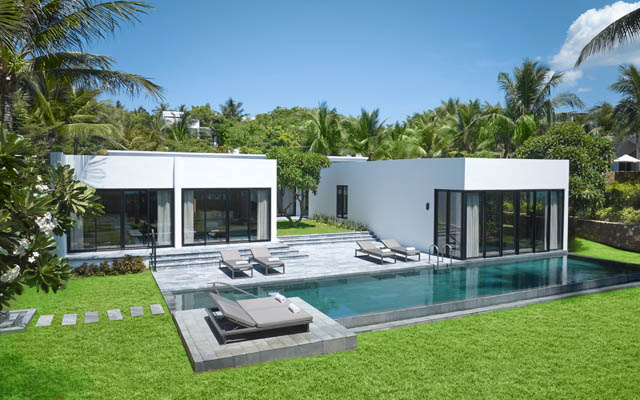
SingHaiyi has appointed the Hyatt Regency brand to managed its new property in the Maldives, with the all-villa resort set to open as Hyatt Regency Samarafushi Maldives in late 2027.
This will be Hyatt Hotels Corporation’s third property in the destination, joining Hyatt Maldives Hadahaa and Alila Kothaifaru Maldives.

Located 25 minutes away from Valena International Airport in Malé by speedboat, the resort’s prime location is expected to be a large draw for sun-seekers, culture lovers and marine enthusiasts seeking an accessible yet tranquil retreat. The North Malé Atoll is close to the capital and known for its proximity to popular diving and snorkelling sites where manta rays and hawksbill turtles are frequently spotted. Prime surfing destinations like Pasta Point and Sultans will also be accessible from the resort.
David Udell, group president, Asia Pacific, Hyatt, said: “The Hyatt Regency brand is rooted in a culture of bringing people together and fostering a spirit of community. For more than 55 years, it has inspired Hyatt guests to seek personal connections and professional collaborations in more than 40 countries around the globe.”
Gallant Tang, executive director of SingHaiyi, added: “With plans to be SingHaiyi Hospitality’s second property in the Maldives, Hyatt Regency Samarafushi Maldives will enhance our strategic presence in the destination. We have selected Hyatt because of its established reputation and leadership in the hospitality industry. We are excited to collaborate with Hyatt to develop a resort which will embody the elements of the Hyatt Regency brand that guests appreciate.”






Princess Cruises celebrated a major construction milestone on September 26 with the traditional maritime float out ceremony of its second Sphere-Class vessel, Star Princess, at the Fincantieri Shipyard in Monfalcone, Italy.
Following that, the new ship will transfer to the outfitting quay where construction will continue in anticipation of her Fall 2025 debut.
Star Princess joins her sister Sun Princess as the largest ships ever built for Princess Cruises. She is also the second in the new Sphere-class of ships for the cruise line and will be powered by liquefied natural gas (LNG).
While 20 per cent larger than any of Princess Cruises’ existing ships, Star Princess’ design retains the more intimate settings the line is known for, with several new spaces such as The Dome which is a transformational entertainment venue on the top deck inspired by the terraces of Santorini, and a three-storey dining room positioned at the aft of the ship to deliver breath-taking views. A suspended Sphere Piazza is also featured at the centre of the cruise ship, and the main theatre: The Princess Arena.
Star Princess’ inaugural sailing is set for October 4, 2025 when the ship will depart from Barcelona on an 11-day Mediterranean roundtrip cruise, visiting six ports such as Marseille, Rome, Naples, Sicily, Gibraltar and Cartegna in Spain.
The ship will then sail a seven-day cruise in the Mediterranean on October 15, 2025 before embarking on a 14-day transatlantic crossing to Fort Lauderdale in Florida, the US on October 22, 2024 where she will commence her inaugural season in the Caribbean.
Commodore Nick Nash and captain Gennaro Arma, who both were on hand for the ceremony, will serve as masters of Star Princess.
“Star Princess is the second ship in our new Sphere class, and now as she prepares to take to the water for the first time it is a testament to the incredible dedication and skill of the entire shipyard team,” said John Padgett, president of Princess Cruises.