Colliers has established a new hotels and hospitality services division to grow its business in Japan.
Led by senior director and head of hotels and hospitality, Kei Sumiyoshi, the new division will help accelerate the expansion of Colliers into Japan’s hotels and hospitality sector.
Sumiyoshi: domestic travel and demand for accommodation are being revitalised, and hotel services are diversifying
Colliers’ new hotels and hospitality services will include agency transactional services, hotel and hospitality-related consulting, as well as valuation of assets and operational businesses related to hotels and hospitality.
Sumiyoshi said: “With the establishment of the new hotels and hospitality services team in Japan, Colliers will leverage our extensive track record and know-how in the hotel and hospitality sector, cultivated both in Japan and overseas over many years. We will also leverage our comprehensive service capabilities as an experienced real estate provider to provide a wide range of high value-add services in the hotel and hospitality sector, from transaction advisory services for hotels in Japan to income and expenditure forecasting surveys for owners and investors.”
Singapore Hotel Association (SHA) kicked off its first Hospitality Exchange 2024 this morning at Hilton Singapore Orchard, a conference built to tackle vital industry trends and key concerns and of hoteliers operating in the city-state.
Welcoming participants, Kenneth Li, president of SHA, described the new conference as a “must-attend blockbuster event of the year” with a programme that leverages SHA’s expertise in innovation, sustainability and human capital.
The one-day Hospitality Exchange 2024 in Singapore was attended by top-level hoteliers and owners
Li expressed hopes that the Hospitality Exchange would become an annual platform for industry colleagues to “promote exchange of ideas, views on how to advance our industry, and to jointly tackle challenges we face through real-life case studies and experiences”.
Sessions included a panel discussion on the impact on the workplace brought on by the integration of people and technology, a panel discussion on co-creating a green hospitality experience, a presentation on latest sustainability trends and initiatives in Singapore, and more.
Hospitality Exchange 2024 comprised an exhibition component that showcased vendors supporting various operational aspects of hotels.
Speaking to TTG Asia on the sidelines, Li said the debut edition was well attended by about 270 people – most of whom were hotel general managers, senior leadership and hotel owners in Singapore.
When asked if the next edition would be held across more than just a day and target hoteliers from the region, Li said priority was to “start small and then slowly grow” the conference, with a focus on “captivating the local audience with topics right and relevant for us”.
As for topics to be featured next year, Li said the SHA team would look into leading trends of the moment and consider diving deeper into the same pertinent areas that were addressed this year.
“There are some ideas that I’ve already pencilled down,” he said, adding that breakout sessions could be built into future editions.
Minor Hotels has named Erik Billgren as the general manager of Anantara Peace Haven Tangalle Resort.
Bringing with him a wealth of expertise in experiential luxury hospitality, Billgren first joined Minor Hotels in 2021 where he served as general manager of Anantara Mui Ne Resort, and has since held other leadership roles at several of Minor Hotels’ key properties in Asia before joining Anantara Peace Haven Tangalle.
Umana Bali, LXR Hotels & Resorts, has appointed Brian D’Souza as its new director of operations.
With nearly two decades of experience in the hospitality industry, D’Souza will manage the daily activities across all departments, with a focus on operational excellence, financial performance, and enhancing the guest experience.
The Indonesia Ministry of Tourism and Creative Economy (MoTCE), together with regencies in Bali and East Java, has launched a new tour programme to promote Bali’s lesser-known destinations.
Dubbed as the 3B Tour Package, the multi-destination itinerary covers three destinations that start with the letter B, namely Banyuwangi in East Java, Bali Barat in West Bali, and Bangli in North Bali. Banyuwangi will serve as the entry and exit point of the tour.
The new tour covers Banyuwangi, Bali Barat, and Bangli in Bali; Lake Buyan in Buleleng, pictured (Photo: Dhini Oktavianti)
The package is available on the Wonderful Indonesia website as well as on Traveloka, Atourin, Mister Aladin, tiket.com, and Djalanin.com.
During the recent media briefing, MoTCE senior advisor Nia Niscaya shared that the introduction of this new tour package is an effort to “balance the tourism centred in the south” by directing tourists to less crowded areas which also have plenty of attractions to offer. The ministry is also confident that this new package will contribute between 10 and 15 per cent of arrivals to Bali.
“Banyuwangi has a lot to offer,” shared Taufik Rohman, head of Banyuwangi Regency Culture and Tourism Office. “The main attraction is Ijen Crater, which is a UNESCO Global Geopark. Banyuwangi is also known as a city with a million events as we have a lot of cultural and arts events, besides education, music, sports tourism.”
For West Bali, attractions include Lovina beach, Les Village, Singaraja, West Bali National Park and Madewa beach for surfing. Over in the north, Penglipuran village in Bangli is an award-winning tourism village known for its sustainability.
To get to Banyuwangi, travellers can take a plane from Jakarta, or check out the land and train services available from Jakarta and Surabaya.
At this initial stage, travellers can take the ferry from Ketapang in Banyuwangi to Gilimanuk, Bali – faster boat services will be available at a later date, travelling from Marine Boom Banyuwangi to Lovina with a stopover at Pemuteran Village pier in Buleleng area.
China Trading Desk’s latest 15,000-person report shows the continued growth in Chinese outbound travel volumes and that Chinese tourists are increasingly opting for more luxurious accommodations and longer trips booked later and later.
According to China Trading Desk’s Q3 China Outbound Travel Sentiment Survey, 130 million Chinese are predicted to travel abroad this year – a 28% rise over 2023 but still 25 million below pre-pandemic levels – with 200 million Chinese to travel outside the country by 2028.
Singapore ranks as the top destination for Chinese travellers, followed by Thailand and Japan
Critical Insights from the report include:
Last-minute planning dominates
73% of respondents plan to book their trips within a month of departure, underscoring the ongoing uncertainty and preference for flexibility in travel planning. This trend is particularly pronounced among Gen Z travellers, with nearly half planning their holidays within two weeks of departure.
Longer holidays preferred
The preference for longer trips is increasing, with 80.3% of travellers now choosing to spend between five and 15 days abroad. This marks a sharp decline in the preference for shorter holidays, down to 10% from 19.3% in the last quarter.
Preference for premium
A significant 64% of travellers now prefer accommodations rated four stars and above, with price, location, and amenities being the top factors influencing booking decisions.
Japan’s rising popularity
After losing its lustre with Chinese tourists in 2023, Japan has seen a return in popularity, jumping from the sixth to the third most preferred destination, trailing only Singapore and Thailand. The surge is attributed to favourable exchange rates, making it an attractive option for Chinese travellers.
Decline in first-timers
The share of first-time outbound travellers has decreased by 24.4% from 2Q2024, now accounting for 44% of respondents. This marks a significant drop from a peak of 64% in 3Q2023, reflecting Chinese travellers’ growing experience and confidence as international borders remain open.
Digital channels lead
Travel apps Xiaohongshu and Douyin remain the top channels for trip planning, used by over 50% of respondents. However, WeChat has seen a slight uptick in usage, suggesting that Chinese travellers increasingly utilise official accounts and videos on the platform for travel planning.
Shift in payment methods
While UnionPay remains the dominant payment method for outbound trips, there has been a noticeable increase in the use of Visa and MasterCard, with a growth of approximately 6.3%, indicating a broader acceptance of international payment options.
In addition, college-educated women from Tier One cities comprise the largest share of Chinese foreign travellers. As China Trading Desk research shows, Zoomer women are particularly adventurous, comprising 72% of Gen-Z travellers and continuing to lead Chinese outbound travel trends.
Subramania Bhatt, founder of digital marketing and research firm China Trading Desk, said: “China’s travellers are evolving – seeking quality, flexibility, and experience-driven adventures. This survey offers valuable insights for businesses eager to engage with this influential market worldwide.”
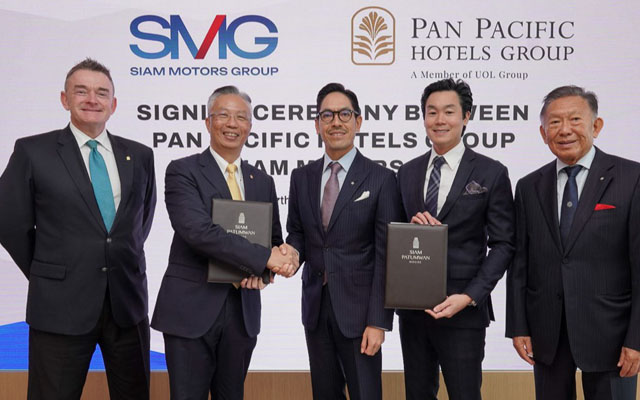
Pan Pacific Hotels Group (PPHG) has been appointed by Siam Motors Co. to manage Pan Pacific Siam Bangkok, which will be converted from an office building located in the heart of the capital city.
The building will undergo retrofitting works, which are expected to complete by 2027.
Pan Pacific Hotels Group and Siam Motors Co. will collaborate to develop the luxury hotel
Located in the commercial district of Pathumwan, Pan Pacific Siam Bangkok offers convenient access to major attractions, entertainment options and public transportation, including the BTS Skytrain which provides easy connectivity to other parts of the city.
The 18-storey hotel will offer 220 rooms and suites with city views, ranging from 37m² to 163m². Amenities include a Pacific Club Lounge, specialty restaurant, all-day dining venue, gym, yoga room, steam and sauna facilities, swimming pool, as well as a ballroom and meeting spaces.
“With recent successes in the development of award-winning Pan Pacific London and Pan Pacific Orchard in Singapore by UOL, the group is in a unique position to build on our expertise and PPHG’s technical services experience in the adaptive reuse of underutilised assets,” said Choe Peng Sum, CEO of PPHG.
Prakasit Phornprapha, president of Siam Motors Co., added: “By transforming a prime location, once an iconic office building, into a modern hotel, we are not only revitalising the space but also creating a new landmark in Bangkok. This project underscores our commitment to innovation and delivering exceptional experiences, making the hotel a future attraction for both local and international guests.”
Preferred Travel Group is reaffirming its commitment to sustainable tourism and climate action with the development of a comprehensive Climate Action Plan (CAP).
Created in partnership with the Travel Foundation, this initiative builds on Preferred Travel Group’s signing of the Glasgow Declaration on Climate Action in Tourism, and underscores the organisation’s proactive role in leading by example to drive necessary change within the travel industry.
Preferred Travel Group will release its CAP document in December, which will outline its climate action priorities in the coming years
Acknowledging the urgent need for climate leadership, scalable solutions, and collaborative efforts in the tourism sector, Preferred Travel Group will integrate climate action into its core priorities, supported by widespread employee engagement. By developing a corporate Climate Action Plan, the organisation also aims to integrate climate action into its broader metrics for measuring business success.
The development process for the organisation’s CAP is structured around the creation of a public-facing document that will define the company’s objectives and key actions to halve carbon emissions by 2030 and achieve net zero as soon as possible before 2050, bolstered by an internal cross-departmental implementation strategy with slated activities for 2025 and beyond.
Aligned with the five pathways of the Glasgow Declaration, the CAP will integrate associate engagement and input from across the organisation to ensure seamless integration and support throughout every department.
To kickstart this initiative, Preferred Travel Group worked with ecollective, a carbon consultancy based in the UK, to establish a baseline for its carbon emissions through a company-wide measurement process. This baseline is guiding the development of the CAP, which will ultimately outline specific strategies to reduce emissions, reach ambitious targets, and enhance accountability and transparency within the organisation.
Following a detailed analysis of ecollective’s findings, Preferred Travel Group’s policies, practices, philanthropic efforts, and input from associates, the organisation is working to identify opportunities to integrate climate action throughout its operations.
In addition, all-associate climate action training sessions will launch soon to build climate literacy, share best practices, and drive collective, meaningful change.
This process is expected to culminate in a condensed public-facing CAP document to be released this December, outlining Preferred Travel Group’s climate action priorities in the coming years.
Preferred Travel Group CEO Lindsey Ueberroth commented: “Our commitment contributes to protecting our planet’s natural and cultural heritage for future generations, and empowering local communities to adapt and thrive in a rapidly changing world.”
“We’re pleased to see the way climate action is being meaningfully resourced, as well as the way strategic discussions on climate are engaging all employees across the organisation, no matter which team or level of leadership they serve on,” added Jeremy Sampson, CEO of the Travel Foundation.
The Cathay/HSBC Hong Kong Sevens 2025 will be held at Kai Tak Sports Park (KTSP) from March 28 to 30 next year, where rugby teams and passionate fans from around the world can participate in this inaugural event.
This Sevens event will be one of the first major international sports events at the KTSP’s opening period, marking a significant milestone in Hong Kong’s sports legacy, and is expected to further boost the tourism and entertainment industries, creating significant economic benefits.
The Cathay/HSBC Hong Kong Sevens 2025 will be one of the first major international sports events at Kai Tak Sports Park
KTSP is working closely with the Hong Kong China Rugby (HKCR) and relevant government departments for the three-day event, which will be held at the Kai Tak Stadium. Accommodating up to 50,000 spectators, the venue is equipped with numerous international standard facilities, along with a wide variety of dining, retail, and leisure options within the precinct.
The Kai Tak Stadium is also one of the few venues globally designed specifically for rugby sevens, featuring more than 20 changing rooms to accommodate the needs of the multiple teams, referees and other personnel involved in Sevens matches, along with dedicated dining and rest areas for players.
Additionally, the Kai Tak Stadium is equipped with a soundproof retractable roof, allowing events to proceed regardless of weather conditions, and its bowl cooling system ensures a comfortable viewing experience from every single seat.
KTSP project director shared: “As Hong Kong’s home venue, we are truly honoured and excited to host this globally prominent sports event at KTSP. For Hong Kong, this sporting occasion not only promotes the development of local rugby but also showcases the city’s capability to host world-class events, enhancing its status as a mega events capital.”
Frasers Hospitality has launched a global campaign More to Explore, More to Save for travellers to discover new destinations with a choice selection of serviced apartments and hotel residences in more than 60 locations.
The campaign whets the appetite of those who wish to take a break from the hectic city life and dive into cultural experiences or savour an array of authentic dishes during their trips.
Frasers Hospitality’s new campaign allows travellers save while exploring the destination
Perfect for guests seeking to broaden their horizons in vibrant neighbourhoods and find local keepsakes to remember the experience, More to Explore, More to Save can be enjoyed at Capri by Fraser, China Square, Singapore; Modena by Fraser, Bangkok, Thailand; Fraser Place Chengdu, China; Fraser Residence Nankai, Osaka, Japan; Fraser Suites Le Claridge Champs-Élysées, Paris, France.
All a traveller needs to do is sign up as a Fraser World member in order to enjoy up to 37 per cent off accommodation rates, daily complimentary breakfast and 72-hour cancellation policy at participating properties, as well as exclusive discounts at selected properties.
Bookings are open until November 30 for stays before February 28, 2025.






 Bringing with him a wealth of expertise in experiential luxury hospitality, Billgren first joined Minor Hotels in 2021 where he served as general manager of Anantara Mui Ne Resort, and has since held other leadership roles at several of Minor Hotels’ key properties in Asia before joining Anantara Peace Haven Tangalle.
 With nearly two decades of experience in the hospitality industry, D’Souza will manage the daily activities across all departments, with a focus on operational excellence, financial performance, and enhancing the guest experience.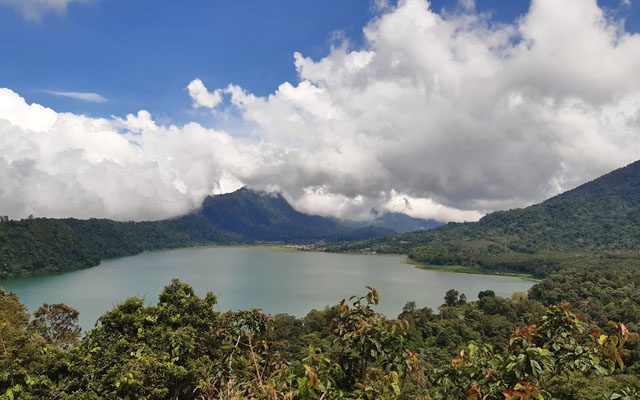













The Cathay/HSBC Hong Kong Sevens 2025 will be held at Kai Tak Sports Park (KTSP) from March 28 to 30 next year, where rugby teams and passionate fans from around the world can participate in this inaugural event.
This Sevens event will be one of the first major international sports events at the KTSP’s opening period, marking a significant milestone in Hong Kong’s sports legacy, and is expected to further boost the tourism and entertainment industries, creating significant economic benefits.
KTSP is working closely with the Hong Kong China Rugby (HKCR) and relevant government departments for the three-day event, which will be held at the Kai Tak Stadium. Accommodating up to 50,000 spectators, the venue is equipped with numerous international standard facilities, along with a wide variety of dining, retail, and leisure options within the precinct.
The Kai Tak Stadium is also one of the few venues globally designed specifically for rugby sevens, featuring more than 20 changing rooms to accommodate the needs of the multiple teams, referees and other personnel involved in Sevens matches, along with dedicated dining and rest areas for players.
Additionally, the Kai Tak Stadium is equipped with a soundproof retractable roof, allowing events to proceed regardless of weather conditions, and its bowl cooling system ensures a comfortable viewing experience from every single seat.
KTSP project director shared: “As Hong Kong’s home venue, we are truly honoured and excited to host this globally prominent sports event at KTSP. For Hong Kong, this sporting occasion not only promotes the development of local rugby but also showcases the city’s capability to host world-class events, enhancing its status as a mega events capital.”