Japan Airlines and Hoshino Resorts have partnered on a joint campaign to promote Japan’s lesser-known areas as tourism destinations.
The initiative, launched in October, “encourages visitors to discover lesser-known destinations, helping to alleviate overtourism while supporting regional revitalisation”, the pair said in a statement.
At the Oirase Keiryu Hotel, the Frozen Waterfall Night Tour invites guests to experience the winter wonderland at Oirase Gorge, pictured
The move is intended to support government efforts to disperse tourism impacts more evenly nationwide, as most overseas visitors still prioritise visiting places on the Golden Route, even as inbound tourism continues to grow.
According to the Japan Tourism Agency’s annual accommodation survey, overnight stays by international visitors totalled 117.75 million in 2023, surpassing the pre-pandemic level. However, 73 per cent of those stays were in Tokyo, Osaka, Kyoto, Fukuoka and Hokkaido.
The campaign comprises a new website to introduce the country’s hidden gems alongside its all-time favourites. Users can search based on five themes: winter wonderland, cherry blossom, outdoor adventure, festive fun and autumn leaves.
Hidden gems include Nagato, Yamaguchi Prefecture, where visitors can bathe in hot springs and view illuminated cherry blossoms in spring; Aomori Prefecture’s Towada, whose Oirase waterfalls freeze in winter; the Yaeyama islands of Okinawa Prefecture, where visitors can explore mangrove forests and coral reefs; and Nagasaki’s Kunchi Festival, which has been held for more than 400 years.
The campaign highlights that “every region is bursting with hidden gems, ready to be discovered by international travellers”.
Packages that combine Japan Airlines flights and stays at selected Hoshino Resorts are also available for purchase on the website.
Hyatt Asia Pacific has launched its Be More Foodie: Mindful Indulgence initiative across its eight properties in Thailand, offering curated menus to meet high nutritional standards and empowering the holistic well-being of diners.
Collaborating with a certified nutritionist and wellness advisor, the hotels’ restaurants and bars have carefully curated dishes and drinks that use responsibly sourced ingredients from local Thai farmers.
Hyatt Asia Pacific’s Be More Foodie: Mindful Indulgence campaign aims to support the well-being journey of diners through curated culinary experiences
Thai classics such as pad thai, gai yang, and mango sticky rice have been given a mindful makeover, with reduced sugar and added fibre, along with pasture-raised beef and chicken from organic farms across Thailand. Western comfort dishes, including whole grain pizzas topped with local organic vegetables, nutrient-packed pastas, and low-sugar desserts, are also elevated, showcasing a seamless fusion of wellness, flavour, and sustainability.
The Mindful Indulgence offerings are now available at restaurants, bars and lounges at the following Hyatt properties in Thailand: Park Hyatt Bangkok, Grand Hyatt Erawan Bangkok, Hyatt Regency Bangkok Sukhumvit, Hyatt Place Bangkok Sukhumvit, Andaz Pattaya Jomtien Beach, Hyatt Regency Phuket Resort, Hyatt Regency Koh Samui, and Hyatt Regency Hua Hin.
“At Hyatt, we see well-being as the ultimate realisation of our purpose – to care for people so they can be their best. Aligned with our food philosophy, Food. Thoughtfully Sourced. Carefully Served., we are excited to support the well-being journey of diners through curated culinary experiences that are both delicious and nourishing,” shared Christophe Sadones, vice president, food & beverage, events & product development, Asia Pacific, Hyatt Hotels and Resorts.
Earlier this year, Hyatt launched Be More Here, a new global brand platform to encourage guests to immerse in meaningful experiences rooted in care.
Ahead of Singles’ Day on November 11, Agoda has revealed the top international destinations for solo travellers, with Tokyo, Bangkok, Seoul, Osaka, and Taipei leading the list, based on its accommodation booking data.
Singles’ Day originated in China and has grown into a global phenomenon where individuals celebrate their single status. A day marked by self-gifting and travel, this makes it an ideal time for solo adventurers to explore new horizons.
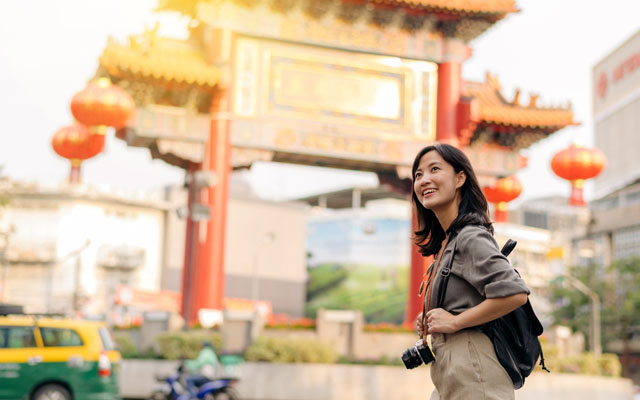
Bangkok’s colourful street life ensures there’s always something to see and do for those travelling solo
Agoda’s accommodation booking insights show a ranking of five cities that offer diverse attractions and lively cultures, making them perfect for independent-minded adventurers.
Here are the reasons why each destination stands out for single travellers:
Tokyo: A city where the old meets the new. Solo travellers can explore ancient temples and then dive into the world of technology. Tokyo is perfect for those travelling alone because it is safe, easy to navigate, and offers countless solo-friendly activities, from museums to quirky cafés.
Bangkok: Known for its lively streets and rich history, Bangkok is a treasure trove of sights and sounds. Its welcoming atmosphere and the ease of meeting fellow travellers in hostels and on local tours, along with the city’s colourful street life, ensures there’s always something to see and do for those travelling solo.
Seoul: With its dynamic cityscape and delicious food, Seoul is perfect for those seeking both excitement and relaxation. Solo travellers will find it easy to explore the city thanks to its efficient public transport and numerous solo dining options, making it a comfortable place to travel alone.
Osaka: Famous for its friendly locals and tasty street food, Osaka welcomes single travellers with open arms. The city’s warm hospitality and numerous attractions, like Universal Studios Japan and Osaka Castle, make it a great place for solo adventurers to explore at their own pace.
Taipei: A place where nature and city life blend seamlessly. From hiking trails to bustling night markets, Taipei offers a variety of activities that are perfect for solo travellers. The city’s safe environment and friendly locals make it easy to explore independently.
Andrew Smith, senior vice president, supply at Agoda shared: “A solo trip is the ultimate gift you can give yourself. Exploring the world, stepping out of your comfort zone, making new friends and memories… there’s nothing else quite like it.”
Sojern and Cloudbeds have teamed up to simplify hotel operations and boost guest engagement, offering solutions to tackle some of the biggest challenges faced by hoteliers today.
This strategic partnership will integrate Sojern’s travel-focused digital marketing and guest experience solutions with Cloudbeds’ system, enhancing accuracy and tracking. Sojern’s commission-based advertising helps hoteliers boost direct bookings, with payment only required after a guest’s stay.
The collaboration enhances bookings, segmentation, and repeat business through integrated solutions
Additionally, Sojern’s multi-property guest experience tools, optimised for both platforms, enhance customer segmentation and marketing, driving loyalty and repeat business.
Baskar Manivannan, vice president of guest engagement platform at Sojern, commented: “We’ve built the most robust digital marketing and guest experience solutions specifically for the travel industry, so it was only natural that we would partner with Cloudbeds to give our customers access to their industry-leading property management system.”
“Together, we’re offering a seamless solution that integrates flexible, demand-driven advertising across digital, social, and direct booking channels, powered by Cloudbeds’ Booking Engine and Sojern’s end-to-end tracking for superior accuracy,” added Sebastien Leitner, vice president of partnerships at Cloudbeds.
“Our collaboration also delivers multi-property guest experience tools tailored to both platforms, allowing hotels to refine customer segmentation and boost loyalty through personalised marketing.”
Preferred Hotels & Resorts has introduced its Live Like a Legend experience collection, featuring six bespoke adventures and personalised services across its Legend Collection hotels and resorts at iconic destinations.
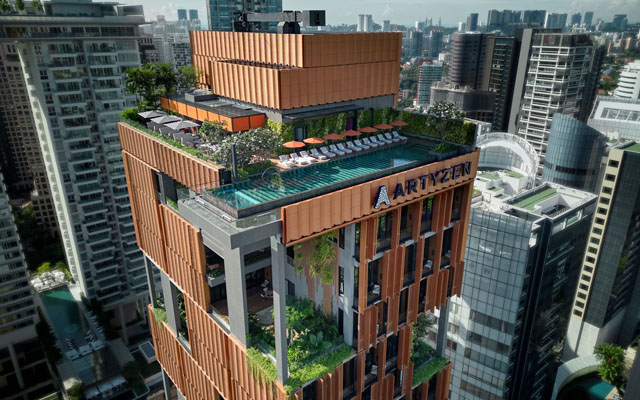
Guests can enjoy a lavish three-night stay in Artyzen Singapore’s Penthouse Suite, one of the six Live Like a Legend experiences by Preferred Hotels & Resorts
The Londoner: Stay three nights in the Tower Penthouse Suite of The Londoner in the UK, which includes chauffeur-driven Rolls Royce tours through London’s iconic landmarks, personalised shopping experience at Selfridges with a private stylist, a bespoke perfume profiling session at Miller Harris, and dine with a private chef and mixologist. Round out this experience with VIP tickets to a West End show and private, after-hours tours of the Tower of London and the Churchill War Rooms. Prices start from US$77,000 for two guests for stays between January 2 and March 31, 2025.
Artyzen Singapore: An urban oasis located in the heart of Singapore, guests can indulge in a lavish three-night stay in Artyzen Singapore’s Penthouse Suite, which features a gourmet breakfast in bed, a culinary masterclass, a private market tour and wine pairing by the in-house sommelier, spa treatments, and a private sunset yacht cruise along Singapore’s coastline. Prices starts from US$60,000 for two guests for stays between December 1, 2024 and June 30, 2025.
Shutters on the Beach: Experience beachside luxury living at Shutters on the Beach nestled on the sands of Santa Monica in California. Inspired by New England charm, the hotel offers a romantic getaway with a two-night stay in an Ocean Front Suite, a chauffeured luxury car service, in-suite dinner by a personal chef, spa day, a personalised message illuminated on the renowned Pacific Park Ferris Wheel at the Santa Monica Pier, and a sunset yacht cruise along the California coastline. Prices start from US$22,000 for two guests for stays between December 6, 2024 and March 30, 2025.
Hotel Casa del Mar: Step into a world where Jazz Age elegance meets Mediterranean charm at Hotel Casa del Mar, a beachfront haven in Santa Monica, California. Guests can immerse in the world of fine art with a two-night stay in the Pacific View Suite, which includes a personalised tour of the hotel’s collection, and a private art tour led by a renowned LA art buyer, with exclusive access to top museums, galleries, and private collections. After a day of cultural exploration, enjoy a private, chef-prepared dinner and a spa day for two. Prices start from US$18,000 for two guests for stays between December 6, 2024 and March 30, 2025.
The Hermitage Hotel: A landmark steeped in Southern charm since 1910, The Hermitage Hotel in Nashville, Tennessee invites guests to experience the vibrant soul of Music City with a five-night stay in the Hermitage Suite during CMA Fest. Guests will enjoy VIP access to all four days of the festival, with exclusive seats offering the best views of the performances. Also included are a curated tasting menu at Drusie & Darr by Jean-Georges, private limousine transfers, afternoon tea on the hotel’s iconic Veranda, and a one-of-a-kind personalised song-writing experience, where guests collaborate with a professional songwriter to craft a hit song. Prices start from US$29,000, for two guests for stays between June 4 and 9, 2025.
Montage Big Sky: Set in the Montana wilderness in the US, Montage Big Sky offers a five-night stay in the Vista Six-Bedroom Residence, offering the perfect retreat for a group of up to four adults. This exclusive residence provides private ski-in/ski-out access to Big Sky Resort’s slopes, where guests can begin each day with custom-fitted ski gear and expert boot fittings, while legendary skier Dan Egan offers private lessons to refine skills on the slopes. Adventure-seekers will revel in a private helicopter excursion to Crazy Mountain Ranch, thereafter relax with personalised treatments at Spa Montage. Cap off the experience with gourmet dinners prepared by a personal chef and cosy evenings by the fireplace. Prices start from US$90,000 based on four adults sharing. Bookings open from December 1, 2024 to April 10, 2025 for stays between December 10, 2024 and April 15, 2025.
Book each experience by contacting Preferred Hotels & Resorts’ VIP Desk, which offers personalised service ensuring that every detail is tailored to the guest’s desires.
Royal Caribbean’s Ovation of the Seas is back in the iconic Sydney Harbour to mark the start of a season across Sydney and Brisbane.
The season’s line-up of 22 holidays features up to 14-night holidays that visit destinations around Australia, the South Pacific and New Zealand, with four options of two- to three-night weekend adventures.
Ovation of the Seas has returned to Sydney for a new sailing season
The seven- to 10-night holidays to the South Pacific will take guests island hopping between white sandy beaches, snorkelling or stand-up paddleboarding at the idyllic Mystery Island and explore Vanuatu’s capital, Port Vila, and spots like the famed Blue Lagoon.
The 10- to 11-night New Zealand adventures visits destinations like Bay of Islands, Dunedin, Wellington and Picton – travel over Christmas with a 10-night New Zealand getaway on December 18, or bring in the New Year on a 10-night holiday departing on December 28.
Ovation of the Seas will also offer two special seven-night immersive adventures in November 2024 and March 2025 to celebrate Royal Caribbean’s exclusive partnership with Ponting Wines, co-founded by Australian cricket legend Ricky Ponting, with uniquely crafted holidays for wine lovers and sport aficionados.
In addition, Quantum of the Seas will return on December 1 with two- to 14-night holidays that make for the best family getaways from Brisbane to the picturesque islands of the South Pacific, New Zealand and the Queensland coast.
Grand Hyatt Jakarta has named Fauzia Bonita Agustina as its new director of sales.
She has more than 15 years of experience in the hospitality industry, and had started her career with Hyatt back in 2018.
Her experience in negotiating high-value contracts and strong relationships with stakeholders will be instrumental in further elevating Grand Hyatt Jakarta.
A new long-distance hiking trail showcasing some of Japan’s rarest and most unspoiled natural environments has opened in eastern Hokkaido.
An initiative of the Ministry of Environment, the path is designed to increase the appeal of the area among inbound and domestic visitors amid increasing interest in physical activity, the outdoors and wellness, particularly among international travellers.
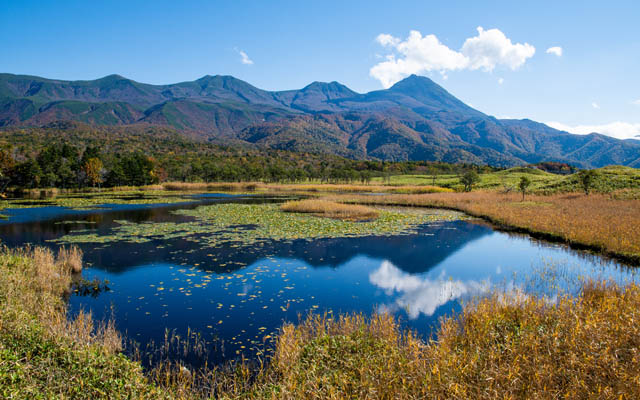
The new hiking trail takes travellers across national parks of Kushiro-Shitsugen, Akan-Manshu and Shiretoko, pictured
Japan is the third most popular destination for adventure travellers globally, according to the 2023 Adventure Travel Industry Snapshot report released by the Adventure Travel Trade Association. Among those travellers, hiking, trekking or walking were in the top five trending activities.
Hokkaido’s 410km route links the three national parks of Kushiro-Shitsugen, Akan-Manshu and Shiretoko, an expansive area that includes Japan’s largest wetland and largest caldera lake.
It links Kushiro in the south-east to Rausu in the north-eastern tip via Teshikaga, traversing marshland, volcanic landforms, farmland and the coastline to showcase the local environment.
Shiretoko is a UNESCO World Natural Heritage site, renowned for its rich ecosystem that supports globally endangered bird species. Here, visitors can also spot the red-crowned crane, Yezo deer, and Ezo red fox.
Campsites and lodging facilities, as well as tours for canoeing, cycling and wildlife observation, are available along the route.
According to the Hokkaido East Trail Management Office, the walking trail “will serve as a pillar of the trail network concept, allowing people to enjoy the national parks’ nature at their own pace over an extended stay and to enjoy a wider range of walking trips”.
Wyndham Hotels & Resorts has grown its direct franchising business in China, with nearly 600 hotel signings across the country in just five years.
The achievement is a testament to Wyndham’s owner-first approach to franchising and increased efforts in recent years to reduce its reliance for growth on master licensees – a move underscored in 2019 when the company reacquired direct franchising rights for its Days Inn brand in China.
Wyndham has opened nearly 300 direct franchised hotels in China over the last five years; Wyndham Sun Moon Lake, pictured
Presently the largest US-based hotel company in China by number of properties, Wyndham has a footprint spanning more than 1,600 hotels and more than 180,000 rooms across 13 of its 25 brands. In 1H2024 alone, Wyndham signed direct franchise agreements for more than 70 hotels in key markets including Beijing, Jiangsu and Guangdong.
In addition, Wyndham has opened nearly 300 direct franchised hotels in China over the last five years spanning economy to upscale accommodations. The company also continues to broaden its portfolio of brands in the country, introducing both Hawthorn by Wyndham and La Quinta by Wyndham at that same time, the latter of which now has four hotels open and another six in the pipeline.
Standout hotel openings since 2019 include: Hawthorn by Wyndham Dali Erhai Park, La Quinta by Wyndham Weifang South, Wyndham Garden Qionglai Downtown, Wyndham Grand Shanxi Xiaohe Xincheng, Wyndham Shanghai Nanxiang, Wyndham Sun Moon Lake, and Wyndham Tai’an West.
“Through direct franchising, we gain greater control over the consistency and direction of our brands in China while unlocking the benefit of building long-term relationships with franchisees – all of which are key to driving further expansion,” said Joon Aun Ooi, president, Asia Pacific, Wyndham Hotels & Resorts.
KS Hotels and HMD Asia have acquired two iconic La Résidence hotels, located in Siem Reap, Cambodia and Luang Prabang in Laos.
Both properties were previously owned and managed by Belmond.
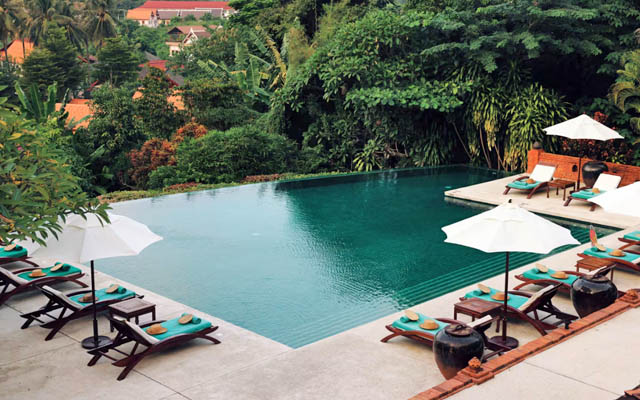
La Résidence Phou Vao is now managed by HMD Asia
La Résidence D’Angkor is currently closed for renovation and will reopen in 4Q2025 under the management of HMD Asia. The hotel is located on the riverside in Siem Reap, the gateway to the storied temples of Angkor Wat. La Résidence D’Angkor guests will be steps away from the boutiques, cafés and tree-lined avenues of Siem Reap, and a short journey to the legendary temples.
Meanwhile, La Résidence Phou Vao, the hilltop sanctuary within the UNESCO Heritage region of Luang Prabang, Laos will continue normal operations but under the new HMD Asia management.
Anthony Lark, executive director, HMD Asia, commented: “We feel a deep sense of honour and responsibility in managing these beautiful small hotels and we are excited to continue their legacy of service and attention to detail, while continuing to develop unique guest experiences in the future.”







 Her experience in negotiating high-value contracts and strong relationships with stakeholders will be instrumental in further elevating Grand Hyatt Jakarta.