Canopy by Hilton Osaka Umeda, Japan
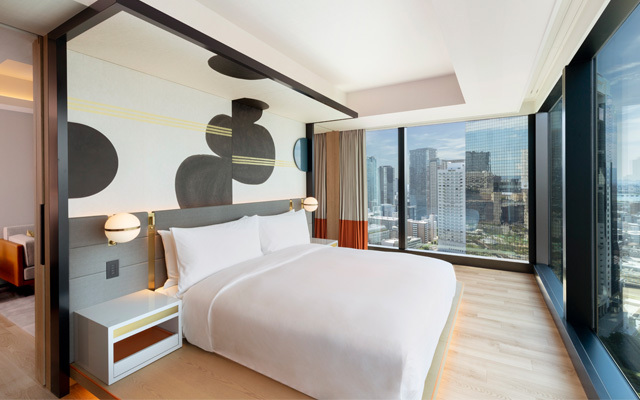
The 308-key Canopy by Hilton Osaka Umeda has opened in Japan, offering a new stay option close to JR Osaka station and within the new Grand Green Osaka mixed-use development. Guests can maintain their wellness regime at the 24-hour fitness centre, explore the surrounds on Canopy’s bicycles for free, and enjoy meals and refreshments at a variety of F&B outlets onsite.
The hotel also offers a selection of pet-friendly rooms.
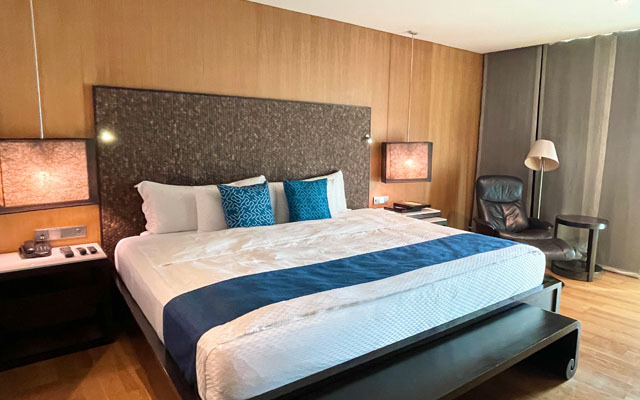
TUI Blue Maduzi Bangkok, Thailand
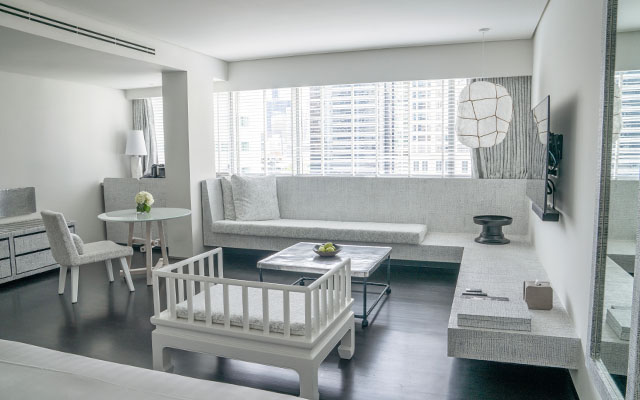
The Thai capital has welcomed the first TUI Blue branded property in Thailand. TUI Blue features 41 stylish rooms, a range of amenities including a bar, a gym, an outdoor swimming pool, and a spa.
It is designed for leisure and relaxation while offering guests convenient access to restaurants, shopping centers and popular attractions. Asok BTS station and Sukhumvit MRT lines are a four-minute walk away, while Queen Sirikit National Convention Center and Benjakitti Park are 100m across the road.
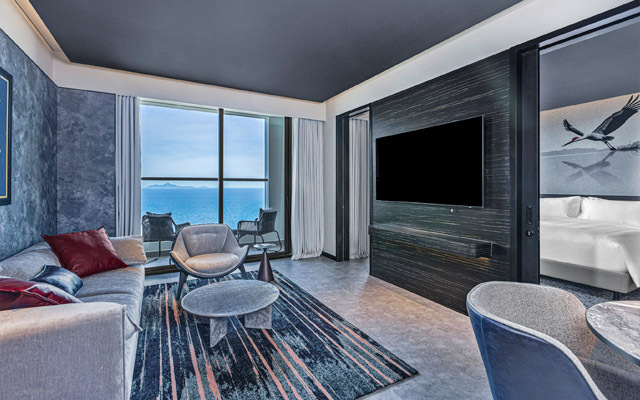
Radisson Red Danang, Vietnam
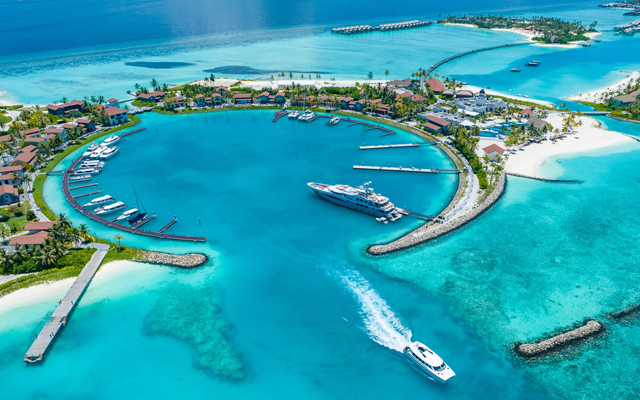
Radisson Red Danang has debuted on Vietnam’s central coast. The upper-upscale hotel features 153 rooms and suites, an outdoor pool, steam room, sauna, heated jet pool, well-equipped fitness centre, and four F&B outlets.
It welcomes corporate events with its Meeting Hub on the third floor.
The property is ideal for guests planning on taking in the sun, sea and sand at My Khe Beach and as a base to explore the Marble Mountains and UNESCO World Heritage sites such as Hoi An Ancient Town.
Kai Okuhida, Japan
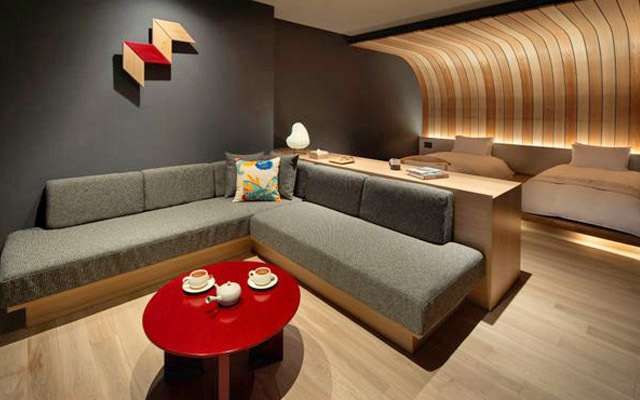
Opened on September 5, Kai Okuhida in Okuhida-Onsengo, Gifu Prefecture, Japan invites guests to wake up to a scenic mountain hot spring and relax in a traditional Hida-designed inn.
The unique outdoor architecture of Kai Okuhida comprises two accommodation buildings, a bathhouse, and an annex building which are connected by a courtyard, a crossroad, and an alley space. Guests can enjoy the fresh mountain air while wearing Japanese sandals as they walk to the foot baths located throughout the premises.
The property offers 49 keys, 28 of which are rooms with outdoor hot springs.
The location is a base for some of Japan’s most famous mountain sightseeing spots: Hida Takayama and UNESCO World Heritage Site Shirakawa-go as well as Kamikochi, Norikura, and Shinhotaka.
Guests are served a kaiseki dinner featuring the prefecture’s signature Hida beef, one of the leading brands of local wagyu that is favoured for its tender meat and high-quality fat content.






 Accor underwent a global organisational restructuring several years ago – what has it achieved?


 Kapek has spent nearly 20 years in leadership roles within the group, managing hotels and resorts across multiple destinations. He was most recently vice president operations at Shangri-La’s China World Trade Center hotels.