Indonesia’s Ministry of Tourism and Creative Economy has now been separated into two new ministries under president Prabowo Subianto’s Red and White Cabinet, and marks the nation’s commitment to fostering its tourism sector.
Just hours after Prabowo took the oath on Sunday, Widiyanti Putri Wardhana, chief operating officer of Teladan Resources, was appointed as the new minister of tourism. This role was previously combined with the creative economy and led by Sandiaga Uno.
From left: Prabowo and Widiyanti Putri Wardhana; photo by Instagram/@widi.wardhana
Widiyanti Putri Wardhana is an entrepreneur with diverse interests in industries such as agro-resources, energy, oil and gas technology, strategic properties, and media. A graduate of Pepperdine University in Malibu, California, she also serves as the secretary-general of the Indonesian Heart Foundation.
Prabowo also announced Ni Luh Ernik Ermawati as the deputy minister of tourism. Known as a television presenter, Ni Luh will support Widiyanti in developing tourism in Indonesia.
The inauguration earlier today included the line-up of 109 ministers, deputy ministers, and heads of state institutions. The first cabinet meeting will be held tomorrow, where the president will outline the duties and objectives of each ministry for the next five years.
From 2014 to 2019, Indonesia had a single Ministry of Tourism. In the second term of then-president Joko Widodo’s government, tourism was integrated into the Ministry of Tourism and Creative Economy.
Prabowo views tourism as a key pillar of Indonesia’s future economy, requiring dedicated focus and a stand-alone ministry. This separation aims not only to unlock the full potential of the tourism sector but also to support the goal of achieving an economic growth target of eight per cent, up from the current five per cent.
Efforts to increase overnight stays in Nara are coming to fruition with the opening of government-subsidised hotels, but it remains unclear whether more beds will encourage visitors to spend the night.
Nara has long-been considered a day trip destination, with inbound tourists typically visiting Nara Park to see Todaji Temple and the free-roaming deer before returning to Kyoto or Osaka in the evening. As a result, only 2.64 million visitors stayed overnight in 2023, the fourth-lowest prefecture for overnight stays, according to the Japan Tourism Agency.
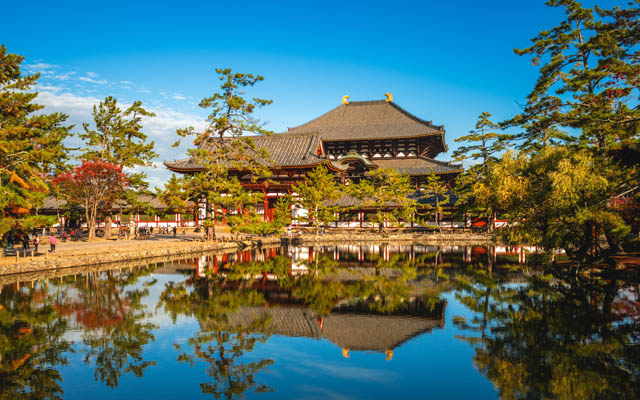
Japan aims to promote Nara as an overnight destination, with more to offer than just the free-roaming deer and Todaji Temple, pictured
Attributing this trend to insufficient accommodation, the prefectural government set a goal of increasing the number of guest rooms by 1.2 times (to 12,000) by the end of March 2025, and introduced a 200 million yen (US$1.4 million) subsidy for each new hotel to open in the area.
French hotel brand Novotel, which opened in Nara in September, and Japanese business hotel brand Toyoko Inn, which opened last year in Tenri, are among the businesses receiving the subsidy.
InsideJapan Tours representatives recently spent two nights in Nara at some of the new accommodation, and the company is confident that their customers will be interested in Nara as an overnight destination.
“Walking around (Nara) park early in the morning or in the evening is a magical experience,” said Tyler Palma, global head of operations, adding that InsideJapan aims for staying overnight rather than day tripping as “an important step in positively impacting the local community”.
More accommodation alone, though, will not boost overnight stays, according to local guide Yuri Watanabe, who noted: “When my customers learn about Nara from me while I’m guiding, they often say they wished they hadn’t planned to leave so soon. They simply don’t know what Nara has to offer before getting here.”
The Tourism Promotions Board (TPB) Philippines, in partnership with Live Nation, recently hosted internationally acclaimed band LANY in the country, marking a pivotal step in positioning the Philippines as a premier destination for world-class entertainment.
The partnership marks the beginning of a larger initiative aimed at revitalising the Philippine tourism landscape. While Manila and Cebu serve as the initial launchpad, plans are already underway to bring more international acts to various regions of the Philippines.
TPB aims to promote the Philippines as a global hub for entertainment, bringing in global performers such as LANY, pictured; photo by Live Nation Philippines
LANY’s sold-out concert captivated fans from across the country and showcased Manila and Cebu’s potential as top-tier venues for international events.
TPB COO Maria Margarita Nograles noted that LANY’s strong fanbase and their track record of sold-out shows made Cebu – one of the major hubs in the Philippines – an ideal venue for this landmark collaboration. Prior to their three-night run in Cebu, the band also performed at the iconic Philippine Arena in Bulacan as part of their A Beautiful Blur world tour.
Fans from across the Philippines and neighbouring countries flocked to Cebu for the concert, driving hotel occupancy, F&B sales, and overall economic activity.
Upcoming concerts are expected to integrate other tourism initiatives, such as food festivals and eco-tourism experiences, ensuring that visitors enjoy a holistic travel experience.
Maria shared: “When Live Nation proposed a destination music festival, it felt like a natural step for us. It aligns with our goal to promote the Philippines as a global hub for entertainment.
“Concerts like these are not just about the performance; they’re about creating lasting memories for visitors who experience the Philippines in a new light.”
Known for its heritage as a royal resort town, Hua Hin has made a strong comeback as a popular post-lockdown destination, and Avani+ Hua Hin Resort has played a role in this revival by attracting millennials with a mix of wedding venues, wellness-focused MICE programmes, and pet-friendly facilities.
According to resort manager Ravi Ganglani, the property primarily serves as a “MICE-leisure” hotel, with around 65 per cent of its business coming from MICE and weddings, especially Indian weddings, and 30 per cent from leisure travellers, including families and honeymooners.
Avani+ Hua Hin Resort was one of the first hotels in the area to welcome pets on its premises
“Hua Hin’s accessibility from Bangkok, beautiful beaches and weather, and family-friendly atmosphere, make it ideal for destination weddings,” said Ravi, adding that with no flights involved, it makes it convenient to transit “for both local and international guests”.
The resort has also capitalised on the growing wellness trend, opening an integrated wellness centre on the property.
“We see a lot of travellers extending their stay one to two days to unwind, and they turn to our wellness programmes for activities, such as whole body assessments or physiotherapy,” explained Ravi.
He continued: “We’ve also integrated wellness into our MICE offerings. We offer a physiotherapist during break time to teach people how to sit and how to get the maximum best posture, and avoid what leads to tiredness during the day.”
Additionally, Avani+ Hua Hin Resort was one of the first hotels in the area to become pet-friendly.
“Previously, there was little demand for pet-friendly travel, but during this time, pets became valued members of the family. That’s why we transformed into a pet-friendly hotel. We trained the staff, developed best practices, and now it’s natural to see pets walking around the hotel without fear or hesitation (on our part),” he shared.
To further engage pet parents – many of whom frequently drive their pets from Bangkok to enjoy the beach side – the resort hosts an annual pet weekend where the entire resort becomes a haven for pets with a pet fashion show, games, and sessions with professional trainers.
Looking ahead, Avani+ Hua Hin Resort is preparing for the PATA Destination Marketing Forum 2024 with a full moon island-themed farewell party. Ravi shared that the event will feature local culinary highlights from Petchaburi and Prachuap Khiri Khan in a relaxed atmosphere where participants can really let their hair down.
While the destination has seen growth, Ravi believes there is still potential to unlock.
“Hua Hin is starting to take off, but we need government support. With infrastructure improvements, like completing the expressway from Bangkok and increasing flights, Hua Hin can thrive even more, much like Pattaya after its expressway was built,” he concluded.
Cathay Pacific has unveiled of its all-new Business class, Aria Suite, together with its new Premium Economy and refreshed Economy onboard its retrofitted Boeing 777-300ER aircraft.
The aircraft debuted on its Hong Kong-Beijing route on October 18, and will be progressively deployed on other regional and longhaul routes.
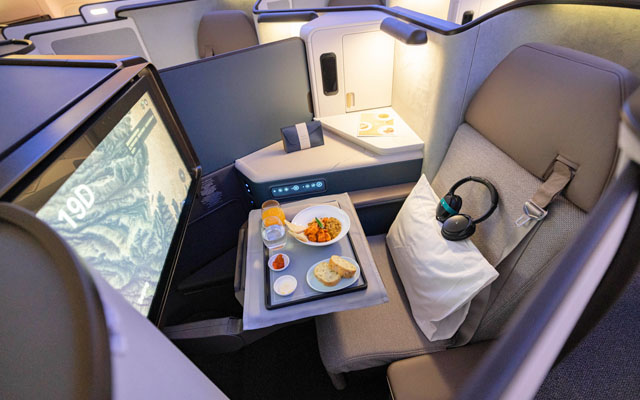
Cathay Pacific’s new Business class, Aria Suite, provides passengers with comfort, privacy and a sense of personal space
Soon to follow will be a new First Class experience onboard the airline’s 777-9s, and a brand-new flat-bed Business class product on its Airbus A330s.
Aria Suite passengers will be able to enjoy a holistic and immersive experience where comfort, privacy and a sense of personal space are completely reimagined.
Cathay Group chief customer and commercial officer Lavinia Lau said: “To solidify our role in both the industry and the community, we’ve committed a significant investment of over HK$100 billion over the next seven years into our fleet, cabin products, lounges, and digital and sustainability leadership, reflecting our confidence in Hong Kong’s long-term growth and its position as a key player in global aviation.”
Best Western Kuta Villa lets travellers explore the lively Kuta market
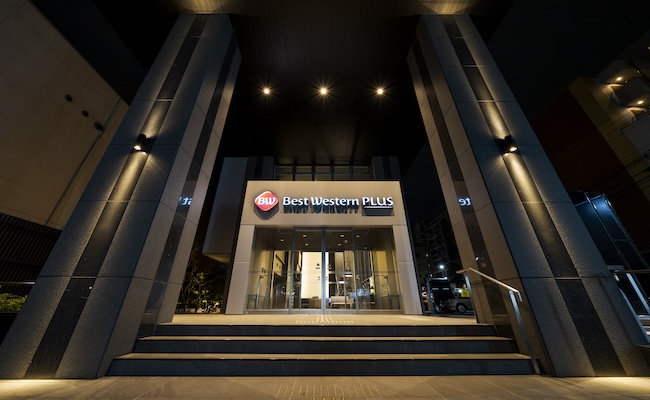
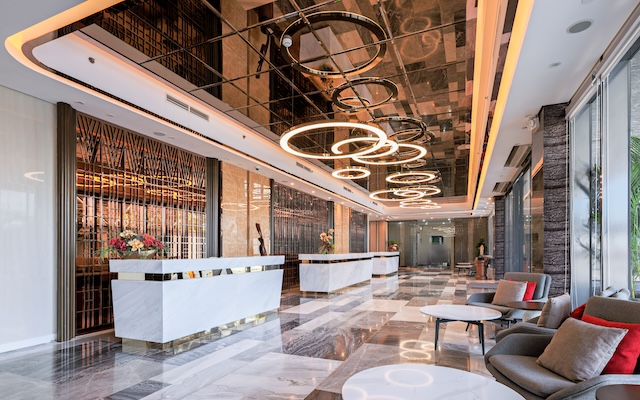
Located in downtown Tenpin, Best Western Plus Fukuoka Tenjin-minami is the perfect base for exploring the Kyushu capital
Best Western Plus Hotel Metro Clark is a located right next to the Saver’s Mall in downtown Angeles City, perfect to stay while trying street food delights such as saw and sisig
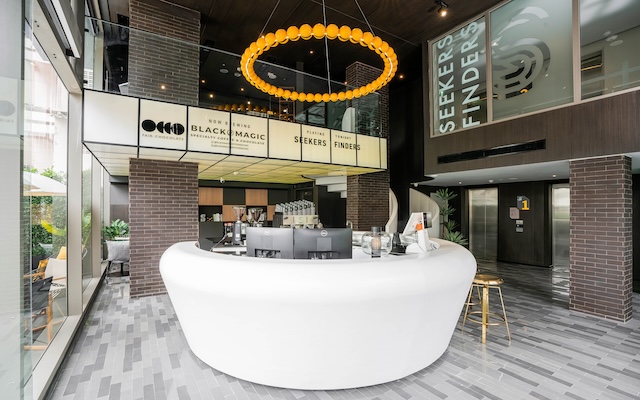
The Seekers Finders Rama IV Hotel is filled with modern comforts and amenities
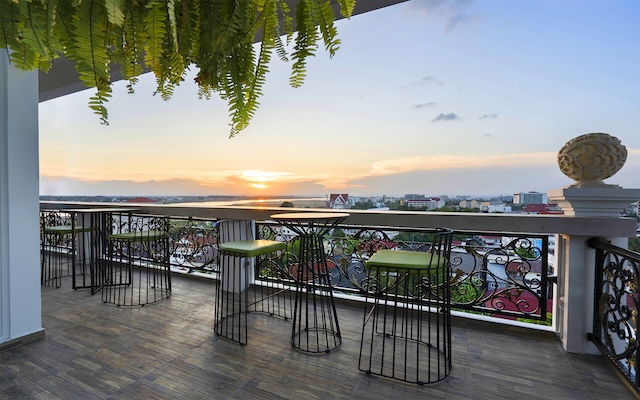
Admire the sunset and skyline of Vientiane at SureStay by Best Western Vientiane
Asia’s diverse food culture makes it a pure paradise for food lovers and enthusiasts alike. The region is home to many of the world’s richest and storied culinary destinations, with famous dishes that have been honed through time tested traditions through the centuries, and modern, innovative techniques that produce powerful flavour combinations.
However, there’s no need to book a fine dining restaurant to experience the region’s best food. Some of the most authentic dishes can be found on the streets. Whether you are planning a dedicated gastronomic adventure or simply want to soak up the local culture, Asia’s street food offers a great introduction to your destination.
To be in the best location so you can hit the ground running for your food haunts, BWH Hotels has a variety of comfortable, conveniently located accommodations that serve as the ideal base for exploring the vibrant street food scene of your destination. Here are some of the hotels and guide to some of Asia’s best street food:
Fukuoka, Japan
The capital of the southern island of Kyushu, Fukuoka, has a lively street food scene. Head for the city’s open air food stalls known as ‘yatai’ in the evening around the Tenjin and Nakasu areas. They seat up to eight people, and are great for socialising with friends or the locals. Soak in the convivial atmosphere as you tuck into a simmering bowl of hakata-style ramen, specific to the region, or try yakitori, tender chicken skewers grilled over coals.
Best Western Plus Fukuoka Tenjin-minami, is perfectly positioned in the heart of Tenjin, Fukuoka’s vibrant downtown district, surrounded by stylish bars and cafés.
Bangkok, Thailand
SureStay Plus by Best Western Sukhumvit 2 is located right in the heart of the city and near the BTS station for convenient exploration
Bustling Yaowarat Road in Bangkok’s Chinatown district is the place to be as it comes alive at night with neon lights illuminating the busy street. Countless food stalls line both sides, serving a diverse array of dishes from grilled seafood to steaming bowls of noodle soup. Popular treats include crispy pork, pad Thai, dim sum, roasted chestnuts, and mango sticky rice.
Alternatively, SureStay Plus by Best Western Sukhumvit 2 offers contemporarily decorated rooms in the heart of the city, and is crowned with a spectacular rooftop pool and bar.
Jakarta, Indonesia
Best Western Premier The Hive in East Jakarta offers seamless access to business and leisure spots
For those who want authentic Indonesian street food, head to north Jakarta for the Gajah Mada Food Street, a trendy food court with wooden tables and live music.
Known for its vibrant mix of traditional Indonesian and Chinese street food, must try dishes include nasi goreng, bakso, and spicy soto ayam. The atmosphere is lively, with the aroma of grilled meats and sizzling woks filling the air, while colourful displays of food create a feast for the eyes.
Staying at Best Western Mangga Dua Hotel & Residence places guests in the historic heart of North Jakarta, with its various suites and residences, as well as facilities including a pool, spa and restaurant.
There is also Best Western Premier The Hive, an upscale hotel in East Jakarta located in the central business Cawang district, and near to amusement parks, recreational areas, and cultural experiences. From the hotel, it takes just 10 minutes to get to Halim Perdana Kusuma Airport.
Bali, Indonesia
Popular Bali has no shortage of Indonesian cuisine. But to immerse yourself in the local culinary scene, head to Kuta Night Market, a bustling market where residents come to socialise and grab a bite.
Do not miss out on the grilled satay skewers and gulai, Indonesian meat stew which is cooked in a fragrant soup with turmeric, ginger and many other herbs and spices.
To get the most out of your street food ventures, stay at Best Western Resort Kuta, situated in the centre of this popular tourist hub, and within easy walking distance of the beach and shops.
Also in Kuta is the Best Western Kuta Villa, designed in modern Balinese architecture with fully equipped rooms, in-house gourmet restaurant, a pool bar, and easy access to the beach.
Vientiane, Laos
Although laidback, Vientiane promises a gastronomic feast at the food stalls of the iconic Pha That Luang temple. Try dishes such as Khao Piak Sen, traditional Lao noodle soup, Lao Sausage, or khao tom, steamed banana leaf parcels filled with sweet sticky rice and coconut. At times, fillings could be black beans or savoury versions with pork.
Stay at SureStay by Best Western Vientiane, which offers well-equipped rooms, a spa and rooftop bar, just a short walk from the Mekong River.
Angeles, Philippines
The province of Pampanga is said to be the culinary capital of the Philippines. So, there can be few better places to discover this Filipino cuisine than Pampanga Food Street in Angeles City.
Try popular street food isaw, which is pigs intestines wrapped around skewers and barbecued, then dipped in vinegar and spices for a mouth-watering treat. For those who prefer something more familiar, there are fried chicken wings, or sisig, a traditional dish made from grilled and chopped pork.
The Best Western Plus Hotel Metro Clark is located right next to the Saver’s Mall in downtown Angeles City, surrounded by restaurants, bars and shops.
Phu Quoc, Vietnam
Best Western Premier Sonasea Phu Quoc offers upscale resort living whilst being conveniently located for exploring the vibrant Phu Quoc Night Market
Known as the ‘pearl island’, the southern island of Phu Quoc is also known for its peppercorns and seafood.
For an authentic street food experience, head to the vibrant port town of Duong Dong for the Phu Quoc Night Market. Here the catch-of-the-day is taken ashore and grilled on traditional street-side stalls at the night market. Have a feast of freshly grilled seafood, Vietnamese grilled bananas wrapped in sticky rice, ice cream rolls and Vietnamese pizza, made with a thin sheet of rice paper and topped with egg and spring onions.
Stay at Best Western Premier Sonasea Phu Quoc, a stunning upscale resort nestled on the island’s sunset coast, with a large lagoon pool, spa and sky bar.
Book a BWH hotel to earn points and enjoy exclusive benefits with the Best Western Rewards programme. Members get exclusive rates on hotel bookings and can earn points towards their next stay.
The quest for immersive experiences through a slower pace of travel is feeding the rise of boutique cruises and rail journeys.
Belmond, an operator of luxury train voyages in different parts of the world, saw interest in its latest addition – The Eastern & Oriental Express, A Belmond Train that goes between Singapore and Malaysia – soar among several guest segments, from retirees and families to young couples and solo explorers. It has sold out most of its cabins on most voyages since its relaunch in March this year.
The Eastern & Oriental Express, A Belmond Train is home to Dior’s first ever spa in the region
Nicolas Streff, vice president of strategy and corporate communications, Belmond, believes that customers are drawn to the product concept – one that allows them to slow down and appreciate the value of personal time.
“It ticks all the boxes of what we call slow luxury travel, which is all about taking the time to explore, immerse yourself in the destination, and really understand the landscape, culture, etc,” he explained.
Guests on the all-inclusive Eastern & Oriental Express go on three-night voyages from Singapore through Malaysia. Along the way, they get to wine, dine and play onboard at no extra charge. They are also invited to join off-board excursions led by expert guides.
On July 22, Belmond elevated the Eastern & Oriental Express experience with the opening of Dior’s first-ever spa in the region. Housed in one of the train carriages, the Dior Spa offers five tailor-made wellness rituals.
Hotels, keen to extend guests experiences beyond their room and onsite facilities, have also crafted slow travel opportunities.
In March this year, luxury resort Ayana Komodo Waecicu Beach in Labuan Bajo, Indonesia sailed out its very own ship, Ayana Lako di’a, to offer a two-day-one-night adventure through the UNESCO World Heritage-listed Komodo National Park for up to 14 guests. The modern phinisi offers nine fully air-conditioned suites, and features a library, lounge, bar, an indoor dining area and daybeds on the main deck.
The Ritz-Carlton has just announced plans to set its 794-foot Luminara luxury cruise liner off in Asia-Pacific, with 10 voyages scheduled between December 2025 and May 2026. The journeys range from 10 to 15 nights in length and depart from Tokyo, Hong Kong, or Singapore.
Minor Hotels’ Boheme will sail along the Mekong River
Minor Hotels, which has seen great interest in The Vietage by Anantara, its luxury train that takes hotel guests through the Vietnamese countryside, will soon launch Boheme, a cruise ship that will depart from Luang Prabang in Laos and journey down the Mekong river on four-day itineraries. Boheme is furnished with 12 suites and one stateroom.
Marion Walsh-Hédouin, vice president communication & public relations for Minor Hotels, told TTG Asia that Boheme would grant guests access to some spectacular locations and impressive experiences along the river, such as the Pak Ou Caves and villages of rice paper-making and silk-weaving craftsmen.
“People want more than just the hotel experience, more than just a nice turn-down amenity. Hence, Anantara Hotels & Resorts (a brand of Minor International) has chosen to offer brand extentions that deliver memorable destination experiences and community connections,” said Walsh-Hédouin.
In Thailand, Anantara Riverside Bangkok Resort’s Loy Pela Voyages takes guests down the Chao Phraya River on private cruises for up to eight people. Two ships in the fleet, Loy Dream and Loy River Song, offer destination exploration with creative gastronomy. Both ships are outfitted luxuriously.
Spurred by popular demand, The Vietage by Anantara recently launched a second railway carriage to operate a daily return journey between Nha Trang and Quy Nhon. The new five-hour journey through south-central Vietnam presents a slower way to appreciate the destination, with sightings of water buffalos in the countryside, coastal views of the East Sea, and more.
“These extensions provide our guests with opportunities to stay on longer with us and in the destination, and encourages them to stay with more than one property in our portfolio,” she added.
Expedia Group has unveiled its annual data-driven outlook for travel trends in the new year.
Unpack ’25 harnesses first-party travel data, insights from 25,000 travellers, and the latest industry innovation to identify eight noteworthy travel trends for 2025.
Respondents say they will travel great distances to see natural phenomena in real life; ritual courtship dance of Red-crowned Cranes in Hokkaido, pictured
1. Detour destinations
In 2025, travellers are not only visiting the tried-and-true tourist destinations, but also adding detours. Expedia’s destinations of the year are near popular hotspots, making them ideal day trips while also being attractive as main attractions. In the hunt for the less crowded and less well-known, 63% of consumers say they are likely to visit a detour destination on their next trip.
The 10 trending Detour Destinations for 2025 based on increase in flight searches include Reims, France (detour from Paris); Brescia, Italy (detour from Milan); Cozumel, Mexico (detour from Cancun); Santa Barbara, California, the US (detour from Los Angeles); Waikato, New Zealand (detour from Auckland); Girona, Spain (detour from Barcelona); Fukuoka, Japan (detour from Tokyo); Abu Dhabi, the UAE (detour from Dubai); Krabi, Thailand (detour from Phuket); and Canmore, Alberta, Canada (detour from Calgary).
2. Goods getaways
TikTok has inspired travellers to take trips in search of share-worthy speciality goods. Whether it is a viral chocolate bar from Dubai, butter from France, skincare products from South Korea, or Japanese candy, travellers are making extra space in their carry-ons for unique treasures, even creating entire trips around getting the goods.
When going on holiday, 39% of travellers visit grocery stores or supermarkets and 44% shop for local goods they cannot get at home. Coffee tours in Costa Rica, tea tastings in China, and matcha experiences in Japan are some of the most popular goods getaway experiences bookable on Expedia.
3. All-inclusive era Today’s all-inclusive resorts are attracting Gen Z travellers who seek stress-free stays and a good deal. One-third of these travellers said their perception of all-inclusive hotels has changed for the better and 42% say an all-inclusive resort would be their preferred hotel type. The top three reasons Gen Z travellers are drawn to all-inclusive resorts are minimal stress (41%), ease of booking (39%), and for luxury (38%).
4. Hotel restaurant renaissance When booking hotels, travellers are not just making room reservations – they’re making dinner reservations, too. Hotels around the world have opened restaurants featuring Michelin-starred chefs and rotating seasonal menus to attract guests.
Travellers are seeking standout hotel dining experiences; positive reviews about hotel restaurants, chefs and bars increased by 40% YoY on Hotels.com. Furthermore, nearly a third of travellers say room service from a famous hotel restaurant would make them more likely to book, while 31% say restaurant tables reserved exclusively for hotel guests would be their top reason.
5. JOMO travel
In 2025, travellers will embrace JOMO – the joy of missing out. JOMO travel means doing less on holiday to escape the hustle and bustle of everyday life and staying at cosy cabins or peaceful beach houses to boost relaxation and reconnection. Two-thirds (62%) of travellers say these types of trips reduce stress and anxiety, and nearly half say that it enhances quality time with loved ones.
The best way to experience JOMO travel is from a beach house, lakeside lodge or mountain chalet. The top holiday rental amenities JOMO travellers are seeking are pools, tranquil gardens, hot tubs and porches with a view.
6. The phenomena list
Droves of travellers booked private holiday homes along the path of totality to see the total solar eclipse in 2024, proving people will travel great distances to see natural phenomena in real life. Survey data revealed that the Northern Lights (61%) are the top phenomenon travellers want to see, followed by geological phenomena (30%) like volcanoes, geysers and hot springs. 80% of travellers say it is important to stay in a place that offers prime viewing for these natural wonders, so it is no surprise that private holiday homes in secluded or rural destinations are ideal for phenomena-seekers.
Vrbo hand-picked these natural phenomena that travellers will want a front-row seat to in 2025:
International Dark Sky Park – Arches National Park, the US
Synchronous firefly season – Great Smoky Mountains, the US
Penguin parade – Phillip Island, Australia
Bioluminescent plankton – Vero Beach, the US
‘Black Sun’ starlings’ migration – Wadden Sea National Park, Denmark
Ballet of Japanese cranes – Hokkaido, Japan
Highest tides in the world, walk on the ocean floor – Bay of Fundy, Canada
Starling murmurations – Somerset, the UK
Volcanoes, lava fields and black sand beaches – Reykjavík, Iceland
Northern Lights – Lapland region, Finland
7. Set-jetting forecast for 2025
From binge-worthy streaming shows to reality TV, travellers keep turning to the screen for trip inspiration. Since Expedia Group identified set-jetting as a travel behaviour in 2022, the trend continues to grow. Two-thirds of travellers say that films, streaming services and TV shows have influenced their travel choices, a 16% increase from last year.
For the second year, Expedia Group’s units, Expedia, Hotels.com, and Vrbo, compiled the Set-Jetting Forecast to reveal what entertainment-inspired destinations travellers will head to in 2025: Dubai inspired by The Real Housewives of Dubai; Montana and Wyoming inspired by Yellowstone; New York City inspired by And Just Like That…; Cape Town inspired by One Piece; and Scotland inspired by The Traitors.
8. One-click trips Half of consumers make daily, weekly or monthly purchases because of trusted influencer content. Although shopping on Instagram and TikTok has become the new normal for lower-ticket items like fashion and beauty, travel shopping on social media is still in its early stages. Half of consumers say they have wanted to book a trip they saw on their social feeds, but cited time and complexity as the primary barriers. In response to this, Expedia recently launched the travel industry’s first shop-able storefronts curated by social media creators, tastemakers and brands with more than 100 Travel Shops live on the Expedia app.
Oceania’s travel and tourism sector could add an additional US$112 billion into the region’s economy over the next decade, bringing its total contribution to a record-breaking US$336 billion by 2034.
The findings from a pioneering new report by WTTC released at its Global Summit in Perth projected that if managed well, the region could create 1.1 million new jobs, bringing total employment in the sector to 3.5 million by 2034.
From left: WTTC’s Virginia Messina and Nejc Jus; photo by Adelaine Ng
This includes Australasia, Melanesia, Micronesia, and Polynesia, which are regionally poised to become a global leader in ecotourism and sustainable travel, while significantly boosting its economy.
Speaking at the summit, WTTC senior vice president Virginia Messina said the sector is forecast to grow at an annual rate of 3.2 per cent, outpacing the broader economy’s rate of 2.9 per cent and resulting in an economic contribution of US$306.9 billion by 2034. However, she stated that additional efforts could unlock even greater potential, and “we could unlock an additional $29 billion for the region of Oceania if the right investments are made”, bringing the total to US$336 billion.
“But those investments obviously need to be made now, and it is a unique opportunity in this region,” she added.
Developed in collaboration with visa services provider VFS Global, the report Unlocking Opportunities for Travel & Tourism Growth in Oceania outlined strategic investments needed for the region. It includes improving air connectivity, airport expansions, streamlining visa processes, and investing in sustainable infrastructure to mitigate climate change impacts.
“We’re working with a number of partners, particularly VFS, who kindly sponsored this report, and are looking at how we can come up with faster processes and implement technology to streamline those visa requirements. (Air) connectivity is (also) incredibly important, particularly for this part of the world. There’s no other way we can get here,” she pointed out.
Oceania’s travel and tourism industry is set to grow by 16.5 per cent above pre-pandemic levels by the end of 2024, reaching US$224 billion. Employment in the sector is forecast to exceed pre-pandemic figures by 4.8 per cent, employing 2.3 million people.
The report noted that the region’s tourism sector bounced back through domestic travel to surpass pre-pandemic levels by 2023, with Australia the primary force behind the recovery. However, international visitor spending remains slightly behind 2019 levels, with full recovery not expected until 2025.
Despite this, the WTTC report details a clear roadmap for the region’s tourism industry to thrive.
“There’s a lot of unique products that this region has to offer, including the wildlife and nature of this part of the world. Gastronomy is also taken very seriously where everything we’ve been consuming here with our counterparts at Tourism Australia and Tourism Western Australia has been local and very diverse to other parts of the world. We need to protect these islands and ensure the potential growth benefits all communities” noted Messina.
Echoing these sentiments, WTTC president and CEO Julia Simpson stated: “By investing in climate-resilient infrastructure and supporting indigenous communities, Oceania could become a global leader in eco-conscious, inclusive tourism.”
Areas of Japan experiencing severe depopulation and ageing communities are being transformed into tourism destinations offering a glimpse of “ordinary life in rural Japan” in a bid to stimulate local economies through inbound visitor spending.
Tokyo-based regional revitalisation business Satoyume aims to transform 30 areas by 2040 by renovating rundown, abandoned or unmanned buildings in villages across the country into accommodation and related facilities managed by residents.
Old buildings are being refurbished in rural areas to serve as accommodation for tourists, such as Kosuge village in Yamanashi Prefecture; Kosuge East Sports Park, pictured
With a mission of “giving shape to the dreams of country towns”, Satoyume aims “to create new destinations from the myriad of attractive regions in Japan that are yet known to the world,” said Shumpei Shimada, the company’s CEO.
In Kosuge, a village in Yamanashi Prefecture with fewer than 700 residents, visitors are invited to stay at Nipponia, a hotel established with the support of Satoyume that comprises several 100-year-old buildings at locations throughout the village. These buildings have been refurbished and are staffed by local people.
Similarly, in rural west Tokyo, unmanned stations on the JR Ome Line are being turned into the reception desks of Ensen-Marugoto, a new hotel launching as a joint venture between Satoyume and JR East in 2025. Local buildings are being renovated into guestrooms, restaurants and saunas while retaining their traditional charm, and villagers are being trained to serve domestic and inbound visitors.
“We aim to offer lifestyle tourism – the idea that local people’s ordinary days can be visitors’ extraordinary experiences,” said Shimada, adding that the initiative can help counter rural depopulation.