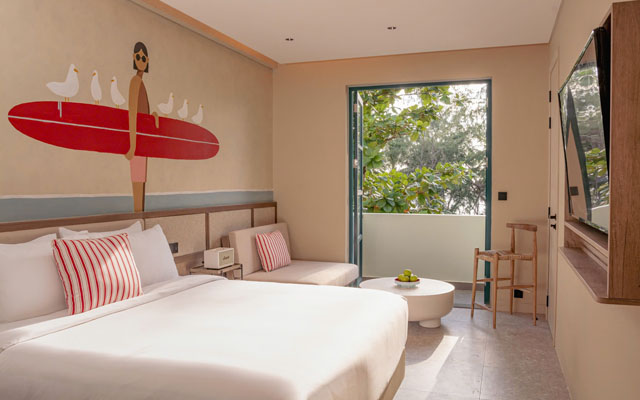
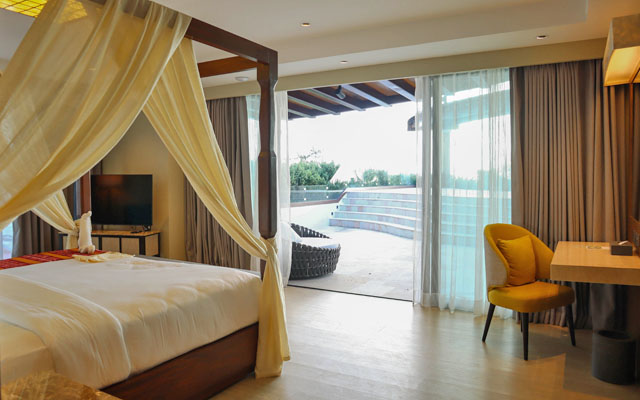
Centara Hotels & Resorts has unveiled its East Coast Escape offer that invites travellers to explore the diverse beauty of Thailand’s eastern coast with savings at participating hotels in Pattaya, Rayong, Trat and the island of Koh Chang.
From now to November 20, CentaraThe1 members can book stays until December 20 at select properties along Thailand’s eastern shores, enjoying discounts of 25 per cent on eligible rate plans at Centara Nova Hotel Pattaya and COSI Pattaya Wong Amat Beach.
Explore the best of Thailand’s East Coast with Centara’s latest offer
This limited-time offer represents an additional 10 per cent savings on top of usual member privileges.
Members can also enjoy an increased 20 per cent discount for stays at Centara Pattaya Hotel, Centara Chaan Talay Resort & Villas Trat, Centara Sonrisa Residences & Suites Sriracha, Centara Koh Chang Tropicana Resort, and Centara Q Resort Rayong.
Punthill Maitland, Australia The 76-apartment Punthill Maitland is located at 373 High Street, close to Maitland’s commercial centre, and offers a mix of modern studio, one- and two-bedroom apartments, including interconnecting and accessible room types which all come with a fully-equipped kitchen, and in-room laundry facilities.
The property also has a conference room, gym and on-site parking.
An easy drive from Newcastle Airport, the town of Maitland offers guests a range of restaurants and bars, cafés, shops and entertainment venues, as well as many historical and cultural sites to explore. Nearby are also the Maitland Showground, the Maitland Regional Art Gallery, and the Maitland Hospital.
For those keen to venture further afield, the hotel is the perfect base for exploring the wider Hunter Valley Region, renowned for its wineries and scenery.
Moxy Chongqing
Moxy Chongqing, China Debuting in Chongqing, China is the new Moxy Chongqing, with 360 guestrooms – with peg walls, and foldable desks and chairs – as well as amenities like an interactive communal hub, bar, grab-and-go station, fitness centre, and ironing room.
Situated within 100m walking distance to the People’s Liberation Monument, which stands as one of Chongqing’s landmark buildings, the hotel is nearby three metro stations which provides connections to attractions, including Bayi Food Street night market and Hongya Cave. It is also just 18.5km away from Chongqing Jiangbei International Airport.
Anurak Community Lodge
Anurak Community Lodge, Thailand The 19-key Anurak Community Lodge, beside Khao Sok national park near Phuket and Krabi in southern Thailand, has completed renovations and improvements to its guestrooms and bathrooms, the main restaurant, public areas and water supply.
A newly drilled 120-metre well now provides high quality pure water to the guestrooms, the kitchen and restaurant, with new septic tanks added.
New air-conditioning units and bathrooms have been added to five guestrooms, along with new mosquito nets. The ecolodge has also added nine new mountain bikes bringing the total available in a range of sizes to 15.
Grand Hyatt Kunming
Grand Hyatt Kunming, China Grand Hyatt Kunming boasts 331 guestrooms, all with panoramic views. Guests staying in Grand Club guestrooms can enjoy access to the Grand Club lounge and its privileges, including all-day refreshments, afternoon tea and evening cocktails.
Facilities include an indoor pool, spa, fitness centre, F&B options, ballroom, and event venues.
Housed in Kunming’s Spring City 66 plaza, together with Grand Hyatt Residences Kunming, an office tower and luxury shopping mall, the hotel provides guests a one-stop destination for business, shopping, dining, and entertainment. Neighbouring attractions include Jinma Biji Square and Nanqiang Street, famed for its night market. The hotel is also steps from the Yunnan International Convention Center and Tuodong Sports Stadium, and only a two-minute walk from DongFeng Square metro station.
Benjamin Lehmann has been appointed as general manager of Shinta Mani Angkor and Bensley Collection Pool Villas in Siem Reap, Cambodia.
Having lived in Asia for 12 years, Lehmann has held senior roles with luxury brands in Thailand and Cambodia. He will be in charge of managing hotel operations and will also oversee the Shinta Mani Foundation that works with local villagers on the pillars of education, health, micro loans and direct assistance.
Prior to joining Shinta Mani Angkor and Bensley Collection Pool Villas, he was the pre-opening general manager for Mercure Bangkok Surawong.
Singapore Tourism Board (STB) Malaysia is set to launch a content collaboration to attract more Malaysian families to Singapore for their holidays.
The collaboration will feature Malaysian personalities Farah Nabilah and Elecher Lee sharing personal stories of their family vacations in Singapore, showcasing how each experience, activity, and moment spent together. Both personalities spotlight family experiences that are quintessentially Singapore, from iconic attractions to hidden gems.
Travellers to Singapore can enjoy fun family experiences such as the Singapore Sidecars, pictured (Photo: Singapore Tourism Board)
Travellers to Singapore can also look forward to a slew of deals and a variety of attractions for the entire family. These include the expansion of both the Marina Bay Sands and Resorts World Sentosa integrated resorts – RWS’s S.E.A Aquarium which is being transformed into the Singapore Oceanarium– as well as the rejuvenation of Mandai Wildlife Reserve’s parks and addition of the Mandai Rainforest Resort. The Palawan Sentosa has also introduced the brand new Sentosa Sensoryscape, which offers an immersive, multi-sensorial journey for adults and kids alike.
Families can stay at kid-friendly hotels such as the Parkroyal Collection Marina Bay with themed family rooms, Shangri-La Singapore Orange Grove Road with new children’s facilities and family-friendly dining, as well as Pan Pacific Singapore Raffles Blvd which offers jungle-themed rooms in partnership with Kiztopia.
“Families with young children are a key segment in the Malaysia market, and we believe Singapore is an ideal destination for their holiday needs. We are just a short flight away, and it’s easy for families to get around our city to enjoy a wide range of family-friendly experiences,” shared Terrence Voon, executive director, South-east Asia, STB.
“With the convenience and peace of mind that Singapore offers, we believe family travellers can focus on what really matters – enjoying precious moments and building lasting memories together.”
The Indonesian Ministry of Tourism and Creative Economy (MoTCE) recently conducted its 2nd Indonesia Health Tourism Exchange Forum (IHTEF) in Jakarta in a bid to expand the country’s health and wellness offerings.
The event’s B2B meeting component attracted 20 local wellness providers that showcased health products and activities as well as 40 local travel companies attending as buyers.
The recent IHTEF showcased Indonesia’s health and wellness offerings to participants (Photo: Tiara Maharani)
The event educated attendees on the wide range of wellness products, including cultural elements like traditional dances, that can enrich the overall experience. Highlights included the Sanggar Tari Kinanti Sekar healing dance, Rumah Atsiri’s aromatic wellness journey and destination, and Bali Medical Tourism Association’s Balinese wellness local wisdom.
Data from The Global Wellness Institute found that the Indonesian wellness economy has grown from US$35 billion in 2017 to US$36.4 billion in 2020. Despite this, Indonesia still ranks 19th globally and seventh in the Asia-Pacific region.
Itok Parikesit, director of special interest tourism at MoTCE told TTG Asia that while Balinese and Javanese massage techniques are well-known and often associated with the country, Indonesia lacks a strategic approach to wellness tourism. Going forward, MoTCE aims to make Indonesia a global wellness tourism destination by establishing a wellness travel trend through the IHTEF event.
Itok emphasised that “Indonesia’s strength lies in wellness products that are sourced from tradition and local wisdom”.
Kinanti Sekar, founder of Sanggar Tari Kinanti Sekar, shared that her studio often received tour groups seeking to learn dance as a cultural experience, through which they discover that dance is part of the healing process. That inspired her to expand her services to focus on healing through dance.
For Andi Alwani, chief operating officer of Kelas Piknik Tour, IHTEF inspired him to create special wellness packages to grow his business. He noted that clients “always request (for) wellness programmes in their tour packages”.
To ensure safe and reliable aviation operations, Malaysia Aviation Group (MAG) has reduced its network capacity by 20 per cent for flights on Malaysia Airlines and Firefly.
The reduced network involves 20 per cent of capacity in Malaysia, South-east Asia, North Asia, Australia, North Asia, Australia, New Zealand, Greater China, South Asia and the Middle East.
The global shortage of parts has affected the on-time delivery of new aircraft orders by MAG
MAG managing director, Izham Ismail, said in a recent statement issued on August 29: “As air travel returned to normalcy, with airlines globally restoring capacity into the market, we had been managing our schedules proactively to mitigate post-pandemic challenges including supply chain disruptions.
“We made the decision to carefully restore our capacity taking into consideration the speed of supply chain support. This is also contributed by global shortages due to a lack of resources that are causing delays in the production of spare parts by aircraft and parts manufacturers (OEMs).”
This has led to longer turnaround times for engine overhauls and repairs for the MAG fleet, both of which rely on external partners for these services, resulting in the lack of engines for its operations.
“Despite these challenges, MAG has maintained the quality of its maintenance work, managing both internally and externally, even with the associated high costs and financial impacts,” shared Izham.
MAG is also working closely with its stakeholders, including regulators and OEMs, to effectively address operational challenges and ensure timely and reliable delivery of spare parts – encompassing adequate and high-quality spares and a robust aircraft maintenance programme.
Izham added that the global shortage of parts had affected the on-time delivery of new aircraft orders, which, in turn, has impacted fleet planning.
By 2024, MAG was scheduled to receive 17 new aircraft orders as part of its fleet modernisation programme and support growth requirements. However, to date, MAG has only received four Boeing 737-8 aircraft out of the 13 contractually agreed by 2024.
For the A330neo, MAG was scheduled to receive four aircraft but is now expected to receive three by the end of the year as committed by Airbus.
MAG has experienced attrition of skilled workforce as new MRO players, both local and international, have entered the Malaysian market.
To address this, Izham revealed that MAG is collaborating with partners to augment its manpower and increase the skilled engineering workforce – MAG has also improved remuneration packages to sustain a strong talent pipeline.
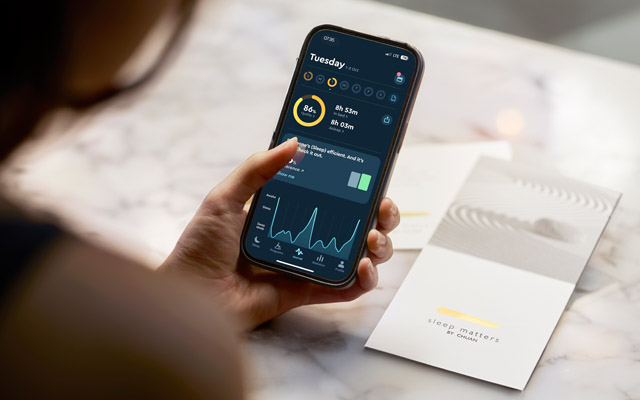
Klook has revealed key findings under a new research conducted by Klook Protect, its travel-first insurance arm, that explored consumer attitudes, behaviours, and lifestyles impacting travel insurance today.
The research, commissioned by Canvas8, was conducted among a sample of 2,500 respondents in February 2024 across Singapore, Malaysia, the Philippines, Hong Kong and South Korea.
The traditional travel insurance does not meet the basic consumer preferences of millennial and Gen Z travellers
The Travel Troubles Beyond Lost Luggage 2024 study looks into the gaps and dynamic protection needs of millennial and Gen Z travellers who are often exposed to higher risk than previous generations of travellers.
Klook Protect CEO Chuan Sheng Soong described millennials and Gen Zs as fearless adventurers who are tech-savvy and independent, which is why there is a gap in the market for different types of travel insurance that reflect their travel habits and elevate the quality of their holiday.
Travelling in 2024 comes with a few added layers of risk compared to previous years. Among many factors, climate change, economic pressures and health concerns have all led to disrupted travel plans and potentially impacting safety in certain destinations. Examples include deadly flight turbulence, increased crime rates in high tourist areas, and health risks such as climate-sensitive infectious diseases.
Key findings from the report include:
Traditional travel insurance fails to keep up with modern traveller needs
Millennials and Gen Zs have ushered in a new way to travel and among all surveyed, 21% expressed their desire for less traditional travel insurance because these products tend to follow a cookie-cutter approach that is now outdated. Specifically, 34.1% want the process of getting travel insurance to be enjoyable, followed by 12.7% and 8.1% who want a more progressive and transformational provider respectively.
Difficulties in making claims (25%), understanding what is covered (22%), and having processes that are too complex (22%) or too long (20%) were key factors in discouraging modern travellers from purchasing travel insurance. Considering that convenience and flexibility are high priorities for millennials and Gen Zs, the complexities behind traditional travel insurance do not even meet their basic preferences as a consumer. Furthermore, 75% of travellers prefer to book aspects of their trips (flights, accommodation, insurance) all in one place, with 28% of those respondents ‘strongly agreeing’.
Malaysia (36%), Singapore (34%), and Hong Kong (21%) are the top markets with travellers highlighting difficulty in making claims. At the same time, the Philippines has a whopping 40% of travellers who are more value-conscious, ranking price as the top reason.
Millennials and Gen Zs need different protection and preparation as they are exposed to higher risk
About 48% of travellers under the age of 35 are often drawn to adventure travel, and exposed to more risk during vacation due to solo or unplanned ventures. This includes activities like extreme sports, off-the-beaten-path destinations, and physically demanding experiences. Although exciting, these activities inherently carry a higher risk of injury or accidents, when compared to more traditional sightseeing. Furthermore, the disappointment of unwanted, unexpected moments or lack of achieving travel goals can ruin an entire trip.
Up to 46% of those surveyed take a leisure trip at least once every three months, which could be anything from an overnight stay to a backpacking trip. This causes some to prioritise budget travel which could involve staying in less-regulated accommodations or transportation options with lower safety standards.
Millennials and Gen Zs need different protection and preparation from unforeseen events as they are exposed to higher risk
Besides travelling on a whim, millennials and Gen Zs heavily rely on technology for navigation, communication, and even booking activities. Dependence on phone battery life or limited internet access in remote locations could pose further challenges in emergencies. Other new risks such as ride-share scams, misrepresentation of accommodation on websites, and poor safety standards from adventure providers, will increasingly drive demand for protection against them.
Majority of travellers are unmotivated to buy travel insurance
Despite the culture of over-preparedness and meticulous planning in Asian households, travellers from Hong Kong, Malaysia, the Philippines, as well as Singapore who lead the way in frequent travel, wait less than a month prior to make decisions on travel insurance. It is also found that Singaporeans (30%), Hong Kongers (36%), Malaysians (37%) and Filipinos (36%) buy coverage just days to a week before their trips.
One-fifth expressed concerns over the complexity of making insurance claims, while 32% indicated a strong preference for seamless, easy-to-claim policies. These findings underscore a much bigger opportunity in the market.
Sharing what can be done to change the rigid state of travel insurance today given the heightened risk factors, Soong said: “Travel insurance definitely needs to be modernised for a better travelling experience. There is a need for new travel insurance standards, as travellers are dragging their feet to purchase travel insurance, feeling overwhelmed by options and still not finding what they need.
“Our research has made us aware that adventure seekers in particular, have had bad experiences with travel insurance in the past due to their claims falling out of the insurance coverage scope, or difficulties in finding suitable insurance in the first place. There is a gap in the market for travel insurance that can address such needs, and people deserve to have insurance that allows them to enjoy the adventures that they want without having to worry about the aftermath.”
Klook Protect offers insurance that caters to millennial and Gen Z travel habits – these help travellers make smarter choices that enrich their holiday experiences with insurance solutions that can understand and anticipate travel that is centred around fun activities and meaningful experiences.
The research, commissioned by Canvas8, was conducted among a sample of 2,500 respondents in February 2024 across Singapore, Malaysia, the Philippines, Hong Kong and South Korea.
Klook Protect’s Travel Troubles Beyond Lost Luggage 2024 White Paper can be accessed here.
Aman has named tennis champion Novak Djokovic as its first global wellness advisor, enhancing the wellness resort’s offerings through exclusively designed programmes and events that draw on his mental and physical well-being experience both on and off the court.
Djokovic will play an adversarial role with Aman Essentials, specifically focusing on future product development and extensions of the brand, in relation to overall well-being.
Aman will curate wellness programmes across the brand’s properties; Amanjiwo resort in Indonesia, pictured
The multi-year partnership will grow and develop year-on-year, with early plans across the brand’s properties including (but not limited to); special events for Aman Club and Residence owners; annual hosted wellness retreats; and specially curated programmes available to guests year-round.
“To remain competitive at the highest level, over an extended time period, demands far more than skill,” shared Djokovic. “Over the years, I have cultivated a comprehensive daily wellness routine, combining mental health, nutrition and fitness, that has enabled me to achieve sustained success both on the global stage and in my personal life. Sharing those learnings with Aman guests will be both a privilege and a pleasure.”
In 2023, Aman named Maria Sharapova as an Aman Global Wellness Ambassador, and she is set to host Building Resilience: A Maria Sharapova Retreat at Amanzoe in Greece from September 23 to 26. Sharapova’s exclusively curated, half-day Strength and Recovery programme is currently available as part of Aman New York’s daily spa programming.
Philippine Airlines (PAL) has kicked off its Ultimate Seat Sale, offering travellers lowest fares of the year on select international and domestic destinations from now to September 20.
Fares start as low as US$50 for round trip base fare for international travel, and 209 Philippine pesos (US$21) one-way base fare for domestic travel.
Philippine Airlines’ Ultimate Seat Sale is on now till September 20
Travellers to New Zealand will soon have to pay nearly thrice the amount in entry fees from October 1, a move by the government that has sparked criticism from the key tourism sector that the higher levy will deter visitors.
The international visitor and conservation and tourism fees will be raised to NZ$100 (US$61.88) from $35 to “ensure visitors contribute to public services and high-quality experiences while visiting New Zealand”, according to the New Zealand government.
New Zealand will near triple its tourist levy come October 1; Auckland in New Zealand, pictured
The decision was made after the NZ$35 fee, which was first introduced in July 2019, proved insufficient to cover the costs incurred by the impact of tourists on the natural environment.
The government said the fee was competitive and it was confident New Zealand would continue to be seen as an attractive visitor destination.
However, tourism stakeholders believe the sharp increase in levy will discourage visitors, as the country is still struggling to recover from strict border closures implemented during the Covid-19 pandemic.
In addition, the New Zealand government has recently increased the costs of visitor visas, and plans to also increase charges on regional airports.
“New Zealand’s tourism recovery is falling behind the rest of the world, and this will further dent our global competitiveness,” said Rebecca Ingram, chief executive, Tourism Industry Association.
For NZ Airports chief executive Billie Moore, the government’s decision is “a triple-whammy for our sector, which is trying to work hard for New Zealand’s economic recovery”.
Benjamin Lehmann has been appointed as general manager of Shinta Mani Angkor and Bensley Collection Pool Villas in Siem Reap, Cambodia.
Having lived in Asia for 12 years, Lehmann has held senior roles with luxury brands in Thailand and Cambodia. He will be in charge of managing hotel operations and will also oversee the Shinta Mani Foundation that works with local villagers on the pillars of education, health, micro loans and direct assistance.