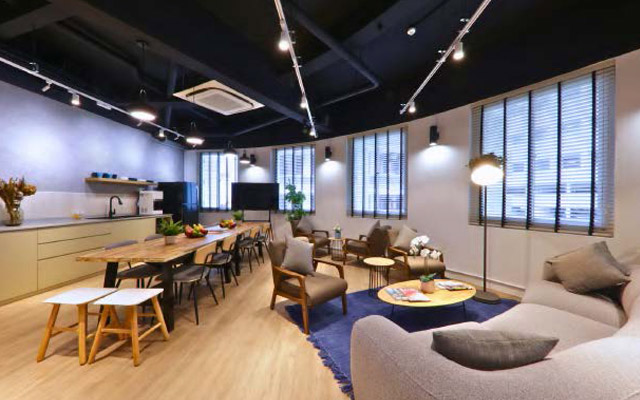
This September marks the 10th anniversary for Moxy Hotels, a brand that has become synonymous with fun and innovation in the hospitality industry, and designed for those who are young at heart and on the hunt for new experiences.
Since the launch of the first Moxy Hotel in Asia-Pacific, Moxy Bandung, in 2017, the lifestyle brand has expanded its presence in the region over the past 12 months, entering key markets including Australia, India, Thailand, and Malaysia, with five new hotels having been added to the portfolio through 2024. These comprise Moxy Sydney Airport (Australia), Moxy Bengaluru Airport Prestige Tech Cloud (India), Moxy Bangkok Ratchaprasong (Thailand), Moxy Putrajaya (Malaysia), Moxy Solo (Indonesia), and Moxy Mumbai Andheri West (India).

Having made its debut in 2014, with the first Moxy Hotel opening in Milan, the brand now has over 135 properties in 29 countries.
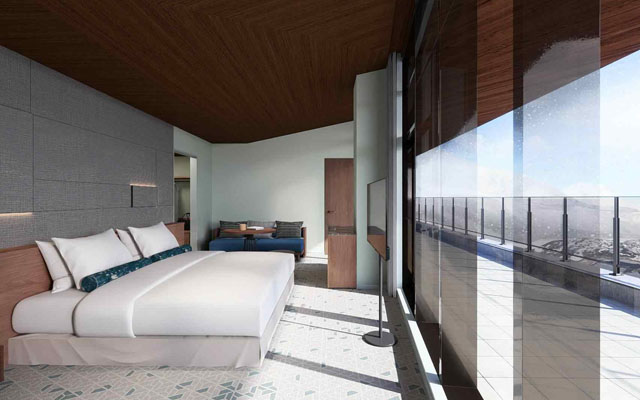
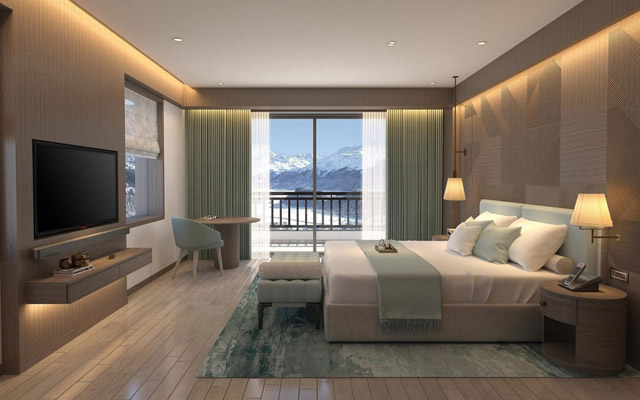
Highlights of the Moxy experience includes innovative check-in experience; Moxy Hookups – creative, social perks gifted randomly to guests daily; Moxy Pickups – grab-and-go style pick-ups station; social spaces in lobbies; smart and stylish rooms; as well as the digital interactive guestbook that provides recommendations for travellers by fellow travellers and locals.
“Moxy offers a playful and engaging environment at an approachable price point without sacrificing style. With plans for further expansion and exciting new initiatives on the horizon, Moxy is set to continue its journey as a disruptor in the select service space,” said John Toomey, chief sales & marketing officer, Marriott International, Asia Pacific excluding China.


Almost one third of people living in Japan’s most popular tourist destinations are feeling overtourism to some extent, but most remain positive about tourism’s overall impact, according to a recent study by EY Japan.
The report Leading the Japanese economy towards growth in the tourism industry explores perceptions of tourism based on a survey carried out in 10 of the country’s top spots, including Kyoto, Nara, Asakusa (Tokyo), Shizuoka, Miyajima (Hiroshima), and Asahikawa (Hokkaido). It also considers how Japan can continue to promote tourism as a foundation for economic growth.
Around 40 per cent of respondents reported a positive view of the number of tourists in their area, and 60 per cent said tourism plays an important role in enriching their lives and boosting the economy in their region. Only 15 per cent said tourism plays a negative role.
Respondents also noted that their area’s popularity had sparked their own interest in local attractions including nature, history, culture and food, while giving them a sense of hometown pride.
The highest proportion of those witnessing overtourism were in Kyoto, followed by Asakusa, Nara and Miyajima, citing problems such as bad manners, traffic congestion and difficulty riding public transport due to overcrowding.
While opinions on tourism remain largely positive, the report noted that disruptions to daily life caused by visitors “highlight the challenge of tourism becoming the growth engine of the Japanese economy” in the longer term.
It recommends proper management of tourism destinations, such as by a destination management organisation, to ensure local communities receive sufficient economic benefit, thereby helping to counteract any negative impacts that residents may experience.