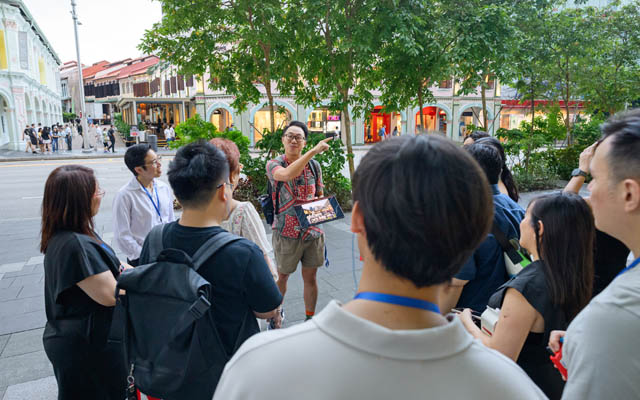
Grand Hyatt Singapore has introduced Stories of Orchard, a guided walking tour developed with urban heritage specialist Yong Min Ho, founder of The Urbanist Singapore.
Created to mark the hotel’s 55th anniversary, the experience traces Orchard Road’s transformation from plantation land to one of Asia’s best-known shopping and lifestyle districts, while highlighting Grand Hyatt Singapore’s role in the precinct’s evolution since opening in 1971.
Grand Hyatt Singapore’s Stories of Orchard walking tour explores the history, heritage and transformation of Orchard Road with urban heritage specialist Yong Min Ho
The tour begins at Grand Hyatt Singapore before exploring key locations along Orchard Road, including the nutmeg-inspired public artwork at ION Orchard, the Somerset area and Emerald Hill. Along the way, guests learn about the district’s colonial past, urban planning evolution and cultural heritage.
Participants also travel on Singapore’s MRT network and receive a commemorative NETS FlashPay card featuring commissioned artwork by local studio Ripple Root.
Guests can extend the experience with dining options at 10|Scotts or StraitsKitchen, while an overnight package, Grand Happy Hour Escape, combines accommodation with evening canapés and beverages at the hotel.
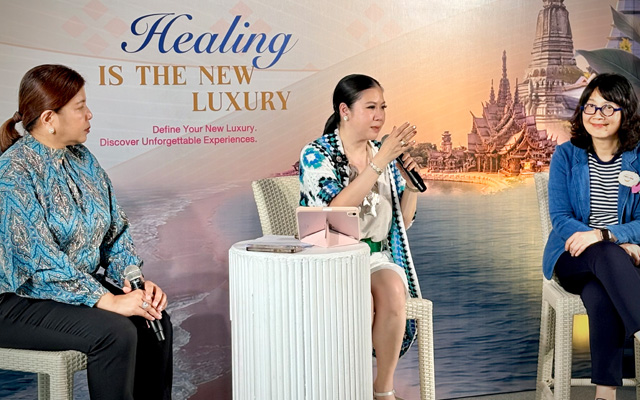
Amid geopolitical uncertainty and global instability, the Tourism Authority of Thailand (TAT) has outlined its latest tourism strategy at Thailand Travel Mart Plus (TTM+) 2026 under the theme Healing is the new luxury: Define your new luxury; discover unforgettable experiences.
The strategy places wellness and restorative travel at the centre of Thailand’s tourism offering through five pillars – Retreats, Rituals, Reels, Rhythms and Relations. TAT is positioning Thailand as a destination where travel supports well-being through nature, culture, hospitality, gastronomy, wellness and local connections.
TTM+ 2026 showcased Thailand’s regional diversity and growing focus on wellness-led travel experiences; photo by Anne Somanas
“Travellers are increasingly seeking destinations that offer comfort, balance, and peace of mind. Thailand provides meaningful experiences, genuine hospitality, and the healing power of nature and culture,” said TAT deputy governor for marketing Nithee Seeprae.
Nithee stated the strategy is being applied across markets and travel segments, with marketing campaigns tailored to different audiences while reinforcing the Healing is the new luxury message through storytelling and visual content.
TAT governor Thapanee Kiatphaibool said geopolitical uncertainty also presents an opportunity for Thailand.
“In times of global volatility, what tourists fundamentally desire – especially those travelling from longhaul markets – when they come to Thailand is something we can tangibly offer: safety,” she shared.
“Therefore, Healing is the new luxury situated within a ‘Safe Haven’ is our primary communication direction. In conjunction with Trusted Thailand, we are conveying that you will be safe here. You will be able to achieve a state of mind and experience genuine healing that truly rejuvenates you, healing both your body and your mind.”
Longhaul travellers are being targeted with experiences centred on transformation, escape and self-investment, while shorthaul markets are being promoted through food, entertainment and relaxation-focused breaks. Domestically, TAT’s collaboration with Lalisa “Lisa” Manobal under the Amazing Thailand x LISA Feel All the Feelings campaign links travel with emotion, contemporary culture and national pride.
TTM TALK 2026 also featured a medical and wellness tourism forum titled Thailand: Your Source of Healing Vitamins.
In addition, TAT is promoting Travel with Care as a responsible tourism initiative aimed at travellers seeking experiences that benefit destinations, local communities and the environment.
As of June 2, 2026, Thailand had welcomed more than 14 million international visitors, generating around 679 billion baht (US$20.6 billion) in tourism revenue.
TAT is targeting total tourism revenue of 2.65 trillion baht from domestic and international tourism in 2026, supported by an expected 33 million international arrivals.
TTM+ 2026 has attracted 429 international buyers, 428 Thai sellers and more than 70 international media representatives. Organisers expect the event to generate 15,408 business appointments and more than five billion baht in tourism revenue.
The event is taking place from June 10 to 12, 2026, at the NICE Pattaya Convention and Exhibition Center in Chonburi.
New York City Tourism + Conventions, in partnership with CrescentRating and HalalTrip, has released the 2026 edition of the New York City Halal Travel Guide ahead of the 2026 FIFA World Cup.
First launched in 2022, the guide is designed to help Muslim travellers navigate the city’s tourism offerings across the Bronx, Brooklyn, Manhattan, Queens and Staten Island.
The guide includes halal dining, prayer facilities and World Cup visitor information across New York City’s five boroughs; photo by Narisa Ladak
The latest edition includes information on halal dining, prayer facilities, accommodation and cultural attractions. It also features details related to the World Cup, including official fan event locations and a five-day itinerary tailored for Muslim visitors attending the tournament.
New York City will host eight World Cup matches in 2026, including the final.
According to the guide’s organisers, the resource aims to address common challenges faced by Muslim travellers during major sporting events, including access to halal food, prayer spaces and transport options.
The publication also highlights New York City’s Islamic heritage, covering sites linked to the city’s Muslim communities and cultural history alongside tourism, retail and dining recommendations.
The release comes as Muslim travel continues to grow globally. According to the Mastercard-CrescentRating Global Muslim Travel Index 2025, international Muslim arrivals reached 176 million in 2024 and are projected to contribute US$235 billion in travel spending by 2030.
Raudha Zaini, head of operations at CrescentRating and HalalTrip, shared that the guide reflected New York City’s commitment to Muslim travellers and would help strengthen the city’s appeal ahead of the World Cup.
Julie Coker, president and CEO of New York City Tourism + Conventions, said: “New York City is proud to welcome Muslim travellers from around the world with resources that reflect the diversity, inclusivity and hospitality that define our city. This guide is an important part of our commitment to creating a seamless and welcoming experience for every traveller who chooses New York City.”
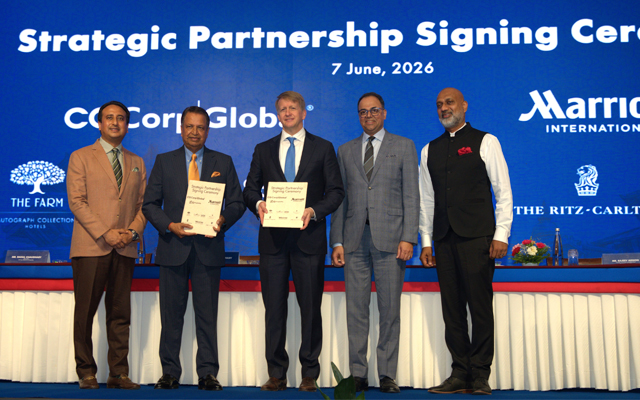
Marriott International has joined forces with CG Hospitality Global to develop three hotels in Nepal and India, expanding its luxury and premium portfolio in South Asia.
The projects comprise The Ritz-Carlton Kathmandu, The Westin Kathmandu and JW Marriott Hotel Siliguri. Scheduled to open in 2031, the three properties will add nearly 450 rooms to Marriott’s regional portfolio.
The agreement includes the debut of The Ritz-Carlton brand in Nepal and a new JW Marriott hotel in Siliguri
The signing expands Marriott’s relationship with CG Hospitality Global, which has collaborated with the hotel group on multiple projects across the region.
According to Marriott, the developments are intended to support tourism growth and strengthen hospitality infrastructure in Nepal and India.
The agreement marks the debut of The Ritz-Carlton brand in Nepal. Located in Kathmandu, the hotel is expected to feature 150 guestrooms, including 30 suites, alongside five food and beverage venues, a spa, fitness centre, outdoor swimming pool and more than 1,100m² of meeting and event space.
The Westin Kathmandu will also feature 150 rooms and suites. Planned facilities include three dining venues, a fitness studio, spa, rooftop swimming pool and more than 700m² of meeting and event space.
In India, JW Marriott Hotel Siliguri will introduce 150 guestrooms and suites in the city of Siliguri, a gateway to north-east India. The hotel is expected to include four dining venues, a spa, swimming pool, fitness centre and 1,500m² of event space.
Rajeev Menon, president, Asia-Pacific excluding China, Marriott International, said: “We are pleased to deepen our association with CG Hospitality Global through a shared vision to bring world-class hospitality experiences to these high-potential markets.
“These landmark developments reflect the exceptional standards and brand excellence that define Marriott’s luxury and premium portfolio, while contributing meaningfully to tourism growth, local employment and regional economic development.”
Rahul Chaudhary, CEO and managing director of CG Hospitality Global, said: “Growing our relationship with Marriott International marks an exciting new chapter in our journey to elevate South Asia’s hospitality landscape.”
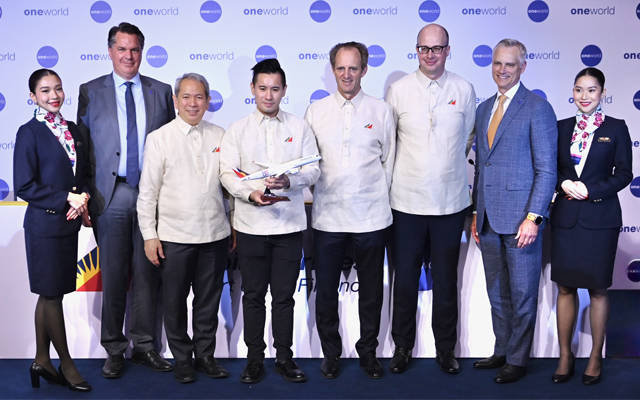
Philippine Airlines (PAL) will soon become the 16th member of the oneworld airline alliance following the signing of a memorandum of understanding at the International Air Transport Association’s 82nd Annual General Meeting in Rio de Janeiro.
The airline was invited to join the alliance as a member-designate carrier by the oneworld Governing Board, which comprises the chief executives of member airlines.
The move will strengthen oneworld’s network in South-east Asia and expand connectivity across the Philippines
Once integrated into the alliance, PAL will add 31 destinations across the Philippines and other markets to the oneworld network. The carrier operates services across Asia-Pacific, North America, Europe, the Middle East and Australia.
The addition will strengthen oneworld’s presence in South-east Asia and expand connectivity for travellers across the region.
PAL’s Mabuhay Miles members will gain access to reciprocal earning and redemption opportunities across oneworld airlines. Eligible top-tier members will also receive access to oneworld priority services and more than 700 airport lounges worldwide.
The alliance said the move supports its long-term network development plans in Asia-Pacific and will strengthen connections between the Philippines and international markets.
Lucio C Tan III, president of PAL Holdings, said: “This is a defining and transformative moment for Philippine Airlines.Becoming a member of the oneworld Alliance and strengthening Southeast Asia’s representation within the group significantly brings the Philippines and the region closer to the world like never before.
“Together with our partners, we will deliver greater choice, consistent journeys, and a world-class travel experience that reflects the warmth of Filipino hospitality.”
Robert Isom, CEO of American Airlines and chairman of the oneworld Governing Board, added: “Philippine Airlines’ entry into oneworld supports our long-term strategic growth and strengthens our connectivity across key markets in the Asia-Pacific region.”
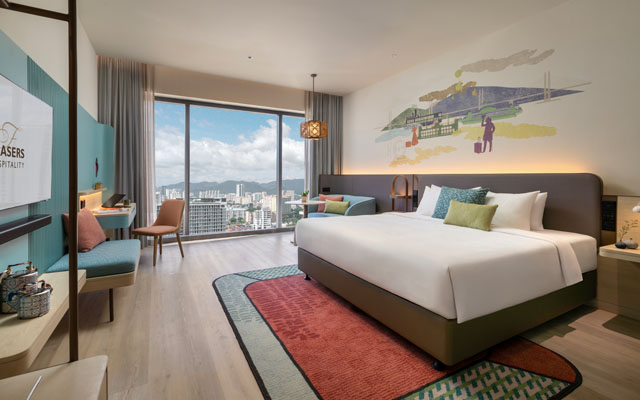
Capri by Fraser, Penang, Malaysia
Capri by Fraser, Penang has opened on Jalan Magazine in George Town, combining a restored heritage shophouse with a new 22-storey tower. The property offers 248 rooms and residences, including studio accommodation and one-bedroom residences equipped with kitchenettes.
Guest facilities include a swimming pool, jacuzzi, gymnasium, yoga room, meeting spaces, games room and self-service laundrette. Dining options include Palm House restaurant and bar, while The Den serves as a social and coworking space. The hotel is also pet-friendly and provides EV charging stations.
Situated close to George Town’s UNESCO World Heritage Site, the hotel offers convenient access to the city’s historic streets, cultural landmarks, street art and food scene.
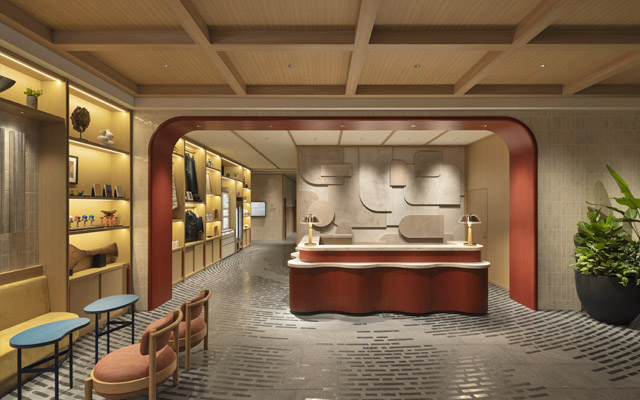
Mercure Tokyu Stay Hiroshima
Mercure Tokyu Stay Hiroshima, Japan
Mercure Tokyu Stay Hiroshima is a 182-room hotel located in Hiroshima’s Hatchobori district, marking Accor’s first property in the city.
Facilities include a coworking and social lounge, meeting rooms and a fitness centre. Guests can also enjoy locally sourced food and beverages, including bread from Hiroshima bakery Aloft and coffee from Mount Coffee.
The property is a two-minute walk from Hatchobori Station on the Hiroshima Electric Railway network, providing access to the city’s shopping, dining and cultural attractions.
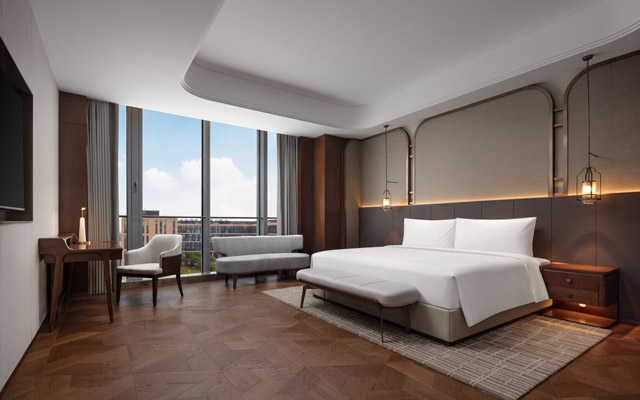
Radisson Blu Hotel Shanghai Eastern Hub
Radisson Blu Hotel Shanghai Eastern Hub, China
Radisson Blu Hotel Shanghai Eastern Hub features 445 guestrooms and suites in Pudong, around 23 minutes from Shanghai Pudong International Airport and close to the future Shanghai East Railway Station.
Dining options include an all-day restaurant, a Chinese restaurant with private dining rooms and an executive lounge.
Facilities include a temperature-controlled swimming pool, fitness centre and more than 6,700m² of meeting space, including a conference hall, theatre and eight meeting rooms. The hotel also offers convenient access to Pudong’s business districts, convention venues and cultural attractions.
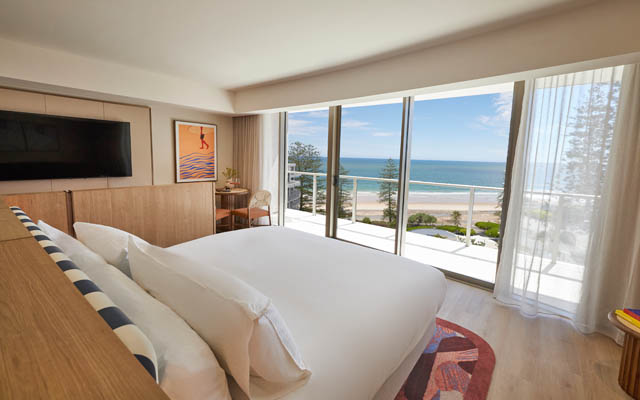
Avani Mooloolaba Beach Hotel
Avani Mooloolaba Beach Hotel, Australia
Avani Mooloolaba Beach Hotel is a 180-room property located on Mooloolaba Esplanade overlooking the Pacific Ocean on Queensland’s Sunshine Coast.
Facilities include a rooftop pool and terrace, a spa, fitness centre, Lobby Bar and Sully’s Rooftop restaurant. Guests can also access local experiences and activities through the hotel’s dedicated experience host.
The hotel is within walking distance of Mooloolaba Beach, restaurants and shopping along the esplanade. It also benefits from access to attractions across the Sunshine Coast, including coastal trails, beaches and marine activities. Sunshine Coast Airport, which offers connections to destinations including Sydney, Melbourne, Auckland, Denpasar and Singapore, is around 15 minutes away by car.
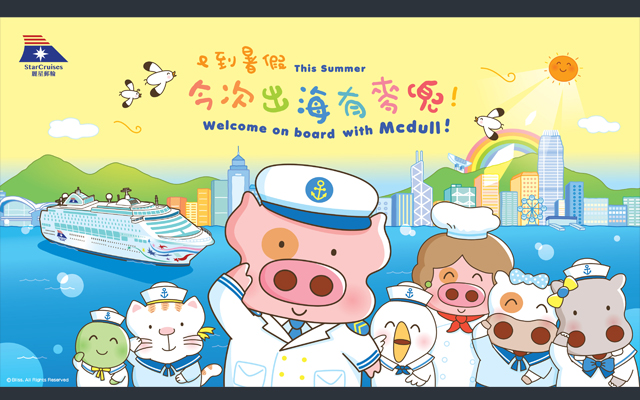
StarCruises is partnering with popular Hong Kong character Mcdull for a themed summer programme aboard Star Voyager from July 15 to August 30, 2026.
The Mcdull Summer Adventure at Sea will feature themed entertainment, family activities, character appearances and dining experiences across selected sailings departing from Hong Kong.
Star Voyager’s summer programme features Mcdull-themed entertainment, family activities and character appearances on selected cruises from Hong Kong
Guests can enjoy a range of activities including the musical production Mcdull · Fishball on the Run, meet-and-greet sessions with Mcdull and Mrs Mak, themed photo opportunities, movie screenings, sing-along sessions, family workshops and themed food offerings.
The programme will be available on two-, three- and five-night cruises from Hong Kong to destinations including Okinawa, Halong Bay, Danang, Kaohsiung, Penghu and Xiamen, as well as two-night weekend high-seas cruises.
Guests booking by June 29, 2026, can receive up to 30 per cent off cruise fares, while third and fourth children cruise free when sharing the same stateroom as their family.
Star Voyager operates from Ocean Terminal in Hong Kong and is part of the StarCruises brand under StarDream Cruises.
Mett Singapore has launched the Riviera Champagne Brunch, a new weekend dining experience combining Mediterranean-inspired cuisine, champagne and live entertainment.
Held every Saturday, the experience takes place across L’Amo Bistrò del Mare and Canning Bar & Lounge from 12.00 to 15.00, before continuing with an after-party from 15.00 to 19.00.
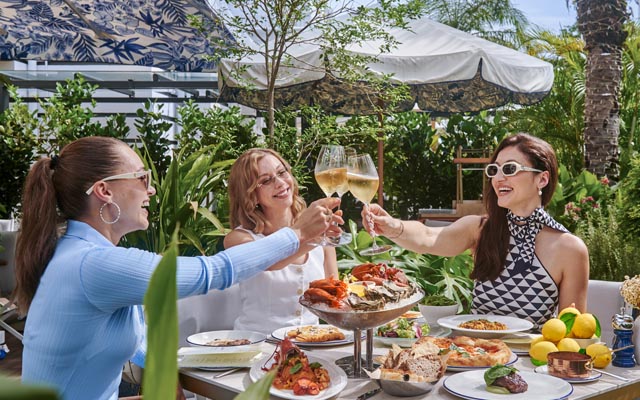
Mett Singapore’s Riviera Champagne Brunch combines Mediterranean dining, free-flow Champagne and live entertainment every Saturday at Fort Canning
The brunch menu features seafood, antipasti, pasta and grilled dishes, alongside live culinary stations and roaming bites. Guests can also enjoy free-flow champagne, with options including Boizel Brut Réserve, Ruinart Rosé and Krug Grande Cuvée.
Packages start from S$228++ (US$178++) per person for the Riviera Champagne Brunch with Boizel Brut Réserve. The Riviera Rosé experience is priced at S$418++, while the Riviera Prestige package with Krug Grande Cuvée and pool access costs S$888++.
A Weekend Riviera Experience, which includes Krug Grande Cuvée, pool access, an overnight stay and breakfast, is available from S$1,188++. A non-alcoholic option is also offered from S$158++ per person.
The after-party includes DJ sets, one complimentary drink for brunch guests and optional free-flow beverage packages from S$78++. Roaming pinsa service is available from 17.30.
Muslim-friendly sports tourism could generate up to US$21 billion globally by 2030 if destinations and event organisers improve access to faith-friendly services and travel information, according to a report released by Mastercard and CrescentRating.
The report, Proof Wins: The Convergence of Sports, Travel, and Faith, examines how Muslim travellers discover, plan and attend sports events, and identifies the factors that influence booking decisions.
Mastercard and CrescentRating say clearer information and faith-friendly services could increase participation in sports-related travel
According to the study, spending on sports-related travel by Muslim travellers is projected to increase from around US$11 billion in 2025 to US$17 billion by 2030. The figure could rise to US$21 billion if destinations improve the visibility and delivery of services such as halal food, prayer facilities, transport information and secure payment options.
The report notes that Muslim international arrivals are expected to grow from 186 million in 2025 to 245 million by 2030. However, only around six per cent of international Muslim trips currently include attendance at a sports event, indicating potential for further growth.
Researchers found that affordability and value remain the main factors influencing travel decisions, followed by access to halal food, prayer facilities, safety and crowd management. The availability of clear information during the planning and booking stages was also identified as a key driver of participation.
The report highlights the role of digital channels in sports travel, with social media serving as the main source of event discovery among Muslim travellers. However, conversion to bookings depends on access to practical information such as official ticketing channels, venue details, transport arrangements and payment options.
Aisha Islam, senior vice president, customer solutions centre, South-east Asia at Mastercard, said: “Muslim travellers represent one of the fastest-growing segments in global travel. When destinations provide clarity and confidence – from payment security to halal dining and prayer access – they unlock significant participation and spending potential.”
Fazal Bahardeen, founder and CEO of CrescentRating, added: “What this research clearly shows is that demand alone is not the constraint – confidence is.”
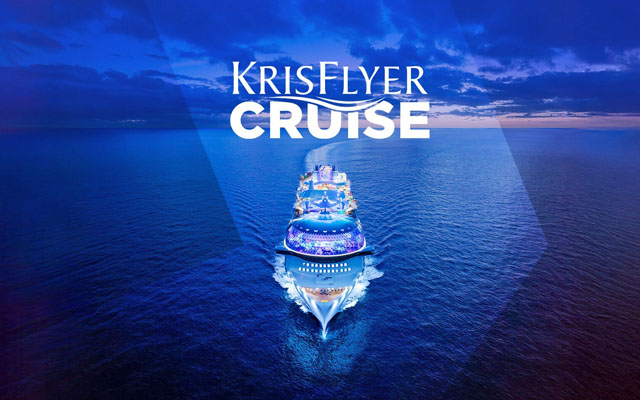
arrivia and KrisFlyer, the rewards programme of Singapore Airlines Group, have expanded their partnership to allow members to redeem KrisFlyer miles for cruise bookings.
The enhancement gives members access to more than 30,000 itineraries across over 40 cruise lines through KrisFlyer Cruise, arrivia’s dedicated cruise booking platform.
The new redemption option provides access to more than 30,000 cruise itineraries through the KrisFlyer Cruise platform
Members can now use KrisFlyer miles to pay for cruises or combine miles and cash when making bookings. Available cruise operators include Royal Caribbean International, Disney Cruise Line and Princess Cruises, with itineraries covering destinations worldwide, including South-east Asia and Australia.
KrisFlyer members will also continue to earn two KrisFlyer miles for every US$1 spent on cruise fares booked through the platform.
According to the companies, the move is intended to expand redemption options beyond flights and provide members with access to a broader range of travel experiences.
The launch comes as the cruise sector continues to grow globally. The companies cited industry data showing that cruise passenger numbers reached 37.2 million in 2025, up 7.5 per cent year-on-year.
Bookings can be made through the KrisFlyer Cruise platform, where members can browse itineraries, redeem miles and access support from cruise specialists.
John Williams, COO of arrivia International, said: “This partnership is about giving KrisFlyer members more meaningful ways to use their miles.
“Cruises represent one of the fastest-growing and highest-value travel categories, and by offering cruising as a redemption option to KrisFlyer members, we are enabling members to access more rewarding experiences while helping drive stronger engagement within the programme.
“With thousands of sailings globally and dedicated cruise specialists, we are making cruise more accessible than ever.”