What
What
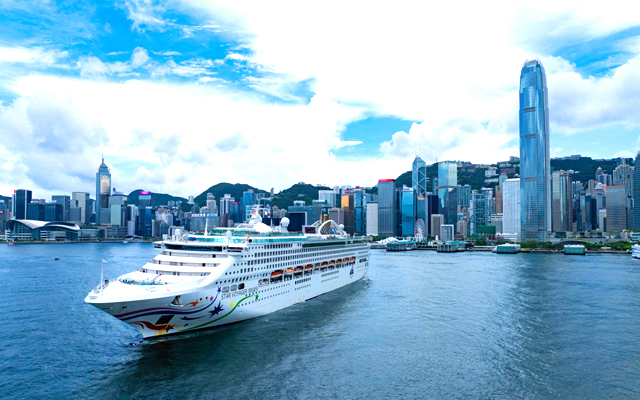
Star Voyager, the revamped ship from StarCruises, set sail on its maiden voyage to Jakarta on March 26. Formerly P&O Australia’s Pacific Explorer, Star Voyager’s launch also marks the brand’s refresh of StarCruises and Dream Cruises, as it transitions from Resorts World Cruises.
Homeporting at the Singapore Cruise Centre until July 21, the Star Voyager offers itineraries from Singapore to South-east Asia destinations such as Bangkok, Koh Samui, Pulau Redang, Port Klang and Medan. The ship will also sail from dual homeports in Jakarta, Melaka, Bangkok, and Ho Chi Minh City, with more cities to be added in the future.
Facilities
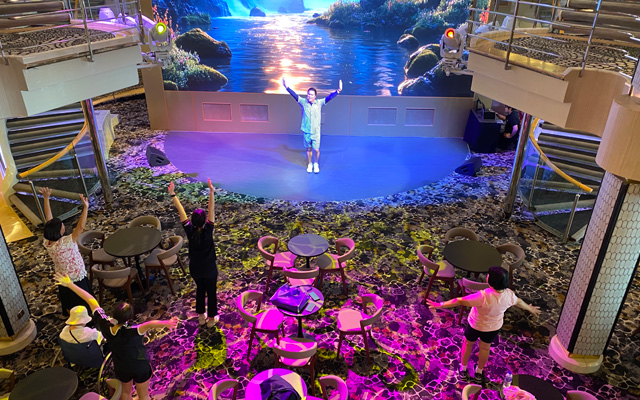
Part of the ship’s refit focused on enhancing the lobby and reception area, which now opens into a two-floor space with a stage for performances.
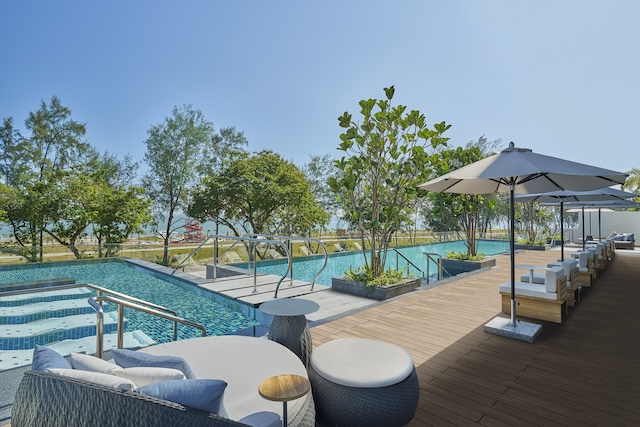
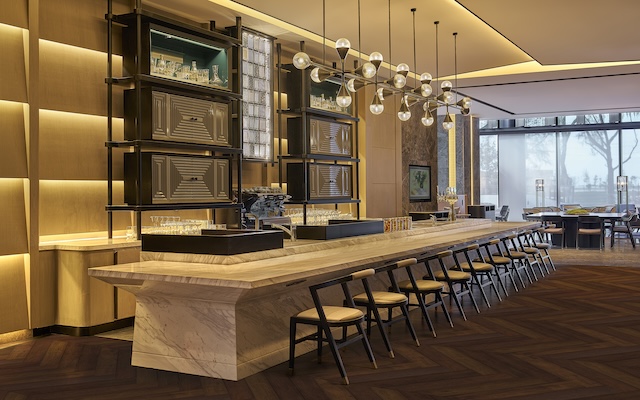
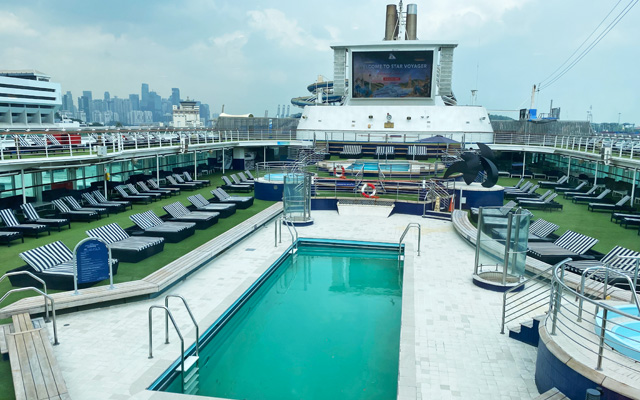
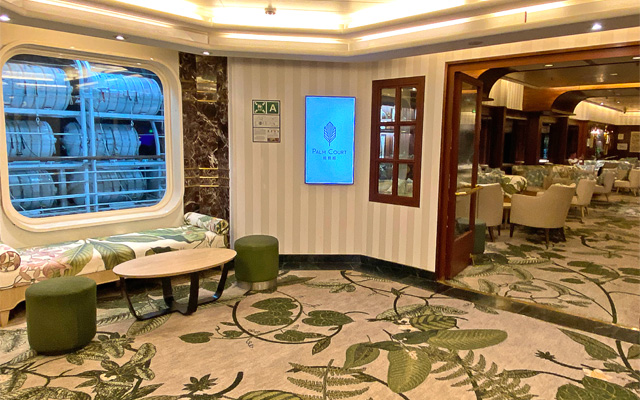
Many of the common areas, from the lobby and restaurants to the uppermost deck with the pools, have been refreshed and look very inviting.
Unfortunately, the Adventure Park, with its zipline, rock wall, and water slides, was closed during my voyage, so I didn’t get to try them. Instead, I headed straight for the spacious gym, equipped with weights, weight machines, several treadmills, rowing machines, and spin bikes – all with an unobstructed view of the endless ocean – to keep me active, allowing me to indulge more during mealtimes.
Room
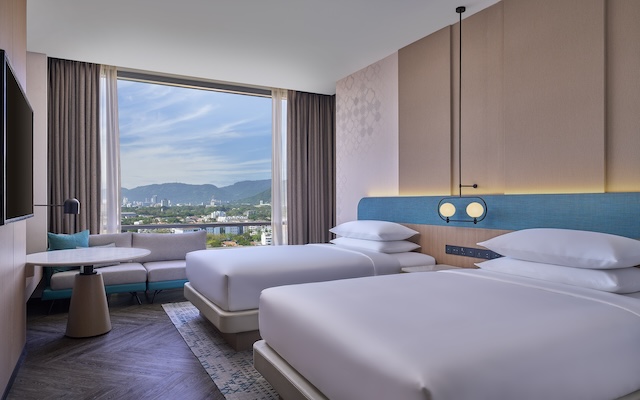
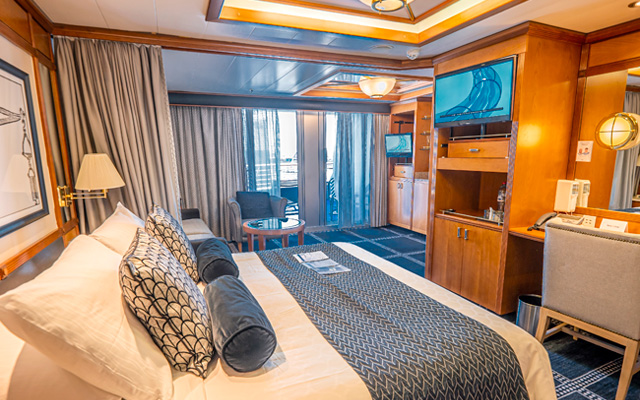
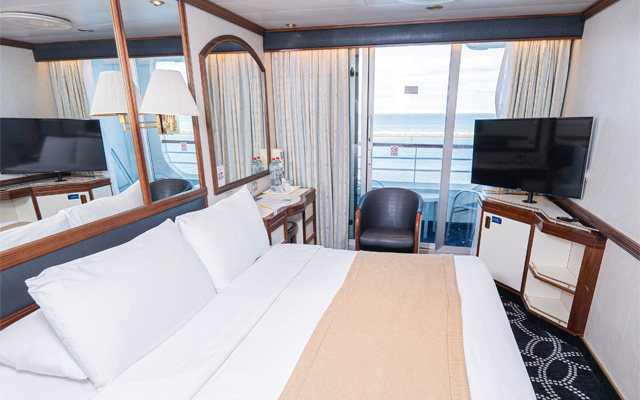
I stayed in the 16.6m² Balcony Stateroom, a quaint vintage-style room offering a private view of the sea. It was perfectly functional, with a dresser, TV, and ample space to unpack.
We also had a brief tour of the refurbished Palace Suites (ranging from 33.9m² to 38.4m²) and Palace Deluxe Premium (ranging from 33.2m² to 34m²), which offered much more spacious accommodations, including a separate living area, ideal for families or groups.
F&B
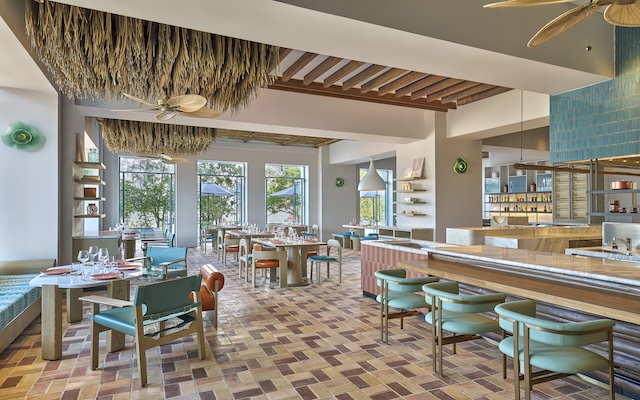
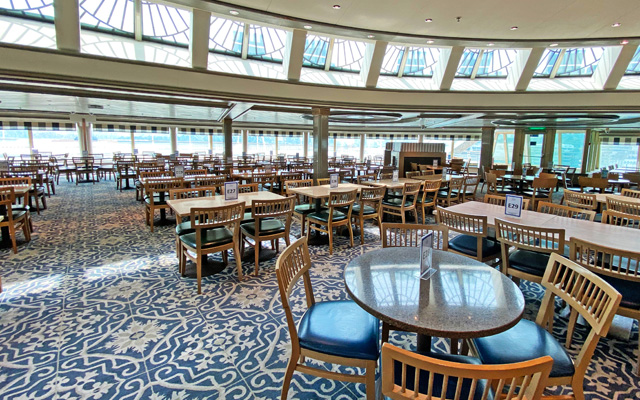
Star Voyager houses a total of 14 restaurants and bars. The Lido, the ship’s inclusive buffet restaurant, provided most of the sustenance, offering a variety of Asian cuisines. Open for breakfast, lunch, and dinner, its casual setting and spacious dining area were ideal for large groups and casual chats.
For more refined dining, the ship’s specialty restaurants offer a wide range of cuisines, from Italian and Chinese to international fusion. My favourite was Silk Road, which specialises in Chinese and Japanese cuisine. The menu during my trip focused mainly on Chinese dishes, including broccoli and abalone, rich soups, melt-in-your-mouth steamed cod fillet, and tender braised duck.
I also enjoyed the beef dishes at Bistro on separate occasions, as they were cooked to the perfect doneness and retained their juiciness.
While there were a few service hiccups, I’m confident these will be sorted in no time.
Entertainment
With a wide variety of specially curated programmes, it’s clear that entertainment is a priority. The opening performance at the Zodiac Theatre was particularly impressive, with performers showcasing acts requiring incredible athleticism and skill, such as one performer shooting an arrow with her feet while balancing in a handstand, and acrobatic feats from a group of dancers.
The Zodiac Theatre also hosts different performances each night, providing post-dinner entertainment. For a more casual experience, head to the nearby Palm Court, where the live band and talented singers will have you singing and dancing along.
While exploring the ship on other days, I could hear singing from performances in various areas and even caught a workout class at one point – proof that there was always something happening.
Excursions
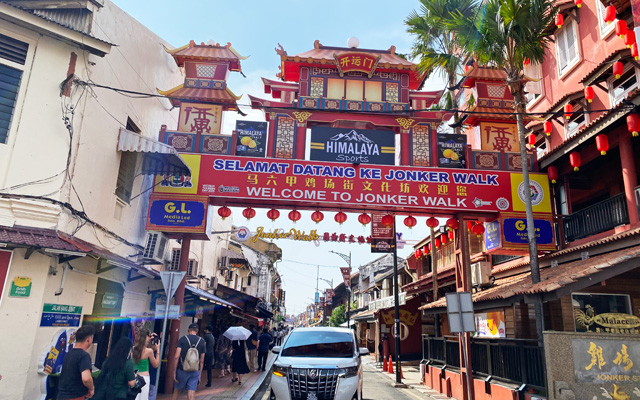
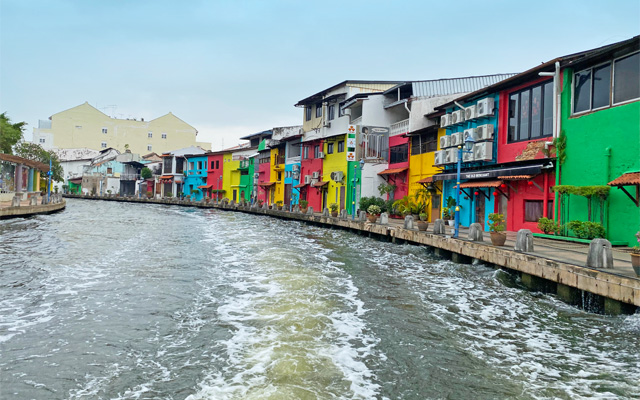
We had the chance to stretch our sea legs in Melaka and Jakarta. Both shore excursions were guided, and I appreciated not having to worry about where to go, as we were led to various sites.
The logistics were well-organised, from disembarkation to passing through customs, with groups being split and taken by air-conditioned buses to different stops.
In Melaka, the tour included a visit to a Peranakan mansion, followed by a trip to the Encore Melaka Theatre to watch an immersive live play about the city’s history, featuring digital visuals, a stage set, and a 360-degree rotating platform.
In Jakarta, the tour explored sights in Old Batavia, where some colonial-style buildings remain, and also included a visit to a puppet museum showcasing the different types of puppetry used throughout the centuries.
Both tours focused on the culture and history of the cities, providing a valuable learning experience rather than just shopping.
Verdict
Ideal for those seeking shorter trips around South-east Asia and less common destinations, the Star Voyager is a mid-sized ship that accommodates up to 2,000 passengers, perfect for those who prefer a more intimate setting with fewer people on board.
Contact details
Website: https://rwcruises.com/home






 With over 30 years of experience in the hospitality industry, Yücel brings a wealth of experience to this position, having most recently served as general manager at Six Senses Hotels Resorts Spas.