Bali’s villa market is experiencing sustained growth, driven by changing traveller preferences and consistent investment, according to industry stakeholders.
Since the onset of the pandemic, villas have become a preferred accommodation choice for visitors seeking space, privacy, and value. This shift has led to accelerated development across the island.

Tiket.com reported that bookings for villas and apartments on its platform have increased by an average of 102 per cent annually since 2020.
Cisyelya Bunyamin, senior vice president of accommodations at Tiket.com, told TTG Asia: “There’s been a distinct shift in consumer behaviour, with more travellers opting for accommodation types that offer comfort and privacy. Villas, apartments, glamping, and ecolodges are increasingly popular among guests seeking larger spaces and more private settings, which are ideal for families and groups.”
Cost is a significant factor behind this trend. Umberto Cadamuro, chief operating officer – inbound at PACTO Indonesia, noted that villas are often priced 15 to 25 per cent lower than equivalent hotel room bookings.
“When families or groups realise that renting a two- or three-bedroom villa is more economical than booking several hotel rooms, they naturally tend to opt for the villa,” he explained.
Cadamuro also observed that travellers from the Commonwealth of Independent States (CIS) – including Russia, Ukraine, and Kazakhstan – as well as from Australia, are increasingly choosing villas, partly in response to economic uncertainty and rising airfares. In contrast, travellers from traditional European markets such as the UK, France, and Spain continue to favour hotels, attracted by the level of service offered.
Satria Wei, head of hospitality services at Colliers Indonesia, said villa development in Bali has been steadily rising since 2015.
“The pandemic significantly accelerated demand, particularly for accommodation offering privacy and open-air space,” he said.
According to Colliers, villa development in Bali grew at an annual rate of over 22 per cent between 2020 and 2023. Wei added that sustained demand from travellers and continued investment will support further growth in the sector.
He said the combination of pricing, privacy, and space has reshaped accommodation preferences, positioning villas as a lasting choice for both investors and visitors.


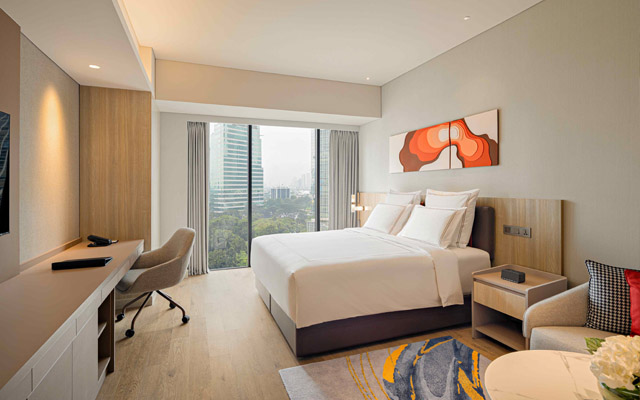

 Prior to her new role, she served as director of travel industry sales at Capella Singapore, with a focus on the luxury consortia market. At The Capitol Kempinski Hotel, she will lead the sales and marketing division, strengthening the hotel’s positioning as a premier heritage property in Singapore.
 Hee has over 25 years of airline industry experience, having held management roles at Singapore Airlines in multiple countries. Prior to joining IATA, he was vice president for partnerships and international relations at Singapore Airlines.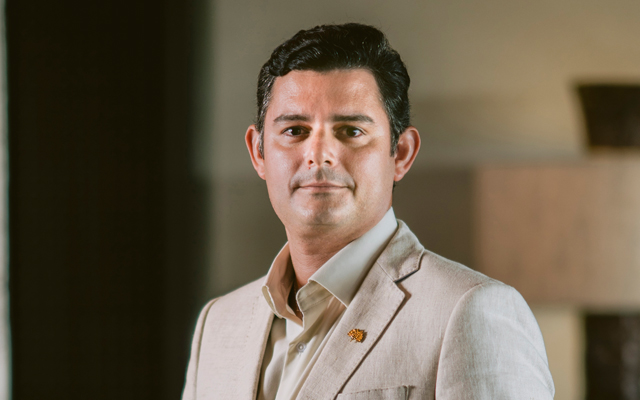
 His experience spans resort transformations, new openings, and initiatives focused on sustainability and community engagement – values that align with Raffles Bali’s approach to conscious luxury.